

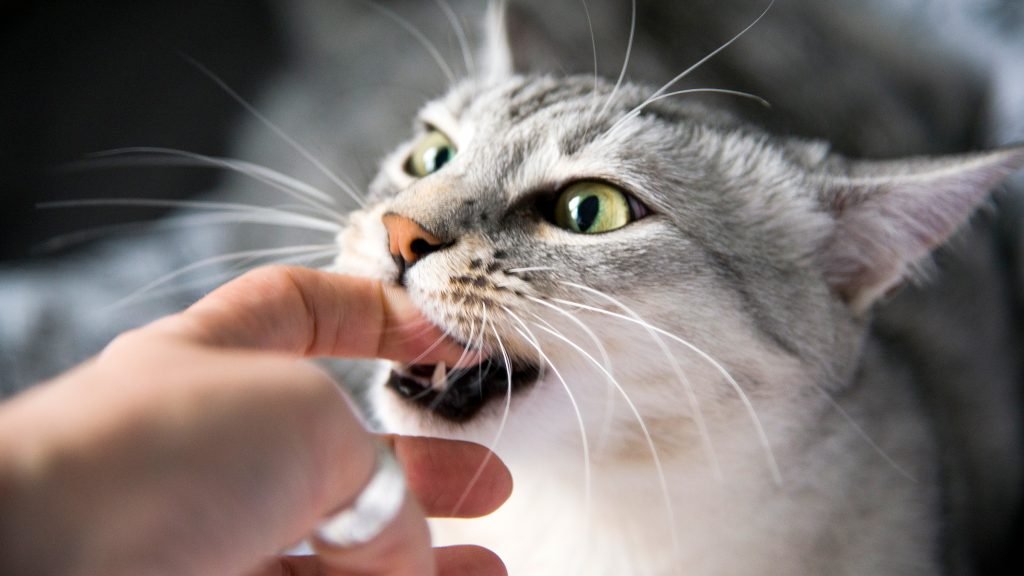
Have you ever felt a tiny, unexpected nibble from your cat and wondered, “Why do they do that?” It’s more than just a quirky habit.
When your cat gently nibbles on you, they’re trying to tell you something. Understanding this simple yet mysterious behavior can deepen the bond between you and your furry friend. Keep reading, and you’ll discover the surprising reasons behind those little bites—and how to respond so your cat feels loved and understood.
Playful Behavior
Cats often nibble as part of their playful behavior. This nibbling is a gentle way to explore and interact. It shows trust and curiosity rather than aggression. Understanding why cats nibble helps build a stronger bond with them.
Kittens use their mouths to learn about the world. Nibbling helps them discover new textures and shapes. Even adult cats keep this habit as a form of play. Your fingers might feel like a fun toy to them.
Inviting You To Play
A cat’s nibble can be an invitation to join a game. It often means they want your attention and interaction. This playful nibble is usually soft and brief. It’s their way of saying, “Let’s have fun!”
Practicing Hunting Skills
Nibbling mimics the way cats catch prey. It’s part of their natural hunting instincts. Play nibbling lets them practice without harm. This behavior keeps their skills sharp and their minds active.
Showing Affection Playfully
Sometimes, cats nibble to show love and friendship. It’s a gentle gesture similar to grooming. This playful nibble strengthens your connection. It expresses comfort and happiness around you.
Teething In Kittens
Kittens nibble for many reasons, and teething is a common one. Just like babies, kittens go through a teething phase. Their sharp baby teeth fall out, making space for adult teeth. This process can cause discomfort and itching in their gums. Nibbling helps relieve this irritation.
During teething, kittens explore the world with their mouths. Nibbling soft objects or even your fingers feels soothing. It is a natural way for them to cope with pain and curiosity. Understanding this helps you respond calmly and gently.
Signs Your Kitten Is Teething
- Chewing on toys and furniture
- Increased nibbling on hands and fingers
- Red or swollen gums
- Drooling more than usual
- Occasional fussiness or restlessness
How Nibbling Helps Relieve Teething Pain
Nibbling massages the gums and eases soreness. It also helps kittens learn bite strength. Soft toys provide safe outlets for chewing urges. Encouraging gentle nibbling reduces the chance of biting too hard.
Tips To Support Your Teething Kitten
- Provide plenty of soft chew toys
- Avoid using your fingers as chew objects
- Offer cold toys to soothe gums
- Keep play sessions calm and short
- Gently discourage hard biting with a firm “no”
Exploring With Their Mouths
Cats use their mouths to explore the world around them. Their sense of taste and touch helps them learn about objects and people. Nibbling is a way for cats to gather information about their surroundings.
Kittens especially use their mouths to investigate. They nibble on toys, their littermates, and even their humans. This behavior stays with them as adults, although it changes in meaning.
How Cats Use Their Mouths To Understand Texture
When cats nibble, they feel the texture of what they touch. Soft skin, rough fabric, or smooth surfaces all give different sensations. This helps cats decide if something is safe or interesting.
Nibbling As A Form Of Communication
Cats often nibble gently to show affection. This is different from biting, which can be aggressive. Light nibbling tells you your cat trusts and feels close to you.
Exploring Taste With Gentle Nibbles
Sometimes cats nibble to taste. Your skin might have a salty or sweet flavor that attracts them. They use their mouths to check if something is edible or just curious.
How Mouth Exploration Helps Cats Bond
Nibbling helps cats connect with people and other cats. It is a gentle way to interact and share feelings. This behavior builds trust and friendship over time.
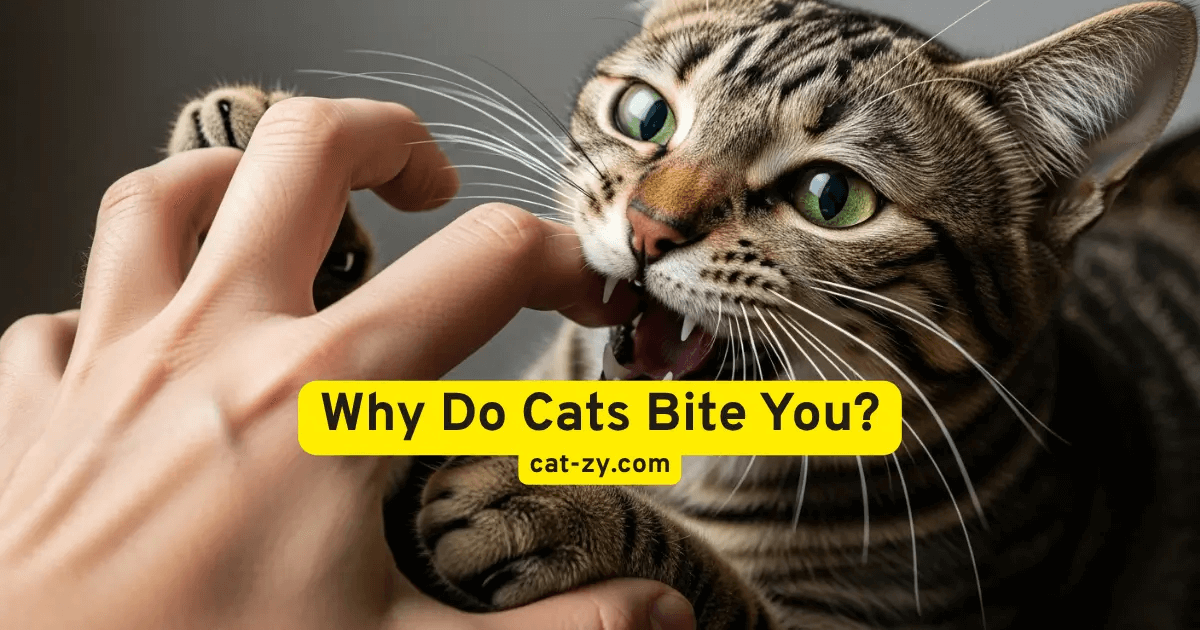
Credit: medium.com
Attention-seeking Actions
Cats often nibble on you to get your attention. This behavior is their way of saying, “Hey, notice me!” They use gentle bites to communicate and connect. Nibbling can be playful or a signal that they want interaction.
Understanding why cats nibble helps improve your bond. It shows they trust you and want to engage. Let’s explore some common attention-seeking actions behind this nibbling habit.
Gentle Bites As A Play Invitation
Cats often nibble softly to invite you to play. They see your hands as fun toys. This nibble is not painful but a gentle tap. It means they want to chase or pounce.
Nudging You For Petting
Nibbling can ask for more petting or cuddles. Your cat may feel lonely or bored. They use small bites to remind you to pay attention. It’s their way to ask for love.
Signaling Hunger Or Food Time
Some cats nibble near mealtime to signal hunger. They want you to feed them or prepare food. It’s a soft, polite request. They learn this behavior brings quick results.
Expressing Affection And Bonding
Nibbling can be a sign of affection. Cats groom each other this way. When they nibble you, it means they feel safe. It strengthens the bond between you.
Expressing Affection
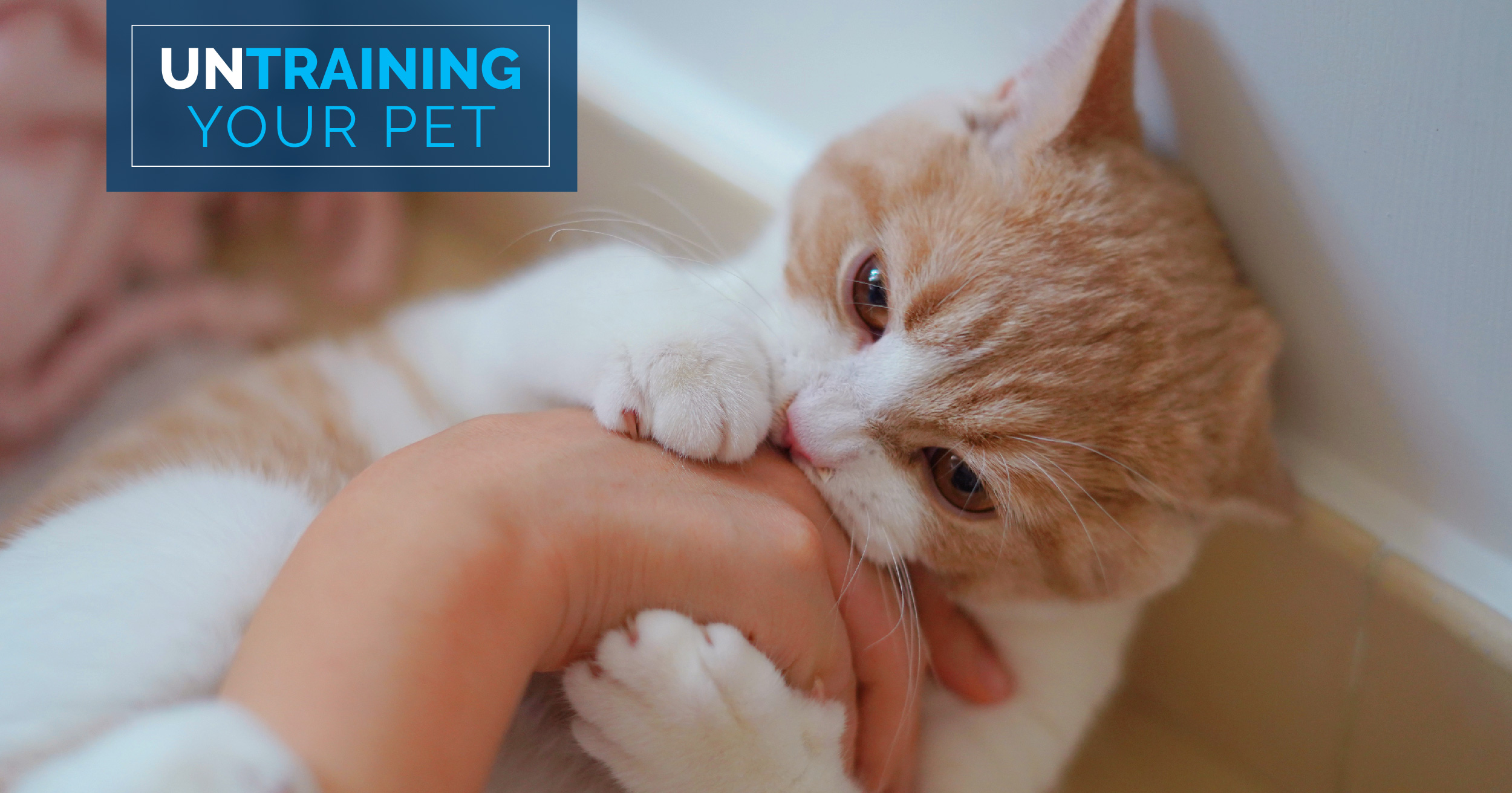
Cats nibble on you as a gentle way to show love. This soft biting is part of their unique language. It’s their way to say, “I care about you.”
Nibbling often happens during petting or quiet moments. It feels different from aggressive biting. It is light and gentle, more like a kiss than a bite.
Showing Trust Through Gentle Bites
Cats trust you deeply when they nibble softly. They let their guard down around you. This small act means they feel safe and happy.
Using Nibbles As A Sign Of Bonding
Nibbles help build a close bond between you and your cat. It is like their way of hugging or cuddling. Cats use this to strengthen your connection.
Nibbles As A Way To Get Attention
Sometimes, nibbling means your cat wants your attention. They might want to play or be petted more. It’s their polite way to say, “Look at me!”
Cat Communication Through Nibbling
Nibbling is part of how cats communicate feelings. It shows affection, trust, and a desire to be close. Understanding this helps you respond with love and care.
Credit: www.diamondpet.com
Stress And Anxiety
Stress and anxiety can deeply affect your cat’s behavior, including why they nibble on you. Cats often use nibbling as a way to cope with feelings of unease or nervousness. Understanding this can help you respond in a way that soothes your furry friend rather than escalating their stress.
How Stress Triggers Nibbling
When a cat feels stressed, their body releases hormones that heighten their sensitivity. Nibbling becomes a form of self-soothing or a call for comfort. If your cat suddenly starts nibbling more than usual, consider what changes might be causing their anxiety.
Recognizing Anxiety-driven Nibbles
Not all nibbling is playful or affectionate; anxious nibbling can be sharper or more persistent. Pay attention to your cat’s body language—are their ears back or tail flicking? These signs alongside nibbling suggest your cat is trying to communicate discomfort.
Actions To Reduce Your Cat’s Stress
- Create a calm environment with quiet spaces.
- Establish a consistent daily routine.
- Use interactive toys to distract and engage your cat.
- Consider pheromone diffusers that promote relaxation.
Have you noticed if your cat’s nibbling decreases when you introduce these calming changes? Small adjustments can make a big difference in their anxiety levels.
When To Seek Help
If nibbling becomes aggressive or your cat shows other signs of distress, a vet visit might be necessary. Anxiety can sometimes be a symptom of underlying health issues. Don’t hesitate to ask your vet about behavioral therapies or medications that could help.
Health And Dental Issues
Cats nibbling on you can sometimes signal underlying health or dental problems. These gentle bites might be their way of coping with discomfort or pain. Paying attention to this behavior can help you spot issues early.
Signs Your Cat Might Have Dental Problems
If your cat suddenly starts nibbling more often, check for other signs like bad breath, drooling, or pawing at the mouth. These symptoms often point to dental pain caused by tartar buildup or gum disease.
My cat once began nibbling my hand softly but repeatedly. A vet visit revealed an infected tooth causing discomfort. Treating it stopped the nibbling and made her more comfortable.
How Health Issues Can Cause Nibbling
Sometimes, health issues beyond the mouth can make cats nibble. Skin irritations, allergies, or even anxiety can trigger this behavior as a way to seek attention or relief.
Have you noticed if your cat nibbles more when stressed or uncomfortable? This can be a subtle cry for help, urging you to check their overall health or environment.
When To See A Vet About Your Cat’s Nibbling
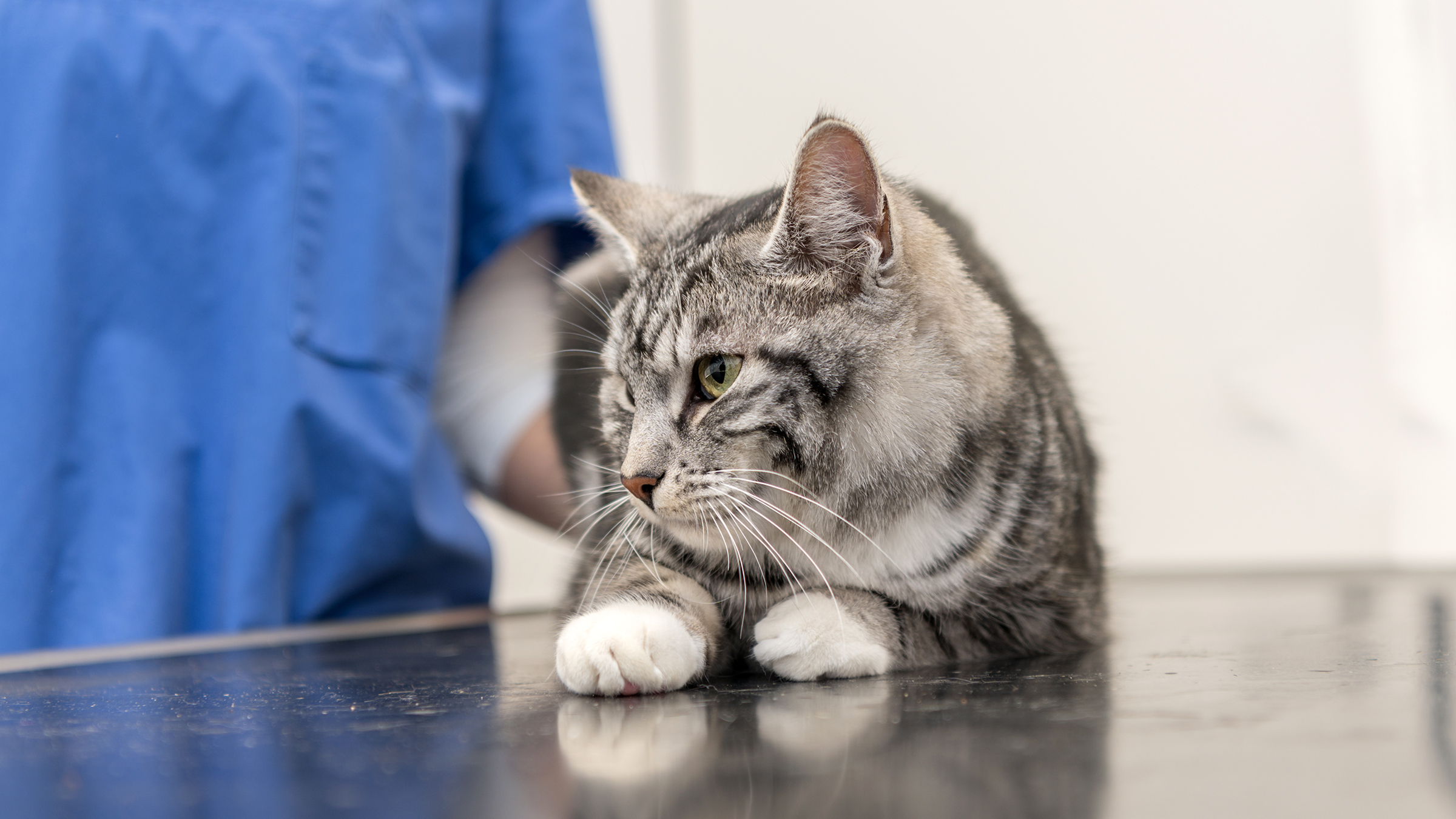
If nibbling becomes frequent or aggressive, it’s time to consult a vet. They can check for dental infections, oral ulcers, or other hidden health problems causing your cat’s behavior.
Don’t wait until your cat shows clear pain signs. Early detection can prevent serious issues and keep your furry friend happy and healthy.
Credit: www.goodrx.com
Redirecting Nibbling Behavior
Redirecting nibbling behavior helps keep your cat happy and your skin safe. Cats nibble for many reasons, such as play, attention, or stress relief. Teaching them to nibble on toys instead of your fingers is key. It creates a positive habit and reduces unwanted biting.
Redirecting nibbling takes patience and consistency. Using the right tools and techniques makes the process smoother. It also strengthens the bond between you and your cat.
Offer Appropriate Chewing Toys
Provide your cat with soft chew toys or treats. These satisfy their urge to nibble without causing harm. Toys with different textures keep your cat interested. Rotate toys regularly to maintain excitement.
Use Positive Reinforcement
Praise your cat when they nibble on toys, not skin. Use treats or gentle petting to reward good behavior. Positive feedback helps your cat learn faster. Avoid yelling or punishment, which may confuse or scare your cat.
Distract With Playtime
Engage your cat in active play sessions daily. Use wand toys or laser pointers to redirect their attention. Play reduces boredom and excess energy that can lead to nibbling. Short, frequent playtimes work best.
Recognize And Avoid Triggers
Notice when your cat tends to nibble. Some cats nibble during petting or when stressed. Stop petting before they nibble or gently move away. Minimizing triggers helps prevent unwanted nibbling behavior.
Frequently Asked Questions
Why Do Cats Nibble Gently On Humans?
Cats nibble gently to show affection and bond with their owners. It mimics grooming behavior they use with other cats to express trust and love.
Is Cat Nibbling A Sign Of Playfulness?
Yes, cats often nibble during play. It reflects their natural hunting instincts and is a way to engage and interact with you.
Can Nibbling Indicate A Cat’s Stress Or Anxiety?
Sometimes, cats nibble when anxious or stressed. It acts as a self-soothing behavior to comfort themselves in uneasy situations.
How To Stop A Cat From Nibbling Too Hard?
Redirect your cat’s attention with toys or gentle petting. Avoid using your hands as play objects to prevent hard biting.
Conclusion
Cats nibble on you to show love, play, or get attention. It’s their way of talking without words. Understanding this helps you build a better bond with your pet. Remember to watch their body language to know when nibbling is friendly or a sign to stop.
Enjoy these small moments—they show your cat feels safe and close to you. Caring for your cat means learning their unique habits every day. Keep patience and love at the center of your relationship.
