


Have you ever wondered why cats have tails? You might think they’re just for looks, but tails play a huge role in your cat’s life.
From balance to communication, your furry friend’s tail is more important than you realize. If you want to understand your cat better and see the hidden reasons behind that swishing tail, keep reading. You’ll discover surprising facts that will change the way you see your pet forever.
The Anatomy Of A Cat’s Tail
The anatomy of a cat’s tail is a fascinating subject that reveals why this appendage is so crucial to their daily life. A cat’s tail isn’t just a fluffy decoration; it’s a complex structure designed for balance, communication, and agility.
Understanding the parts of the tail can help you appreciate how your cat uses it in ways you might have never noticed before. Have you ever watched your cat’s tail flick when it’s curious or twitch when it’s hunting? That’s the tail’s anatomy at work.
The Bones Inside The Tail
Your cat’s tail contains between 18 to 23 small bones called vertebrae. These bones give the tail its flexibility and strength. This structure allows cats to move their tails in precise ways, helping with balance and signaling their emotions.
Think about how your cat holds its tail high when happy or wraps it around itself when resting. Those bones support a wide range of movements that are essential for communication and stability.
Muscles And Tendons That Control Movement
The tail is powered by numerous muscles and tendons that attach to the vertebrae. These muscles let your cat twitch, curl, or lash its tail quickly and smoothly.
Without these muscles, your cat wouldn’t be able to make subtle tail movements that express feelings or adjust their balance when climbing or jumping. Have you noticed how your cat’s tail moves differently when they’re relaxed versus when they’re alert?
Nerves And Sensory Functions
The cat’s tail is packed with nerves that provide a strong sense of touch. This sensitivity helps cats detect changes in their surroundings, such as the presence of other animals or objects nearby.
These nerves also play a role in balance. When your cat walks on a narrow ledge or chases a toy, the tail’s nerves send important signals to the brain to help keep them steady.
The Fur And Skin Covering
The tail’s skin and fur protect the inner bones, muscles, and nerves. The fur also helps cats communicate—different tail positions combined with fur fluffiness can signal moods from calm to aggressive.
Ever seen your cat’s tail puff up during a surprising moment? That’s the fur reacting, making the tail look bigger and more intimidating to potential threats.
Balance And Coordination
Cats rely heavily on their tails for balance and coordination. The tail acts like a counterweight, helping cats stay steady. This is very important when they walk on narrow spaces or jump from heights.
Without a tail, cats would find it harder to keep their balance. Their movements could become awkward or unstable. The tail also helps them twist their bodies in mid-air to land safely on their feet.
Tail As A Counterbalance
The tail swings to balance the body during quick turns. It helps cats move smoothly without falling. When running or climbing, the tail shifts weight to keep control.
Adjusting Mid-air Position
When cats fall or jump, their tail helps adjust their body position. It works like a rudder, guiding their landing. This skill is called the “righting reflex.”
Enhanced Coordination In Movement
The tail coordinates with the legs and body. It helps cats make precise, agile moves. This is essential for hunting and escaping danger.
Communication Tool
The tail is more than just a physical feature on your cat; it acts as a powerful communication tool. Through subtle movements and positions, your cat conveys a variety of messages to you and other animals around. Understanding these signals can deepen your bond and help you respond better to your pet’s needs.
Expressing Emotions
Have you noticed your cat’s tail twitching or puffing up suddenly? These movements are clear signs of their emotional state. A gently swaying tail often means curiosity or contentment, while a bristled tail signals fear or aggression.
When your cat holds its tail high, it’s showing confidence and happiness. On the other hand, a tucked tail might indicate anxiety or submission. Paying attention to these cues lets you gauge how your cat feels without a single word spoken.
Social Interactions
Your cat’s tail plays a crucial role in social settings, especially around other cats. A raised tail during greetings signals friendliness and openness, inviting interaction. Conversely, a flicking or lashing tail warns others to back off or signals irritation.
Imagine your cat meeting a new feline friend. The way they position their tails can either smooth the introduction or cause tension. Recognizing these signals helps you manage social situations and prevent potential conflicts.
Credit: bowwowinsurance.com.au
Thermoregulation
Cats use their tails for more than balance and communication. One key role is thermoregulation, or controlling body temperature. Their tails help keep them warm or cool in different weather conditions.
How Cat Tails Help Keep Warm
In cold weather, cats wrap their tails around their bodies. This action traps heat close to the skin. The tail acts like a blanket, reducing heat loss. It helps cats stay cozy during chilly nights.
Cooling Down With The Tail
In hot weather, cats use their tails to release heat. The tail’s blood vessels help move heat away from the body. Moving the tail also increases air flow around the cat. This helps cool the cat down faster.
The Tail’s Role In Body Temperature Balance
The cat’s tail works with the rest of its body to keep a stable temperature. Blood flow in the tail changes depending on the need to warm or cool. This adjustment helps cats survive in many climates.
Hunting And Survival
Cats rely heavily on their tails for hunting and survival. The tail helps them balance, steer, and communicate while they move stealthily. It acts as a tool that improves their ability to catch prey and avoid danger. Without a tail, cats would struggle in many daily survival tasks.
Balance During Hunting
The cat’s tail works like a counterweight. It helps keep balance while they climb or jump. This is crucial when stalking prey or escaping threats. A strong tail allows quick turns and sudden stops without falling.
Steering And Agility
When a cat runs fast, the tail acts as a rudder. It helps steer and maintain direction. This agility increases success in chasing prey. The tail’s movement helps cats stay agile on uneven ground.
Communication And Warning Signals
Cats use their tails to signal feelings and intentions. A flick or a raised tail can warn others to stay away. This communication helps avoid fights and danger. It plays a part in survival by preventing conflicts.
Enhancing Hunting Precision
The tail stabilizes the cat’s body during precise movements. It supports sharp turns and pounces needed to catch fast prey. This precision makes hunting more effective and energy-efficient.

Credit: wamiz.co.uk
Unique Tails In Different Breeds
Cats’ tails are not all the same. Different breeds show unique tail shapes and sizes. These tails help cats balance, express feelings, and move smoothly. Understanding these differences gives us insight into each breed’s history and nature.
Short And Curled Tails
Some cats have short or curled tails. The Manx breed often has a very short or no tail. This trait helps in tight spaces and quick turns. Japanese Bobtails have a short, kinked tail that looks like a pom-pom. Their tails are a sign of good luck in Japan.
Long And Bushy Tails
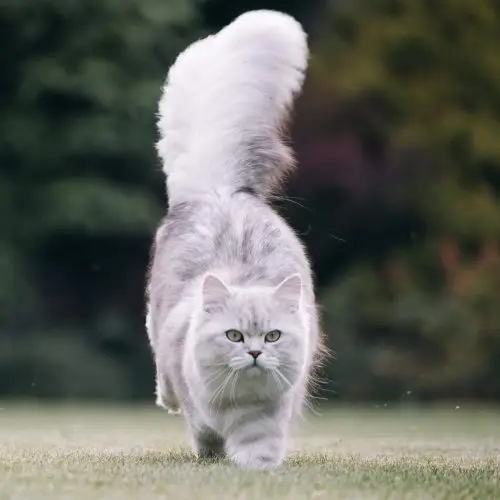
Maine Coons are known for their long, bushy tails. These tails keep them warm in cold weather. They also help with balance when climbing or jumping. The bushy tail acts like a blanket when the cat curls up to sleep.
Thin And Whip-like Tails
Siamese cats have thin, whip-like tails. These tails are very flexible and help with quick movements. They also show emotions clearly, waving or twitching when the cat is alert or annoyed. The thin tail fits their sleek, slender body shape.
Common Tail Issues
Cats rely heavily on their tails for balance, communication, and even expressing emotions. However, tails can face several issues that might affect your cat’s health and behavior. Understanding these common tail problems helps you spot trouble early and ensure your feline friend stays comfortable and happy.
Injuries And Breaks
Tails are prone to injuries, especially if your cat is adventurous or spends time outdoors. Accidents like getting the tail caught in doors or fights with other animals can cause bruises, cuts, or even breaks. If you notice your cat limping, holding their tail awkwardly, or showing signs of pain when touched, these could be signals of a tail injury.
It’s easy to overlook tail injuries since cats often hide pain well. But a broken tail can lead to infections or nerve damage if untreated. Have you ever seen your cat flicking its tail unusually or dragging it behind? That might be a sign to check with your vet immediately.
Medical Conditions
Beyond physical injuries, medical issues like infections, arthritis, or nerve problems can affect your cat’s tail. Infections often come from wounds or bites and can cause swelling, redness, and discomfort. Arthritis, while more common in older cats, can make tail movement stiff and painful.
Sometimes, neurological problems affect the tail’s function, causing twitching or paralysis. These symptoms might indicate deeper health concerns needing professional care. Have you noticed your cat’s tail behaving strangely or looking swollen? Early attention can prevent complications and keep your cat’s tail healthy.
Caring For Your Cat’s Tail
Caring for your cat’s tail is important for its health and balance. The tail helps your cat move and express feelings. Keeping the tail clean and injury-free supports your cat’s well-being.
Keep The Tail Clean
Regularly check your cat’s tail for dirt or debris. Use a soft, damp cloth to gently wipe it if needed. Avoid harsh chemicals that can irritate the skin. Clean tails prevent infections and bad smells.
Watch For Signs Of Injury
Look for cuts, swelling, or unusual behavior with the tail. Cats may hide injuries, so observe carefully. If the tail is painful or bleeding, visit a vet quickly. Early care helps avoid serious problems.
Protect The Tail From Trauma
Keep your cat away from dangers that can hurt its tail. Avoid closing doors on the tail or rough handling. If your cat goes outside, check the tail regularly for bumps or wounds.
Trim Tail Hair If Needed
Long hair on the tail can tangle or trap dirt. Trim the hair gently with pet-safe scissors to avoid knots. This helps keep the tail neat and healthy.
Provide Comfort During Illness
If your cat has a tail injury or illness, create a calm space. Limit its movement to prevent further damage. Follow vet instructions for care and medicine.

Credit: www.aol.com
Frequently Asked Questions
Why Do Cats Use Their Tails For Balance?
Cats use their tails to maintain balance while climbing or running. The tail acts as a counterweight, helping them make sharp turns and land safely from heights. It is essential for their agility and coordination in various movements.
How Do Tails Help Cats Communicate Emotions?
Cats use their tails to express feelings like happiness, anger, or fear. Tail position and movement signal their mood to other cats and humans. This nonverbal communication helps avoid conflicts and strengthens social bonds.
Can Cats Live Without Tails?
Yes, cats can live without tails, but they may face balance challenges. Some cats lose tails due to injury or birth defects. They adapt by using other body parts to maintain stability and mobility.
Do All Cat Breeds Have Tails?
Most cat breeds have tails, but some like the Manx breed are naturally tailless. Tail length and shape vary across breeds, affecting their balance and communication styles. Tails play different roles depending on the breed.
Conclusion
Cats use their tails for balance and communication. Tails help them move quickly and stay steady. They also show how cats feel to others. Without tails, cats might find it harder to jump or run. Their tails play a big role in their daily life.
Understanding why cats need tails helps us care for them better. Tails are more than just a part of their body—they are key to their behavior and movement. Cats truly rely on their tails in many ways.
