

Have you ever wondered why your cat needs shots? You might think they’re just another trip to the vet, but these vaccines are more important than you realize.
They protect your furry friend from serious diseases that can be hard to spot until it’s too late. Understanding why your cat needs shots will help you keep them healthy and happy for years to come. Keep reading to discover the key reasons behind vaccinations and how they make a real difference in your cat’s life.
Credit: www.diamondpet.com
Importance Of Vaccinations
Vaccinations play a vital role in keeping cats healthy. They protect cats from serious illnesses that can cause pain or even death. Regular shots help build strong defenses in a cat’s body against harmful viruses and bacteria.
Vaccines also reduce the risk of disease outbreaks among pets. This keeps the whole community safer. Vaccination is a simple step that adds years to a cat’s life.
Protecting Against Common Diseases
Cats face many common diseases such as feline distemper, rabies, and respiratory infections. Vaccinations help the immune system recognize and fight these diseases fast. This reduces the chance of severe symptoms or death. Without shots, cats are vulnerable to infections that spread easily in places like shelters or neighborhoods.
Preventing Spread To Other Pets
Sick cats can pass diseases to other animals. Vaccination lowers the chance of spreading infections in multi-pet homes or public places. Healthy cats help keep other pets safe. Protecting one cat often means protecting many others nearby.
Safeguarding Human Health
Some cat diseases can infect humans too. Rabies is a well-known example. Vaccinating cats lowers the risk of transmitting such diseases to people. This is especially important for children or those with weak immune systems. A vaccinated cat supports the health of the entire household.

Credit: millsanimalhospital.com
Types Of Cat Vaccines
Understanding the types of vaccines available for cats is essential for keeping your furry friend healthy. Vaccines protect against various diseases, some of which can be life-threatening or highly contagious. Knowing the difference between core and non-core vaccines helps you make informed decisions about your cat’s health care.
Core Vaccines
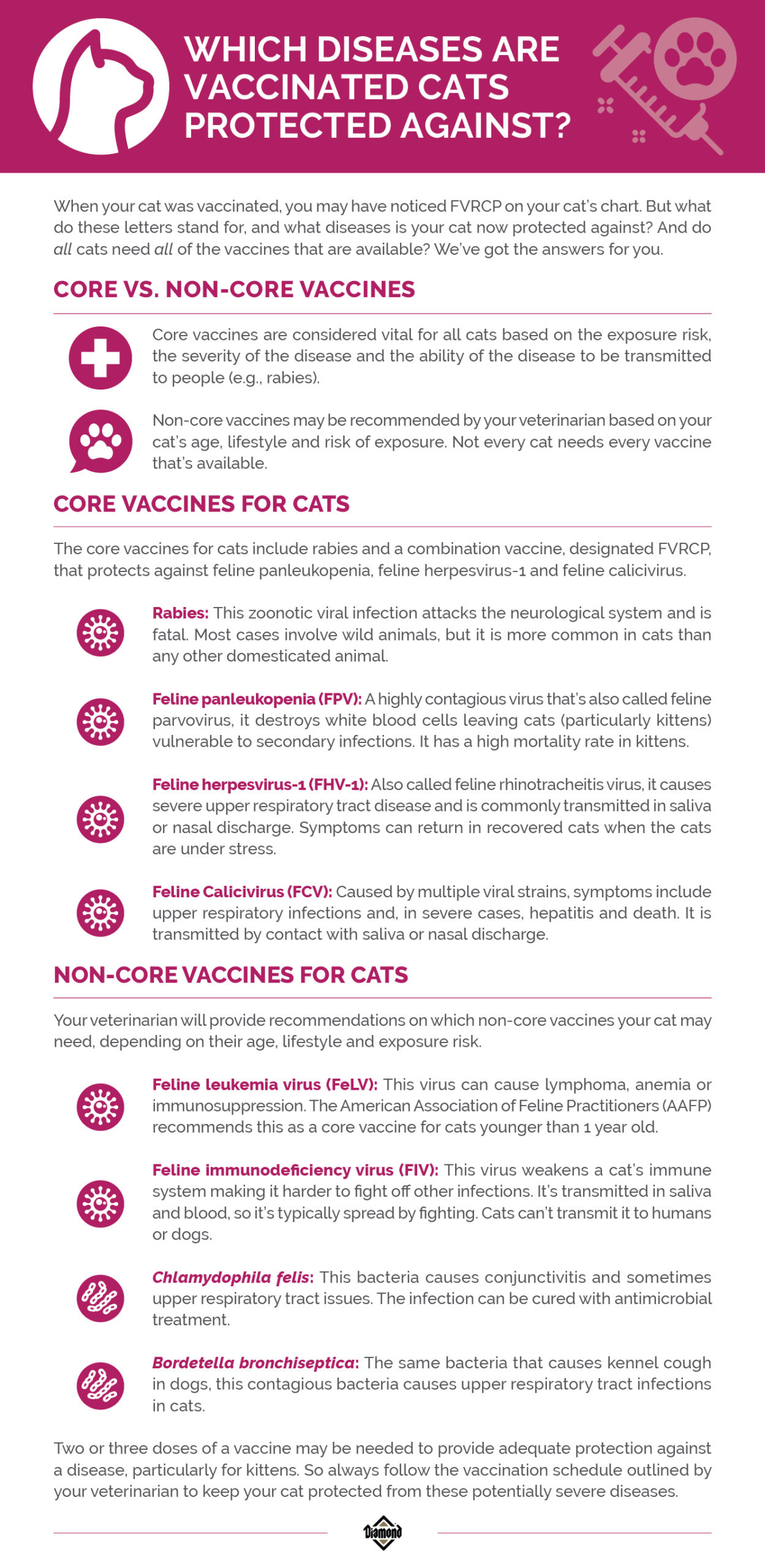
Core vaccines are essential for all cats because they protect against diseases that are common, severe, or easily spread. These include:
- Feline Panleukopenia (Distemper):A deadly viral infection that affects a cat’s immune system.
- Feline Herpesvirus (Rhinotracheitis):Causes respiratory illness and eye problems.
- Feline Calicivirus:Another respiratory virus that can cause mouth ulcers and pneumonia.
- Rabies:A fatal disease that affects the nervous system and can spread to humans.
These vaccines are recommended for every cat, regardless of their lifestyle or environment. Skipping these could expose your cat to serious health risks.
Non-core Vaccines
Non-core vaccines are given based on your cat’s lifestyle, location, and exposure risk. Not all cats need these, but they can be crucial for some. Examples include:
- Feline Leukemia Virus (FeLV):Recommended for outdoor cats or those in contact with other cats.
- Chlamydia:Protects against bacterial infections causing eye problems.
- Bordetella:A vaccine for cats in multi-cat environments or shelters.
Think about your cat’s daily routine and surroundings. Does your cat visit boarding facilities or interact with many other cats? This can help decide if non-core vaccines are necessary.
When And How Often To Vaccinate
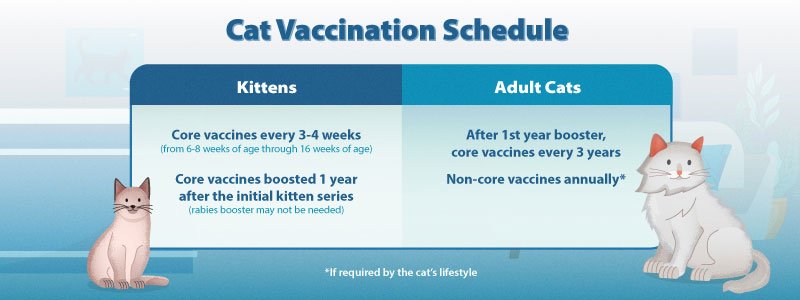
Kittens usually start their vaccines at around 6 to 8 weeks old, with boosters every 3 to 4 weeks until they are about 16 weeks old. Adult cats need booster shots regularly to maintain immunity.
Typically, boosters are given annually or every three years, depending on the vaccine and your vet’s advice. Keeping a vaccination schedule is key to ensuring your cat stays protected.
Have you checked your cat’s vaccine history lately? Staying on top of this can prevent diseases before they start.
Health Benefits Of Vaccinations
Vaccinations play a crucial role in keeping cats healthy. They prepare the cat’s body to fight diseases. This preparation helps cats stay strong and avoid serious health issues. Vaccines support overall well-being and protect cats from many harmful infections.
Boosting Immune System
Vaccines train a cat’s immune system to recognize harmful germs. They expose the body to a small, safe part of a virus or bacteria. This exposure helps the immune system build defenses. When the cat meets the real disease, it can fight it faster and better.
Reducing Risk Of Severe Illness
Shots lower the chance that cats will get very sick. Diseases like feline leukemia, rabies, and distemper can be deadly. Vaccinations reduce the spread and impact of these illnesses. Cats that get vaccines often avoid long hospital visits and pain.
Enhancing Longevity And Quality Of Life
Healthy cats live longer and enjoy better days. Vaccinations prevent many illnesses that cause suffering and early death. By protecting cats, vaccines help them stay active and playful. A vaccinated cat usually has a happier, healthier life.
Risks Of Skipping Shots
Skipping vaccinations puts cats at serious risk. Their immune systems stay unprotected against harmful diseases. This increases chances of illness and suffering. Understanding these risks helps pet owners make smart choices.
Increased Vulnerability To Infections
Without shots, cats face more infections. Vaccines build defense against viruses and bacteria. Missing vaccines leaves cats open to diseases like rabies and feline leukemia. These infections can cause severe health problems or death.
Potential For Outbreaks
Unvaccinated cats can spread diseases to others. This can lead to outbreaks in neighborhoods or shelters. Healthy cats risk catching illnesses from infected ones. Vaccinating protects the entire cat community from epidemics.
Higher Treatment Costs
Treating vaccine-preventable diseases costs more than shots. Illnesses often require long, expensive care. Emergencies and hospital visits add up quickly. Vaccines save money by avoiding these costly treatments.
Vaccination Myths And Facts
Vaccination is a key part of keeping cats healthy. Many myths surround cat vaccines, causing worry for pet owners. Clearing these myths helps owners make smart choices. Understanding facts can protect cats from serious diseases.
Common Misconceptions
- Vaccines cause illness in cats.
- Indoor cats do not need shots.
- Vaccines cause harmful side effects often.
- Natural immunity is better than vaccination.
- Once vaccinated, cats never need boosters.
Many believe vaccines are unsafe or unnecessary. These ideas are not true and can put cats at risk.
Scientific Evidence Supporting Vaccines
Research shows vaccines protect cats from deadly diseases. Vaccines trigger the immune system to fight infections. Diseases like rabies, feline leukemia, and distemper become less common because of vaccines.
Studies confirm vaccines are safe with minor side effects. Side effects usually last a short time. The benefits of vaccination far outweigh the risks.
Addressing Concerns Safely
Discuss any vaccine worries with a veterinarian. They can explain risks and benefits clearly. Use trusted sources for vaccine information.
Follow the vet’s vaccine schedule to keep cats protected. Report any unusual reactions after vaccination. Proper care ensures the best health for your cat.
Credit: triangleanimalclinic.com
Caring For Your Cat Post-vaccination
Caring for your cat after vaccination helps ensure their health and comfort. Cats may feel tired or sore after shots. Gentle care supports their recovery and keeps them safe.
Observe your cat closely for any changes in behavior. Provide a quiet, warm place for rest. Offer fresh water and food, but do not force eating. Most cats bounce back quickly with simple care.
Monitoring Side Effects
Watch for common side effects like mild swelling or redness at the injection site. Your cat may be sleepy or less active than usual. Some cats may have a slight fever or loss of appetite.
These symptoms usually go away within 24 to 48 hours. If your cat shows unusual signs, keep notes on their condition. This information helps your vet if you need advice later.
When To Contact A Vet
Call your veterinarian if you notice:
- Severe swelling or pain at the injection site
- Difficulty breathing or coughing
- Persistent vomiting or diarrhea
- High fever lasting more than two days
- Unusual behavior such as aggression or extreme lethargy
Early contact with your vet can prevent serious problems. Don’t hesitate to ask questions about your cat’s health.
Maintaining Regular Vet Visits
Keep a schedule for your cat’s vaccinations and check-ups. Regular vet visits help track your cat’s overall health. Your vet can update vaccines and spot issues early.
Bring your cat’s vaccination records to each visit. This helps your vet plan the best care. Routine visits are a key part of long-term cat health.
Frequently Asked Questions
Why Are Shots Important For Cats’ Health?
Shots protect cats from deadly diseases like rabies and feline leukemia. Vaccines boost their immune system to fight infections effectively. Regular vaccinations ensure long-term health and prevent costly treatments later.
What Vaccines Do Cats Usually Need?
Core vaccines include rabies, feline distemper, and calicivirus. Non-core vaccines depend on the cat’s lifestyle and exposure risk. Your vet will recommend the best vaccine plan for your cat’s safety.
How Often Should Cats Get Shots?
Kittens need a series of vaccines starting at six weeks old. Adult cats require booster shots every one to three years. Regular vet visits help keep vaccinations up to date.
Can Shots Cause Side Effects In Cats?
Mild side effects like soreness or fatigue are common and short-lived. Serious reactions are rare but require immediate vet attention. Monitoring your cat after vaccination ensures their safety.
Conclusion
Cats need shots to stay healthy and avoid serious sickness. Vaccines protect them from dangerous viruses and bacteria. Regular shots help keep your pet safe and strong. Missing vaccines can lead to costly vet visits and pain for your cat.
Shots also protect other animals and people around them. Keep a vaccination schedule and talk to your vet often. Healthy cats live longer and happier lives. Shots are a small step for big health benefits. Simple, effective, and important.
