

Have you ever wondered why your cat insists on using a litter box? It’s more than just a habit—it’s a vital part of their health and happiness.
Understanding why cats need litter boxes can help you create a cleaner, more comfortable home for both of you. You’ll discover the simple reasons behind this behavior and learn how to make your cat’s litter box experience stress-free and effective.
Keep reading to unlock the secrets of keeping your feline friend content and your living space fresh.
:max_bytes(150000):strip_icc():focal(1999x0:2001x2)/peo-cat-litter-boxes-may-24-test-iprimio-enclosed-stainless-steel-xl-tracy-allison-43-42c40586ffd2487bae91a3e1cf4f7071.jpeg)
Credit: people.com
Cat Hygiene Needs
Cats are naturally clean animals, and their hygiene needs are a key reason why litter boxes are essential in your home. Providing a designated place for your cat to relieve itself helps maintain cleanliness for both your pet and your living space. Understanding these needs can improve your cat’s comfort and health.
Natural Instincts
Cats have a built-in desire to bury their waste. This behavior comes from their wild ancestors who hid their scent to avoid predators. If your cat doesn’t have a proper litter box, they might try to find other places to dig and cover up, which can lead to messes around your home.
Have you noticed your cat digging or pawing at the floor? This is their natural urge to cover their waste. A clean, accessible litter box satisfies this instinct and reduces stress for your cat.
Health Benefits
Using a litter box regularly helps keep your cat healthy. It makes it easier for you to monitor their bathroom habits, which can be an early sign of health problems like urinary tract infections or kidney issues.
Ignoring your cat’s hygiene needs can lead to infections or discomfort. A clean litter box encourages them to relieve themselves properly, preventing potential health risks. Would you want to miss early signs of illness because your cat is hiding where they go?
Credit: www.petmd.com
Types Of Litter Boxes
Cats need litter boxes to keep their bathroom habits clean and contained. Choosing the right type of litter box can help both you and your cat stay happy. Different styles suit different cats and homes. Understanding the options helps you pick what fits best.
Open Vs Covered
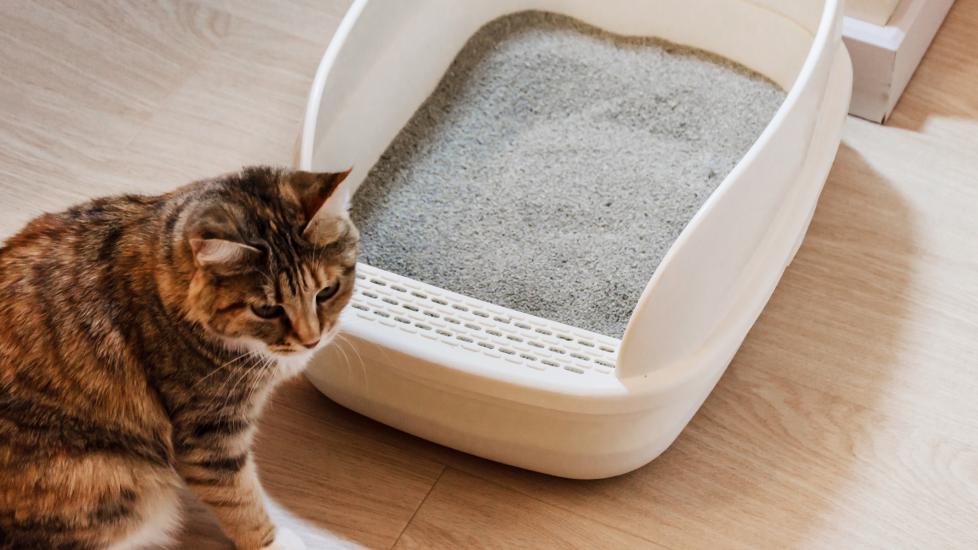
Open litter boxes have no lid or walls around the top. Cats can easily enter and exit. These boxes offer good ventilation and reduce smells. They are simple to clean and allow you to see inside quickly.
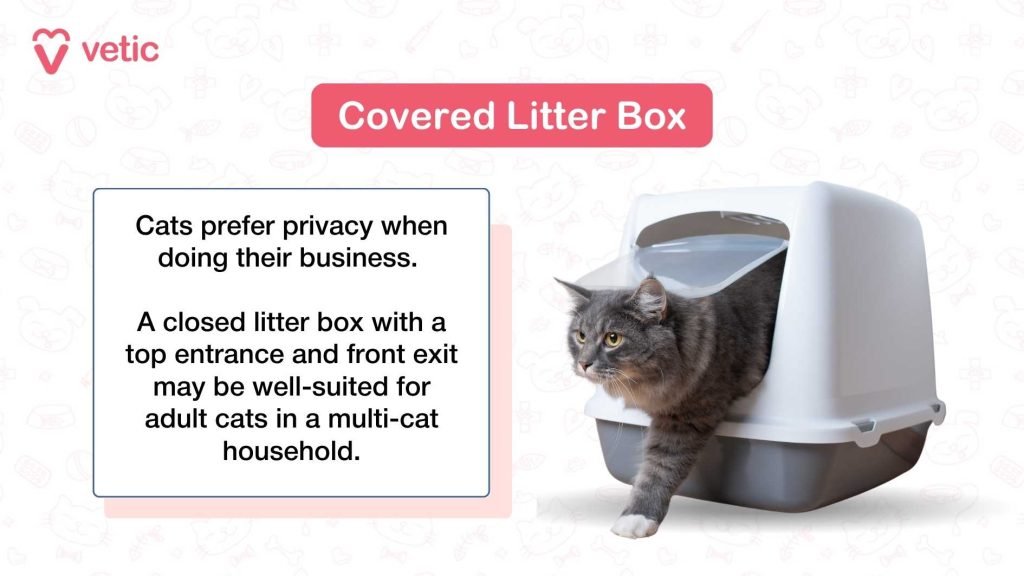
Covered litter boxes have a lid or hood that hides the litter inside. This helps control odor and gives cats privacy. Some cats like the enclosed space, while others may feel trapped. Covered boxes can reduce litter scatter but need more cleaning effort.
Self-cleaning Options
Self-cleaning litter boxes use sensors and motors to remove waste automatically. These boxes save time and keep the area tidy. They usually rake or scoop waste into a separate container.
While convenient, self-cleaning boxes need power and can be costly. Some cats may need time to adjust to the noise and motion. Regular maintenance is still important to keep them working well.
Choosing The Right Litter
Choosing the right litter is crucial for your cat’s comfort and hygiene. Cats are picky about their bathroom habits. The litter you select affects their willingness to use the box. It also impacts odor control and ease of cleaning for you. Understanding different litter types helps in making the best choice for your pet.
Material Varieties
Cat litter comes in several materials. Each has unique features and benefits.
- Clay:Common and affordable. Clumps well for easy cleaning.
- Silica Gel:Absorbs moisture and controls odor. Low dust but can be pricier.
- Biodegradable:Made from natural items like corn or wood. Eco-friendly and safe.
- Recycled Paper:Soft and dust-free. Good for cats with allergies.
Pick a material that matches your cat’s needs and your cleaning habits.
Scented Vs Unscented
Scented litters mask odors with fragrances. Some cats dislike strong smells. This can cause them to avoid the litter box.
Unscented litters offer natural odor control without added perfume. They are usually safer for sensitive cats and humans.
Observe your cat’s reaction to scented or unscented options. Choose what keeps your cat comfortable and your home fresh.
Placement Tips
Choosing the right spot for your cat’s litter box is key to keeping them happy and clean. The placement affects how often your cat uses it and how comfortable they feel. A good location helps avoid accidents and keeps your home smelling fresh.
Think about your cat’s habits and preferences. They like privacy but also need easy access. The right place balances these needs and fits well within your living space.
Ideal Locations
- Quiet areas away from loud noises and busy spots
- Near where your cat spends most time relaxing
- Places with good ventilation to reduce odors
- Avoid areas near your cat’s food and water bowls
- Easy for you to clean and maintain regularly
Avoiding Common Mistakes
- Don’t place the box in cramped or hard-to-reach spots
- Avoid areas with strong smells or chemicals
- Never put the litter box near noisy appliances
- Don’t change the location too often to prevent confusion
- Ensure the spot is safe and free from hazards
Training Your Cat
Training your cat to use a litter box is important for a clean home and a happy pet. Cats have natural instincts to bury their waste, but they need guidance to use the box correctly. Patience and consistency make the process easier for both you and your cat.
Introducing The Box
Place the litter box in a quiet, easy-to-reach spot. Avoid noisy or busy areas. Show your cat the box and gently place them inside after meals and naps. Let your cat explore the box without pressure. Keep the box clean to encourage use. Use unscented, clumping litter to attract your cat. Watch your cat’s behavior and praise them when they use the box.
Handling Accidents
Accidents happen. Never punish your cat for mistakes. Clean the area thoroughly with an enzyme cleaner to remove odors. This helps prevent repeat accidents in the same spot. Observe if the box location or litter type causes problems. Try changing the box or litter if needed. Keep extra boxes if you have multiple cats. Patience and gentle correction build good habits over time.
Cleaning And Maintenance
Keeping your cat’s litter box clean is essential not just for hygiene but also for your cat’s comfort and health. A well-maintained litter box encourages your cat to use it consistently, preventing unwanted accidents around your home. Let’s dive into what daily care and deep cleaning involve to keep the litter box fresh and inviting.
Daily Care
Daily care means scooping out clumps and solid waste every day. This simple routine helps control odors and keeps the litter box pleasant for your cat.
Use a scoop with slotted holes to remove waste without taking too much clean litter. Make sure to stir the litter lightly to keep it from becoming hard-packed.
Do you notice your cat avoiding the box sometimes? It could be due to how often you clean it. Cats have a strong sense of smell and prefer a clean environment.
Deep Cleaning
Deep cleaning involves emptying the litter box completely and washing it thoroughly at least once a week.
Use warm water and mild, unscented soap to scrub away any residue. Avoid harsh chemicals that might repel your cat or irritate their paws.
After washing, dry the box fully before adding fresh litter. This prevents clumping issues and keeps the litter dry.
Have you tried replacing the litter type during deep cleaning? Sometimes, switching to a dust-free or clumping litter can improve your cat’s experience.
Behavioral Issues
Behavioral issues in cats often stem from confusion or discomfort around their litter boxes. When cats avoid their litter boxes, it’s usually a sign of distress or dissatisfaction rather than simple stubbornness. Understanding why your cat might reject their litter box can help you address the root cause before it turns into a habit that’s hard to break.
Avoiding Litter Box Aversion
Cats are very particular about cleanliness and comfort. If the litter box isn’t cleaned regularly, your cat may find it unpleasant and look for alternative places. Try to scoop the box at least once a day and change the litter completely once a week.
Think about the location of the litter box. Is it too noisy, too crowded, or hard to reach? Cats prefer quiet, private spots. Moving the box to a calm area can make a big difference.
The type of litter matters too. Some cats hate scented litters or certain textures. You might need to experiment with different types like clumping, non-clumping, or natural litter to find what your cat prefers.
When To Consult A Vet
Sometimes litter box problems signal a health issue. If your cat suddenly stops using the litter box or urinates outside it frequently, a vet visit is essential. Conditions like urinary tract infections, kidney problems, or arthritis can make using the box painful.
Your vet can run tests and provide treatment that might immediately improve your cat’s behavior. Ignoring these signs can lead to worsening health and more severe behavioral problems.
Have you noticed changes in your cat’s litter box habits? Don’t delay in seeking professional advice. Your cat’s wellbeing depends on your attention to these early signs.
:max_bytes(150000):strip_icc()/iprimio-enclosed-stainless-steel-xl-litter-box-8ef5bfe20a8348c98cc1f668c7a41ca7.jpg)
Credit: people.com
Frequently Asked Questions
Why Do Cats Prefer Litter Boxes For Elimination?
Cats instinctively bury their waste for hygiene and safety. Litter boxes mimic this natural behavior, offering a clean, private spot for elimination. This prevents messes and keeps your home odor-free. Proper litter box use supports cats’ comfort and well-being.
How Often Should A Cat’s Litter Box Be Cleaned?
A cat’s litter box should be scooped daily to maintain cleanliness. Full litter must be replaced weekly to prevent odor and bacteria. Regular cleaning encourages cats to use the box consistently and reduces the risk of litter box avoidance.
Can Cats Use Any Type Of Litter Box?
Cats generally prefer covered or uncovered boxes depending on personality. Size matters; boxes should be large enough for easy movement. The litter type also affects use; unscented, clumping litter is often favored. Observing your cat’s preferences helps choose the best box.
Why Is Litter Box Training Important For Cats?
Litter box training teaches cats where to eliminate, preventing accidents. It helps maintain household cleanliness and reduces stress for both cat and owner. Early training ensures cats develop good habits and adapt easily to home environments.
Conclusion
Cats need litter boxes to stay clean and healthy. They use them to bury their waste naturally. This helps keep your home fresh and odor-free. Providing a litter box shows respect for your cat’s habits. It also makes training easier and reduces accidents.
Choosing the right box and keeping it clean is key. A happy cat means a happy home. Simple care goes a long way in making your cat comfortable. Remember, a litter box is a must-have for every cat owner.
