

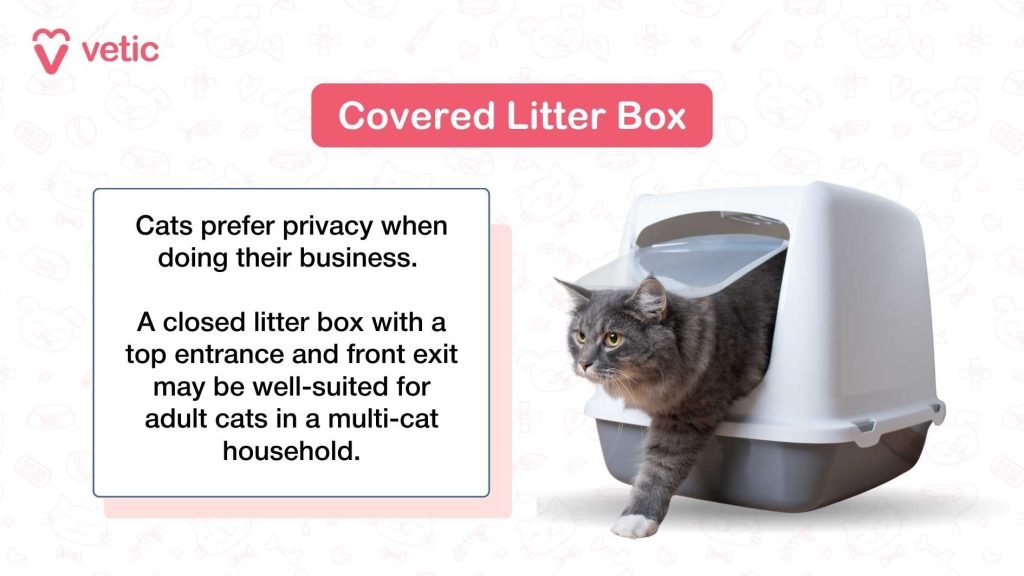
Have you ever wondered why your cat seems so particular about where it goes to the bathroom? You might think a simple spot on the floor would do, but cats need litter for a very important reason.
Understanding why your cat needs litter can make a big difference in keeping your home clean and your furry friend happy. You’ll discover the surprising reasons behind this essential part of your cat’s routine—and how choosing the right litter can improve both your lives.
Keep reading to find out what every cat owner should know!

Credit: meowant.com
Natural Instincts
Cats have deep-rooted natural instincts that guide their behavior, especially when it comes to their bathroom habits. Understanding these instincts helps you provide the right environment for your feline friend. One of the key reasons cats need litter is because it taps into these ingrained behaviors.
Evolutionary Behaviors
Wild cats bury their waste to avoid attracting predators. This instinctive action keeps them safe by masking their scent. Even domestic cats retain this behavior, so they naturally want a place where they can dig and cover their waste.
If you notice your cat scratching around in the litter box, it’s fulfilling this instinct. Without litter, they might try to find other soft surfaces to dig into, which can lead to unwanted messes in your home.
Territory Marking
Cats use their waste as a way to mark territory. They have scent glands in their paws and use their feces and urine to communicate with other cats. Providing a litter box gives them a controlled space to mark their territory without causing conflict.
Have you ever found your cat marking outside the litter box? This often happens when they don’t have a clean or comfortable place to do it. A well-maintained litter box respects their need to communicate while keeping your home clean.
Hygiene And Health
Keeping your cat’s environment clean is crucial for their well-being. A proper litter setup goes beyond convenience—it plays a direct role in maintaining your cat’s hygiene and health. Understanding how litter helps in these areas can motivate you to choose the best option for your furry friend.
Disease Prevention
Dirty litter boxes can become breeding grounds for harmful bacteria and parasites. These pathogens can cause urinary tract infections, skin issues, and even more serious illnesses in cats. By providing clean litter, you reduce the risk of your cat coming into contact with disease-causing organisms.
Regularly scooping and changing the litter prevents buildup of germs. Have you ever noticed your cat avoiding the litter box? It might be trying to escape an unhealthy environment. Keeping the box fresh encourages regular use, which helps you monitor your cat’s health through their waste.
Odor Control
Strong odors from waste can be unpleasant for both you and your cat. Litter that effectively absorbs moisture and neutralizes smells keeps your home smelling fresh. This is important because lingering odors can stress your cat, affecting their overall comfort and behavior.
Choosing a litter with good odor control means less frequent cleaning and a happier cat. Have you thought about how odors influence your cat’s willingness to use the box? A well-maintained litter area makes your cat more likely to stick to healthy bathroom habits.
Comfort And Stress Relief
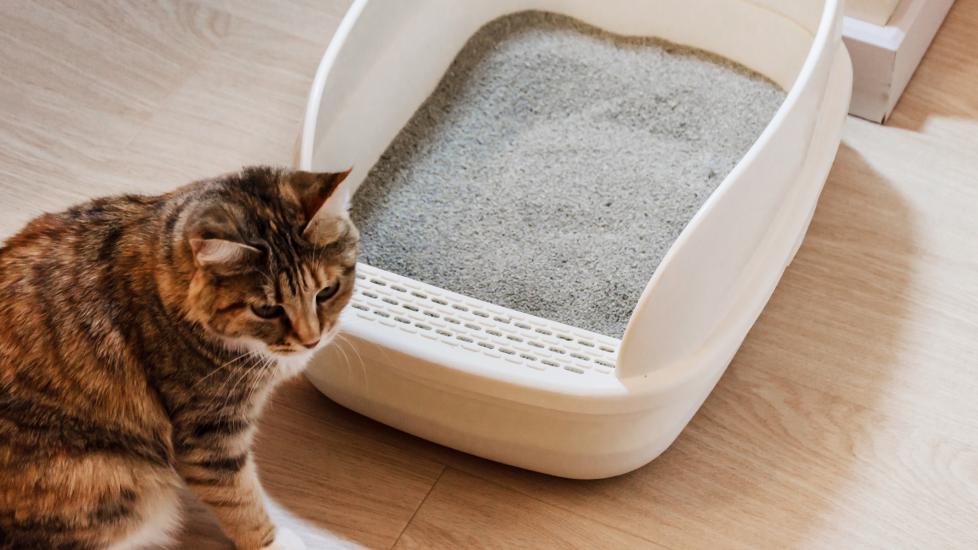
Comfort and stress relief are crucial reasons why cats need a proper litter box. Cats are sensitive creatures who seek a calm and secure spot to handle their bathroom needs. Providing them with the right litter setup can greatly reduce anxiety and make their daily routine more comfortable.
Privacy Needs
Cats value privacy when they use their litter box. A quiet, secluded area helps them feel safe and reduces the chance of accidents outside the box.
Have you noticed your cat avoiding the litter box when guests are around? This behavior shows how important privacy is for them. Positioning the litter box in a low-traffic area can ease their stress and encourage consistent use.
Safe Environment
Creating a safe environment around the litter box is essential for your cat’s peace of mind. Avoid placing the box near loud appliances or busy rooms where sudden noises can startle them.
Think about your own need for a calm bathroom space. Your cat feels the same. A stable, clean, and odor-free litter box area reassures them and lowers stress levels.
Credit: www.petmd.com
Training And Adaptation
Understanding how cats learn to use litter is key to helping them adjust quickly and comfortably. The training and adaptation process not only saves you stress but also builds a positive routine for your feline friend. Let’s look at how this works in real life and why it’s important.
Ease Of Training
Cats naturally prefer to bury their waste. This instinct makes litter training surprisingly straightforward for most cats. You just need to provide a clean, accessible litter box in a quiet spot.
When I introduced a litter box to my new cat, she immediately started using it without hesitation. It showed me how powerful a cat’s natural habits are. If your cat resists at first, try placing the litter box where they usually go, then gently guide them to it.
Consistency is key. Keep the box clean and use the same type of litter to avoid confusing your cat. Have you noticed how a messy or smelly box can deter your cat? Staying on top of cleaning makes training easier.
Behavioral Adaptation
Cats adapt their behavior based on their environment and your interaction with them. If a cat has a bad experience with the litter box, like loud noises or discomfort, it might avoid using it.
Think about your cat’s reactions and environment. Is the litter box in a busy hallway or near noisy appliances? Moving it to a calm, private area can encourage better habits.
Some cats prefer certain litter textures or box shapes. Offering options can help you find what your cat likes best. Have you tried different litters or boxes to see your cat’s preference? This trial can make a big difference in their adaptation.
Remember, patience and observation are your best tools here. Watch your cat’s behavior closely and adjust as needed to help them feel safe and comfortable. Your attention can turn the litter box from a challenge into a smooth routine.
Environmental Considerations
Thinking about the environmental impact of your cat’s litter is more important than you might realize. The choices you make not only affect your home’s cleanliness but also the planet’s health. Understanding these environmental considerations helps you select litter that supports a sustainable lifestyle without compromising your cat’s comfort.
Eco-friendly Options
Many traditional cat litters are made from clay, which requires strip mining and can harm ecosystems. Choosing eco-friendly litters made from materials like recycled paper, wood pellets, or corn can reduce this impact significantly.
Some brands even offer biodegradable litters that break down naturally in compost. This means less waste in landfills and a smaller carbon footprint. Have you ever tried a natural litter and noticed how it controls odor without harsh chemicals?
Waste Management
Properly managing cat litter waste is crucial for reducing environmental harm. Flushing litter down the toilet can contaminate water systems, so it’s best to dispose of it in sealed bags.
Consider using litter boxes with liners or trays that make scooping easier and cleaner. This not only keeps your home fresh but also helps you manage waste more responsibly.
What small changes in your litter routine could help protect your local environment? Even simple habits like scooping daily and using compostable bags make a difference.
Choosing The Right Litter
Choosing the right litter is important for your cat’s comfort and hygiene. The perfect litter keeps your home clean and your cat happy. Cats have different preferences and needs. Selecting the best litter helps avoid accidents and odors. It also makes cleaning easier for you.
Types Of Litter
- Clumping Clay:Absorbs moisture and forms clumps for easy cleaning.
- Non-Clumping Clay:Absorbs moisture but does not form clumps; needs frequent changing.
- Silica Gel:Controls odor well and lasts longer but can be dusty.
- Biodegradable:Made from natural materials like corn, wheat, or pine; eco-friendly.
- Recycled Paper:Dust-free and soft but less odor control.
Factors To Consider
- Dust Level:Low dust is better for cats and humans with allergies.
- Odor Control:Choose litter that controls smell well to keep your home fresh.
- Texture:Some cats prefer soft litter; others like firmer texture.
- Clumping Ability:Clumping litter makes cleaning easier and faster.
- Environmental Impact:Biodegradable litters are better for the planet.
- Cost:Find litter that fits your budget without sacrificing quality.

Credit: www.tippaws.com
Frequently Asked Questions
Why Is Litter Important For Cats?
Litter provides cats a clean, private spot to relieve themselves. It helps control odor and keeps your home hygienic. Cats naturally bury their waste, so litter fulfills this instinct and prevents accidents around the house.
How Does Litter Benefit Cat Hygiene?
Litter absorbs moisture and traps odors, keeping cats dry and clean. It reduces bacteria growth and prevents infections. Regular litter maintenance supports your cat’s health and comfort.
Can Cats Use Any Type Of Litter?
Not all litters suit every cat. Cats prefer unscented, clumping, and dust-free litters. Choosing the right litter enhances litter box use and avoids behavioral issues.
How Often Should Cat Litter Be Changed?
Daily scooping and weekly full litter replacement is ideal. Frequent cleaning prevents bad smells and keeps cats comfortable. This routine promotes good litter box habits.
Conclusion
Cats need litter to keep their space clean and safe. It helps them bury waste, which feels natural to cats. Using litter reduces bad smells in your home. It also keeps your cat’s paws clean and healthy. Providing litter shows you care about your cat’s comfort.
A happy cat uses the litter box without problems. Simple, easy, and important for both cats and owners. Remember, a good litter box makes life better for everyone.
