


Have you ever stopped to wonder why your cat has a tail? It’s more than just a cute fluff at the back.
Your cat’s tail plays a big role in their balance, communication, and even their mood. Understanding why cats need their tails can change the way you see your furry friend. Keep reading, and you’ll discover surprising facts that will deepen your connection with your cat and help you care for them better.

Credit: www.aol.com
Balance And Coordination
The tail plays a crucial role in a cat’s balance and coordination. Cats are known for their agility and graceful movements. Their tails help maintain stability during various activities. This section explores how tails assist in walking, running, and jumping.
Role In Walking And Running
The tail acts as a counterbalance when a cat walks or runs. It helps keep the body steady and aligned. Cats adjust their tail position to stay balanced on narrow paths. During fast running, the tail shifts to balance sharp turns.
This balance allows cats to move quietly and smoothly. Without a tail, cats would struggle to keep their body steady. Their movements would become clumsy and less precise.
Impact On Jumping Abilities
Tails help cats control their body in mid-air. When jumping, cats swing their tails to adjust their direction. This movement improves accuracy and landing safety.
The tail also helps cats twist their bodies to land on their feet. This reflex is vital for avoiding injuries. A tail-less cat may find it hard to maintain this control.
Communication Tool
The tail is more than just a physical feature for cats; it acts as a crucial communication tool. Cats use their tails to send clear signals about their feelings and intentions. Understanding these signals can deepen your connection with your feline friend and help you read their mood more accurately.
Expressing Emotions
Your cat’s tail can reveal a wide range of emotions. A tail held high often means confidence and happiness, while a tucked tail signals fear or submission. Have you noticed your cat’s tail puff up suddenly? That’s a sign they’re startled or feel threatened.
Sometimes, a slow tail flick shows mild irritation or focus. Paying attention to these subtle movements can help you respond appropriately to your cat’s needs.
Interacting With Other Cats
Cats also use their tails to communicate with one another. A raised tail is a friendly greeting, showing openness to interaction. On the other hand, a tail that lashes back and forth can warn other cats to stay away.
During play or conflict, tail position and movement provide important clues about a cat’s intentions. Watching these signals can help you understand how your cat navigates social situations and maintains peace.
Hunting And Survival
Understanding why cats have tails is key to appreciating their hunting skills and survival tactics. The tail plays a crucial role beyond just balance; it helps cats move quietly and even tricks their prey. This makes the tail an essential tool in a cat’s natural arsenal.
Aid In Stealthy Movements
Your cat’s tail acts like a steering wheel when it moves silently through grass or stalks a bird. It helps maintain balance and fine-tunes body position, allowing for precise, controlled steps. Without this subtle adjustment, a cat might make noise or lose its footing, alerting prey.
Think about watching a cat in your garden. Its tail flicks slightly as it crouches low, ready to pounce. This small movement stabilizes the cat and helps it stay undetected, increasing the chance of a successful hunt.
Tail As A Distraction
Cats sometimes use their tails to divert attention during a hunt or an escape. When a predator or prey focuses on the moving tail, it can be momentarily distracted from the cat’s actual position. This brief confusion can give the cat a vital split second to strike or slip away.
Ever noticed how a cat might wag or twitch its tail before lunging? This behavior isn’t just random; it can serve as a clever distraction. Your cat’s tail can be a tool for survival, confusing others while it gains the upper hand.

Credit: wamiz.co.uk
Thermoregulation
Thermoregulation is a key function of a cat’s tail that often goes unnoticed. It helps cats maintain a stable body temperature, which is crucial for their survival and comfort. Understanding how tails aid in temperature control can change how you perceive your feline friend’s behavior.
Tail In Temperature Control
Your cat’s tail acts like a natural thermostat. In cold weather, cats wrap their tails around their bodies and faces to trap heat. This simple action helps keep them warm without needing extra energy.
On hot days, the tail helps release excess heat. Cats may flick or wave their tails to increase airflow and cool down. Have you noticed your cat’s tail movements on a warm afternoon? It’s more than just a sign of mood—it’s a cooling mechanism.
Adaptation To Various Climates
Different cat breeds show how tails adapt to climate. Arctic breeds, like the Norwegian Forest cat, have thick, bushy tails to provide insulation against freezing temperatures. They use their tails almost like a scarf, highlighting nature’s clever design.
In contrast, cats from warmer regions tend to have thinner tails with less fur. This adaptation helps them avoid overheating. Watching your cat’s tail can reveal clues about its origin and how it manages heat in your home.
Evolutionary Significance
The tail of a cat is not just for show. It holds deep evolutionary importance. Over millions of years, tails have helped cats survive and thrive. These animals rely on their tails for balance, communication, and agility. Understanding this helps us appreciate why cats still have tails today.
Comparison With Other Animals
Many animals have tails, but their uses differ widely. Some use tails for defense, like lizards that can drop their tails. Others use tails for swimming, such as fish and otters. Cats’ tails are more about balance and communication. Compared to dogs, whose tails mostly show emotion, cats have a more precise control over tail movements. This helps them in hunting and moving through trees or narrow spaces.
Evolution Of Tails In Cats
Early ancestors of cats had long, flexible tails. These tails helped them climb and keep steady on branches. Over time, cats evolved to have tails that support quick turns and sudden stops. The tail acts like a counterbalance during fast chases or jumps. Even wild big cats use their tails to maintain balance while stalking prey. The shape and length of the tail have adapted to suit different cat species’ lifestyles.
Tail Injuries And Adaptation
The tail is an essential part of a cat’s body, but it’s also vulnerable to injuries. Understanding the types of tail injuries and how cats adapt to them can help you care better for your feline friend. Many cat owners don’t realize how resilient cats can be, even after losing part or all of their tail.
Common Tail Injuries
Tail injuries happen more often than you might think. Cats can hurt their tails by getting them caught in doors, stepping on them, or even in fights with other animals.
- Fractures:These occur when bones in the tail break, often causing pain and swelling.
- Dislocations:The tail’s joints can get twisted or pulled out of place, leading to limited movement.
- Amputations:Sometimes, severe injuries require part or all of the tail to be removed.
If you notice your cat dragging its tail or showing signs of pain, it’s important to get a vet’s opinion quickly. Delays can lead to infections or long-term problems.
How Cats Adapt To Tail Loss
Many people worry that a cat without a tail will struggle to balance or communicate. While the tail is important, cats can adapt surprisingly well to its loss.
Balance may feel different at first, but cats adjust by using their other senses and body parts more effectively. Your cat might become more cautious jumping or climbing during this adjustment phase.
- Cats often rely more on their whiskers and inner ear for balance after tail loss.
- They learn new ways to express emotions through body language and vocal sounds.
- Some cats even become more agile, compensating for the missing tail in unique ways.
Have you ever noticed your cat’s behavior change after an injury? Observing these changes can help you support your pet better during recovery.
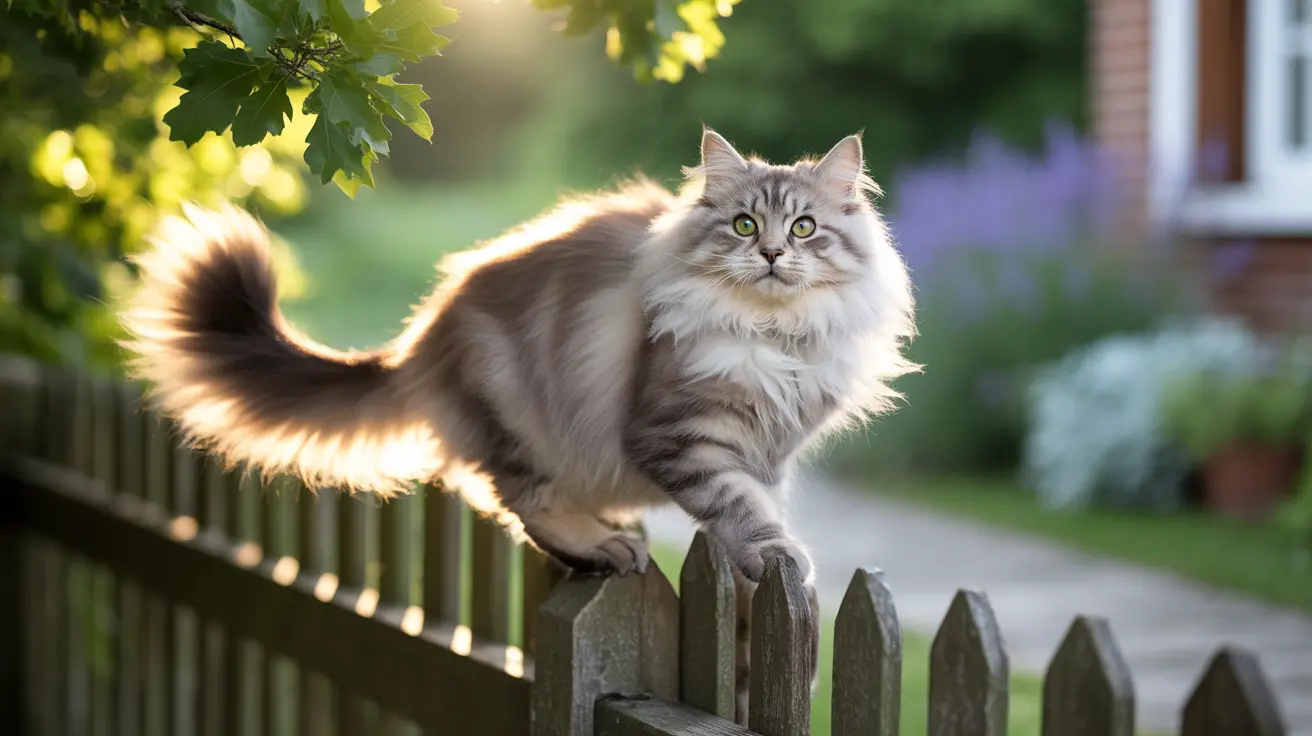
Credit: www.petscare.com
Frequently Asked Questions
Why Do Cats Use Their Tails For Balance?
Cats use their tails to maintain balance while running and climbing. The tail acts as a counterweight, helping cats make quick turns and land safely from jumps.
How Does A Cat’s Tail Communicate Emotions?
Cats use their tails to express feelings. A raised tail shows happiness, while a twitching tail may indicate irritation or excitement.
Can Cats Live Without Tails?
Yes, some cats live without tails due to genetics or injury. However, they may have slight balance challenges but adapt well over time.
Do All Cats Have Tails?
Most cats have tails, but some breeds like the Manx naturally have short or no tails. The tail length varies by breed and genetics.
Conclusion
Cats use their tails for balance, communication, and body control. A tail helps them walk on narrow spaces without falling. It shows how a cat feels, like happy or scared. Tails also help cats keep warm in cold weather. Losing a tail can make life harder for a cat.
That small part of their body plays a big role in their daily life. Understanding why cats need a tail helps us care for them better. Every cat’s tail is special and important.
