

Have you ever watched your cat’s tail flick and wondered what it means? Your cat’s tail is like a secret language, telling you how they feel and what they’re thinking.
Understanding why cats move their tails can help you connect better with your furry friend and even avoid misunderstandings. Keep reading, and you’ll discover the surprising reasons behind those tail movements—knowledge that will change the way you see your cat forever.
Cat Tail Anatomy
The cat’s tail is more than just a fluffy appendage. It plays a vital role in balance, communication, and movement. Understanding the tail’s anatomy helps explain why cats move their tails in various ways. The tail’s structure and nerve connections work together to give cats precise control and sensitivity.
Structure And Function
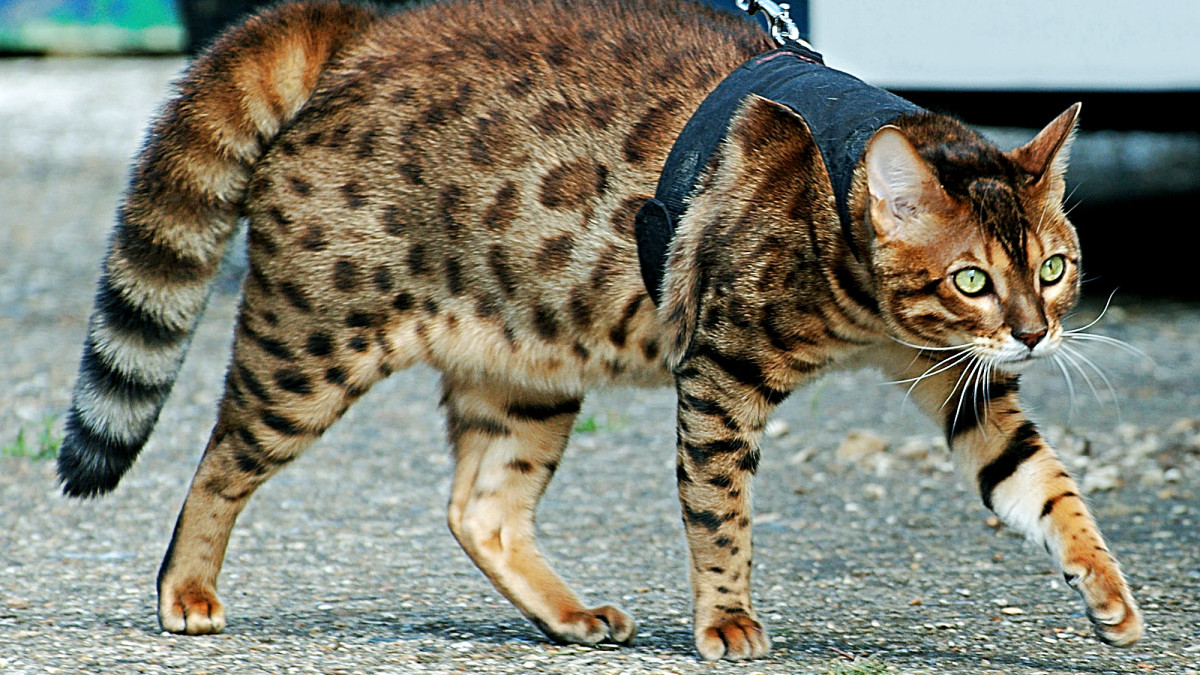
A cat’s tail contains 19 to 23 small bones called vertebrae. These bones make the tail flexible and strong. Muscles and tendons surround the vertebrae, allowing the tail to move in many directions. The tail helps cats keep balance while walking or jumping. It also acts like a rudder when they run fast.
The tail is covered with fur, which provides warmth and protection. Cats use their tails to express feelings. For example, a straight-up tail shows happiness, while a twitching tail can show irritation.
Nerve Connections
The tail has many nerve endings that send information to the brain. These nerves help cats sense their environment. They detect touch, movement, and even vibrations. This sensitivity helps cats react quickly to threats or prey.
Nerves also control tail movement. The brain sends signals through these nerves to muscles in the tail. This control allows cats to move their tails smoothly and with great precision.
Credit: paradepets.com
Emotional Indicators
Cats use their tails to express a wide range of emotions. Understanding these tail movements can help you better connect with your feline friend. Your cat’s tail is like a mood ring—subtle yet telling.
Happiness And Contentment
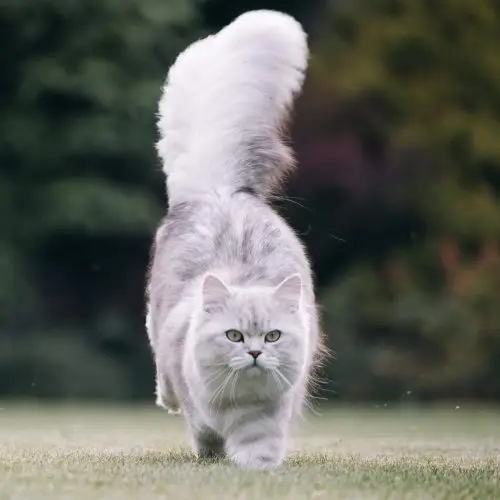
A cat holding its tail upright often signals happiness and confidence. You might notice the tip gently twitching, which means your cat feels relaxed and curious about its surroundings.
When your cat wraps its tail around you or another pet, it shows affection and trust. I once saw my cat do this as I sat reading, and it instantly made me feel like the luckiest person. Have you ever caught your cat’s tail curling around your arm during a cuddle?
Anxiety And Fear
On the flip side, a low or tucked tail usually signals anxiety or fear. If the tail is puffed up, your cat is trying to look bigger to scare off danger. This is your cat’s way of saying, “I’m scared—stay back.”
Watch for quick, sharp flicks of the tail tip; this often means irritation or stress. Recognizing these signs can help you avoid pushing your cat too far when it’s uncomfortable. How often do you check your cat’s tail before approaching it in a new situation?
Communication With Humans
Cats use their tails to talk to humans in many ways. Tail movements help show their feelings and needs. Understanding these signals builds a stronger bond. Watching a cat’s tail can reveal love or a wish for play. This silent language is simple yet powerful.
Signaling Affection
A cat’s tail can show love and trust. A slowly waving or upright tail means happiness. When a cat wraps its tail around you, it shows closeness. This gesture is like a warm hug. Cats also raise their tails high to greet owners. It says, “I feel safe with you.”
Request For Attention
Tail movements often mean your cat wants attention. A flicking or twitching tail can mean impatience. Cats use this to ask for petting or playtime. Sometimes, a tail gently taps your hand or face. It is a quiet way to say, “Notice me.” Learning these signs helps meet your cat’s needs fast.
Social Interactions With Other Cats
Cats use their tails as a powerful tool to communicate with each other. Watching two cats interact can reveal a lot about their social dynamics through subtle tail movements. Understanding these signals can help you interpret your cat’s behavior when it meets other feline friends.
Dominance And Submission
A cat that holds its tail high and stiff often signals dominance. This posture shows confidence and a desire to assert control over the situation. On the other hand, a cat that tucks its tail low or wraps it around its body is usually showing submission or caution.
Think about times when you’ve seen cats face off. The dominant cat’s tail might quiver or twitch sharply, which can escalate tension. Meanwhile, the submissive cat tries to avoid conflict by keeping its tail low and moving slowly.
Playful Gestures
When cats play, their tails tell a different story. A tail that flicks quickly or sways gently often means the cat is excited but not aggressive. This kind of tail movement invites play and signals friendly intentions.
If your cat’s tail is twitching while they chase or pounce, it’s a sign they’re having fun and engaging in social play. Have you noticed how your cat’s tail changes during playtime with other cats? Paying attention to these cues can help you encourage positive interactions.
Hunting And Predatory Behavior
Cats use their tails as important tools during hunting. Their tails help with balance, communication, and focus. Understanding tail movements reveals a lot about their hunting style. Predatory behavior is often shown clearly through tail actions.
Stalking Movements
During stalking, cats keep their tails low and still. This helps them stay quiet and hidden. A steady tail means the cat is focused and ready to pounce. Small tail twitches may show excitement or alertness. The tail acts like a guide for their precise movements.
Tail Flicks And Pounces
Before the final pounce, cats often flick their tails. These quick flicks show tension and anticipation. Tail flicking helps cats adjust their balance for a sharp jump. After a successful catch, the tail may twitch in celebration or focus. Watching tail flicks helps understand a cat’s hunting mood.

Credit: www.purina.com
Health And Medical Concerns
Cats often move their tails to express feelings, but tail movements can also signal health problems. Watching tail behavior helps spot issues early. Tail motion might reveal pain or nervous system troubles. Understanding these signs protects your cat’s well-being.
Signs Of Pain
A cat in pain may hold its tail stiff or low. Sudden tail twitching or constant flicking can show discomfort. Watch for these signs:
- Tail tucked tightly against the body
- Reluctance to move the tail
- Frequent licking or biting at the tail
- Swelling or redness near the tail
These signs suggest injury or illness. Early care prevents worsening problems.
Neurological Issues
Tail movement can also point to nerve damage or brain issues. Cats with neurological problems may have:
- Uncontrolled tail twitching
- Weak or limp tail
- Difficulty coordinating tail movements
- Muscle spasms along the tail
Such symptoms need a vet’s checkup. Prompt diagnosis aids in treatment and recovery.
Cultural And Historical Significance
Cats have captivated human imagination for thousands of years, and their tail movements have often been seen as more than just body language. Across cultures and history, the way cats move their tails carries meanings that go beyond simple communication. Understanding these cultural and historical perspectives can enrich your appreciation of these mysterious creatures.
Mythology And Folklore
In many ancient cultures, cats were considered magical beings. Their tail movements were believed to signal supernatural powers or messages from the spirit world.
For example, in Egyptian mythology, cats were sacred and often linked to the goddess Bastet. A cat flicking its tail was thought to be a sign of protection or warning. People believed that a twitching tail could ward off evil spirits or bring good luck.
Some folklore also tells stories where a cat’s tail movement predicted future events. Have you ever noticed your cat’s tail twitching before something unexpected happens? It’s no coincidence—these tales suggest cats have a deeper connection to the unseen world.
Symbolism In Art
Artists across centuries have captured cats with expressive tails to convey emotion and symbolism. Tail positions in paintings or sculptures often represent moods or traits like curiosity, mystery, or independence.
In Japanese art, for instance, a raised cat tail symbolizes happiness and good fortune. Meanwhile, medieval European art sometimes shows cats with arched tails to hint at mischief or danger.
Next time you see a cat portrayed in art, pay close attention to its tail. What do you think the artist wanted to express through that subtle movement? These artistic choices reflect how deeply humans have connected tail gestures with meaning.
Credit: bowwowinsurance.com.au
Frequently Asked Questions
Why Do Cats Twitch Their Tails Slowly?
Cats twitch their tails slowly to show mild interest or concentration. This subtle movement often occurs when they focus on something or feel curious but calm.
What Does A Rapidly Moving Cat Tail Mean?
A rapidly moving cat tail usually signals agitation or excitement. It can indicate that the cat is annoyed, playful, or highly alert to its surroundings.
How Do Cats Use Tail Movements To Communicate?
Cats use tail movements to express emotions like happiness, fear, or aggression. Different tail positions and motions help them communicate with humans and other animals clearly.
Can Tail Movements Reveal A Cat’s Mood?
Yes, tail movements are strong indicators of a cat’s mood. For example, a raised tail shows confidence, while a tucked tail signals fear or submission.
Conclusion
Cats use their tails to share feelings without words. Tail movements show when they feel happy, scared, or curious. Watching a cat’s tail can help you understand them better. Each flick or wave tells a small story. So, pay attention to those tail signals next time.
It makes your bond with your cat stronger and clearer. Simple signs, big meaning. Cats speak with their tails every day.
