

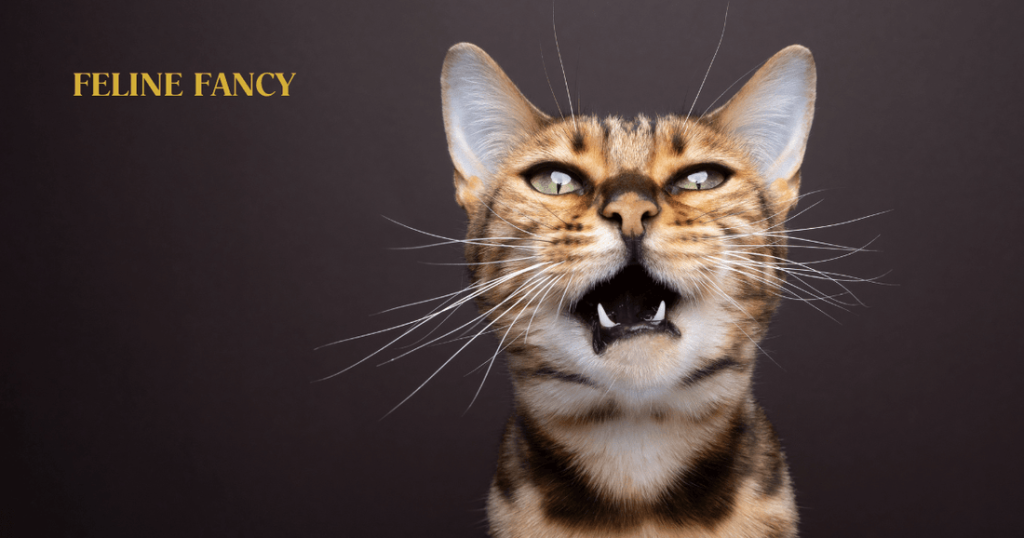
Have you ever been jolted awake by your cat’s loud meowing in the middle of the night? You’re not alone.
Many cat owners wonder why their furry friends suddenly become so vocal after dark. Understanding why your cat meows at night can help you find peace—and improve your bond with your pet. Keep reading, and you’ll discover the surprising reasons behind those nighttime cries and simple steps you can take to quiet the noise once and for all.

Credit: m.youtube.com
Natural Instincts
Understanding your cat’s nighttime meowing starts with recognizing their natural instincts. Cats are wired to behave in ways that helped their ancestors survive in the wild. These instincts explain much of their behavior, especially when the house is quiet and dark.
Nocturnal Behavior
Cats are naturally nocturnal, which means they are most active during the night. This instinct comes from their wild ancestors who hunted and explored under the cover of darkness. You might notice your cat suddenly becoming lively and vocal once the lights go out.
Have you ever found yourself wondering why your cat seems more energetic when you’re ready to sleep? This is because their internal clock is tuned differently from ours. Their eyes are built to see well in low light, making the night their prime time.
Hunting Drives
Even indoor cats carry the hunting drive within them. Nighttime meowing can be a way for your cat to express the urge to hunt or play. The quiet of the night might stimulate these instincts, causing them to call out as if searching for prey.
Think about how your cat reacts to toys or small movements during the day. At night, without distractions, these urges might become stronger. Providing stimulating play before bedtime can sometimes reduce nighttime meowing by satisfying those hunting needs.
Seeking Attention
Cats often use meowing as a way to communicate their needs, especially when they want your attention. At night, this behavior can become more noticeable because your cat might feel the absence of daytime activities and social interaction. Understanding why your cat seeks attention through nighttime meowing can help you respond in a way that satisfies their emotional needs and keeps your nights peaceful.
Loneliness At Night
When the house grows quiet and lights go off, your cat may feel lonely. Cats are social animals and can experience separation anxiety just like people do. If your cat is used to having company during the day, the sudden silence at night might trigger their calls for companionship.
Have you noticed your cat meowing more loudly or frequently when you’re not around? This could be their way of saying they miss your presence. Providing a cozy sleeping spot near where you rest can help reduce these lonely moments.
Desire For Interaction
Sometimes, your cat meows at night simply because they want to engage with you. They might be bored or have extra energy they want to burn off. Unlike during the day, when you’re busy, nighttime is when they try to get your attention for play or petting.
Try setting aside a few minutes before bedtime for interactive play. Using toys that mimic hunting can satisfy their natural instincts and tire them out. This approach not only reduces nighttime meowing but also strengthens the bond between you and your cat.
Environmental Factors
Environmental factors play a big role in why your cat might be meowing at night. Cats are sensitive to their surroundings, and even small changes can unsettle them. Understanding these triggers can help you create a calmer nighttime environment for your furry friend.
Changes In Surroundings
Have you recently moved furniture or added new items to your home? Cats notice these changes quickly, and they might feel confused or anxious at night when everything looks different. Even subtle shifts, like new scents or unfamiliar sounds, can prompt your cat to vocalize more than usual.
Think about how your cat reacts after a houseguest leaves or when you introduce a new piece of décor. Their nighttime meowing can be a way to express discomfort or seek reassurance. Try keeping their sleeping area consistent and familiar to reduce this nighttime chatter.
Presence Of Other Animals
Your cat’s meowing might also be a response to animals outside or inside your home. If you live near wildlife or have other pets, your cat may be alerting you to their presence or feeling territorial. Nighttime is when many animals are active, so your cat’s vocalizations can increase as they react to these external stimuli.
Have you noticed your cat staring out the window or suddenly meowing at odd hours? This could be their way of communicating about other animals nearby. Providing a cozy, quiet space away from windows or using white noise can help minimize these triggers and keep your cat more relaxed at night.

Credit: weareallaboutcats.com
Health Concerns
Cats often meow at night due to health concerns that might be affecting their comfort or well-being. Understanding these issues can help you address your cat’s nighttime vocalizations effectively. Ignoring these signs could mean missing out on important clues about your cat’s health.
Physical Discomfort
Physical pain or discomfort can make your cat restless and vocal at night. Conditions like arthritis, dental problems, or injuries may cause them to cry out for help.
Have you noticed your cat limping or avoiding certain movements during the day? These signs paired with nighttime meowing might indicate they’re in pain.
Check your cat for any visible wounds or swelling. A visit to the vet can rule out or treat underlying issues causing discomfort.
Cognitive Dysfunction
Older cats can develop cognitive dysfunction syndrome, similar to dementia in humans. This condition can lead to confusion, anxiety, and increased vocalization, especially at night.
If your cat seems disoriented or forgetful during the day and meows more at night, cognitive dysfunction might be the cause.
Try creating a calm and consistent nighttime routine to help reduce their anxiety. Consulting your vet about supplements or medications can also improve their quality of life.
Hunger And Thirst
Cats often meow at night to signal that they are hungry or thirsty. This behavior can be your cat’s way of telling you it needs more food or water to feel comfortable. Understanding the reasons behind this nighttime vocalization can help you address their needs and enjoy peaceful nights.
Inconsistent Feeding Schedule
If your cat’s feeding times vary a lot, it can become confused about when to expect food. Cats thrive on routine, so irregular meal times may cause them to wake you up looking for a snack. Setting consistent feeding hours, especially before bedtime, can reduce those late-night meows.
Think about your own hunger—wouldn’t you get restless if your meals kept changing? Your cat feels the same way. Try giving a small meal or a healthy treat right before you go to bed to keep your cat satisfied through the night.
Unmet Nutritional Needs
Sometimes, cats meow at night because their diet isn’t meeting all their nutritional needs. If the food lacks essential nutrients or isn’t filling enough, your cat might still feel hungry even after eating. High-protein, balanced diets help keep cats full and less likely to cry for food at odd hours.
Have you checked the ingredients in your cat’s food recently? Low-quality food can cause constant hunger. Consult your vet to ensure your cat’s diet supports their energy needs and keeps nighttime hunger at bay.
Stress And Anxiety
Cats meow at night often due to stress and anxiety. Nighttime can feel strange and scary to them. Stress affects their behavior and makes them vocal. Understanding these causes helps reduce their nighttime cries.
New Home Adjustments
Moving to a new home is hard for cats. They lose familiar smells and safe spots. This confusion makes them anxious and restless at night. Meowing is their way to express fear and discomfort. Giving them time and quiet helps them settle down.
Separation Anxiety
Cats form strong bonds with their owners. Being alone at night can make them feel lonely. They meow to call for attention and comfort. Some cats need extra affection before bedtime. Leaving a soft light or a worn shirt can soothe their anxiety.
Age-related Changes
Age plays a significant role in your cat’s nighttime vocalizations. As cats grow older or as kittens, their behavior changes, influencing why they meow more during the night. Understanding these age-related shifts can help you respond better to your cat’s needs and create a more peaceful night for both of you.
Senior Cat Behavior
Senior cats often meow at night due to confusion or discomfort. Cognitive decline, similar to dementia in humans, can make them feel disoriented in the dark. You might notice your older cat pacing or calling out as if searching for something.
Health issues like arthritis or vision loss can also increase nighttime vocalizations. Your cat may be trying to communicate pain or anxiety. Offering a warm, soft bed in a quiet corner and maintaining a consistent nighttime routine can reduce their stress.
Have you ever noticed your older cat meowing right before bedtime? That could be their way of seeking reassurance or company. Spending a few extra minutes petting or talking to them before you sleep can ease their worries.
Kittens’ Nighttime Activity
Kittens are naturally more active at night. Their small bodies are full of energy, and the quiet hours can feel like the perfect time to explore or play. This energetic burst often translates into frequent meowing.
At this stage, kittens also use meowing to get attention or express needs like hunger or loneliness. They haven’t yet learned to settle themselves down. Creating a cozy, safe sleeping space with toys nearby helps them feel secure.
Try engaging your kitten in play before bedtime to tire them out. You’ll likely see a drop in nighttime meowing once their energy is spent. Have you tried a late-night play session to see if it helps your kitten sleep better?

Credit: petcube.com
Frequently Asked Questions
Why Do Cats Meow More At Night?
Cats meow at night to seek attention, express hunger, or signal discomfort. Their natural hunting instincts also make them more active after dark, leading to increased vocalization.
Can Night Meowing Indicate Health Problems?
Yes, excessive night meowing can signal pain, cognitive decline, or other health issues. Consult a vet if your cat’s night vocalization suddenly increases or changes.
How Can I Reduce My Cat’s Night Meowing?
Provide enough daytime play and feeding to tire your cat. Use calming techniques and ensure a comfortable sleeping environment to minimize night meows.
Is Night Meowing Normal For All Cat Breeds?
Some breeds, like Siamese, are naturally more vocal at night. However, all cats can meow at night due to various reasons including attention or stress.
Conclusion
Cats meow at night for many reasons. They might feel lonely or want attention. Sometimes, hunger or thirst causes night meows. Older cats may meow more due to confusion. Understanding your cat’s needs helps reduce nighttime noise. Try giving food, water, or extra play during the day.
Create a calm and safe space for your cat. Patience and care improve your cat’s comfort at night. Listening to your cat builds a stronger bond. Night meowing is normal but manageable with love.
