

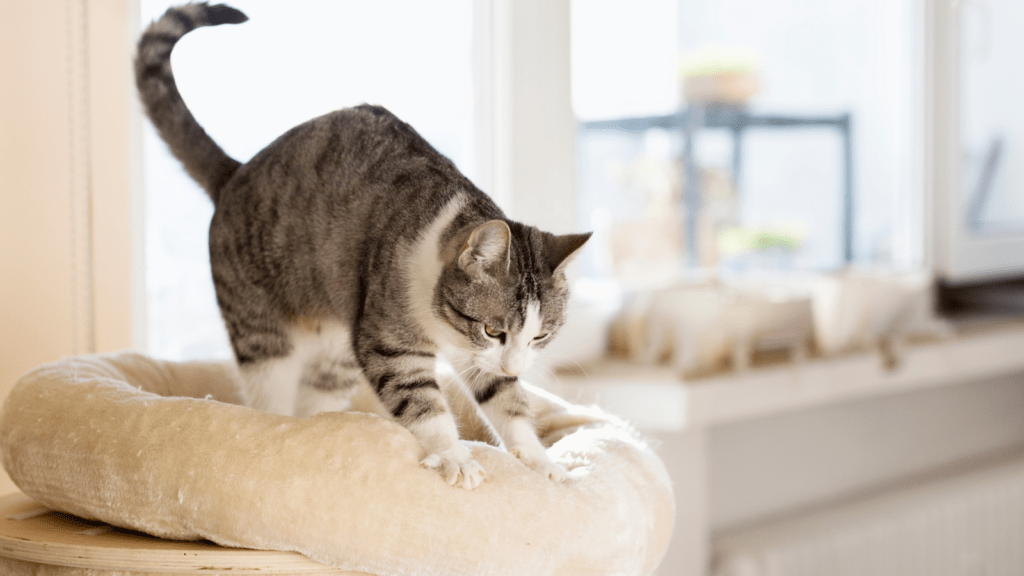
Have you ever watched your cat pressing its paws rhythmically into a soft blanket or your lap? Maybe you’ve noticed that gentle purring sound that seems to fill the room with calm.
These adorable behaviors are more than just cute—they reveal a lot about how your cat feels and thinks. If you’ve ever wondered why cats make biscuits and purr, you’re about to uncover some surprising and heartwarming reasons. Understanding these actions will deepen your bond with your furry friend and help you respond to their needs better.
Keep reading to discover what your cat is really trying to tell you.

Credit: www.catsessentials.com
Cat Kneading Explained
Cats often knead soft surfaces with their paws, a behavior known as “making biscuits.” This action is common and has deep roots in a cat’s life. Understanding why cats knead helps us see their feelings and needs better. Kneading is more than just a cute habit; it connects to their past and present comfort.
Origins In Kitten Behavior
Kneading starts when cats are kittens. They press their paws against their mother’s belly. This helps milk flow while they feed. This early action feels safe and comforting. Even as adults, cats keep kneading because it reminds them of that safety and warmth.
Comfort And Security
Kneading helps cats feel calm and relaxed. Cats often knead when they are happy or about to rest. The soft, rhythmic motion soothes them. It acts like a stress relief, helping cats feel secure in their environment. This is why cats knead on blankets, pillows, or their owner’s lap.
Marking Territory With Paws
Cats have scent glands in their paws. When they knead, they leave their scent on objects. This marks the area as their own space. It tells other animals that this spot belongs to them. This marking is subtle but important for cats’ sense of territory and safety.
Credit: www.perfect-fit.co.uk
The Science Behind Purring
Understanding why cats purr takes us into fascinating territory where biology meets behavior. The science behind purring reveals more than just a cute noise—it shows how cats use this sound for various purposes. You might be surprised by how much purring benefits your feline friend and even affects you.
How Cats Produce The Purr
Cats create their purr through a unique mechanism involving their brain and voice box muscles. When a cat decides to purr, the brain sends rapid signals to the laryngeal muscles, causing them to twitch. This twitching controls the opening and closing of the glottis, producing the characteristic purring sound during both inhalation and exhalation.
Have you ever noticed how your cat’s purring can vary in intensity? This happens because the frequency of muscle contractions changes depending on their mood or needs. It’s a precise biological process that’s still being studied but clearly designed to be energy-efficient and effective.
Purring For Communication
While many think purring is simply a sign of happiness, cats also use it to communicate with you and other animals. Kittens start purring when they’re just a few days old, signaling contentment and bonding with their mother. Your cat might also purr to show they feel safe or to ask for attention.
Sometimes, purring is a subtle way for cats to say, “I’m here, and I’m okay.” Next time your cat purrs around strangers or during a vet visit, consider it a calming message rather than just a happy sound. How often do you catch your cat purring in different situations?
Healing And Stress Relief
Beyond communication, purring has remarkable healing properties. Studies suggest the vibrations from purring fall within a frequency range that promotes tissue regeneration and reduces pain. This means your cat could be naturally helping its body heal from injuries or inflammation just by purring.
Plus, purring lowers stress levels for both cats and humans. If you’ve ever felt soothed by your cat’s steady purring, you’re not imagining it. This calming effect might explain why cats purr when they’re anxious or recovering from illness.
Connection Between Kneading And Purring
The connection between kneading and purring reveals much about your cat’s emotional state and their way of communicating comfort. Both behaviors often appear together, signaling a deep sense of relaxation and happiness. Understanding this link helps you recognize when your feline friend feels safe and content in your presence.
Signs Of Contentment
When your cat kneads while purring, it’s a clear sign they feel secure and happy. Kneading activates nerve endings in their paws, releasing endorphins that promote calmness. Meanwhile, purring often accompanies this, acting as a vocal expression of pleasure and relaxation.
Have you noticed your cat’s eyes half-closing or their body relaxing during this time? These subtle cues reinforce that your cat is in a peaceful state. Watching for these signs can deepen your bond and help you respond to their needs better.
Bonding With Humans
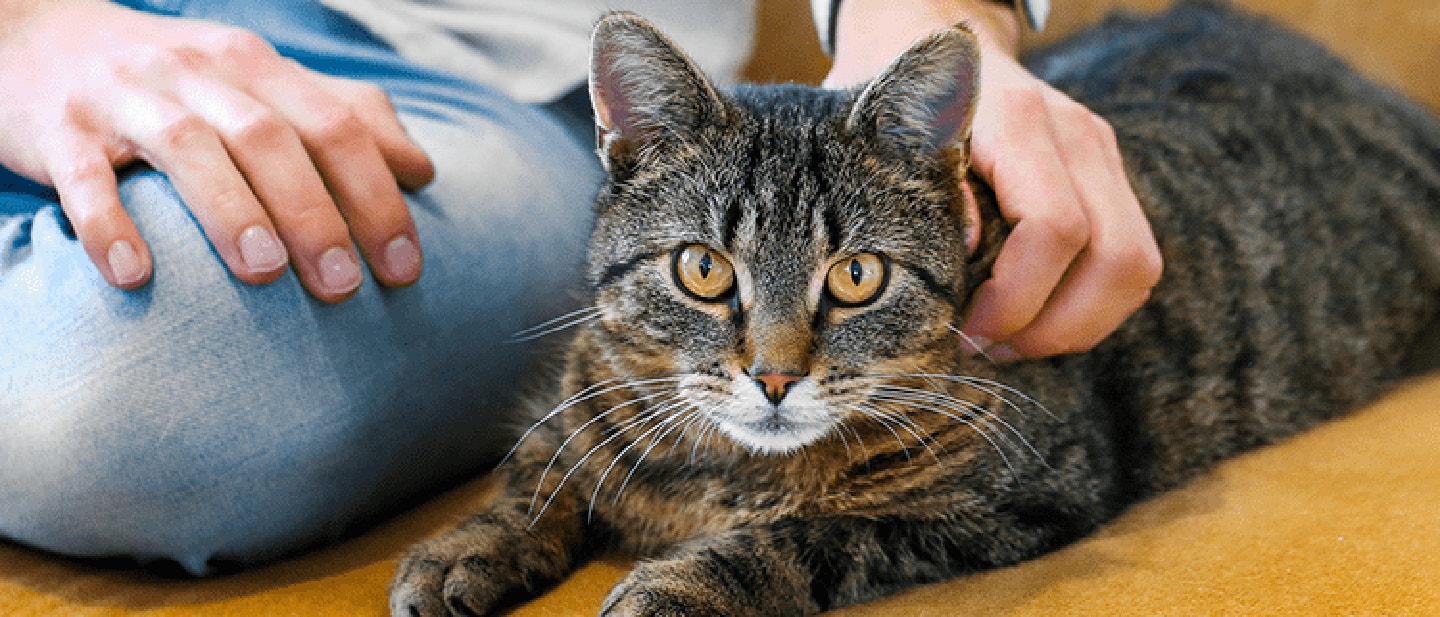
Kneading and purring aren’t just about self-soothing; they also strengthen the bond between you and your cat. Cats often knead on their owners as a way to mark them with the scent glands in their paws. This behavior signals trust and affection.
When your cat purrs while kneading on your lap, it’s their way of saying they feel safe with you. You might want to gently stroke their fur or speak softly to encourage this bonding moment. Have you experienced how these small actions can turn a quiet afternoon into a meaningful connection?
Stress And Anxiety Relief
Both kneading and purring serve as natural stress relievers for cats. Kneading mimics the comforting motions kittens perform on their mother’s belly, calming their nervous system. Purring produces vibrations that can reduce pain and anxiety.
If your cat starts kneading and purring during a stressful event, such as a thunderstorm or a visit to the vet, it’s their way of coping. Offering a cozy spot or gentle reassurance during these times can help them feel more secure. Have you noticed these behaviors calming your cat in moments of tension?
Credit: www.discovermagazine.com
When Kneading And Purring Signal Trouble
Kneading and purring are usually signs of a happy cat. Yet, these behaviors can sometimes signal distress. It is important to notice subtle changes in your cat’s kneading or purring patterns. These signs may mean your cat feels pain or discomfort. Paying attention can help you act before problems grow worse.
Pain Or Discomfort Indicators
- Excessive kneading with claws digging hard into surfaces
- Purring that sounds weak, strained, or different than usual
- Sudden stop of kneading or purring during a normal routine
- Restlessness or constant shifting while trying to knead
- Visible signs of injury on paws or limbs
Behavioral Changes To Watch
- Less interest in kneading or purring around people
- Increased hiding or avoiding touch
- Changes in appetite or grooming habits
- Signs of irritability or aggression during petting
- Frequent vocalization beyond normal purring
When To Consult A Vet
Seek veterinary help if your cat shows these signs for more than a day. Persistent changes in kneading or purring might mean serious health issues. The vet can check for pain, injury, or illness. Early diagnosis helps your cat heal faster. Never ignore sudden changes in your cat’s behavior.
Encouraging Positive Feline Behavior
Encouraging positive feline behavior helps your cat feel happy and secure. Cats use behaviors like making biscuits and purring to show comfort and contentment. Supporting these natural actions builds trust and strengthens your bond. Positive experiences promote calmness and reduce stress in cats.
Creating A Safe Environment
Cats need quiet spaces where they feel safe. Provide cozy beds or hideaways in calm areas. Avoid loud noises and sudden changes around your cat’s space. A secure environment helps cats relax and express natural behaviors like purring and kneading.
Using Toys And Comfort Items
Toys stimulate your cat’s mind and body. Soft blankets or stuffed animals offer comfort and warmth. Rotate toys often to keep playtime exciting. These items encourage cats to express joy through playful kneading and gentle purring.
Responding To Your Cat’s Needs
Notice your cat’s signals like meows or body language. Meet their needs for food, water, and attention promptly. Showing care encourages your cat to feel safe and comfortable. Happy cats purr more and make biscuits as signs of trust and love.
Frequently Asked Questions
Why Do Cats Make Biscuits With Their Paws?
Cats knead to mark territory using scent glands in their paws. It also comforts them, mimicking kitten nursing behavior. This action strengthens their bond with owners and signals contentment.
What Does Purring Mean In Cats?
Purring usually signals a cat’s happiness and relaxation. It can also indicate self-healing or stress relief. Cats purr to communicate comfort, calmness, or sometimes to seek attention.
How Are Biscuit Making And Purring Connected?
Both behaviors express a cat’s comfort and contentment. Kneading often accompanies purring during relaxation or bonding moments. Together, they show trust and emotional well-being in cats.
Can Cats Purr And Make Biscuits When Stressed?
Yes, cats sometimes purr and knead to self-soothe during stress. These actions help them calm down and feel secure. It’s a natural coping mechanism to reduce anxiety.
Conclusion
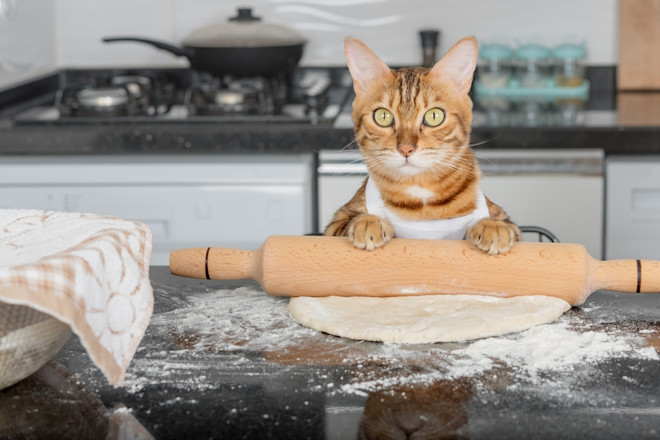
Cats make biscuits and purr to show comfort and happiness. Kneading soft things reminds them of kitten days. Purring helps them relax and feel safe. These actions build trust with their owners. Watching your cat do these things feels warm and calm.
Now you understand why cats act this way. It’s their way of sharing love and peace. Enjoy every moment with your purring, biscuit-making friend.
