


Have you ever wondered why your cat purrs and leans into your touch when you pet them? If you’ve noticed your furry friend seeking your hand again and again, there’s more to it than just a simple craving for attention.
Understanding why cats love petting can deepen your bond and help you give them exactly what they need. Keep reading to discover the surprising reasons behind this behavior and how you can make every petting moment even more special for your cat.
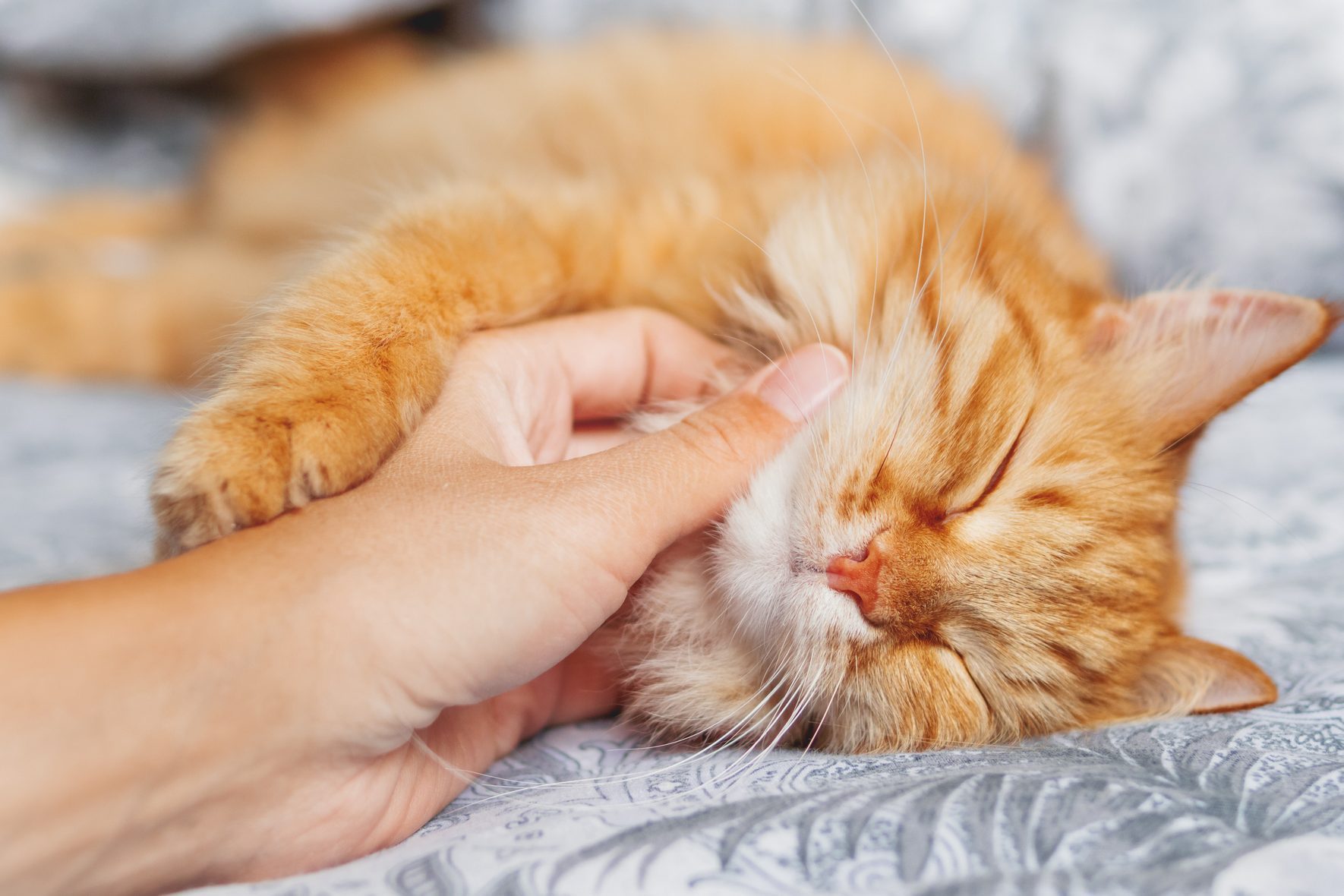
Credit: www.rd.com
Cat Behavior Basics
Cats enjoy petting because it feels comforting and helps them bond with people. Gentle strokes mimic grooming, making them feel safe and loved. Petting also releases happy hormones, which calm and relax cats.
Understanding the basics of cat behavior can unlock the secrets behind why your feline friend enjoys petting so much. Cats are unique creatures with distinct ways of expressing themselves and interacting with their surroundings. By observing their behavior, you can better comprehend their needs and preferences, fostering a deeper bond with your furry companion.Social Nature Of Cats
Cats, despite their reputation for independence, possess a social side that often goes unnoticed. Many cats thrive on interaction and affection, enjoying the company of their human companions. This social nature is evident when they curl up next to you on the couch or follow you around the house. In my experience, my cat Oliver loves to sit on my lap while I work, purring contentedly. This behavior suggests a desire for social contact and comfort. Have you noticed similar behaviors in your cat? It’s a sign they value your presence.Communication Through Touch
Touch is a powerful communication tool for cats. When a cat rubs against you or nudges your hand for a pet, it’s conveying trust and affection. This tactile interaction is essential for building and maintaining a strong bond between you and your cat. Cats also use petting sessions to communicate their mood. For instance, a relaxed cat may purr and knead, while a more agitated cat might swish its tail or gently bite. Recognizing these signals can help you understand your cat’s emotions and respond appropriately. Next time your cat seeks out petting, consider what they’re trying to tell you. Are they feeling playful, or do they need comfort? Understanding these cues can enhance your relationship and ensure your cat feels happy and secure.Physical Benefits Of Petting
Petting your cat does more than just strengthen your bond. It triggers a range of physical benefits that improve both your cat’s health and your own well-being. Understanding these benefits can encourage you to spend more quality time stroking your furry friend.
Release Of Feel-good Hormones
When you pet a cat, both you and your feline friend experience a surge of feel-good hormones like oxytocin and serotonin. These chemicals are responsible for feelings of happiness and relaxation.
Oxytocin, often called the “love hormone,” helps deepen the connection between you and your cat. This hormone release doesn’t just improve mood; it can also lower your heart rate, making you feel calmer almost instantly.
Have you noticed how petting your cat after a long day makes you feel better? That’s your body responding to these hormones in action.
Reduction Of Stress And Anxiety
Petting a cat reduces levels of the stress hormone cortisol in both humans and cats. Lower cortisol means less anxiety and a more peaceful mind.
Studies show that gentle stroking can slow breathing and heart rate, helping to ease tension. This effect can be especially helpful if you’re feeling overwhelmed or anxious.
Next time you feel stressed, try sitting quietly with your cat and petting them slowly. You might find your worries melting away more quickly than you expected.
Sensory Preferences
Cats have unique sensory preferences that influence their love for petting. Their skin is sensitive to touch, and certain areas feel more pleasant than others. Petting stimulates nerve endings, releasing calming hormones. This creates a soothing experience for cats. Understanding these preferences helps build a stronger bond with your feline friend.
Areas Cats Enjoy Being Petted
Cats prefer being touched in spots where their scent glands are. These areas include:
- Base of the ears
- Under the chin
- Along the back, near the spine
- At the base of the tail
Petting these spots feels comforting and familiar. Avoid sensitive areas like the belly unless your cat shows clear signs of trust.
Individual Sensitivity Differences
Every cat has its own comfort level with touch. Some enjoy long petting sessions, while others prefer quick strokes. Age, personality, and past experiences shape these preferences.
Observe your cat’s reactions. Slow blinking, purring, and leaning in are signs of enjoyment. Tail flicking, moving away, or hissing show discomfort. Respecting these signals ensures a positive petting experience.
Bonding And Trust
Bonding and trust are key reasons cats enjoy petting. It helps cats feel safe and loved. Petting creates a special connection between cats and their humans. This connection grows stronger over time with gentle touch and care.
Strengthening Human-cat Relationships
Petting builds a strong bond between cats and people. Cats learn to trust their owners through regular, calm petting. This trust makes cats more relaxed and happy. They start to see humans as friends and protectors. Petting also helps cats feel part of the family. It creates moments of closeness and peace.
Signs Of Comfort And Affection
Cats show they like petting in many ways. Purring is a common sign of comfort. Slow blinking at you means the cat feels safe. Cats may nuzzle or lean into your hand. Their tails might gently sway or curl. These signs tell you the cat enjoys your touch and trusts you deeply.
Instinctual Roots
Cats enjoy petting because it connects deeply with their instincts. These behaviors come from their wild ancestors. Petting mirrors important social actions that helped cats survive and bond.
Grooming And Social Bonds In The Wild
In the wild, cats groom each other to stay clean. Grooming also builds trust and friendship. It helps cats feel safe and calm. Petting by humans is similar. It can create a strong bond between cat and owner. This touch makes cats feel cared for and relaxed.
Kitten-mother Interactions
Mother cats lick their kittens to clean and comfort them. This action teaches kittens to trust and feel secure. Petting copies this early care. It reminds cats of their mother’s love. This is why cats often purr and lean into petting. It gives them warmth and comfort from their early life.

Credit: wamiz.co.uk
When Cats Avoid Petting
Not every cat enjoys petting all the time. Sometimes, your feline friend might suddenly pull away or avoid your touch altogether. Understanding why cats avoid petting can help you respect their boundaries and strengthen your bond.
Overstimulation Signs
Cats have a limit to how much petting they can handle. When you pet them for too long, they may show signs like twitching tails, flattened ears, or quick head turns. These small signals tell you they’ve had enough and need a break.
I once thought my cat loved endless petting until she started biting gently after a few minutes. Recognizing her overstimulation signs helped me stop before she got annoyed.
Watch for:
- Tail flicking or thumping
- Skin rippling under your hand
- Sudden restlessness or moving away
Health Issues And Discomfort
If your cat suddenly avoids petting, it might not just be about mood. Health problems like arthritis, skin infections, or injuries can make touch painful. Cats instinctively avoid anything that causes discomfort, including petting.
Once, my cat stopped enjoying her usual petting spots, and a vet visit revealed a hidden skin allergy. Addressing her health issue brought back her love for gentle strokes.
Don’t ignore sudden changes in your cat’s petting preferences. A quick check-up can uncover hidden problems and keep your kitty comfortable.
Tips For Petting Cats
Petting a cat can be a wonderful way to bond, but not all cats enjoy it the same way. Understanding how to pet your cat in a way that makes them feel safe and happy will deepen your connection. Here are some practical tips to help you create a positive petting experience every time.
Reading Cat Body Language
Pay close attention to your cat’s body signals before and during petting. A relaxed cat will have soft eyes, upright ears, and a loose body posture. If your cat flicks its tail, flattens its ears, or suddenly stiffens, it might be time to stop.
Have you noticed your cat leaning into your hand or purring? That’s a clear sign they’re enjoying the attention. On the other hand, if they start licking their lips or turning their head away, they may need a break.
Best Practices For Positive Interaction
- Start slow:Begin petting gently around the head and chin—these areas are usually favorites.
- Watch for preferences:Some cats prefer slow strokes along the back, while others enjoy light scratches behind the ears.
- Respect boundaries:Avoid petting the belly unless your cat clearly invites it, as many cats find this area sensitive.
- Keep sessions short:Even the most affectionate cats can get overstimulated. Stop before signs of irritation appear.
- Use your voice:Speaking softly while petting can reassure your cat and enhance the experience.
Think about how your cat reacts during petting. Are there moments when they seem to enjoy it the most? Adjust your approach based on what you observe. This simple awareness can make a big difference in how much your cat enjoys your touch.
Credit: basepaws.com
Frequently Asked Questions
Why Do Cats Enjoy Being Petted?
Cats enjoy petting because it mimics grooming, which builds trust and comfort. It also releases feel-good hormones, reducing stress and strengthening bonds with their owners.
Which Areas Do Cats Prefer To Be Petted?
Cats usually prefer being petted on the head, chin, and behind the ears. These spots have scent glands and petting here feels soothing and familiar.
How Does Petting Affect A Cat’s Mood?
Petting calms cats and lowers anxiety. It triggers the release of oxytocin, a hormone that promotes relaxation and strengthens the cat-owner relationship.
Can Petting Help Improve A Cat’s Health?
Yes, gentle petting stimulates blood circulation and reduces stress hormones. It supports overall well-being and can enhance a cat’s immune system.
Conclusion
Cats enjoy petting because it feels good and builds trust. Gentle strokes help cats relax and feel safe. Petting also lets cats show they like your company. It’s a simple way to bond and share comfort. Understanding why cats like petting helps you care for them better.
Try paying attention to their reactions during petting sessions. Happy cats often seek more petting and attention. Enjoy these quiet moments together—they mean a lot to your feline friend.
