


Have you ever wondered why your cat purrs and leans into your hand every time you pet them? It’s more than just a simple act of affection.
Understanding why cats like being pet can deepen the bond you share with your furry friend and make your time together even more special. You’ll discover surprising reasons behind your cat’s love for petting and how you can use this knowledge to keep them happy and relaxed.
Keep reading—you won’t want to miss these insights that could change the way you connect with your cat forever.
Credit: www.prwe.com
Instinctual Comfort
Cats enjoy being pet because it feels natural and comforting to them. This behavior comes from their instincts. Petting mimics the grooming cats do with each other. It helps build trust and shows affection.
Petting also releases calming chemicals in a cat’s brain. This makes them feel safe and relaxed. The touch reminds them of the care they received as kittens. It is a deep, instinctual comfort that cats seek.
Social Bonding Through Grooming
Cats groom each other to strengthen social bonds. Petting by humans is similar to this grooming. It creates a connection and trust between cats and people. This feeling is comforting and reassuring for cats.
Release Of Feel-good Hormones
Gentle petting stimulates the release of oxytocin and serotonin. These chemicals reduce stress and increase happiness in cats. It makes them feel calm and content during petting sessions.
Soothing Physical Sensation
The soft strokes of petting feel good on a cat’s skin. It can soothe muscles and relieve tension. This physical comfort is part of why cats seek petting regularly.
Reminders Of Kittenhood Care
Petting mimics the way mother cats groom their kittens. It brings back the safe feeling from their early life. This instinctual comfort helps cats relax and trust humans.
Credit: www.rd.com
Social Bonding
Social bonding plays a big role in why cats enjoy being petted. Petting is more than just a feel-good activity; it’s a way for cats to connect and communicate with you. When your cat allows you to pet them, it signals a deeper level of trust and companionship.
Building Trust
Trust is the foundation of any relationship with your cat. When you pet your cat gently and respectfully, it shows you mean no harm. This helps your cat feel safe and valued in your presence.
Have you noticed how some cats pull away while others lean into your touch? That leaning in is a clear sign your cat trusts you. Spending regular quiet moments petting your cat can strengthen this bond over time.
Mutual Grooming
Mutual grooming, or allogrooming, is a natural behavior among cats that builds social bonds. When you pet your cat, it often mimics this grooming behavior. Your touch can feel like a caring lick, reassuring your cat they are part of your “family.”
This shared grooming helps reduce stress and builds comfort between you and your cat. Next time you pet your furry friend, think about how you’re participating in this ancient social ritual. Doesn’t it feel special to be part of your cat’s trusted circle?
Sensory Pleasure
Cats often seem to crave petting, and a big reason lies in the sensory pleasure they experience. The gentle strokes you give your cat do more than just show affection—they stimulate complex sensations that feel good to your feline friend. Understanding what happens beneath your cat’s fur can deepen your connection and improve how you interact.
Touch Receptors
Cats have sensitive touch receptors called mechanoreceptors in their skin. These receptors detect pressure, vibration, and texture, sending signals to the brain that translate into pleasurable feelings. When you pet your cat, you activate these receptors, especially in areas like the head, neck, and back.
Have you noticed how your cat often leans into your hand or nudges for more? This is because those touch receptors are triggered, making petting a rewarding experience. The specific way you stroke—soft and slow—matters, as cats prefer gentle touch over rough handling.
Stress Reduction
Petting your cat doesn’t just feel good; it also helps reduce stress. When you stroke your cat, their body releases endorphins, natural chemicals that relieve pain and promote relaxation. This calming effect can help lower your cat’s heart rate and reduce anxiety.
Interestingly, this stress relief works both ways. Many cat owners find that petting their cat lowers their own stress levels, creating a peaceful moment for both of you. Next time your cat asks for pets, consider it an opportunity to share calmness and comfort.
Credit: www.youtube.com
Territory Marking
Cats use petting as a way to mark their territory. This behavior helps them feel safe and secure in their space. Through petting, cats leave their scent behind. This scent signals to other animals that the area belongs to them. Understanding this helps explain why cats enjoy being touched in certain spots.
Scent Glands
Cats have scent glands in many places on their bodies. These glands are often found on their cheeks, chin, and paws. When you pet your cat, you help spread their scent. The cat presses these glands against you or objects. This action leaves a familiar smell that reassures the cat.
This scent acts like a natural marker. It tells the cat and others that this space is claimed. It also creates a sense of comfort for your cat. Petting activates these glands gently, which cats find pleasant.
Claiming Ownership
When cats rub or lean into your hand, they mark you as part of their territory. This shows trust and a bond between you and your cat. They view you as a safe place or a friend. The scent left behind is a sign of ownership and protection.
Petting strengthens this connection. It makes your cat feel proud to share their space with you. The habit of rubbing and petting is a simple way cats claim their home. It helps reduce stress and keeps their environment familiar.
Attention Seeking
Cats often seek attention from their owners in various ways. One common way is by wanting to be petted. This behavior is a clear sign they want your focus and care. Petting provides comfort and helps cats feel connected to you. They quickly learn that being petted results in positive reactions from their humans.
Positive Reinforcement
Cats remember that petting feels good and brings rewards. When you pet your cat, they often purr or rub against you. These actions encourage you to continue. The cat learns that seeking attention through petting is effective. This cycle strengthens the bond between you and your pet. Cats repeat this behavior to gain your affection and care.
Affectionate Behavior
Petting is a way cats show love and trust. They expose their heads and necks, which are vulnerable areas. This means they feel safe around you. Cats also use petting to calm themselves. The gentle touch helps reduce their stress and anxiety. When they seek your touch, they want to share affection and feel secure.
Communication With Humans
Cats don’t just enjoy being petted for comfort; it’s a form of communication between you and your feline friend. Through touch, they send messages and interpret your intentions. Understanding how this communication works can deepen your bond and make petting more enjoyable for both of you.
Reading Human Signals
Cats are experts at picking up subtle cues from your body language. They notice the speed and pressure of your hand, your voice tone, and even your facial expressions. If you pet too quickly or roughly, they might pull away or show signs of discomfort.
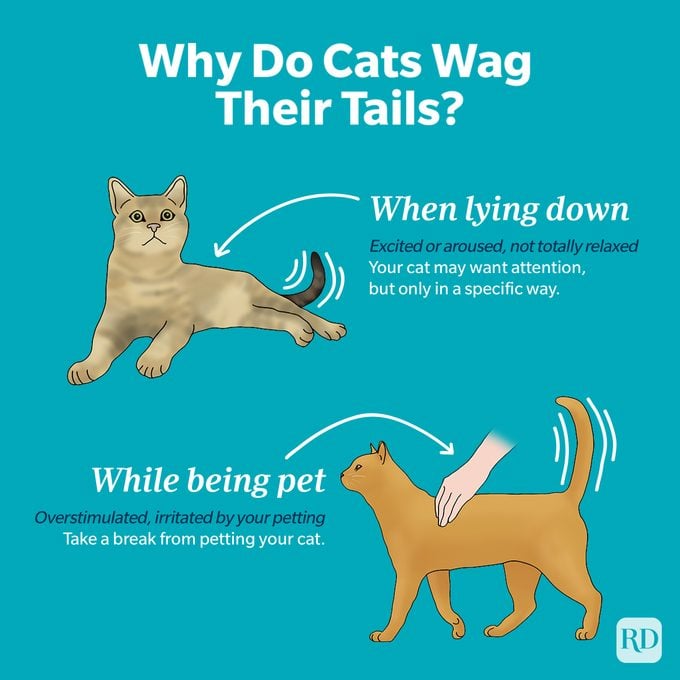
Pay attention to their reactions. A cat that leans into your hand or purrs is telling you it feels safe and happy. On the other hand, twitching tails or flattened ears indicate they want to stop. Have you ever noticed your cat’s sudden change in behavior while petting? That’s their way of communicating boundaries.
Expressing Needs
When your cat nudges your hand or rubs against you, it’s not just seeking affection—it’s asking for something. Sometimes, petting is a request for attention, reassurance, or even help. Your cat might want food, playtime, or simply your presence.
Recognizing these signals can help you respond better to your cat’s needs. If petting calms them down after a stressful event, it’s their way of saying they trust you. Have you ever noticed your cat approaching you specifically for a pet? They’re actively choosing communication through touch.
Health And Well-being
Cats enjoy being petted because it benefits their health and well-being. Petting helps cats relax and feel safe. It also supports their physical and emotional health in many ways. Understanding these benefits explains why cats often seek out human touch.
Physical Benefits
Petting helps cats reduce stress and lower their heart rates. Gentle strokes stimulate blood flow and improve circulation. This activity can ease muscle tension and joint pain. It also encourages grooming by increasing comfort. Regular petting supports a cat’s overall physical health.
Emotional Connection
Touch creates trust between cats and their owners. Petting releases calming hormones like oxytocin in cats. This hormone helps cats feel safe and loved. It reduces anxiety and promotes a strong bond. Cats that are petted often show more affection and happiness.
Frequently Asked Questions
Why Do Cats Enjoy Being Pet?
Cats enjoy being pet because it mimics grooming, which strengthens bonds. Petting also releases feel-good hormones like endorphins. This calms them and creates comfort, making petting a positive interaction for cats.
How Does Petting Benefit A Cat’s Health?
Petting reduces stress and lowers heart rate in cats. It also boosts their immune system and relieves anxiety. Regular gentle petting promotes relaxation and overall well-being for your feline friend.
What Types Of Petting Do Cats Prefer?
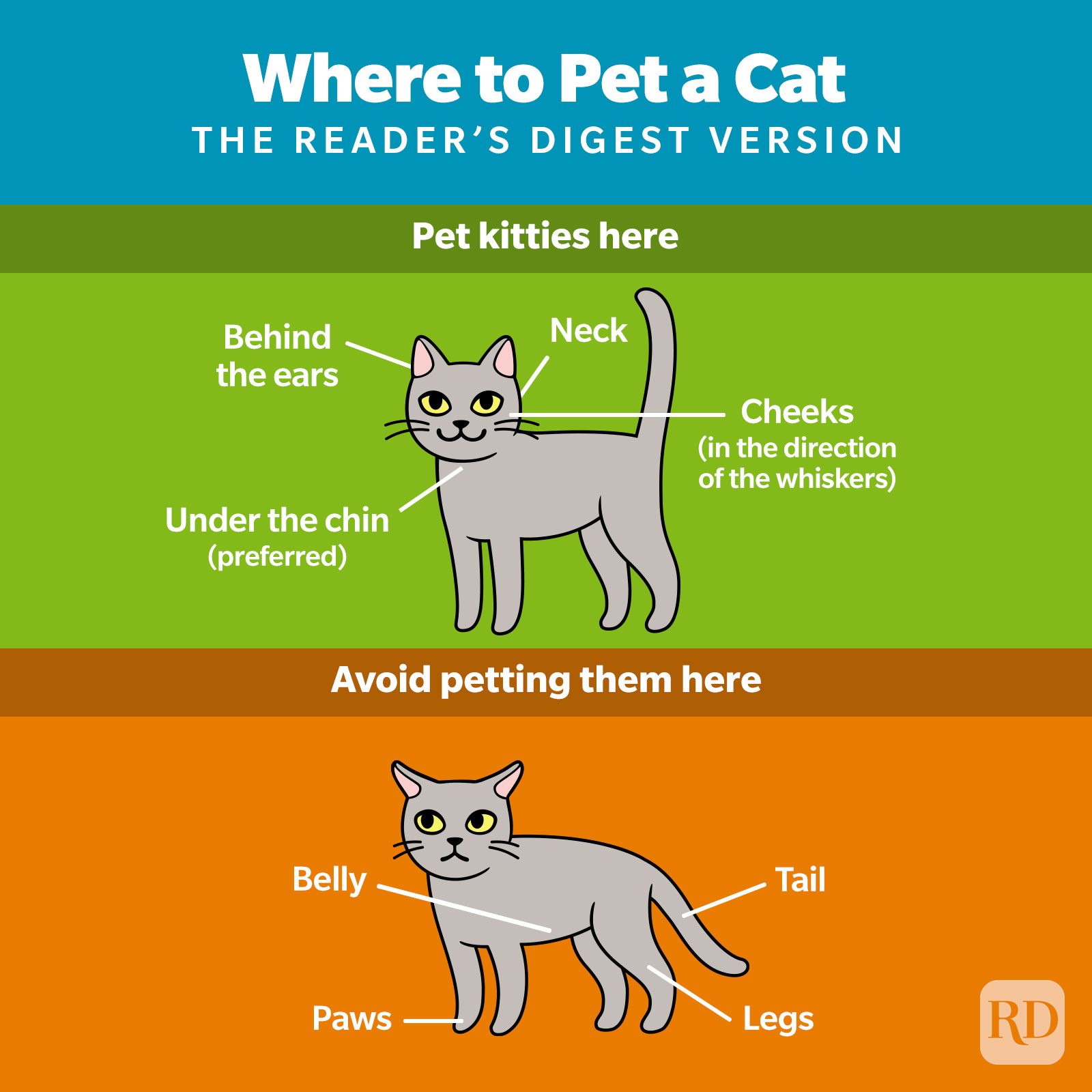
Most cats prefer gentle stroking on the head, chin, and back. Rough or fast petting can cause discomfort. Watching their reactions helps identify their favorite petting spots.
Can Petting Help Build Trust With Cats?
Yes, petting builds trust by showing affection and care. It creates positive associations and helps shy cats feel safe. Consistent gentle petting strengthens your bond over time.
Conclusion
Cats enjoy being pet because it feels safe and comforting. Petting helps them relax and bond with you. It also shows trust and love between you and your cat. Paying attention to their body language is key to knowing when they want pets.
Gentle strokes make them happy and calm. Remember, every cat is different and may like different types of touch. Enjoy the quiet moments of petting—they build a strong friendship. Simple acts of care make cats feel loved and secure. Petting is more than touch; it’s a way to connect.
