

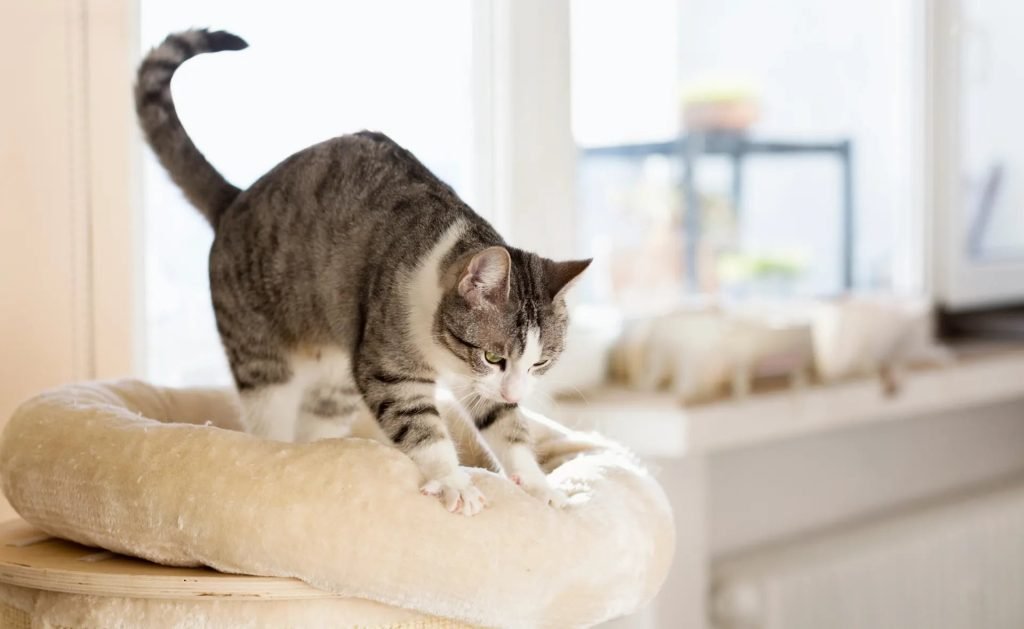
Have you ever noticed your cat pressing its paws rhythmically into your blanket, almost like it’s making dough? This curious behavior, called kneading, might seem odd at first, but it’s full of meaning.
Understanding why your cat kneads a blanket can help you connect with your furry friend on a deeper level. Keep reading, and you’ll discover surprising reasons behind this soothing action—reasons that might change the way you see your cat’s quirky habits forever.

Credit: tryfurgo.com
Kneading Behavior In Cats
Cats exhibit many fascinating behaviors, one being kneading. This rhythmic action, often on soft surfaces like blankets, has intrigued pet owners for years. Understanding why cats knead can provide insight into their natural instincts and emotional needs.
What Is Kneading?
Kneading involves a cat pressing its paws into a soft surface, alternating between left and right. This movement resembles a baker kneading dough, which explains the term. It’s a common behavior among felines, both young and adult.
This action often accompanies purring, indicating a cat’s contentment and relaxation. Kneading is a natural and instinctual habit, rooted in their early kittenhood.
How Cats Knead
Cats use their front paws to knead, pushing down gently and pulling back. They might extend and retract their claws during the motion. Each cat has a unique kneading style, varying in speed and pressure.
Some cats knead with all four paws, though this is less common. The behavior is typically accompanied by a trance-like expression, showing their comfort and satisfaction.
While kneading, cats may purr loudly, signaling a deep state of relaxation. This soothing action can calm them and reinforce their bond with their environment.
Origins Of Kneading
The origins of cats kneading a blanket trace back to their earliest moments of life. This behavior is deeply rooted in instinct and serves several important purposes beyond just comfort. Understanding these origins helps you see why your cat’s kneading is more than a quirky habit—it’s a natural and meaningful action.
Kitten Nursing Reflex
When kittens nurse, they rhythmically press their paws against their mother’s belly. This kneading action helps stimulate milk flow, ensuring they get enough nourishment. Even as adult cats, this reflex remains, often triggered when they feel safe and content.
If you watch your cat kneading a soft blanket, you’re seeing a reminder of those early days. It’s like a comforting carryover from kittenhood, showing your cat feels secure around you.
Instinctual Comfort Actions
Kneading is also an instinctual way cats mark their territory and create a cozy space. Their paws have scent glands that release pheromones during kneading, quietly signaling, “This is mine.”
Think about how your cat chooses a favorite spot and then kneads before settling down. This simple act helps them feel at home and calm. Next time your cat kneads your blanket, notice how it’s not just about softness—it’s about creating a personal safe zone.
Emotional Reasons Behind Kneading
Cats knead blankets for many emotional reasons. This behavior shows their feelings and needs. It is a way for cats to communicate without words. Understanding why cats knead helps strengthen the bond between you and your pet.
Expressing Affection
Kneading is a sign of love and trust. Cats often knead their owners or favorite blankets to show they feel safe. This action reminds them of kittenhood when they kneaded their mother to get milk. It is a gentle way to say, “I love you.”
Seeking Comfort And Security
Blankets feel soft and warm, making cats feel calm. Kneading helps cats relax and reduce stress. They create a cozy spot to rest or sleep. This action soothes their nerves and helps them feel protected.
Marking Territory
Cats have scent glands in their paws. When they knead, they leave their scent on the blanket. This marks the blanket as their personal space. It tells other animals that this spot belongs to them. It is a quiet way to claim territory.

Credit: www.petscare.com
Physical Benefits Of Kneading
Watching your cat knead a blanket might seem like a simple, cute habit. But behind this repetitive motion lies real physical benefits that help keep your feline friend healthy and comfortable. Understanding these benefits can deepen your appreciation for this common cat behavior.
Stretching Muscles
Kneading acts like a gentle stretch for a cat’s muscles, especially in their paws and legs. Each push helps loosen tight muscles and tendons, keeping them flexible and strong.
Think about how you stretch after waking up or sitting for a long time—your cat is doing something similar. This movement can prevent stiffness and promote ease of movement throughout their day.
Improving Circulation
When cats knead, they also stimulate blood flow in their paws and legs. The rhythmic pressure encourages better circulation, delivering oxygen and nutrients to these areas.
Better circulation supports healthy tissue and can speed up recovery if your cat has minor injuries or soreness. Next time your cat kneads your lap, remember they’re giving their body a little boost.
Why Blankets Are Popular Targets
Cats often choose blankets as their favorite spot to knead. Blankets offer a safe and cozy place that cats find comforting. The texture and warmth of a blanket make it an ideal target for their kneading behavior. This action helps cats feel calm and secure. Understanding why blankets attract cats helps pet owners provide better comfort.
Softness And Texture Appeal
Cats love soft surfaces for kneading. Blankets have a gentle texture that feels good under their paws. The softness mimics the feeling of their mother’s fur. This texture encourages cats to press and push repeatedly. It creates a soothing and relaxing experience for them. Rough or hard surfaces do not offer the same comfort.
Warmth And Familiar Scents
Blankets hold warmth that cats enjoy. The heat from the blanket keeps them cozy during kneading. Blankets also carry familiar scents from their owners. These smells make cats feel safe and calm. The warmth and scent together create a perfect resting spot. Cats return to blankets because they feel secure and loved.
How To Respond To Kneading
Responding to a cat’s kneading helps build trust and comfort. Recognize this behavior as a sign of affection and relaxation. Your reaction can encourage your cat to feel safe and happy. Gentle responses strengthen your bond and make your cat feel loved.
Encouraging Positive Behavior
Allow your cat to knead on soft blankets or cushions. Provide cozy spots where your cat can knead freely. Praise your cat with soft words or gentle petting during kneading. Offer treats after kneading to reward this calm behavior. Avoid scolding or pushing your cat away, as it may cause stress.
Protecting Yourself From Claws
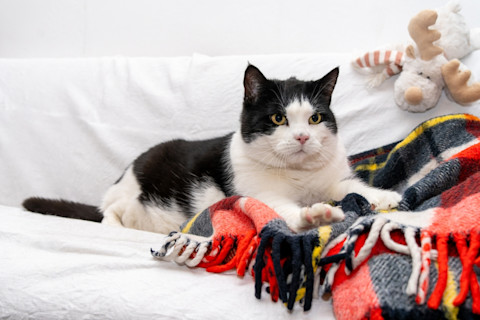
Keep your cat’s nails trimmed to reduce scratching damage. Use a thick blanket to protect your skin during kneading. Place a towel over your lap when your cat kneads there. Redirect kneading to a designated blanket or stuffed toy. If claws cause discomfort, gently move your cat to a safer spot.
Credit: www.discovermagazine.com
Frequently Asked Questions
Why Do Cats Knead Blankets Often?
Cats knead blankets to mark territory and feel comfort. Their paw pads release scent from glands. This action reminds them of kittenhood and safety.
What Does Cat Kneading Mean Emotionally?
Kneading shows contentment and relaxation in cats. It signals that they feel secure and happy in their environment. It’s a form of self-soothing behavior.
Do Cats Knead Only Soft Blankets?
Cats prefer soft, cozy surfaces but may knead other textures. They seek comfort and warmth when kneading. Blankets are ideal for this behavior.
Can Kneading Damage Blankets Or Furniture?
Kneading can sometimes cause minor wear on blankets. Cats extend and retract claws gently, but repeated kneading may fray fabric over time. Regular trimming of nails helps reduce damage.
Conclusion
Cats knead blankets to feel safe and comfortable. This behavior comes from kittenhood when they kneaded their mother to get milk. Kneading also helps cats mark their space with scent from their paws. When your cat kneads, it shows trust and contentment.
Understanding this habit helps you bond better with your pet. Next time your cat kneads, remember it means they feel happy and relaxed. Simple actions like this make pet care more meaningful and enjoyable.
