

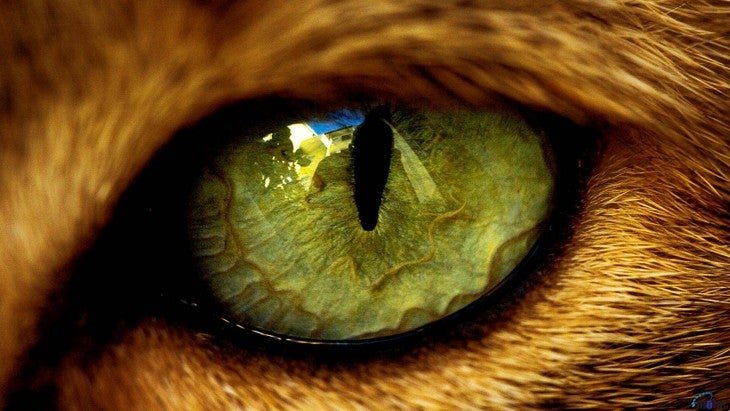
Have you ever looked into a cat’s eyes and noticed their unique, vertical pupils? It’s something that sets them apart from many other animals, and it’s more than just a cool feature.
Understanding why cats have vertical pupils can give you surprising insights into how they see the world and hunt with such precision. If you’ve ever wondered about this curious trait, keep reading—you’ll discover fascinating facts that will change the way you look at your feline friend forever.
Cat Eye Anatomy
Cats have vertical pupils to control light better and improve hunting in low light. This shape helps them focus quickly and see depth clearly. It suits their active night and day lifestyle perfectly.
Cat eyes are a marvel of nature. They possess a unique anatomy that aids their survival. Their eyes are designed for precision and clarity, especially in low light. Let’s delve into the fascinating structure and function of a cat’s eye.Structure Of The Cat’s Eye
A cat’s eye contains several key components. The cornea is the clear front layer. It allows light to enter. Behind it lies the lens. It focuses light onto the retina. The retina is crucial. It contains cells that detect light and color. These cells are called rods and cones. Cats have more rods than humans. This gives them excellent night vision. The tapetum lucidum is another vital part. It is a reflective layer behind the retina. It enhances low-light vision. It reflects light through the retina a second time. This is why cat eyes glow in the dark.Role Of The Pupil In Vision
The pupil is the eye’s opening. It controls how much light enters. In cats, the pupil is vertical. This shape offers several advantages. Vertical pupils can change size rapidly. They expand and contract swiftly. This allows cats to adapt to sudden light changes. In bright light, the pupils become thin slits. This reduces light entry and protects the retina. In darkness, they widen significantly. This maximizes the light entering the eye. This feature is essential for hunting at night. Vertical pupils also provide depth perception. This helps cats judge distances accurately. A vital skill for stalking prey. The pupil’s unique shape aids in their survival, making them efficient hunters.
Credit: www.purina.com
Vertical Pupils Explained
Understanding why cats have vertical pupils can change the way you see these mysterious creatures. Their eyes are not just beautiful; they serve a very practical purpose that helps cats thrive as hunters and survivors. Let’s break down what makes these pupils so unique and useful.
Shape And Function
Vertical pupils are narrow slits that adjust quickly to different light levels. This shape allows cats to control how much light enters their eyes with great precision.
During the day, their pupils can close to tiny slits to protect their sensitive eyes from bright light. At night, these pupils open wide to gather as much light as possible, enhancing their night vision.
Have you noticed how your cat’s eyes seem to change size depending on the time of day or how alert they are? That’s the vertical pupil at work, helping them focus sharply on their surroundings.
Comparison With Other Animals
Not all animals have vertical pupils. Predators like foxes and snakes often share this trait because it helps judge distance and depth better when hunting.
Herbivores, such as deer and sheep, usually have horizontal pupils. This helps them scan wide areas for predators, rather than focusing on a single target.
Think about how your cat’s hunting style differs from a dog’s. Dogs have round pupils, which suit their chasing tactics, while cats rely on stealth and precision—exactly what vertical pupils support.
Advantages Of Vertical Pupils
Cats have vertical pupils for several key reasons. These pupils offer unique advantages that help cats in their daily life. From seeing clearly to catching prey, vertical pupils play a vital role.
Enhanced Depth Perception
Vertical pupils help cats judge distance better. This sharp depth perception is crucial for jumping and pouncing. Cats can land precisely on small surfaces or catch fast-moving prey.
The shape allows better focus on objects at different distances. It gives cats an edge in navigating complex environments with ease.
Improved Light Control
Vertical pupils adjust quickly to light changes. They can open wide in darkness to let in more light. In bright light, they close into a narrow slit to reduce glare.
This control protects the cat’s sensitive eyes from damage. It also helps maintain clear vision in various lighting conditions.
Stealth And Hunting Benefits
Vertical pupils help cats stay hidden from prey. The narrow shape reduces eye glare that might reveal their presence. Cats can sneak closer without being noticed.
During a hunt, sharp vision and light control combine. This lets cats strike accurately and quietly, increasing their success rate.
Evolutionary Reasons
The shape of a cat’s pupils is not random; it is the result of millions of years of evolution. Vertical pupils have developed to serve very specific purposes that help cats survive and thrive in their environments. Understanding these evolutionary reasons can give you a deeper appreciation of your feline friend’s unique vision.
Adaptation To Predatory Lifestyle
Cats are natural hunters, and their vertical pupils play a crucial role in stalking and capturing prey. This shape allows them to precisely control the amount of light entering their eyes, which is vital for spotting movement in low light conditions.
When your cat is watching a tiny insect or a mouse, those vertical slits help it judge distance and focus sharply. This ability to switch quickly between wide-open pupils at dusk and narrow slits in bright daylight makes hunting more efficient.
Have you noticed how your cat’s eyes change size dramatically? This change is part of their built-in system to optimize vision for sneaky hunting at dawn or dusk, when many prey animals are active.
Environmental Influences
Vertical pupils are particularly useful in environments where light levels vary greatly. Cats evolved in habitats with shifting light, such as forests or tall grasses, where shadows and sunlight mix unpredictably.
This pupil shape helps them adapt to sudden changes in brightness without losing sight of potential threats or food. It acts like a natural camera aperture, letting in just the right amount of light to keep vision sharp and clear.
Think about how your cat’s eyes react when you turn on a bright light suddenly. Those vertical slits narrow instantly, protecting their sensitive retinas. This quick adjustment is a direct result of environmental pressures shaping their eye structure over time.
Cats Vs. Other Predators
Cats have unique eyes compared to many predators. Their vertical pupils set them apart from animals with round pupils. This difference helps cats hunt better in different light conditions. Comparing cats to other predators shows how their eyes suit their lifestyle and hunting methods.
Vertical Vs. Round Pupils
Most predators have round pupils. Lions, wolves, and eagles have them. Cats, like house cats and tigers, have vertical slit pupils. Vertical pupils help control how much light enters the eye. They can open wide at night and close to a thin line during the day. This gives cats sharper focus and better depth perception.
Round pupils work well for animals that chase prey over long distances. Vertical pupils help cats judge distance better for pouncing. This helps cats catch quick, small animals in close range.
Daytime Vs. Nighttime Hunters
Cats are mostly crepuscular or nocturnal hunters. They hunt at dawn, dusk, or night. Their vertical pupils let in more light in dark conditions. This improves their night vision and helps them spot prey in low light.
Other predators with round pupils often hunt in bright daylight. They rely on sharp vision in strong light rather than in the dark. Cats’ eyes adapt quickly to changes in light. This gives them an advantage in mixed light conditions.

Credit: www.youtube.com
Pupil Changes And Behavior
Cats’ vertical pupils are more than just a unique physical trait—they play a crucial role in their behavior and how they interact with their surroundings. These pupils change shape and size rapidly, reflecting what your cat is feeling and how it perceives the world. Understanding these changes can give you a deeper insight into your feline friend’s emotions and reactions.
Pupil Dilation And Emotion
Your cat’s pupils can tell you a lot about its mood. When a cat’s pupils dilate, becoming large and round, it often signals excitement, fear, or curiosity. Have you ever noticed your cat’s eyes widen when it’s playing or when something unexpected happens? That’s its way of taking in more visual information to react quickly.
Conversely, when pupils are narrow slits, it usually means your cat is calm, focused, or even feeling aggressive. You might see this when your cat is stalking a toy or intently watching a bird outside. These pupil changes aren’t random—they’re linked directly to your cat’s emotional state.
Response To Light And Movement
Cats’ vertical pupils adjust quickly to changes in light, helping them see clearly whether it’s bright daylight or a dim room. This ability lets them hunt effectively at dawn or dusk, times when other predators might struggle. Have you noticed how your cat’s eyes seem to glow in the dark? That’s partly due to the way their pupils work with their night vision.
Movement also triggers pupil changes. When something moves suddenly, your cat’s pupils often dilate to capture the action more sharply. This quick adjustment helps them react faster, whether it’s chasing a toy or escaping danger.
Implications For Cat Owners
The unique vertical pupils of cats hold important clues for cat owners. Understanding these can improve how you care for your pet. These pupils are not just for looks—they affect how cats see and react to their environment. Knowing what changes in their pupils mean can help you read your cat’s mood and keep their eyes healthy. This knowledge deepens the bond between you and your feline friend.
Reading Cat’s Mood
Vertical pupils help cats control the amount of light entering their eyes. Narrow pupils often show alertness or aggression. Wide pupils usually mean your cat feels scared or excited. Watch for sudden changes in pupil size during play or rest. It gives clues about how your cat feels inside. Learning these signs helps you respond better to your cat’s needs.
Ensuring Eye Health
Healthy vertical pupils react quickly to light changes. Uneven or fixed pupils may signal health problems. Eye infections or injuries can affect pupil shape or response. Check your cat’s eyes regularly for redness or discharge. Visit a vet if you notice unusual pupil behavior. Early care protects your cat’s vision and comfort.

Credit: www.youtube.com
Frequently Asked Questions
Why Do Cats Have Vertical Slit Pupils?
Cats have vertical slit pupils to control light entry precisely. This helps them see clearly in both bright and low light conditions, enhancing their hunting skills and night vision.
How Do Vertical Pupils Improve A Cat’s Vision?
Vertical pupils adjust quickly to changes in light. They allow cats to judge distances better and focus sharply on prey, especially in dim environments.
Are Vertical Pupils Unique To Cats Only?
No, vertical pupils are common in many nocturnal predators. This eye shape helps animals like snakes and foxes to hunt efficiently at night.
Do Vertical Pupils Affect A Cat’s Depth Perception?
Yes, vertical pupils enhance depth perception. They help cats accurately judge distances, which is crucial for pouncing on prey and navigating their surroundings.
Conclusion
Cats have vertical pupils to help them see better in many light conditions. These special eyes help cats focus on their prey quickly and clearly. Their pupils change size to control how much light comes in, making hunting easier day or night.
This unique feature gives cats an advantage in the wild and at home. Understanding why cats have these eyes helps us appreciate their amazing skills. Cats truly have one of the best eyesight designs in nature.
