

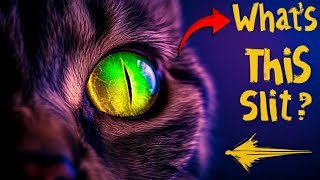
Have you ever looked into a cat’s eyes and noticed their unique, slitted pupils? It’s a small detail, but it holds a fascinating secret about how your feline friend sees the world.
Understanding why cats have slitted pupils can change the way you think about their behavior and how they interact with their surroundings. Keep reading, because what you’re about to discover will surprise you—and it might even help you connect with your cat on a whole new level.
Purpose Of Slitted Pupils
Cats have slitted pupils to control the amount of light entering their eyes. This helps them see clearly in both bright daylight and low light conditions. The shape also improves their ability to judge distance while hunting.
Cats are fascinating creatures with many unique features, and their slitted pupils are no exception. These vertical slits are more than just a distinctive trait; they serve several critical functions that help cats thrive both as hunters and companions. Understanding the purpose of slitted pupils not only deepens your appreciation for your feline friend but also unveils the science behind their exceptional vision.Enhancing Night Vision
Cats are known for their remarkable ability to see in the dark. The slitted shape of their pupils plays a crucial role in this. It allows them to open wider in low-light conditions, maximizing the amount of light that enters the eye. This adaptation is perfect for nocturnal hunters who need to spot prey in dim environments. Have you ever noticed your cat’s eyes glowing in the dark? That’s due to a layer behind the retina called the tapetum lucidum, which reflects light back through the retina, enhancing their night vision even more.Improving Depth Perception
Depth perception is vital for a predator that pounces on its prey. The slitted design helps cats judge distances with precision. Vertical pupils provide better depth cues, allowing cats to determine how far away an object is, whether it’s a toy or a mouse. This feature is why cats are such effective hunters, able to leap and catch with impressive accuracy. Have you ever watched your cat calculate a jump before springing into action? Their pupils are working hard to ensure that leap lands perfectly.Controlling Light Intake
Managing the amount of light that enters the eye is essential for any creature. Cats’ slitted pupils can narrow to a tiny slit in bright sunlight to protect their sensitive eyes. This ability helps prevent overexposure to light, which can damage the retina. In this way, cats maintain optimal vision, regardless of the lighting conditions. Next time you’re out with your cat on a sunny day, notice how their pupils adjust—it’s a testament to nature’s ingenuity in design.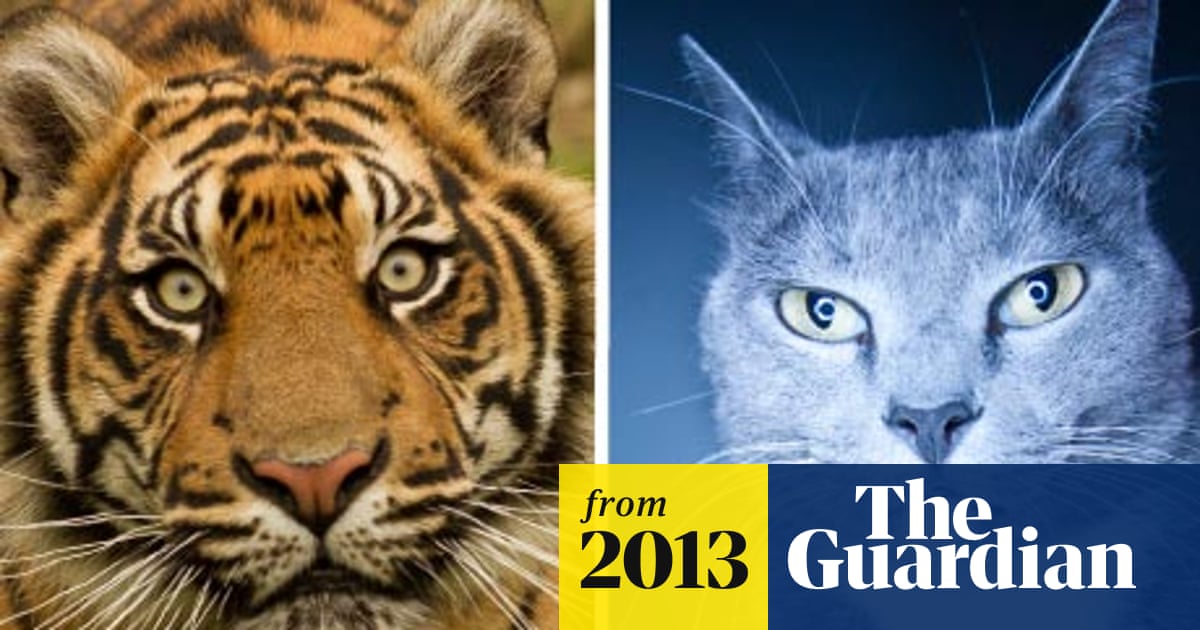
Credit: www.theguardian.com
Comparison With Other Animals
Comparing cats’ slitted pupils with the eyes of other animals reveals fascinating differences in how vision adapts to lifestyle and environment. These variations affect how animals hunt, avoid danger, and navigate their world.
Vertical Vs. Round Pupils
Vertical slits, like those in cats, provide precise control over light entering the eye. This sharp adjustment helps cats see clearly in both bright daylight and near darkness.
In contrast, many prey animals have round pupils that offer a wider field of view, allowing them to spot predators from many angles. Think about a deer grazing—its round pupils help monitor surroundings effectively.
Predatory Advantages
Vertical pupils give predators like cats an edge when stalking prey. They enhance depth perception and improve focus on moving targets.
This pupil shape also allows a swift change in pupil size, protecting sensitive eyes during sudden light changes, such as when jumping from shadows into sunlight.
Have you noticed how your cat’s eyes seem to change size quickly? That’s this exact advantage in action.
Adaptations In Different Species
Not all predators have vertical pupils. Crocodiles and some snakes have similar slits, but large cats like lions sport round pupils to suit their active daylight hunting.
Meanwhile, animals like goats have horizontal pupils, helping them scan the horizon for threats while feeding.
This diversity shows how pupil shape matches each species’ unique needs and environment.
Anatomy Behind The Slit
Cats have unique eyes that help them see well in many conditions. Their slitted pupils are not just for looks. These pupils are shaped and controlled by special parts inside the eye. Understanding the anatomy behind the slit reveals how cats adapt to different light levels quickly and efficiently.
Muscle Structure
The cat’s iris contains tiny muscles that control the pupil size. These muscles work like a curtain, opening and closing the pupil. Two main muscle groups are involved:
- Sphincter muscles:These circular muscles contract to make the pupil smaller.
- Dilator muscles:These muscles pull outward to widen the pupil.
This muscle balance allows the pupil to change shape rapidly. It helps cats protect their sensitive eyes from bright light and capture more light in the dark.
Pupil Shape Mechanics
The slit shape of the pupil is very different from round pupils in humans. This shape gives cats several visual advantages:
- Precise control of light entering the eye.
- Better depth perception for hunting.
- Sharper focus on objects at different distances.
The vertical slit can close tightly in bright light, reducing glare. At night, it opens wide to collect as much light as possible. This shape also helps cats judge distances accurately, crucial for jumping and catching prey.
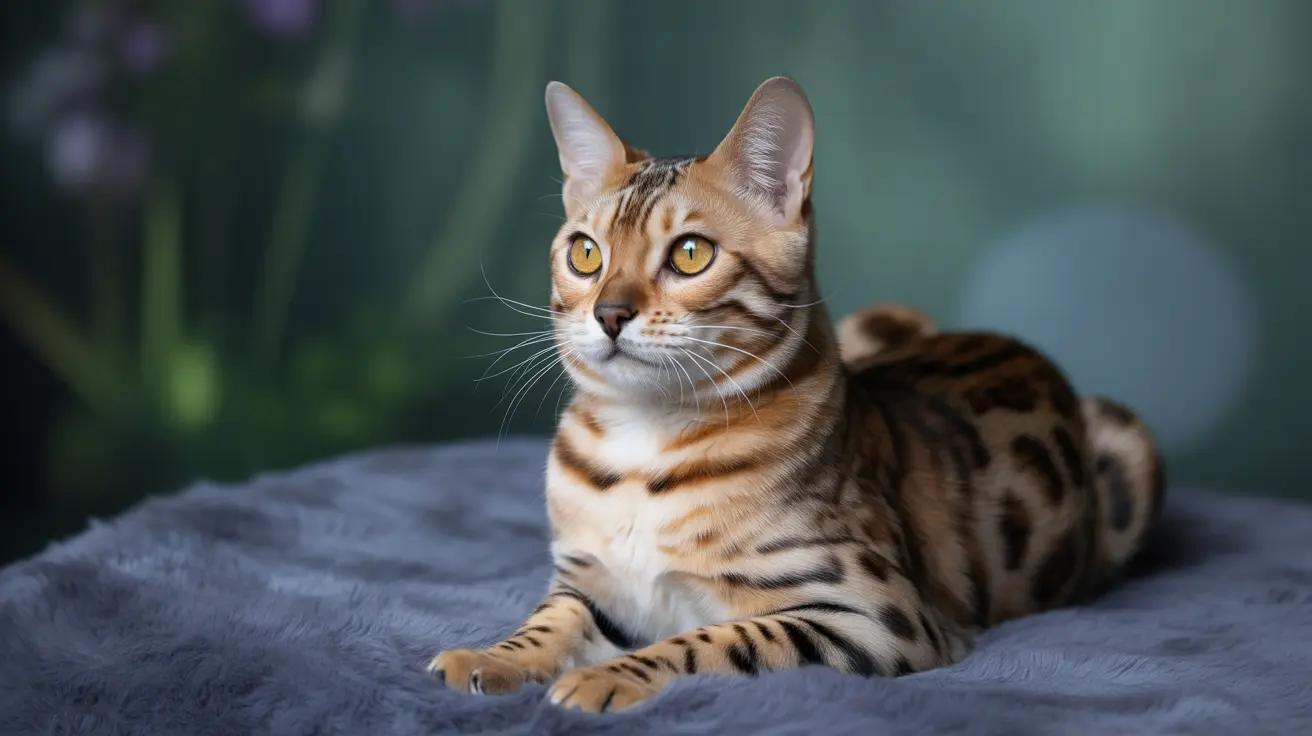
Credit: www.petscare.com
Behavioral Impacts
The slitted pupils of cats are more than just a unique physical feature; they deeply influence how cats behave and interact with their environment. These vertical slits give cats remarkable control over how much light enters their eyes, affecting their ability to hunt and communicate. Understanding these behavioral impacts offers insight into why cats are such effective predators and how they convey their feelings without making a sound.
Hunting Efficiency
Slitted pupils help cats adjust quickly to changing light conditions, which is crucial when stalking prey. You might notice your cat’s pupils narrow to thin lines in bright daylight, giving them sharp focus. At night or in dim light, their pupils widen dramatically, allowing more light in to spot even the slightest movement.
This ability improves their depth perception and accuracy when pouncing on prey. Have you ever watched a cat patiently wait before striking? Their eyes, with those narrow slits, are finely tuned to detect the smallest twitch of a mouse or bird. This precise control over light entry means cats can hunt efficiently at dawn, dusk, or in total darkness.
Communication Through Eyes
Cats also use their slitted pupils to send silent messages. When a cat’s pupils dilate fully, it often signals excitement, fear, or curiosity. Conversely, narrow pupils can indicate calmness or aggression, depending on the situation.
Have you ever noticed your cat’s pupils suddenly change size when you approach? This shift can be a clue to their mood before they even vocalize. By paying attention to these subtle changes, you can better understand your cat’s feelings and respond accordingly.
Evolutionary Benefits
Cats have slitted pupils for important evolutionary reasons. These unique eyes help cats survive and thrive in their environments. The shape of the pupil gives cats an advantage in hunting and protecting themselves. This feature is not random but shaped by nature over millions of years. Understanding these benefits reveals how cats adapted perfectly to their world.
Survival And Adaptation
Slitted pupils allow cats to control how much light enters their eyes. They can narrow their pupils to a thin slit in bright light. This sharp control protects their sensitive eyes from damage.
At night or in low light, cats can open their pupils wide. This lets in more light and improves their night vision. This ability helps cats hunt better in the dark.
The slit shape also helps cats judge distances quickly. This skill is vital for catching fast-moving prey. It helps them pounce accurately and avoid missing their target.
Environmental Influences
Cats live in many environments, from forests to deserts. Slitted pupils help them adapt to different lighting conditions.
In bright daylight, cats can reduce glare by narrowing their pupils. In shaded or dim areas, wide pupils gather more light. This flexibility helps cats stay alert in varied habitats.
Environmental pressures, like the need to hunt at dawn or dusk, favored cats with slitted pupils. Over time, this trait became common because it increased their chances of survival.
Credit: www.amcny.org
Frequently Asked Questions
Why Do Cats Have Vertical Slit Pupils?
Cats have vertical slit pupils to control light entry precisely. This helps them see well in both bright and low light conditions, aiding their hunting skills.
How Do Slitted Pupils Benefit Cats’ Vision?
Slitted pupils allow cats to adjust to various light levels quickly. They enhance depth perception and improve focus on prey, especially during dawn and dusk.
Are Slitted Pupils Unique To Cats?
No, many nocturnal predators like snakes and foxes have slitted pupils. This trait helps animals hunt efficiently in low-light environments.
Do Slitted Pupils Affect Cats’ Night Vision?
Yes, slitted pupils maximize light intake in the dark. This improves cats’ ability to see and move stealthily at night.
Conclusion
Cats have slitted pupils for sharp vision in light and dark. This unique feature helps them hunt and stay safe. Their eyes adjust quickly, giving them an edge in many situations. Slits also protect their eyes from too much sunlight.
Knowing this makes us appreciate cats more. Their eyes tell a story of survival and skill. Next time you see a cat, notice those slits closely. They are small but mighty tools for a cat’s life. Simple yet smart design by nature.
