

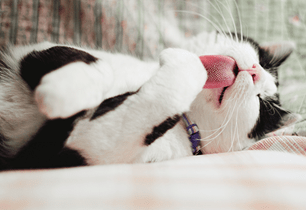
Have you ever wondered why your cat’s tongue feels so rough when you pet them or give them a lick? That surprising texture isn’t just random—it plays a big role in how your furry friend eats, grooms, and even stays healthy.
Understanding why cats have rough tongues will give you a new appreciation for these mysterious pets and help you connect with them in a deeper way. Keep reading to discover the fascinating reason behind this unique feature and how it benefits your cat every day.
Credit: knowledgeisknowledge9.medium.com
Cat Tongue Anatomy
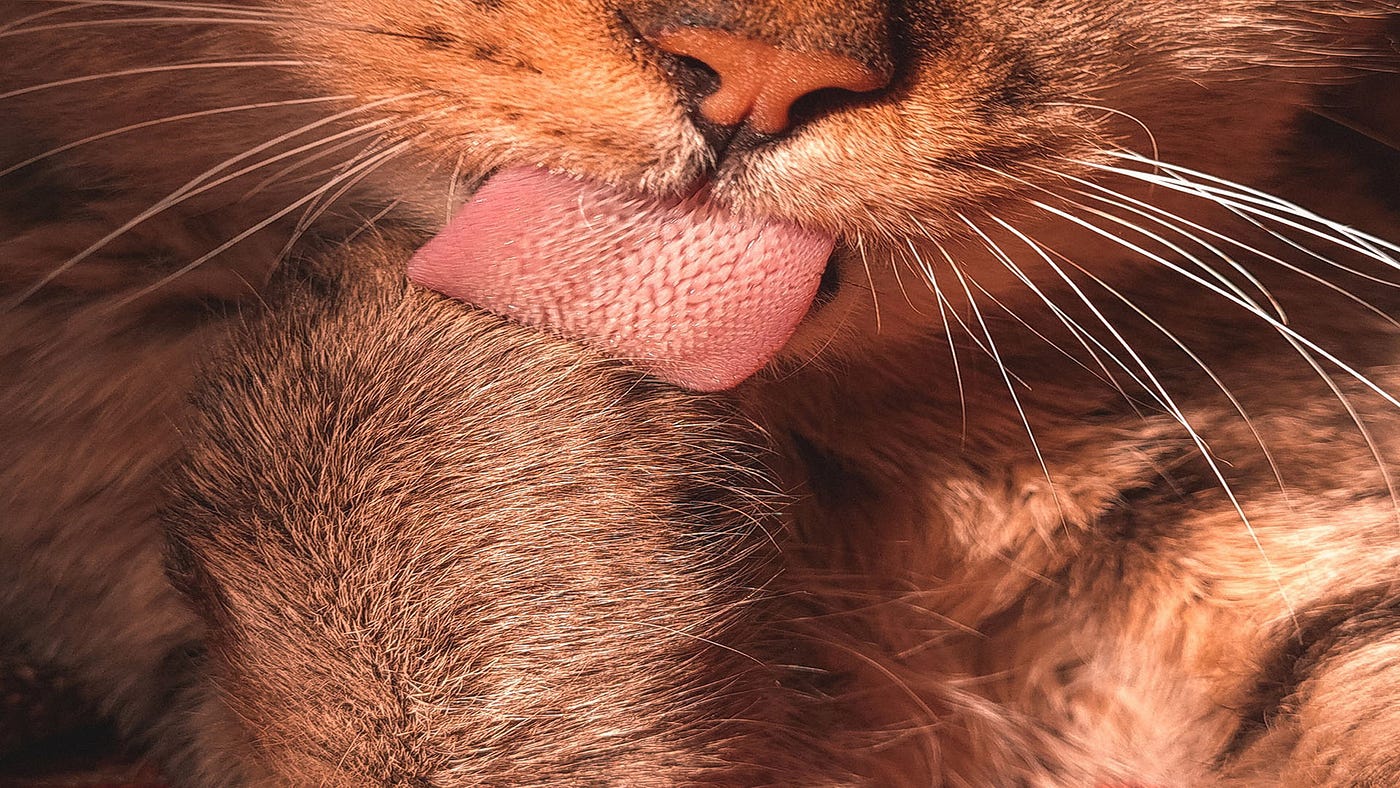
Cats have rough tongues because they are covered with tiny, hook-like structures called papillae. These help them groom fur and scrape meat from bones efficiently. The texture also aids in cleaning and keeping their coat smooth.
Understanding why cats have rough tongues starts with exploring the fascinating anatomy of their tongues. Imagine a tool designed for eating, grooming, and more, all wrapped up in one. That’s precisely what a cat’s tongue is! Let’s dive into the intricate details that make a cat’s tongue so unique.Papillae Structure
The surface of a cat’s tongue is covered with tiny, hook-like structures called papillae. These papillae are what give the tongue its rough texture. They are backward-facing and shaped like little barbs, which help cats groom their fur efficiently by catching loose hairs and debris. During grooming, these papillae act like a comb, untangling knots and keeping their fur in top condition. When a cat licks you, you’ll notice the sandpaper-like feel, which is a direct result of these papillae. This structure also plays a crucial role when a cat is eating, as it helps grip food, making it easier to tear and chew.Keratin Composition
The roughness of a cat’s tongue is further enhanced by the keratin that makes up the papillae. Keratin is a tough, fibrous protein that you also find in human nails and hair. In cats, it provides the necessary hardness and durability to their tongues. Keratin’s strength means these tiny hooks can withstand the daily demands of grooming and eating without wearing down easily. This durability ensures that cats can maintain their coats and consume their prey effectively. Have you ever wondered why cats are such meticulous groomers? Their tongues, equipped with keratin-rich papillae, are perfectly designed for the job. This combination of structure and material is a marvel of nature, allowing cats to thrive both in the wild and at home. So next time your cat gives you a rough lick, think about the incredible design behind that tiny tongue. Isn’t it amazing how such a small detail plays a big role in a cat’s life?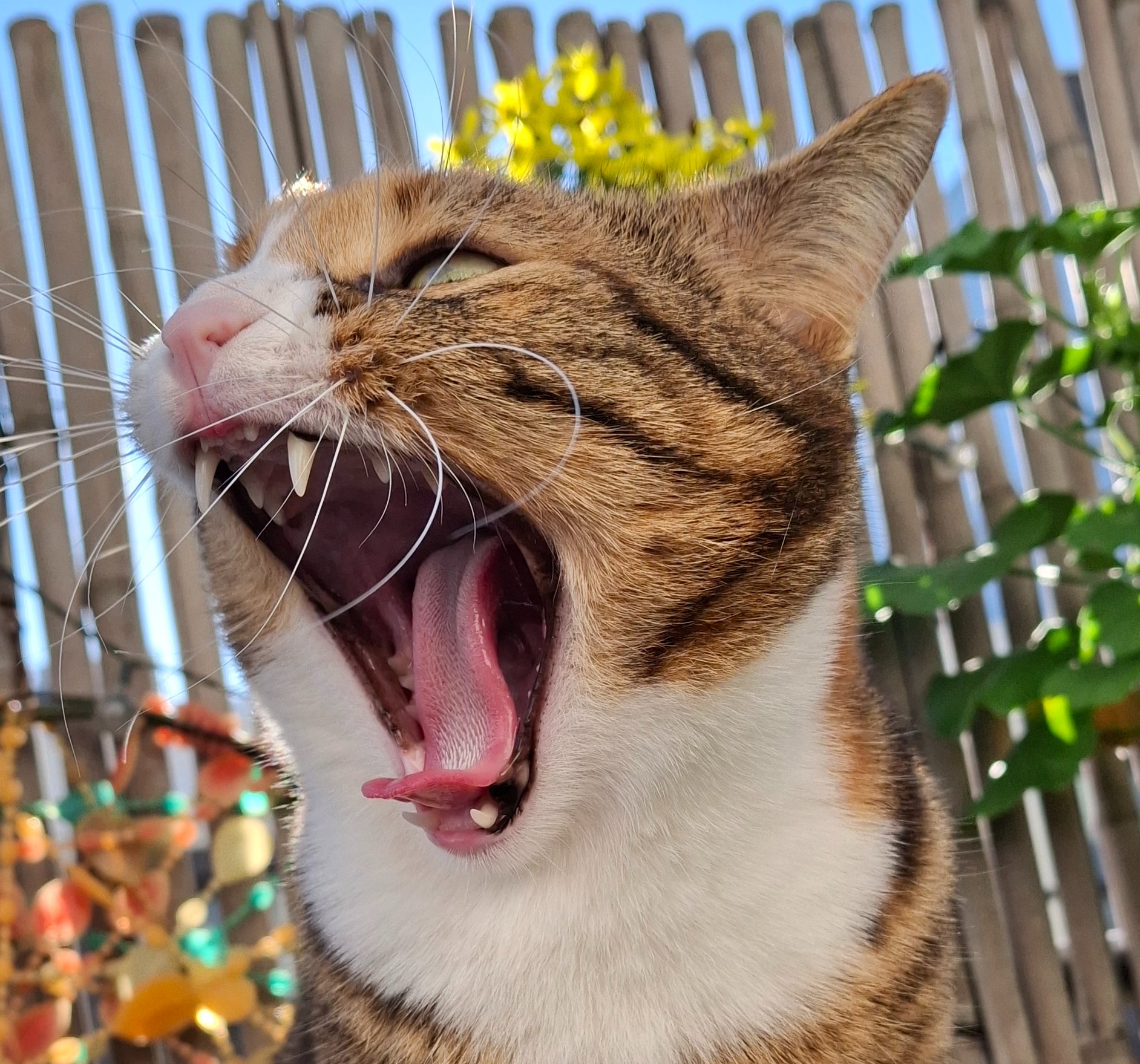
Credit: catsofcapetown.com
Functions Of A Rough Tongue
The rough texture of a cat’s tongue is more than just a quirky feature—it serves several important functions that help cats thrive in their daily lives. This unique design supports their hygiene, eating habits, and even temperature control. Understanding these roles can help you appreciate why your feline friend’s tongue feels the way it does.
Grooming Benefits
Have you ever noticed how thoroughly your cat cleans itself? The tiny, hook-shaped structures called papillae on their tongue act like a natural brush. These hooks catch loose fur and dirt, removing them efficiently while distributing natural oils across their coat.
This grooming process not only keeps your cat looking sleek but also prevents skin infections and matting. It’s like your cat’s personal spa treatment happening several times a day.
Aiding In Eating
That rough tongue plays a crucial role during mealtime. Those same papillae help cats scrape meat off bones, making it easier to consume their prey. This feature is especially useful for wild cats, but domestic cats benefit from it too when enjoying their food.
Have you noticed how your cat sometimes licks its plate clean? Their tongue’s texture helps pick up every bit of food, reducing waste and ensuring they get all the nutrients.
Cooling Mechanism
Did you know your cat’s rough tongue also helps with cooling down? When cats groom themselves, saliva evaporates from their tongues and fur, similar to how sweating cools humans. This evaporation process helps regulate their body temperature, especially on hot days.
Next time your cat licks itself during a warm afternoon, remember this natural cooling trick happening right before your eyes.
Evolutionary Advantages
Cats’ rough tongues have evolved to help them survive in the wild. These tongues give cats unique tools to hunt, clean, and protect themselves. The texture of their tongues plays a key role in their daily life and survival.
Survival And Hunting
The rough tongue helps cats catch and eat prey more easily. Tiny, sharp spines on the tongue act like hooks. They help pull meat off bones quickly. This makes hunting more effective and less wasteful.
The tongue also helps cats groom quickly after eating. It removes blood and scent, hiding their presence from other animals. This increases their chances of survival by avoiding predators and rivals.
Species Adaptations
Different cat species have tongues adapted to their needs. Big cats like lions have stronger, larger spines for tearing tough meat. Smaller cats have finer spines for grooming fur and removing dirt.
These adaptations show how cats evolved to fit their environment. Their rough tongues support their diet and lifestyle perfectly, helping them thrive in many habitats.
Comparisons With Other Animals
Comparing cats’ tongues with other animals reveals interesting differences. Tongue texture varies by diet and lifestyle. These variations show how animals adapt to their needs.
Big Cats Vs Domestic Cats
Big cats like lions and tigers have very rough tongues. Their tongues help strip meat from bones. The rough texture comes from tiny, hook-like structures called papillae. Domestic cats have similar papillae but smaller. This helps them groom efficiently and eat smaller prey. Big cats’ tongues are stronger to handle larger prey and tough hides.
Both types use their tongues to clean fur and remove loose hair. However, big cats rely more on their tongues during feeding. Domestic cats also use their tongues for comfort and self-care.
Other Mammals’ Tongues
Many mammals have tongues suited to their diets. Dogs have rough tongues but less so than cats. Their tongues help lap water and clean themselves. Herbivores like horses have smoother tongues to help chew plants. Some mammals, like giraffes, have very long tongues but not very rough. Their tongues help grab leaves from trees.
Rough tongues are common in carnivores. They use them to remove meat from bones. This shows how tongue texture matches diet and survival needs.
Common Myths About Cat Tongues
Cats’ tongues often spark curiosity and sometimes lead to myths. Many people assume their rough texture or behavior signals something unusual. Understanding common myths about cat tongues can help you better care for your furry friend and appreciate their unique features.
Misconceptions On Texture
One popular myth is that a cat’s tongue is rough because it’s dirty or unhealthy. In reality, the tongue’s surface is covered with tiny, hook-shaped structures called papillae. These act like a natural grooming tool, helping cats clean their fur and remove loose hair.
Another misconception is that the roughness is painful or uncomfortable for cats. Actually, cats use their tongues comfortably for grooming and eating. If you’ve ever felt a cat’s tongue, you might notice it’s like sandpaper, but this texture is perfectly normal.
Health Myths
Some believe a rough tongue means a cat has health problems like infections or diseases. While changes in texture or color can signal issues, a naturally rough tongue alone isn’t a sign of illness. Always look for additional symptoms such as bad breath, excessive drooling, or difficulty eating.
Have you ever worried about your cat’s tongue because of stories online? It’s better to observe your cat closely and consult a vet if you notice sudden changes. Don’t rely on myths that can cause unnecessary worry or lead to ignoring real health concerns.
Care Tips For Cat Tongue Health
Caring for your cat’s tongue is important for their overall health. A cat’s rough tongue helps with grooming and eating. Keeping it healthy prevents infections and discomfort. Simple care routines support your cat’s well-being.
Maintaining Oral Hygiene
Brush your cat’s teeth regularly using a soft brush. Use toothpaste made for cats only. This removes plaque and keeps the mouth clean. Provide dental treats or toys that help clean teeth. Fresh water should always be available. Regular vet check-ups help spot oral problems early.
Signs Of Tongue Issues
Watch for signs like excessive drooling or bad breath. Redness, swelling, or sores on the tongue need attention. Difficulty eating or pawing at the mouth shows discomfort. Changes in grooming habits can also signal tongue problems. Visit the vet if you notice these signs.

Credit: medium.com
Frequently Asked Questions
Why Do Cats Have Rough Tongues?
Cats have rough tongues to help groom their fur efficiently. Their tongues contain tiny, hook-shaped papillae. These hooks remove loose fur, dirt, and parasites. Rough tongues also aid in eating by scraping meat off bones.
How Does A Cat’s Tongue Help In Grooming?
A cat’s tongue removes dirt and loose hair during grooming. The rough texture acts like a brush. It also spreads natural oils, keeping the fur clean and shiny. Grooming supports a cat’s hygiene and comfort.
What Are The Papillae On A Cat’s Tongue?
Papillae are tiny, backward-facing hooks made of keratin. They give the tongue its rough texture. These papillae help cats scrape meat off bones and clean their fur. They also aid in drinking by channeling liquids.
Can A Cat’s Rough Tongue Cause Injury?
A cat’s tongue is rough but gentle on their skin. It rarely causes injury during grooming. However, rough tongues can sometimes irritate wounds or sensitive areas. Cats naturally control their grooming pressure to avoid harm.
Conclusion
Cats have rough tongues for good reasons. Their tongues help clean fur and remove dirt. The tiny hooks on their tongues also help them eat meat easily. These rough textures make grooming faster and better. Understanding this helps you appreciate your cat’s unique features.
Next time you see your cat licking, remember why it feels rough. It’s all part of their natural design to stay healthy and clean. Cats are truly special creatures with amazing tools.
