

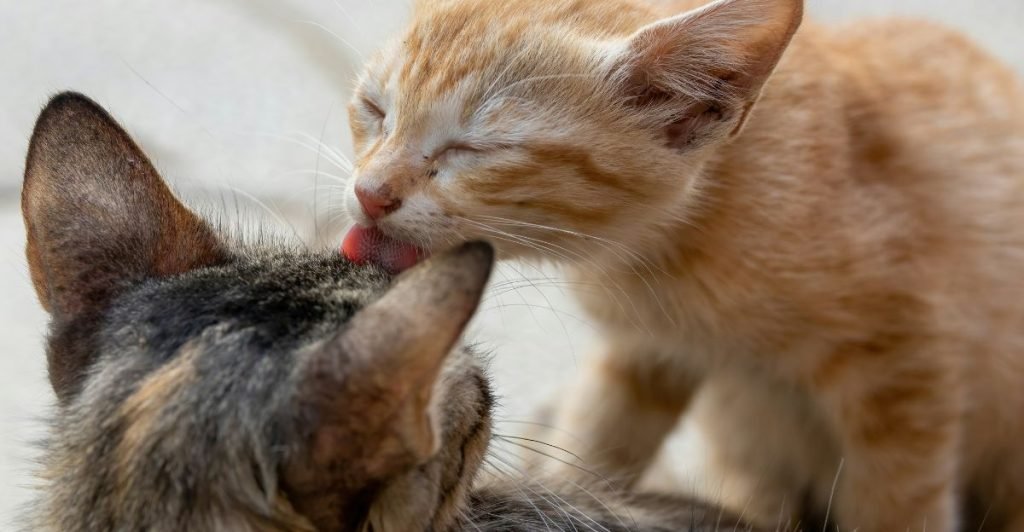
The Secret Language of Feline Friendship: Why Do Cats Groom Each Other? Have you ever watched your feline friend gently lick and nuzzle another cat, only to wonder what’s going on behind those curious eyes?
You might think it’s just a harmless display of affection, but there’s actually a lot more to it. Grooming is a crucial aspect of cat behavior, and when they groom each other, it can be a sign of friendship, trust, and even a way to communicate with each other.
We’ll delve into the fascinating world of feline grooming and explore the reasons why cats groom each other. By the end of it, you’ll have a deeper understanding of your cat’s behavior and maybe even pick up some tips on how to strengthen your bond with your feline friend. So, let’s get started!
Credit: basepaws.com
Social Bonds Among Cats
Cats are social creatures that use grooming to connect with each other. This behavior goes beyond cleanliness. It plays a key role in building and keeping relationships. Grooming shows trust and care among cats.
Strengthening Friendships
Cats groom each other to build strong friendships. This act creates a feeling of safety and comfort. It reduces stress and helps cats relax together. Grooming also shows mutual respect and kindness. Friends often share this bonding time daily.
Family Connections
Grooming helps keep family ties tight. Mother cats groom their kittens to clean and protect them. Adult cats continue this behavior to care for siblings and relatives. This strengthens the family group and keeps it united. It also teaches young cats social skills.
Group Harmony
In groups, grooming keeps peace and order. It helps cats accept each other and reduces fights. Grooming spreads a friendly scent that marks group members. This shared smell makes cats feel part of the same team. A peaceful group means safer, happier cats.
Health Benefits Of Grooming
Grooming among cats isn’t just about keeping clean—it carries important health benefits that support their overall well-being. When cats groom each other, they engage in more than a social ritual; they help maintain each other’s physical condition and reduce health risks. Understanding these benefits can change how you see your feline friends’ interactions.
Removing Dirt And Parasites
Mutual grooming helps cats get rid of dirt and harmful parasites like fleas and ticks from hard-to-reach places. Your cat’s tongue acts like a tiny brush, scrubbing away debris and insects that could cause discomfort or illness.
If you notice your cats grooming each other frequently, it’s their way of keeping their skin clean and free of pests. This natural cleaning reduces the chance of skin infections and other parasite-related issues.
Skin And Fur Care
Grooming spreads natural oils produced by the skin, which keeps the fur shiny and soft. These oils also protect the skin from dryness and irritation.
When cats groom each other, they help reach spots they can’t easily clean themselves, such as the top of the head or behind the ears. This shared grooming promotes healthier skin and a well-maintained coat.
Stress Reduction
Grooming triggers the release of calming hormones in cats, lowering stress and anxiety levels. You might have seen cats pause and relax while grooming each other—that’s a sign of comfort and trust.
Have you ever watched your cats groom one another after a tense moment? This behavior helps them bond and feel secure in their environment, which is essential for their mental health.
Communication Through Grooming
Cats don’t just groom each other to stay clean—they use grooming as a way to communicate. This behavior builds bonds, shares messages, and even settles social dynamics. Understanding what your cats are saying through grooming can deepen your connection with them and help you read their social world better.
Expressing Trust
When a cat grooms another, it’s a clear sign of trust. Cats are vulnerable when they allow others to touch them, especially in sensitive areas like the head and neck. If your cats groom each other, it means they feel safe together and accept one another as part of their social circle.
Think about the last time you saw your cats grooming—did they seem relaxed and calm? That relaxed state signals a strong bond built on mutual trust.
Establishing Hierarchy
Grooming also helps cats set and maintain social order. Often, the dominant cat will groom the subordinate one, reinforcing their position without aggression. This ritual helps avoid fights by making the hierarchy clear.
Have you noticed one cat consistently doing the grooming? That’s a clue about who holds the higher rank in your cats’ social group.
Soothing Signals
Grooming sends calming messages between cats. When stressed or anxious, cats may groom each other to reduce tension and provide comfort. This behavior can turn a tense moment into a peaceful one.
Next time your cats groom each other during a stressful event, like a new pet introduction, watch how it helps them relax. You might even encourage this behavior to ease your cats into new situations.

Credit: catgroomerla.com
Behavioral Patterns In Grooming
Understanding the behavioral patterns in cat grooming reveals much about their social lives and instincts. Grooming each other is more than just cleaning; it’s a complex interaction that strengthens bonds and communicates trust. Observing these patterns can help you better understand your cat’s mood and relationships.
Mutual Grooming Rituals
Mutual grooming, or allogrooming, is a common ritual where cats lick and clean each other’s fur. This behavior usually happens between cats that share a strong social bond, such as siblings or close companions.
During grooming, cats focus on hard-to-reach areas like the head and neck. This shows they care for each other’s well-being and comfort.
Have you noticed your cats grooming each other after a stressful event? It often acts as a calming ritual that reduces tension and reinforces their connection.
Grooming Frequency And Timing
Cats don’t groom randomly; the timing and frequency follow specific patterns. They often groom each other during quiet moments, like after naps or meals, when they feel relaxed.
Frequency can vary based on their relationship and environment. For example, cats living in a calm home may groom several times a day, while stressed cats groom less often.
Watching when your cats choose to groom each other can give you clues about their comfort levels and emotional state.
Differences Among Breeds
Not all cats groom each other in the same way. Some breeds are more social and engage in mutual grooming more frequently.
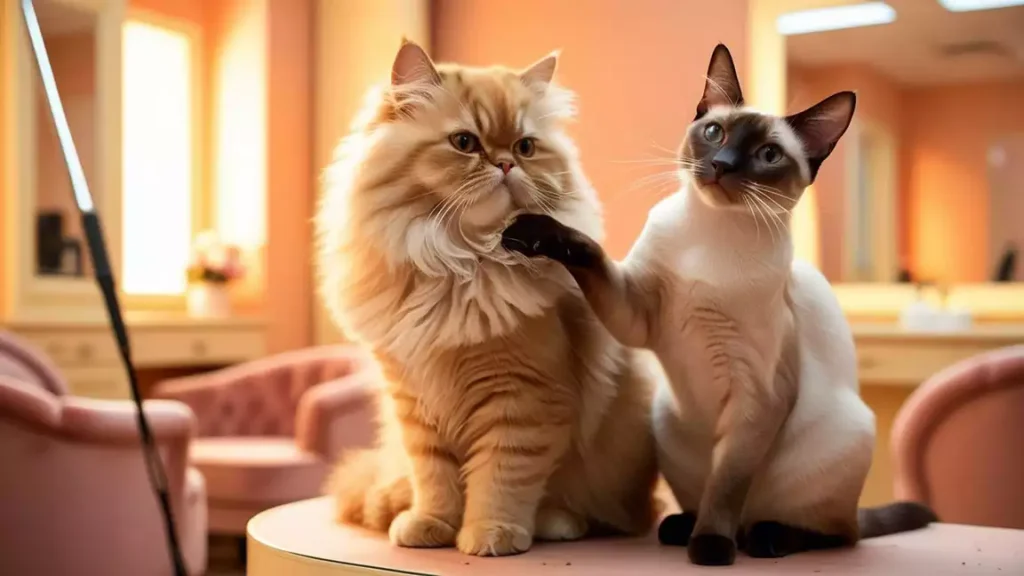
Siamese and Burmese cats, known for their social nature, often groom their companions more than independent breeds like the Russian Blue.
Recognizing your cat’s breed tendencies can help you understand their grooming habits better and respond to their social needs.
When Grooming Becomes Problematic
Cats grooming each other usually shows trust and care. But sometimes, grooming can become a problem. It might signal stress or health issues. Observing your cat’s grooming habits helps keep them safe and healthy.
Overgrooming Signs
Overgrooming means a cat grooms too much. Look for bald patches or red, sore skin. Cats might lick or bite the same spot often. This can cause pain and infections. Overgrooming is a clear sign something is wrong.
Stress And Anxiety Indicators
Stress makes cats groom more than normal. Changes in the home or loud noises can trigger anxiety. Cats may hide or act restless. Grooming becomes a way to calm themselves. Notice if grooming happens after stressful events.
Seeking Veterinary Help
Visit a vet if grooming looks harmful. The vet checks for skin problems or parasites. They also assess if stress causes the behavior. Treatment may include medicine or behavior advice. Early help stops grooming problems from worsening.
Credit: catgroomerla.com
Frequently Asked Questions
Why Do Cats Groom Each Other Frequently?
Cats groom each other to strengthen social bonds. It shows trust and affection among feline friends. Grooming also helps keep their fur clean and free of parasites.
How Does Mutual Grooming Benefit Cats?
Mutual grooming reduces stress and promotes relaxation. It reinforces friendships and group harmony. Additionally, it helps cats maintain a healthy coat and skin.
Can Grooming Indicate A Cat’s Social Status?
Yes, grooming can reflect social hierarchy. Dominant cats often groom subordinate cats to assert control. It also signals acceptance within the group.
Do Cats Groom Each Other To Communicate?
Absolutely, grooming is a form of communication. It conveys friendliness, reassurance, and comfort. This behavior helps prevent conflicts and builds trust.
Conclusion
Cats groom each other to build trust and show friendship. This behavior helps keep their fur clean and healthy. Grooming also reduces stress and creates a strong bond between cats. Watching cats groom can teach us about their feelings and social life.
Understanding why cats groom each other helps us care for them better. It shows how important friendship and comfort are in a cat’s world. Simple acts like grooming tell a big story about cat relationships.
