

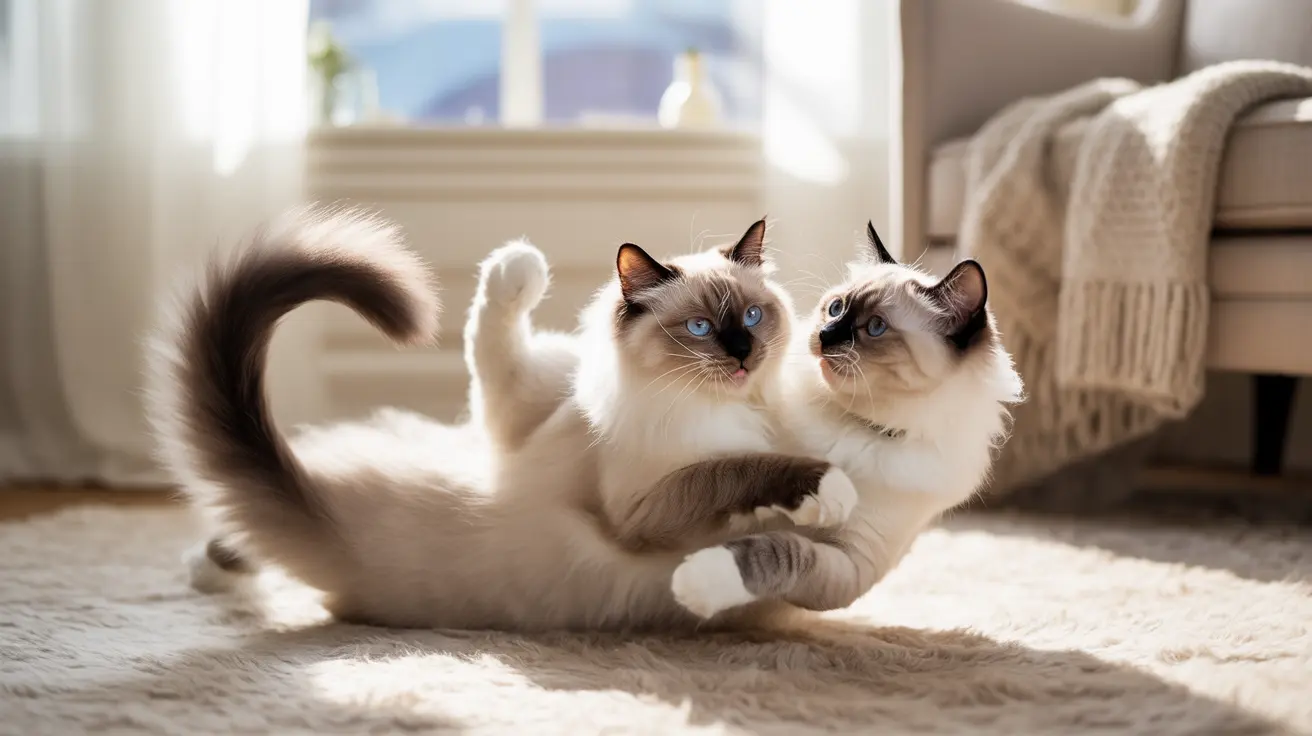
Have you ever watched cats carefully clean each other, only to suddenly start fighting moments later? It’s confusing and might even make you wonder what’s really going on between them.
Understanding why cats groom each other and then fight can give you a surprising look into their world. If you want to know what drives these sudden changes in behavior and how it affects their relationships, keep reading. You’ll discover the secret language of cats that explains this puzzling mix of affection and aggression.
Credit: www.petscare.com
Social Grooming Among Cats
Cats often groom each other as a social activity. This behavior is called social grooming or allogrooming. It helps cats connect and communicate without words. Grooming is more than cleaning fur; it plays a key role in their social life. Cats that live together use grooming to build trust and comfort.
Benefits Of Mutual Grooming
Mutual grooming helps cats stay clean. It removes dirt and loose fur from hard-to-reach places. This activity also reduces stress and calms anxious cats. Grooming releases feel-good hormones, creating a relaxed mood. It can prevent skin problems by keeping the coat healthy. Cats enjoy the sensation, making them feel safe and cared for.
Strengthening Bonds
Social grooming strengthens the bond between cats. It shows friendship and acceptance in the group. Cats that groom each other often share a close relationship. Grooming helps reduce tension and stops fights before they start. It creates a sense of belonging and community among cats. This behavior supports teamwork and cooperation in the group.
Establishing Hierarchy
Grooming also helps set social ranks in cat groups. Higher-ranked cats may groom lower-ranked ones to show control. Sometimes, the one being groomed accepts the act as a sign of respect. This exchange helps keep peace and order within the group. It clarifies roles and prevents confusion or constant fighting. Social grooming is a silent way to manage cat relationships.

Credit: tryfurgo.com
Triggers For Grooming To Turn Into Fighting
Watching cats groom each other is a heartwarming sight that speaks of trust and bonding. But sometimes, this peaceful interaction suddenly turns into a fight, leaving you puzzled. Understanding the triggers behind this shift can help you better manage your cats’ relationships and prevent conflicts.
Overstimulation And Sensory Overload
Grooming feels good to cats, but too much can overwhelm their senses. A gentle lick can quickly become too rough or persistent, causing irritation. When your cat’s patience runs out, what started as affection can turn into defensive scratching or biting.
Have you noticed your cat suddenly pulling away or swatting during grooming sessions? This is often a clear sign of overstimulation. Pay attention to body language like twitching tails, flattened ears, or sudden tail flicks to know when to step in and give them space.
Territorial Disputes
Even close feline friends can have boundaries. Grooming might be a way to assert dominance or mark territory subtly. If one cat feels its space is invaded, it can quickly escalate to a fight.
Think about how your cats interact in shared spaces. Are they competing for a favorite spot or resource? You might see grooming turn into a power play rather than a bonding ritual, especially in multi-cat households with limited resources.
Miscommunication Between Cats
Cats rely heavily on body language and subtle signals to communicate. Sometimes, one cat misreads another’s cues during grooming. What one cat means as a friendly gesture might be perceived as an annoyance or threat by the other.
Have you ever seen cats freeze or tense up mid-grooming before suddenly snapping? This suggests a breakdown in communication. Understanding each cat’s unique signals can help you intervene before things get heated.
Body Language During Grooming And Fighting
Understanding your cats’ body language during grooming and fighting reveals a lot about their relationship. These behaviors are closely linked, and reading their signals can help you know when they are relaxed or when tensions rise. Paying attention to their movements and expressions allows you to intervene before a friendly moment turns into a scuffle.
Signs Of Relaxation
When cats groom each other, look for slow blinking and soft eye contact. Their ears will face forward or slightly to the side, and their bodies will appear loose, not tense. You might notice gentle purring or a calm tail that flicks slowly or rests still.
These signs show trust and comfort. If you’ve watched your cats like I have, you’ll see how their whiskers point forward and their mouths stay relaxed. It’s a quiet, peaceful moment where they bond.
Warning Signals
Watch for quick tail flicks, flattened ears, or dilated pupils during grooming. These are subtle hints that one cat might be getting annoyed. If you see a sudden pause or a sharp glance, your cats could be sending each other a message to slow down or stop.
In my experience, a twitching tail or a sudden stiffening of the body signals rising tension. These warning signs often go unnoticed until the situation escalates. Have you ever caught your cats staring at each other, tails flicking, just before a spat?
Escalation To Aggression
When grooming shifts to fighting, body language becomes more intense. Look for ears pinned flat against the head, wide-open eyes, and raised fur along the back. Their bodies will stiffen, and you might hear growls or hisses.
Swatting or biting follows these signals quickly. This change happens fast, and recognizing the early signs can help you step in before injuries occur. Next time you see grooming turn rough, ask yourself: are you noticing these early warnings?

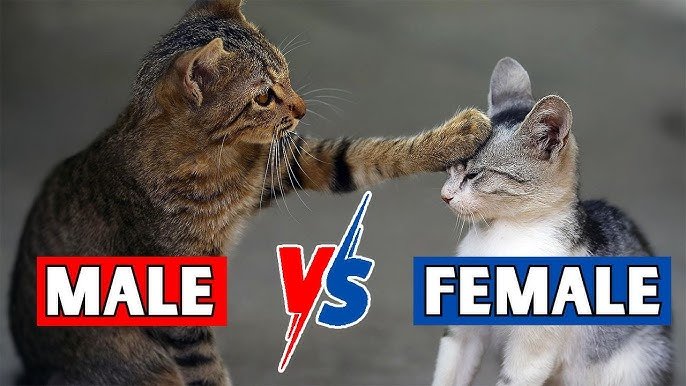
Credit: www.youtube.com
Role Of Age And Personality
The way cats groom each other and then suddenly get into a fight often puzzles many cat owners. Age and personality play a huge role in this behavior. Understanding these factors can help you better interpret your cats’ interactions and manage their relationships.
Young Cats Vs. Older Cats
Young cats are usually more playful and curious. They often use grooming as a way to explore social bonds but may quickly switch to rough play or even a scuffle if things get too stimulating.
Older cats tend to be more selective about who they groom. They may see grooming as a serious social ritual and get irritated if the younger cat is too rough or persistent.
Have you noticed a kitten pestering an older cat and then getting swatted away? That’s a classic example of age affecting their grooming dynamics.
Dominant Vs. Submissive Traits
Personality also influences grooming and fighting. Dominant cats often initiate grooming to assert control or reinforce their status.
Submissive cats usually accept grooming and may even groom back, but they can lash out if they feel overwhelmed or trapped.
- Dominant cats might groom more aggressively, leading to conflicts.
- Submissive cats may run away or fight back if pushed too far.
Think about your cats’ personalities. Are they confident leaders or more reserved followers? This can explain why grooming sessions sometimes end in fights.
How To Manage Grooming Conflicts
Grooming conflicts between cats can be confusing and stressful for any pet owner. Understanding how to manage these situations calmly can help maintain harmony in your home. It’s important to create a setting where your cats feel safe and can enjoy grooming without turning it into a fight.
Creating A Peaceful Environment
Start by ensuring your cats have enough space to retreat to if they feel overwhelmed. Multiple cozy spots and separate feeding areas can reduce competition and stress. Pay attention to how your cats interact during grooming sessions; sometimes just a small distraction or background noise can help keep things calm.
Have you noticed if certain times of the day trigger more conflicts? Try to observe and adjust your cats’ routines accordingly. A quiet, comfortable atmosphere encourages positive bonding.
Intervention Techniques
If a grooming session escalates, step in calmly but decisively. Use a gentle voice or a light clap to distract them without causing fear. Avoid yelling or sudden movements, as these can increase tension.
Redirect their attention with toys or treats to diffuse the situation quickly. You might also separate the cats briefly and allow them to calm down before reintroducing them.
When To Seek Veterinary Advice
Persistent or aggressive fights during grooming might signal underlying health or behavioral issues. If you notice wounds, excessive stress, or a sudden change in your cats’ behavior, it’s time to consult a vet. They can check for pain, skin conditions, or anxiety problems that might be causing the conflicts.
How often do you observe your cats’ grooming habits? Keeping a diary can help your vet understand the problem better. Don’t hesitate to reach out early; early intervention often prevents more serious problems.
Frequently Asked Questions
Why Do Cats Groom Each Other?
Cats groom each other to build social bonds and show affection. This behavior promotes trust and group harmony among cats. It also helps them stay clean and remove loose fur and parasites.
What Causes Cats To Suddenly Fight After Grooming?
Fights after grooming often happen due to overstimulation or miscommunication. A cat may feel annoyed or threatened by too much touching. This triggers defensive or aggressive reactions between them.
Is Grooming Before Fighting Normal Cat Behavior?
Yes, grooming before fighting is normal. It signals complex social relationships where cats show both affection and dominance. This mix of behaviors helps establish hierarchy and maintain group order.
How Can I Stop Cats From Fighting After Grooming?
To reduce fights, provide separate spaces and monitor interactions. Interrupt grooming if one cat shows signs of irritation. Gradually increase positive interactions to build trust and reduce tension.
Conclusion
Cats groom each other to build trust and show care. This bonding time feels good but can quickly change. Play turns into rough fun, or one cat feels threatened. Their fights are often short and not serious. It helps them set boundaries and understand each other.
Watching these moments shows how cats communicate without words. Knowing this helps us better care for our pets. Cats have their own way of showing love and limits. Their grooming and fighting keep their social world balanced.
