

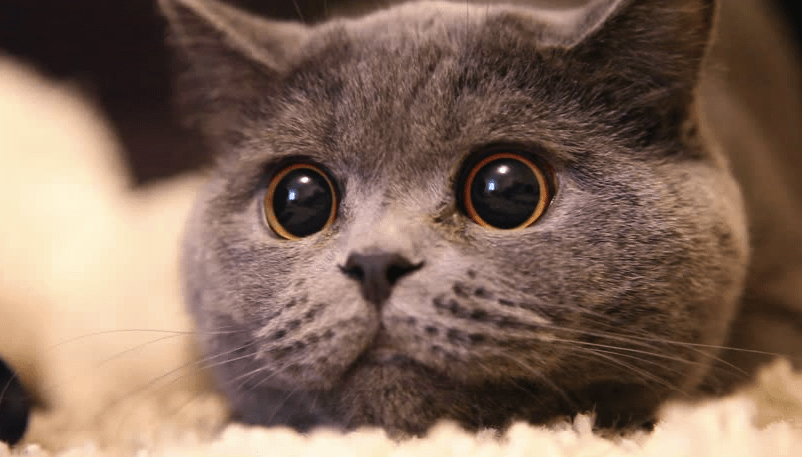
Have you ever looked into your cat’s eyes and noticed how they suddenly get big and round? Those wide, glowing eyes aren’t just cute—they’re telling you something important.
Understanding why your cat’s eyes dilate can reveal a lot about their feelings and health. Whether your furry friend is excited, scared, or curious, their eyes are sending signals you don’t want to miss. Keep reading to discover the surprising reasons behind those mysterious dilated eyes and learn how to better connect with your cat.

Credit: www.youtube.com
Anatomy Of Cat Eyes
Cats have eyes built for seeing in many conditions. Their vision helps them hunt and stay safe. Understanding their eye anatomy reveals why their pupils change size so often. The design of cat eyes is unique and fascinating. It plays a key role in their behavior and survival.
Unique Structure
Cat eyes have several special features. They have a reflective layer called the tapetum lucidum. This layer bounces light back through the retina. It improves vision in low light. Cats also have more rod cells than humans. Rod cells detect light and motion. This helps cats see well at dawn and dusk.
Their eyes are larger compared to their head size. This allows more light to enter. The cornea and lens focus light sharply. This makes their sight clear and sharp. Cat eyes also have a wide field of view. It helps them spot movement easily.
Role Of Pupils
Pupils control how much light enters the eye. Cat pupils can change shape quickly. They become thin slits in bright light. In darkness, pupils open wide to let in light. This helps cats see better in the dark.
Besides light control, pupil size shows a cat’s mood. Dilated pupils can mean excitement or fear. Narrow pupils often show calm or focus. This quick change helps cats react fast to their surroundings.
Credit: www.zoetispetcare.com
Emotional Triggers
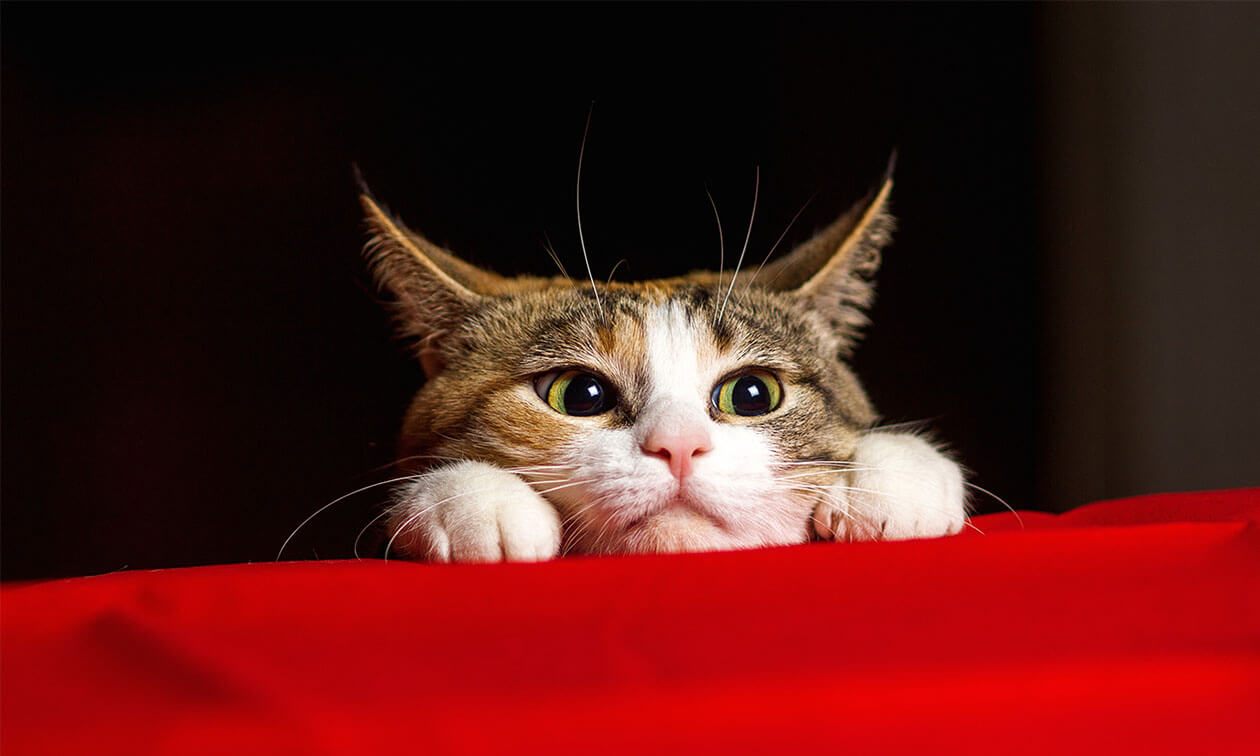
Cats use their eyes to show how they feel. Their eye pupils get bigger or smaller depending on their emotions. These changes help cats react to different feelings. Emotional triggers like excitement, curiosity, fear, and anxiety cause their eyes to dilate. Understanding these signs can help you know what your cat is feeling.
Excitement And Curiosity
When cats feel excited or curious, their pupils get wide. Big eyes help them see better in dim light. It also helps them focus on new things around them. This reaction prepares cats to explore or play. Wide pupils show that your cat is alert and interested.
Fear And Anxiety
Fear and anxiety also cause a cat’s pupils to dilate. Larger pupils let in more light, improving vision in dark or stressful situations. This helps cats spot danger quickly. Dilated eyes during fear mean your cat is scared or nervous. It’s a sign to give your cat some space and calm it down.
Environmental Factors
Environmental factors play a significant role in why your cat’s eyes dilate. These changes in their surroundings trigger automatic adjustments in their vision. Paying attention to these cues can help you better understand your cat’s behavior and mood.
Lighting Conditions
Cats’ eyes respond quickly to the amount of light around them. In bright light, their pupils shrink to protect the sensitive retina. In dimmer light, the pupils expand wide to let in more light.
Have you noticed your cat’s eyes suddenly become huge when you turn off the lights? This is their natural reaction to low light, helping them see better. It’s a survival skill that allows them to hunt and navigate even in near darkness.
Adjusting To Darkness
When your cat moves from a bright room to a darker space, their eyes don’t adjust instantly. You might see their pupils dilate gradually over several seconds or minutes. This slow change lets their eyes adapt and maximize vision in the dark.
Think about how your cat reacts when you open a door to a dim basement or at dusk. Their pupils will get larger to capture as much light as possible. This adjustment is crucial for their safety and awareness in low-light environments.

Credit: www.youtube.com
Health Indicators
Cat’s eye dilation can signal more than just light changes or emotions. It often serves as a health indicator. Paying attention to these changes helps spot potential problems early. Dilated pupils may reveal pain, discomfort, or underlying medical conditions. Understanding these signs keeps your cat safe and healthy.
Pain And Discomfort
When a cat is in pain, its eyes often dilate. This is a natural response to stress or injury. Dilated pupils may appear alongside other signs like:
- Restlessness
- Hiding
- Excessive licking or grooming
- Changes in eating habits
These symptoms suggest discomfort. Watching your cat’s eyes can help detect pain early. Immediate vet attention may be needed if dilation persists.
Medical Conditions
Certain illnesses can cause pupil dilation in cats. These include:
- Neurological disorders
- Eye infections
- High blood pressure
- Toxin exposure
Unusual eye size or shape changes may indicate serious problems. Regular check-ups and prompt care help prevent complications. Always consult a veterinarian if dilation is sudden or lasts long.
Communication Signals
Cats use their eyes to send messages. Dilated pupils are a key part of this communication. These changes in eye size show feelings and intentions. Watching a cat’s eyes helps understand its mood. This is true in many social and mating situations.
Social Interactions
In social settings, dilated pupils signal excitement or fear. A cat may widen its eyes when curious or playful. Large pupils can also mean the cat feels threatened. It helps other cats or humans know how to act. This eye signal can prevent fights or invite play. Cats watch each other’s eyes closely during meetings.
Mating Behavior
During mating, pupil size changes show attraction and readiness. Female cats often have bigger pupils when interested in a mate. Male cats notice these signals and respond accordingly. Dilated eyes can make a cat look more appealing. This helps cats find partners and communicate their intentions. Eye signals work with other body language in courtship.
Hunting And Predatory Instincts
Cats’ eyes dilate mainly because of their hunting and predatory instincts. When a cat hunts, its eyes adjust to help it see better in low light. This helps cats spot prey quickly and accurately. The dilation of their pupils lets in more light, making their vision sharper in dim environments.
During a hunt, a cat’s body prepares for action. The eyes play a crucial role in this process. Dilated pupils improve focus and depth perception. This helps cats judge the distance and speed of their target. Such sharp vision increases their chances of a successful catch.
Enhancing Night Vision
Cats are crepuscular hunters, active at dawn and dusk. Their pupils widen to allow more light inside the eye. This ability helps them see clearly in near-darkness. It gives them an advantage over their prey, which might struggle to see in low light.
Tracking Moving Prey
When a cat spots movement, its pupils dilate. This change helps the cat track the prey’s quick motions. The wider pupils capture more visual information. This makes it easier for cats to follow fast or small animals.
Signaling Focus And Alertness
Large pupils also show a cat’s alertness. Dilated eyes mean the cat is focused and ready to act. This visual cue reflects the cat’s hunting mindset. It prepares the cat’s body for a fast, precise strike.
Age And Developmental Changes
Age plays a significant role in how your cat’s eyes behave, especially when it comes to pupil dilation. As cats grow from kittens to seniors, their eyes undergo changes that affect how they react to light and emotions. Understanding these changes helps you interpret your cat’s mood and health more accurately.
How Kittens’ Eyes Differ From Adult Cats
Kittens are born with their eyes mostly closed, and when they open, their pupils react differently compared to adults. Their pupils can appear larger because their eyes are still developing and adapting to the outside world. You might notice their eyes dilate more easily in low light or when they’re curious, which is a normal part of early development.
As they age, their pupils become better at adjusting to different light levels. This means you’ll see less extreme dilation just from changes in brightness. If your kitten’s eyes stay dilated for long periods or don’t respond to light, it could be a sign to consult a vet.
Changes In Pupil Response As Cats Age
Older cats often show slower or less pronounced pupil dilation. Their eye muscles and nerves may lose some function over time, which affects how the pupils react. This can change how they perceive their environment and may require you to be more mindful of their comfort in bright or dim areas.
Have you noticed your senior cat’s eyes looking different under the same lighting conditions? That’s a common sign of age-related changes. Keeping an eye on these shifts can help you spot potential health issues early.
What Pupil Changes Reveal About Your Cat’s Health
Pupil dilation doesn’t just reflect age but also signals health status. Sudden or unusual changes might mean your cat is stressed, in pain, or facing eye problems. If the dilation is asymmetric or persistent, it’s important to seek veterinary advice promptly.
Pay attention to your cat’s behavior alongside their eye changes. If you see signs like squinting, redness, or discharge, it’s more than just a normal age-related change. Your cat’s eyes can tell you a lot about how they’re feeling—are you listening?
Frequently Asked Questions
Why Do Cats’ Eyes Dilate In The Dark?
Cats’ eyes dilate in the dark to let in more light. This improves their night vision. Their pupils expand to capture as much light as possible. It helps cats see better when it’s dim or dark.
Can Cats’ Eye Dilation Indicate Stress?
Yes, cats’ eyes dilate when they are stressed or scared. Dilated pupils are a sign of heightened alertness. Stress triggers their fight-or-flight response, causing pupil expansion. Watch for other signs to confirm stress in cats.
Do Cats’ Eyes Dilate When They Are Happy?
Cats’ eyes can dilate when they are excited or happy. Pupil dilation may show interest or affection. It happens during play or when they see their favorite person. However, context matters to interpret their mood accurately.
How Does Light Affect Cats’ Pupil Size?
Bright light causes cats’ pupils to constrict to protect their eyes. In dim light, pupils dilate to let in more light. This adjustment helps cats see clearly in various lighting conditions. It is a natural reflex for eye protection.
Conclusion
Cats’ eyes dilate for many reasons. It shows how they feel or react. Sometimes, it means they are curious or excited. Other times, it signals fear or stress. Their eyes also adjust to light changes quickly. Understanding this helps you know your cat better.
Watch their eyes to see their mood. It builds a closer bond between you. Cats communicate a lot without words. Their dilated eyes tell a silent story. Pay attention and enjoy your cat’s unique signals.
