

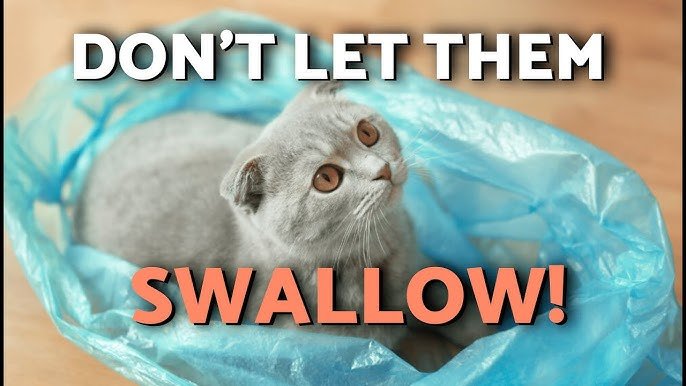
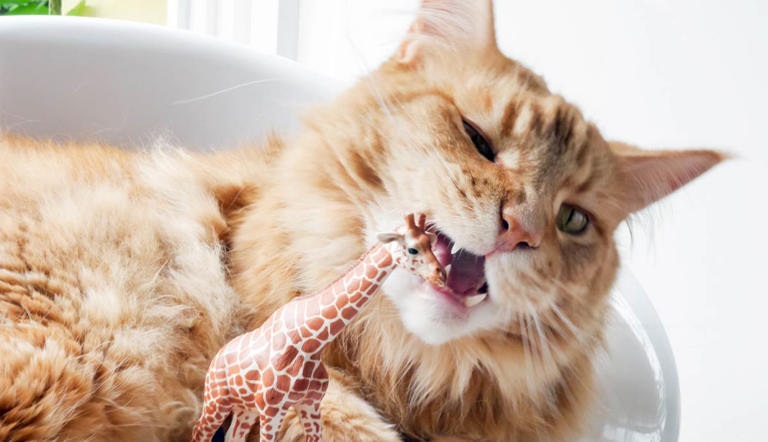
Have you ever caught your cat chewing on a plastic bag or a wrapper and wondered, “Why do cats eat plastic?” It’s a strange habit that can leave you puzzled and even worried about your furry friend’s health. You might think it’s just a quirky behavior, but there’s more to this than meets the eye.
Understanding why your cat is drawn to plastic can help you keep them safe and happy. Keep reading to discover the surprising reasons behind this odd habit and what you can do about it.
Credit: www.msn.com
Curiosity And Exploration
Cats explore their world using all their senses. Their curiosity drives them to touch, smell, and taste new objects. Plastic items often catch their attention because of their texture and smell. This exploration helps cats learn about their environment.
Young cats and kittens are especially curious. They often chew or bite things to understand them better. Plastic can feel interesting to bite or paw at. Sometimes, the crinkly sound of plastic excites their playful nature.
How Cats Use Their Senses To Explore Plastic
- Whiskers detect texture differences on plastic surfaces
- Nose picks up chemical scents that are unfamiliar or intriguing
- Mouth explores taste and texture by biting or chewing
- Paws test the shape and movement of plastic items
Why Plastic Attracts A Cat’s Curiosity
- Plastic often has a shiny or unusual appearance
- Some plastics carry food scents from packaging
- Crinkling sounds mimic prey movements
- Varied shapes invite play and investigation
Signs Your Cat Is Exploring, Not Eating Plastic
- Chewing without swallowing
- Pawing and batting at plastic pieces
- Interest in new or moved plastic items
- Brief interactions followed by distraction
Texture And Sensory Appeal
Cats often chew on plastic because of its unique texture and sensory feel. The crinkly, smooth, or rubbery surfaces can attract their attention. Cats explore the world mainly through their senses. Texture plays a big role in what they find interesting or comforting.
Plastic offers a different mouthfeel compared to their usual food or toys. This can make it a tempting object to bite or chew. Some cats enjoy the slight resistance plastic gives when they bite it. This sensory experience can be satisfying to them.
Different Textures That Attract Cats
- Soft and flexible plastic feels fun to chew.
- Crinkly surfaces create sounds that catch their interest.
- Smooth plastic is easy to grip with their teeth.
- Rubbery plastics offer a unique chewing resistance.
How Sensory Stimulation Influences Behavior
Cats have sensitive whiskers and mouths. They use these to learn about objects. The feel of plastic stimulates their senses in ways food might not. This sensory input can reduce boredom.
Chewing plastic may also serve as a form of play. It keeps their minds and jaws active. Sensory stimulation is important for cats, especially indoor ones with fewer toys.
Why Some Cats Prefer Plastic Over Toys
- Toys may lack the texture variety plastic offers.
- Plastic often has unpredictable shapes and sounds.
- Scent from plastic items can add to the attraction.
- Plastic’s texture mimics some prey items like insects.
Nutritional Deficiencies
Cats sometimes eat plastic because their diet lacks certain nutrients. Nutritional deficiencies can cause unusual cravings, including chewing on non-food items. These cravings help cats try to get missing elements from their environment. Understanding these deficiencies can help you prevent this behavior.
Lack Of Fiber
Cats need fiber to support digestion and keep their stomachs healthy. A diet low in fiber can make cats feel uncomfortable or bloated. Chewing on plastic may give a strange texture that seems to relieve this discomfort. Fiber helps regulate bowel movements and prevent constipation. Without enough fiber, cats may look for other ways to ease their tummy troubles.
Mineral Imbalances
Minerals like calcium, magnesium, and zinc are vital for a cat’s health. Deficiencies can lead to odd eating habits, including plastic chewing. Cats may try to get these minerals by biting on plastic or other objects. Mineral imbalances can affect bones, muscles, and even behavior. Feeding a balanced diet with proper minerals reduces the chance of this problem.
Pica Disorder In Cats
Many cat owners notice their pets chewing on unusual items like plastic and wonder why this happens. One common explanation is a condition called pica disorder. Understanding this disorder can help you address your cat’s odd eating habits more effectively.
What Is Pica?
Pica is a behavior disorder where cats eat non-food items repeatedly. This can include plastic, fabric, paper, or even dirt. The cause isn’t always clear, but it may relate to nutritional deficiencies, boredom, stress, or underlying medical issues.
Imagine your cat constantly chewing on plastic bags or cords. This isn’t just curiosity; it might be a sign of pica. Recognizing this helps you take the right steps to keep your pet safe.
Symptoms In Cats
Besides eating non-food objects, cats with pica might show other signs you can spot at home. Watch for:
- Excessive drooling or vomiting after chewing
- Restlessness or increased anxiety
- Loss of appetite for regular food
- Behavior changes like hiding or aggression
Have you noticed your cat acting differently after chewing plastic? These symptoms could indicate pica and signal that your pet needs veterinary attention.
Stress And Anxiety Factors
Cats often turn to unusual behaviors like chewing on plastic when they feel stressed or anxious. These emotional triggers can disrupt their normal routines and lead to coping mechanisms that seem odd to us. Understanding the root causes of stress can help you better support your feline friend and reduce unwanted behaviors.
Environmental Changes
Changes in your cat’s environment can cause significant stress. Moving to a new home, rearranging furniture, or even new people or pets in the house can unsettle them.
When your cat feels insecure, chewing on plastic might become a way to relieve tension. You might notice increased plastic chewing right after these changes. Have you observed your cat acting out after something in their space shifts?
To ease this, try keeping some familiar items around and maintaining a consistent routine. Providing hiding spots and quiet areas can also help your cat feel safer during transitions.
Separation Anxiety
Many cats develop separation anxiety when left alone for long periods. This anxiety can manifest in repetitive behaviors, including chewing on plastic.
Your cat may chew plastic bags or wrappers as a comfort action, similar to how a child might cling to a blanket. If your cat’s plastic chewing spikes when you leave the house, separation anxiety could be the cause.
Try leaving interactive toys or puzzle feeders to keep your cat occupied. Gradually increasing the time you spend apart can also help your cat adjust without stress.

Credit: www.youtube.com
Dental Issues
Dental issues can often be a surprising reason why cats chew on plastic. Just like humans, cats experience discomfort in their mouths that can drive them to seek relief through unusual behaviors. Understanding these dental causes might help you better care for your feline friend and reduce their plastic munching habit.
Teething In Kittens
Kittens go through a teething phase where their baby teeth fall out and adult teeth come in. This process can cause soreness and irritation in their gums. Chewing on plastic can provide a soothing sensation, much like a teething baby chewing on a toy.
If you’ve seen your kitten gnawing on plastic bags or wrappers, it could be their way to ease the pain. Offering safe chew toys designed for teething kittens might help redirect this behavior. Have you noticed your kitten preferring plastic over their toys? That could be a sign they need something softer or more appealing.
Oral Discomfort
Adult cats can also experience oral discomfort due to dental problems like gum disease, tooth decay, or infections. These issues often cause pain or itchiness in their mouth, prompting them to chew on hard or unusual objects such as plastic.
When your cat suddenly starts eating plastic, it might be their way of coping with discomfort. Regular dental check-ups can uncover hidden problems that you might miss. Have you checked your cat’s mouth for redness, swelling, or bad breath? These could be clues that dental care is needed.
Attention-seeking Behavior
Cats often use unusual ways to get your attention. Eating plastic is one such odd behavior. This act might be a call for interaction or care. When cats feel ignored, they may chew on plastic to stand out.
Plastic makes a crinkling sound that cats notice. It also feels strange under their teeth. These sensations can attract their interest and prompt them to repeat the action.
Seeking Interaction Through Plastic Chewing
Cats crave play and attention from their owners. If they feel lonely or bored, they look for ways to engage you. Chewing plastic can be a signal to start playing or petting.
Signs Of Boredom Leading To Plastic Eating
- Restlessness and pacing
- Increased vocalization
- Destructive behavior
- Chewing on non-food items like plastic
These signs show your cat needs more mental and physical activity.
How To Respond To Attention-seeking Plastic Eating
- Give your cat more playtime daily
- Offer interactive toys and puzzles
- Spend quality time petting and talking
- Remove plastic items from easy reach
These steps help redirect your cat’s focus to positive behaviors.

Credit: www.petscare.com
Potential Dangers Of Plastic
Plastic can be dangerous for cats when they chew or swallow it. It is important to understand these risks to keep pets safe. Cats may not realize the harm plastic can cause.
Some dangers come from physical problems. Others come from harmful chemicals in the plastic. Both can cause serious health issues for cats.
Choking Hazards
Small pieces of plastic can block a cat’s throat. This can stop breathing or cause serious injury. Even larger pieces can get stuck in the stomach or intestines.
Signs of choking include coughing, gagging, or difficulty breathing. Immediate help is needed if a cat shows these signs.
Toxicity Concerns
Plastic often contains chemicals that are harmful to cats. These toxins can cause vomiting, diarrhea, or worse health problems. Some plastics release dangerous fumes when chewed or heated.
Long-term exposure to toxic plastics can harm a cat’s organs. It is safer to keep plastic out of a cat’s reach.
Preventing Plastic Consumption
Preventing your cat from eating plastic is crucial for their health and your peace of mind. Plastic can cause choking, digestive blockages, and even poisoning. Creating a safer environment and offering better alternatives can significantly reduce this risky behavior.
Safe Environment
Start by carefully inspecting your home for any plastic items your cat can access. Small bags, wrappers, and even plastic packaging should be stored out of reach. Cats are curious, and if they find plastic lying around, they might chew on it out of boredom or stress.
Think about your own habits—do you leave grocery bags on the floor after shopping? I once found my cat gnawing on a plastic wrapper I forgot on the counter. That moment made me realize how easy it is for cats to get into trouble with everyday items.
Use sealed bins or drawers for storing plastic materials. Consider using pet-proof containers to ensure your cat cannot get to them. Regularly check your pet’s play area and remove any plastic debris immediately.
Alternative Toys
Offering your cat engaging and safe toys can divert their attention from plastic. Choose toys made from natural fibers or cat-safe materials designed for chewing and batting. Interactive toys that stimulate hunting instincts keep cats busy and mentally satisfied.
- Feather wands
- Soft rubber balls
- Catnip-filled plush toys
- Puzzle feeders
Have you noticed your cat loses interest quickly? Rotate their toys weekly to keep things fresh. Personal experience taught me that a well-stimulated cat is less likely to seek out plastic as a form of entertainment or comfort.
By creating a safe space and providing fun alternatives, you help your cat avoid the dangers of plastic consumption. What small changes can you make today to protect your furry friend?
Frequently Asked Questions
Why Do Cats Chew On Plastic Often?
Cats chew plastic due to curiosity, texture interest, or boredom. Some plastics release scents attracting cats. Chewing may also soothe anxiety or dental discomfort.
Can Eating Plastic Harm My Cat?
Yes, ingesting plastic can cause choking, intestinal blockages, or poisoning. Small pieces can damage your cat’s digestive system. Always prevent access to plastic items.
What Causes Cats To Develop Pica For Plastic?
Pica, eating non-food items like plastic, may stem from nutritional deficiencies, stress, or medical issues. Consult a vet to identify and treat underlying causes.
How Can I Stop My Cat From Eating Plastic?
Provide engaging toys, regular playtime, and proper diet. Remove plastic items from your cat’s reach. Use deterrent sprays or training to discourage chewing.
Conclusion
Cats often chew plastic out of curiosity or boredom. Sometimes, they like the texture or smell. Eating plastic can be harmful, so watch your cat closely. Provide safe toys and regular playtime to keep them busy. If your cat keeps eating plastic, talk to a vet for advice.
Understanding this behavior helps you keep your cat safe and happy. Small changes can make a big difference in their health. Protect your furry friend from plastic hazards today.
