

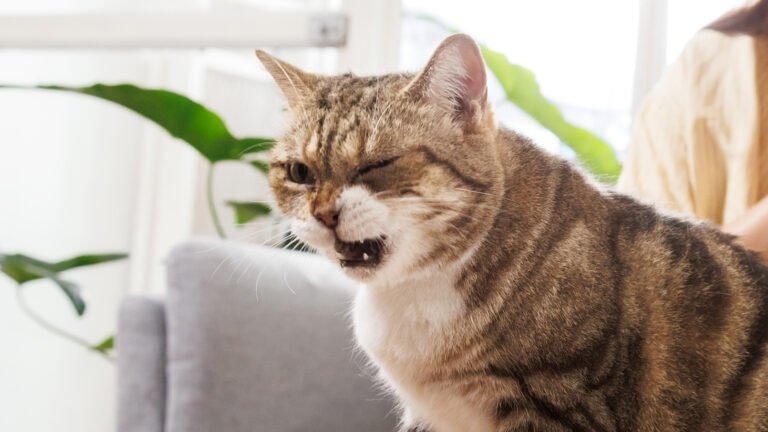
Have you ever noticed your cat’s eyes welling up with tears and wondered, “Why do cats cry?” It can be confusing and even a little worrying when your furry friend seems upset or uncomfortable. But those watery eyes are more than just a random occurrence—they could be your cat’s way of telling you something important.
You’ll discover the real reasons behind your cat’s tears and learn how to keep your pet happy and healthy. Keep reading, because understanding this simple sign could make a big difference for your beloved companion.
Credit: partnersvetwl.com
Signs Of Crying In Cats
Cats express their feelings in ways beyond human tears. Recognizing signs of crying in cats helps understand their needs and emotions. These signs include sounds, eye changes, and body movements. Paying attention to these clues improves your bond and care for your cat.
Vocalizations And Meowing
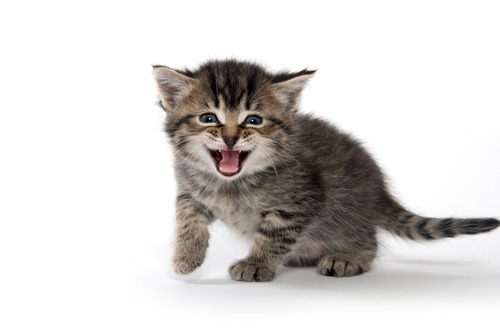
Meowing varies with a cat’s mood. A crying cat may use high-pitched or persistent meows. Sounds can be soft or loud depending on distress. Some cats may yowl or wail to get attention. These vocal signals often show discomfort or sadness.
Tear Production And Eye Discharge
Excess tear production may indicate crying or eye issues. Watery eyes or discharge can signal irritation or illness. Look for redness or swelling around the eyes. Clear tears differ from thick or colored discharge. Eye problems may need veterinary care.
Body Language Indicators
- Flattened ears showing fear or stress
- Slow blinking or squinting eyes
- Tense body posture or hiding
- Tail tucked close to the body
- Pacing or restless movements
These signs often accompany vocal and tear signals. They help identify emotional or physical discomfort in cats.

Credit: paradepets.com
Common Reasons Cats Cry
Cats use crying as a way to communicate with you. Understanding why your cat cries can help you respond better to their needs. Let’s look at some common reasons behind their vocal expressions.
Hunger And Thirst
One of the simplest reasons your cat might cry is because they are hungry or thirsty. Cats quickly learn that crying gets your attention, especially around mealtime.
If your cat starts meowing persistently near their food bowl, it’s a clear sign they want something to eat or drink. Have you noticed your cat’s cries get louder or more frequent when food is late? That’s a good hint to check their feeding schedule.
Pain And Discomfort
Crying can also indicate your cat is in pain or discomfort. Cats are good at hiding illness, but vocal changes are often a sign something is wrong.
Observe if your cat cries while moving or if they suddenly become restless. This could mean they are experiencing pain, and a vet visit might be necessary.
Stress And Anxiety
Stressful situations like changes in the household or loud noises can make your cat cry. Cats often vocalize to express unease or seek reassurance from you.
Have you moved recently or brought in a new pet? Your cat’s crying might be their way of coping with anxiety. Offering a calm environment can reduce their stress levels.
Seeking Attention
Cats quickly learn that crying can get your attention. Sometimes they just want to play, be petted, or feel close to you.
Think about how your cat behaves when they cry. Are they rubbing against you or following you around? These signs usually mean they want interaction.
Medical Issues
Persistent crying can signal underlying medical problems like urinary tract infections or hyperthyroidism. These conditions often cause discomfort and increased vocalization.
If your cat’s crying changes suddenly or happens more often, it’s important to consult a vet. Early diagnosis can prevent serious health issues.
Emotional Expression In Cats
Cats express their emotions in many ways, including crying. Their cries are not just sounds; they carry feelings. Understanding these sounds helps to know what your cat feels. Cats use crying to communicate sadness, fear, or even happiness. Their vocal expressions are key to their emotional language.
How Cats Show Sadness
Sad cats often cry with soft, drawn-out meows. They may also lower their heads or avoid eye contact. Their body language appears less energetic. You might notice slow blinking or a lack of playfulness. These signs show a cat feels lonely or upset.
Fear And Distress Signals
Fear in cats is clear through sharp, high-pitched cries. They often hide or try to escape. Their ears flatten back, and tails tuck close. Rapid breathing or wide eyes also show distress. Crying serves as a call for help or warning.
Joy And Contentment Sounds
Happy cats purr more than cry. Yet, they may make soft chirps or trills. These sounds express comfort and pleasure. Cats purr when relaxed or seeking attention. A joyful cat’s body is loose and calm.
When To Worry About Crying
Cats cry for many reasons. Sometimes, it is normal and harmless. Other times, crying signals a problem. Knowing when to worry helps protect your cat’s health. Pay attention to signs and behaviors. Persistent crying often means your cat needs help.
Signs Of Illness
- Loss of appetite or refusal to eat
- Vomiting or diarrhea
- Labored or rapid breathing
- Visible pain or limping
- Discharge from eyes or nose
- Sudden weight loss or gain
These signs paired with crying suggest illness. A vet visit is necessary.
Behavioral Changes
- Hiding or avoiding interaction
- Sudden aggression or irritability
- Restlessness or pacing
- Changes in grooming habits
- Excessive sleeping or lack of energy
Behavior shifts combined with crying can signal distress or discomfort.
Persistent Crying Patterns
Crying that lasts more than a day or two needs attention. Frequent, loud, or unusual cries are warning signs. Cats usually cry to communicate needs or pain. Notice if crying happens at night or with no clear cause.
Consistent crying often points to health or emotional issues. Early action can prevent problems from worsening.
Soothing A Crying Cat
Soothing a crying cat requires patience and understanding. Your feline friend uses cries to communicate needs or discomfort. Recognizing these signals and responding calmly can help ease their distress and strengthen your bond.
Creating A Calm Environment
Noise and chaos can make your cat feel more anxious. Try turning off loud TVs or radios and dimming bright lights to create a peaceful space. A quiet corner with soft bedding can become your cat’s safe haven.
Have you noticed how your cat reacts to sudden sounds? Minimizing these triggers can reduce crying episodes. Cats often feel more secure in familiar surroundings, so keep their favorite toys and blankets nearby.
Providing Comfort And Care
Sometimes, a gentle touch is all your cat needs to stop crying. Stroke their fur softly and speak in a soothing voice to reassure them. Offering fresh water and a small treat can also help distract and comfort your cat.
Watch for signs of hunger or thirst—these are common reasons for crying. Regular feeding schedules can prevent your cat from feeling neglected. You might also try interactive playtime to keep them engaged and less anxious.
Veterinary Intervention
If your cat’s crying seems unusual or persistent, it might signal health issues. Pay attention to changes in appetite, behavior, or litter box habits. Consulting your vet early can catch problems before they worsen.
Have you ever wondered if your cat’s crying is more than just attention-seeking? A professional check-up can provide peace of mind. Your vet might suggest treatments or lifestyle changes tailored to your cat’s needs.

Credit: www.youtube.com
Preventing Excessive Crying
Excessive crying in cats can signal discomfort or needs. Preventing this behavior improves your cat’s happiness and your peace. Small changes in daily care often reduce crying significantly. Understanding key areas helps keep your cat calm and content.
Regular Feeding And Hydration
Consistent feeding times create security for cats. A full stomach reduces stress and crying. Fresh water must be available at all times. Dehydration can cause discomfort and vocal distress. Choose high-quality food that meets nutritional needs.
Routine Health Checks
Regular vet visits catch health issues early. Pain or illness often leads to increased crying. Keep vaccinations and parasite control up to date. Monitor your cat for any behavior or appetite changes. Early care prevents long-term problems and vocal signs of pain.
Mental Stimulation And Play
Bored cats cry for attention and activity. Interactive toys and playtime reduce loneliness and frustration. Rotate toys to keep interest alive. Puzzle feeders challenge the mind and slow eating. Daily play strengthens your bond and calms your cat.
Frequently Asked Questions
Why Do Cats Cry Loudly At Night?
Cats cry at night mainly to seek attention or express loneliness. They may also be hungry or need to go outside. Older cats sometimes cry due to cognitive issues or discomfort. Understanding their needs helps reduce nighttime crying and improves their comfort.
Can Cats Cry Because They Are In Pain?
Yes, cats often cry when in pain. Crying is a way to communicate discomfort or injury. If your cat cries unusually, check for signs of illness or injury and consult a vet promptly to ensure proper care.
Do Cats Cry Due To Emotional Stress?
Cats can cry when stressed or anxious. Changes in environment, new pets, or loud noises may trigger crying. Providing a calm, safe space and consistent routine helps reduce stress-induced crying and promotes emotional well-being in cats.
Is It Normal For Cats To Cry Without Tears?
Yes, cats often cry vocally without producing tears. Their “crying” is usually a vocalization to communicate needs or emotions. Visible tears in cats are rare and typically indicate eye issues requiring veterinary attention.
Conclusion
Cats cry for many reasons, both physical and emotional. Their tears can show pain, sadness, or health problems. Watching your cat closely helps you understand its needs better. Always check for signs of illness or stress. Taking quick action keeps your cat safe and happy.
Caring for your cat means listening to its silent cries. A happy cat is a healthy cat. Keep love and care as your guide.
