

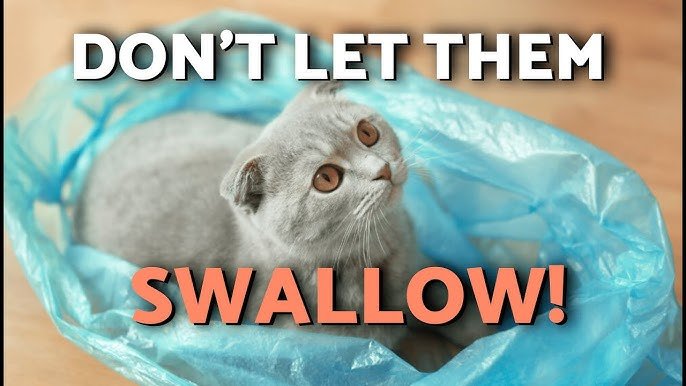
Have you ever caught your cat chewing on a plastic bag or a wrapper and wondered, “Why is my cat doing this?” It can be puzzling and even a little worrying to see your furry friend nibbling on something that’s not food. But don’t worry—you’re not alone, and there are reasons behind this strange behavior.
Understanding why your cat chews on plastic can help you keep them safe and happy. Keep reading to discover the surprising causes and what you can do about it.
Credit: www.msn.com
Common Behaviors In Cats
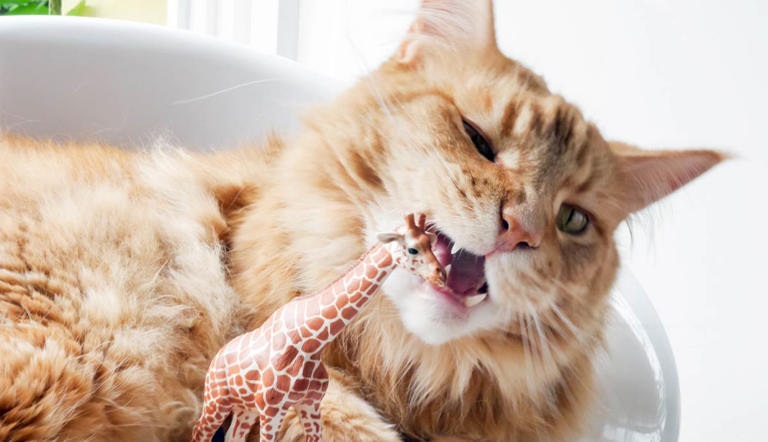
Cats have many curious behaviors that often puzzle their owners. Chewing on plastic is one such odd habit. Understanding common behaviors can help explain why cats do this. Cats explore their world using senses beyond sight. Their mouths play a key role in this exploration. Chewing, biting, and licking are all ways cats gather information.
Exploring Curious Habits
Cats use chewing to investigate new objects. Plastic has a strange texture that attracts them. It feels different from their usual toys or food. Cats might also be drawn to the smell of plastic. Some plastics carry faint odors from food packaging. This makes cats think the plastic is edible or interesting.
Chewing also helps cats relieve stress or boredom. Indoor cats especially show this habit more often. They might chew on plastic bags or wrappers left around. This behavior can be a sign they need more playtime or attention.
Unusual Chewing Preferences
Not all cats chew on plastic for the same reasons. Some have a condition called pica, causing unusual eating habits. Pica makes cats crave non-food items like plastic or fabric. Nutritional deficiencies or medical issues might trigger this behavior. Cats with pica need proper care from a vet.
Other cats enjoy the sound or feel of crinkling plastic. It mimics prey movements, triggering their hunting instincts. Chewing plastic can also be a way to soothe teething discomfort in kittens. Older cats might chew to keep their teeth clean or strong.

Credit: www.youtube.com
Instinctual Drives
Understanding why your cat chews on plastic starts with looking at their instinctual drives. These natural behaviors are deeply rooted in their genetics and survival mechanisms. Even the most domesticated cats carry these instincts, which sometimes lead them to nibble on unexpected objects like plastic.
Hunting And Play
Cats are hunters by nature, and their chewing behavior can be linked to this instinct. When your cat bites into plastic bags or wrappers, they might be mimicking the act of capturing and tearing prey. This behavior often doubles as play, helping them exercise their natural skills and stay mentally sharp.
If you watch closely, you’ll notice your cat’s jaw movements resemble those used when catching small animals. Chewing on plastic might satisfy their urge to hunt, especially if they don’t have enough interactive toys. Could providing more playtime reduce their plastic chewing habit in your home?
Texture Attraction
Plastic offers a unique texture that cats find intriguing. Its crinkly sound and slippery surface can stimulate their senses in ways other materials don’t. This combination makes plastic an irresistible chew toy for some cats.
Think about how your cat reacts to different textures—soft blankets versus crunchy leaves. Plastic offers a sensory experience that helps keep their brains engaged and curious. Offering safe, textured toys might redirect their chewing impulses away from harmful plastics.
Sensory Stimulation
Cats chewing on plastic often puzzles many pet owners. One key reason lies in sensory stimulation. Cats rely heavily on their senses to understand their environment, and plastic offers unique sensory experiences that can attract their attention.
Tactile Curiosity
The texture of plastic feels different from most items your cat encounters daily. It’s smooth, flexible, and sometimes crinkly, which can make it intriguing to touch and chew.
Think about your cat’s paws and teeth exploring new surfaces. That sensation can be satisfying and even comforting. You might have noticed your cat pawing or biting plastic bags or wrappers simply because they enjoy the unusual feel.
Have you ever felt an urge to fiddle with something unusual just because it feels interesting? Your cat experiences this too, driven by tactile curiosity.
Taste And Smell Factors
Plastic often carries scents and tastes from food residues or packaging materials. These smells can attract your cat’s attention and encourage chewing.
Sometimes, plastics contain additives or chemicals that emit faint odors appealing to cats. Your cat’s sensitive nose picks up on these subtle hints, making plastic more tempting than you might expect.
If your cat has chewed plastic near food containers, it’s likely the taste or smell is encouraging this behavior. You can try keeping plastic away from food areas to reduce this temptation.
Nutritional Deficiencies
Sometimes cats chew on plastic not just out of boredom or curiosity, but because their bodies might be missing key nutrients. Nutritional deficiencies can push your feline friend to seek out unusual items to satisfy those gaps. Understanding this behavior can help you address the root cause rather than just the symptom.
Seeking Missing Nutrients
Your cat might chew on plastic as a way to find missing nutrients like minerals or vitamins. Chewing on different textures could provide some sensory satisfaction or trace elements absent from their diet.
Think about your own diet—have you ever craved something strange when your body lacked certain nutrients? Cats can experience this too, and plastic might be an odd outlet for those cravings.
Watch for other signs like changes in appetite, energy levels, or coat condition. These clues can hint at underlying nutritional gaps that prompt such behavior.
Dietary Adjustments
Adjusting your cat’s diet can often reduce or stop plastic chewing. Adding balanced, nutrient-rich food helps fill the gaps their current meals might miss.
- Include high-quality protein sources to support overall health.
- Ensure a good mix of vitamins and minerals, especially calcium and magnesium.
- Consider supplements only after consulting a vet to avoid overdosing.
Have you noticed if your cat’s chewing less when fed fresh, balanced meals? Sometimes, small changes like switching to a vet-recommended brand or adding wet food can make a big difference.
Addressing nutritional needs directly often stops the odd chewing habit, keeping your cat safer and happier.
Stress And Anxiety
Stress and anxiety can cause cats to behave in unusual ways, including chewing on plastic. This behavior is often a way for cats to manage their feelings when they are overwhelmed or uncomfortable. Understanding the root of this can help you better support your furry friend.
Coping Mechanisms
Cats don’t have the words to tell you when they’re stressed, so they show it through actions like chewing on plastic. This can give them a sense of relief or distraction. If your cat starts nibbling on plastic bags or wrappers, it might be their way of calming down.
Have you noticed your cat chewing more during noisy storms or when guests visit? These are moments when your cat might feel anxious and seek comfort through this chewing habit. Try offering safe chew toys or extra petting to help redirect their energy.
Environmental Triggers
Changes in the environment can trigger stress in cats, leading to plastic chewing. Moving to a new home, adding a new pet, or even rearranging furniture can unsettle your cat.
Think about what has recently changed around your cat. Is there a loud appliance running nearby? Are you spending less time at home? Identifying these triggers helps you create a calmer space for your cat.
Adding calming elements like pheromone diffusers or quiet hiding spots can reduce stress. By paying attention to these details, you help your cat feel secure and less likely to chew on plastic.

Credit: www.purina.com
Teething And Oral Health
Understanding why cats chew on plastic often leads back to their teething and oral health needs. Just like human babies, young cats experience discomfort as their teeth grow in. Even adult cats might chew on unusual objects if something feels off in their mouth.
Young Cats Teething
Kittens start teething around 3 to 4 weeks old. During this stage, their gums can feel itchy or sore, prompting them to chew on anything that relieves the discomfort.
Plastic items often catch their attention because they are easy to bite and have a texture that helps massage their gums. You might notice your kitten chewing on plastic bags, wrappers, or even stray pieces of packaging.
Providing safe alternatives like soft rubber toys or teething sticks can redirect this chewing behavior. Have you tried offering your cat something specifically designed for teething? It can make a huge difference.
Dental Issues In Adults
Adult cats might chew on plastic if they have dental problems such as gingivitis, broken teeth, or oral infections. Chewing can help them cope with pain or irritation in their mouth.
Sometimes, cats seek out plastic because it feels different from their usual food or toys, providing relief or distraction. If your cat suddenly starts chewing on plastic, consider scheduling a vet checkup to rule out dental issues.
Maintaining your cat’s oral health with regular cleanings and dental treats can prevent discomfort that leads to chewing on inappropriate items. How often do you check your cat’s teeth? Small changes in their behavior could signal bigger problems.
Safety Concerns
Cats chewing on plastic may seem harmless, but it carries real safety concerns you shouldn’t ignore. Plastic can splinter or break into sharp pieces, posing choking hazards or causing internal injuries if swallowed. Additionally, many plastics contain toxic chemicals that could harm your cat’s health over time.
Preventing Ingestion
Stopping your cat from swallowing plastic is key to keeping them safe. Keep plastic bags, wrappers, and packaging out of reach to reduce temptation. You might notice your cat chewing on plastic when they’re bored or anxious—so providing plenty of mental and physical stimulation can help.
Watch for signs like coughing, gagging, or unusual vomiting, which might indicate they ingested plastic. If you spot any of these symptoms, contact your vet immediately. Have you checked your home lately for hidden plastic items your cat can access?
Safe Alternatives
Replacing plastic with safer options can protect your cat from harm. Offer chew toys made from natural rubber or soft fabric instead of plastic-based items. Some cats love dental treats or puzzle feeders that satisfy their chewing urge while keeping them safe.
Try rotating toys regularly to keep your cat interested and reduce the chance they’ll turn to plastic. What safe alternatives have you tried that worked well for your feline friend?
Behavioral Solutions
Behavioral solutions help manage cats’ habit of chewing plastic. Understanding why cats chew plastic guides the right actions. Changing their behavior needs patience and consistency.
Redirecting Chewing Habits
Offer safe alternatives to plastic for chewing. Toys made of rubber or soft fabric work well. When a cat starts chewing plastic, gently move it to a toy. Praise the cat for chewing the toy instead. This helps form new, positive habits. Keep tempting items out of reach to avoid repeats.
Providing Enrichment
Boredom often causes cats to chew plastic. Add playtime and mental challenges daily. Use puzzle feeders, interactive toys, and climbing trees. These activities keep cats busy and engaged. A tired cat chews less on unwanted items. Rotate toys regularly to maintain interest.
Frequently Asked Questions
Why Do Cats Like Chewing On Plastic Bags?
Cats chew plastic bags due to texture and sound. The crinkly noise mimics prey sounds, stimulating their hunting instincts. Some plastics contain additives that appeal to cats. Chewing also helps relieve boredom and stress.
Can Plastic Chewing Harm My Cat’s Health?
Yes, chewing plastic can be harmful. It may cause choking, intestinal blockages, or poisoning from toxic chemicals. Always monitor your cat and remove plastic objects they access to prevent health risks.
How Can I Stop My Cat From Chewing Plastic?
Distract your cat with toys and safe chewing alternatives. Provide enrichment like playtime and scratching posts. Use bitter sprays on plastic items to deter chewing. Consistent training helps break the habit over time.
Is Plastic Chewing A Sign Of Medical Issues In Cats?
Sometimes, yes. Excessive chewing may indicate dental problems, nutritional deficiencies, or anxiety. If behavior is persistent or worsens, consult a veterinarian to rule out underlying health concerns.
Conclusion
Cats chew plastic for many reasons like boredom or curiosity. This behavior can cause health problems if not watched. Offer safe toys and keep plastic away from pets. Observe your cat’s habits to find the cause. Understanding why cats chew plastic helps keep them safe and happy.
Small changes at home can stop this chewing habit. Remember, patience and care make a big difference for your cat’s well-being.
