

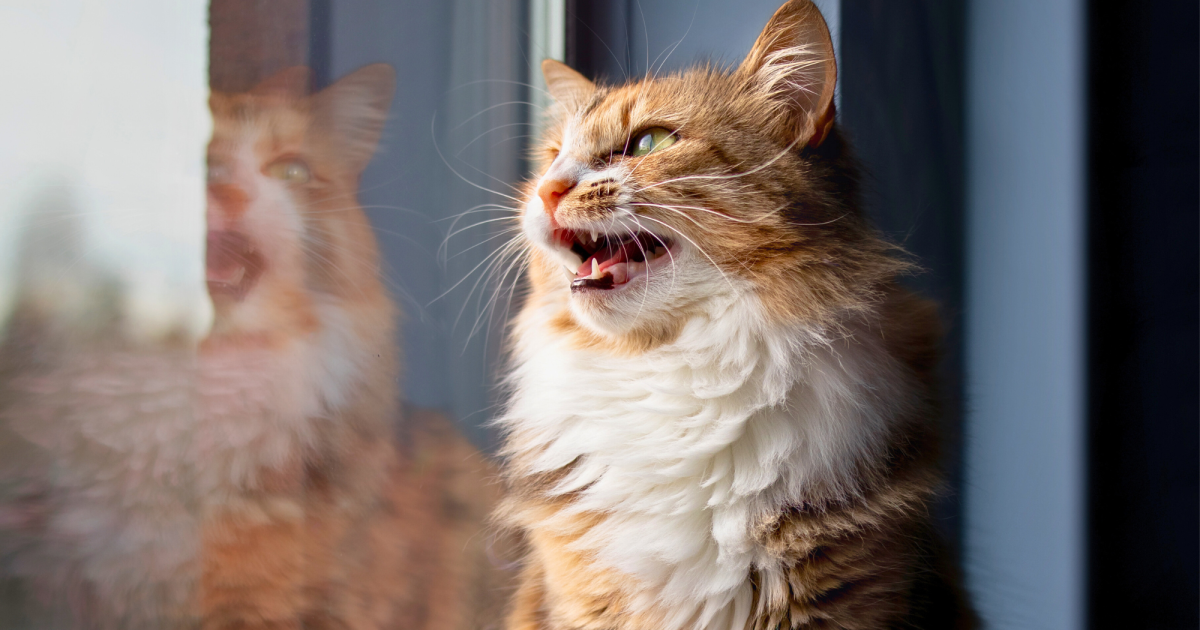
Have you ever noticed your cat making a strange chattering sound while staring out the window at birds or squirrels? It’s one of those curious behaviors that can leave you wondering, “Why do cats chatter?”
This little mystery isn’t just a random noise—it reveals a lot about how your cat thinks and feels. If you want to understand your furry friend better and discover what’s behind this unique sound, keep reading. You’ll soon see your cat’s chattering in a whole new light.
The Chattering Phenomenon
Cats often surprise us with their curious behaviors, and one of the most intriguing is their chattering. This unique sound usually happens when your cat spots birds or squirrels through the window. But what exactly is behind this strange noise, and why do cats chatter at all?
The Sound Of Excitement And Frustration
Chattering is a mix of excitement and frustration. Your cat is thrilled by the sight of potential prey but can’t reach it. That mix of emotions comes out as a rapid clicking or chattering noise.
I’ve noticed my own cat start chattering whenever a bird lands near the window. She’s clearly excited but also a bit annoyed she can’t get outside. Have you seen your cat’s eyes widen and tail twitch during these moments? It’s a clear sign of intense focus.
Is It A Hunting Instinct?
Many experts believe chattering is linked to your cat’s natural hunting instincts. The sound mimics the quick jaw movements cats use to kill prey. It’s like your cat is practicing its hunting skills, even if the “prey” is unreachable.
Think about how cats silently stalk in the wild and then suddenly snap their jaws. The chattering might be a small rehearsal for that moment. Next time your cat chatters, watch its body language closely—it’s often poised to pounce.
Communication Or A Reflex?
Some researchers suggest chattering might be a way cats communicate their excitement or frustration to you. Others say it’s an involuntary reflex triggered by the sight of prey. Either way, it’s a fascinating behavior that shows how deeply connected cats are to their instincts.
Have you ever responded to your cat’s chattering with your own voice or movement? Sometimes they seem to want you to join in or pay attention. It’s a subtle form of interaction that can strengthen your bond.
Credit: paradepets.com
Communication And Instincts
Cats chatter in ways that reveal a deep connection between their communication skills and natural instincts. This unique behavior often puzzles cat owners, but it holds clues about how cats interact with their environment and express themselves. Understanding this chatter can help you respond better to your feline friend’s needs and moods.
Chattering as a Hunting SignalWhen your cat chatters at birds or squirrels outside the window, it’s not just random noise. This sound mimics a hunting instinct, showing excitement and frustration. Cats may be imitating the sounds of prey or preparing their jaws for a quick strike.
Think about how your cat’s body language changes during these moments—ears perked, eyes focused. It’s a clear sign that chatter is part of their natural hunting communication, even if they never actually catch the prey.
Communication with Other Cats and HumansChattering is also a form of communication beyond hunting. Cats use it to express emotions like curiosity, excitement, or mild annoyance. While it’s not as common as meowing or purring, it still plays a role in your cat’s social language.
Have you noticed your cat chatter when you bring home a new pet or when they see another cat on TV? This behavior can be their way of saying “I’m interested” or “I’m alert.” Paying attention to these signals helps you better understand their feelings.
Instincts Rooted in AncestryChattering is connected to the wild ancestry of domestic cats. Their ancestors needed to master silent stalking and quick attacks. The chatter likely evolved as a tool for sharpening focus and preparing for the kill.
Recognizing this instinct can change how you view your cat’s behavior. Instead of seeing chatter as strange or annoying, you’ll see it as a window into their ancient survival skills.
Predatory Behavior
Predatory behavior is a key reason why cats chatter. This strange, repetitive sound often happens when your cat spots birds, squirrels, or even insects outside the window. It’s a mix of excitement and frustration as their natural hunting instincts kick in but they can’t reach the prey.
What Triggers The Chattering Response?
Your cat’s chattering usually begins when they see something moving quickly. It’s their brain getting ready for the chase. The combination of intense focus and inability to immediately hunt causes this unique vocalization.
Think about your own reaction if you wanted something very badly but couldn’t get it. That’s similar to what your cat feels in these moments.
How Chattering Mimics Hunting Actions
Chattering is often paired with twitching whiskers, paw movements, and a crouched posture. These are all signs your cat is in “hunting mode.”
Some experts believe the chattering sound imitates the quick snapping of a cat’s jaw as it would when catching prey. This could be a way to prepare their jaw muscles or express excitement.
Can You Use Chattering To Understand Your Cat’s Mood?
Next time your cat chatters, watch their body language closely. Are they tense, focused, or relaxed? This helps you know if they’re excited or frustrated.
Understanding this can improve how you interact with your cat during these moments. You might even try redirecting their attention to a toy that simulates hunting to satisfy their urge.

Credit: m.youtube.com
Frustration And Excitement
Cats often chatter when they face strong feelings of frustration or excitement. This behavior shows their inner emotional state. It happens especially during hunting or watching birds outside. The chattering sound is a mix of joy and nervous energy. It helps them express what they cannot say with words.
Understanding why cats chatter can improve your bond with them. It also helps you see their needs and moods more clearly.
Frustration From Hunting Instincts
Cats are natural hunters. They see birds or small animals and want to catch them. When they cannot reach the prey, they feel frustrated. This frustration causes chattering sounds. It is their way of releasing tension. The quick jaw movements mimic the biting action they want to perform.
This behavior shows how strong their hunting instincts are. Even indoor cats can show this when watching wildlife outside.
Excitement And Anticipation
Chattering also happens when cats feel excited. They get ready to pounce or play. This excitement makes their jaws move quickly. The sound is a sign of eagerness and focus. It is like a happy chatter before action.
This excitement is positive and shows that your cat is alert and interested. It can be a sign they want to engage with their environment or you.
Mimicking Prey Sounds
Cats often make a unique chattering sound when they spot birds or small animals. This behavior connects to their natural hunting instincts. They may be trying to copy the noises their prey makes. This helps them feel closer to the hunt even if they cannot catch the prey right away.
The chattering sound mimics the calls and movements of birds or rodents. This action might confuse or attract prey. It also shows the cat’s focus and excitement during hunting moments. Understanding this helps us see why cats chatter beyond simple frustration or excitement.
Mimicking Bird Calls
Cats sometimes imitate the chirps and tweets of birds. These sounds may trick birds into moving closer. It lets cats practice their hunting skills silently. This mimicry shows the cat’s sharp listening and learning abilities.
Imitating Rodent Noises
Small rodents make quick, high-pitched sounds. Cats try to copy these to blend into their environment. This copying might help cats sneak up on their prey. It reflects the cat’s natural patience and strategy.
Why Cats Use This Technique
- To lure prey closer
- To practice hunting skills
- To express excitement and focus
- To stay mentally engaged during hunting
Social Interactions
Cats use chattering sounds during social moments. This behavior helps them communicate feelings and intentions to others. It is common to see cats chatter when they spot birds or small animals outside.
Chattering also plays a role in how cats interact with humans and other cats. It can show excitement, frustration, or curiosity. Understanding these sounds helps build a stronger bond with your cat.
Chattering As A Form Of Communication
Cats often chatter to express interest or alertness. This sound may signal a desire to hunt or a reaction to something unusual. It acts as a way for cats to share their emotions without using body language alone.
Chatter In Cat-to-cat Interactions
When cats chatter around each other, they may be sharing excitement or warnings. This vocalization can help establish social order or invite play. It often happens during close encounters or group hunting behaviors.
Chattering Directed Toward Humans
Cats sometimes chatter while looking at their owners. This may show eagerness or a call for attention. It can also express their desire for interaction or food. Listening carefully helps decode what your cat wants.
The Role Of Environment
The environment your cat lives in plays a surprising role in why they chatter. Changes around them, the presence of prey, or even the layout of your home can spark this unique behavior. Understanding these environmental triggers can help you connect with your cat on a deeper level.
The Influence Of Outdoor Stimuli
Many cats chatter when they see birds, squirrels, or other small animals outside. The sights and sounds of potential prey activate their hunting instincts, even if they can’t physically reach the target.
Your window setup can affect how often your cat experiences these triggers. A perch or a cozy spot by the window gives them a front-row seat to nature’s action, increasing the chances of chattering.
Indoor Environment And Its Impact
Your home’s layout and noise levels also influence your cat’s behavior. A quiet, calm space might reduce stress and limit chattering, while a busy or noisy environment could cause excitement or frustration, leading to more vocalizations.
Have you noticed your cat chattering more when there’s a lot of commotion? It’s their way of reacting to their surroundings, showing both curiosity and sometimes impatience.
Seasonal And Weather Effects
Season changes can alter what your cat sees outside and how often they chatter. Spring and summer bring more wildlife activity, which may increase chattering episodes.
During rainy or cold weather, your cat might chatter less simply because there’s less to observe outside. This seasonal pattern highlights how sensitive cats are to their environment.
Credit: www.livescience.com
Scientific Studies
Scientific studies have explored why cats chatter. Researchers observe cats’ behavior closely to understand this curious sound. Chattering appears mostly when cats see birds or prey animals. Scientists suggest it relates to hunting instincts and emotions.
Studies also examine the connection between chattering and the cat’s brain activity. This sound might be a mix of excitement and frustration. It shows a cat’s inner conflict between wanting to hunt and being unable to catch prey.
Observations Of Feline Hunting Behavior
Researchers watch cats in natural and home settings. They note chattering often happens during stalking or watching birds. This behavior seems linked to the cat’s desire to hunt. It may help cats focus on their target.
Neurological Insights Into Chattering
Brain studies reveal activity in areas controlling vocalization and emotions. Chattering may arise from stimulation of these brain regions. The sound could be a reflex triggered by sight of prey.
Comparisons With Other Cat Vocalizations
Scientists compare chattering with meowing and purring. Each sound has different purposes and meanings. Chattering stands out as a unique hunting-related vocalization. It differs from calls used to communicate with humans.
Experimental Studies And Findings
Experiments with cats show chattering increases when prey is visible but unreachable. This supports the idea of frustration or excitement. Some studies use video playback to trigger chattering. Results confirm visual stimuli play a key role.
How To Respond To Chattering
Cats chatter when they see birds or small animals outside. This sound shows excitement or frustration. Knowing how to respond helps you connect with your cat. It also keeps your cat calm and happy.
Observe Your Cat’s Behavior
Watch your cat closely while chattering. Notice if they are focused on something outside. Look for signs of stress or excitement. This helps you understand what your cat feels.
Provide Safe Entertainment
Offer toys that mimic prey, like feather wands. Play with your cat to release energy and reduce frustration. This keeps their hunting instincts active in a safe way.
Avoid Interrupting The Chatter
Let your cat finish chattering. It is a natural way to express emotions. Interrupting may cause confusion or stress. Patience helps your cat feel secure.
Create A Comfortable Viewing Spot
Set up a cozy window perch. This lets your cat watch birds or squirrels safely. A good view reduces boredom and satisfies curiosity.
Use Positive Reinforcement
Give treats or praise when your cat chats calmly. This encourages gentle behavior. Avoid punishing or scolding during chattering moments.
Frequently Asked Questions
Why Do Cats Chatter At Birds?
Cats chatter when they see birds due to hunting excitement. This behavior mimics hunting sounds and expresses frustration or anticipation.
Is Cat Chattering A Sign Of Stress?
Cat chattering is not usually stress-related. It often shows predatory excitement or curiosity, not fear or anxiety.
Do All Cats Chatter The Same Way?
No, chattering varies among cats. Some produce rapid clicks, others a soft trill, depending on personality and situation.
Can Chattering Help Cats In Hunting?
Chattering does not aid hunting directly. It may simulate prey sounds or express eagerness, but it’s mostly instinctual behavior.
Conclusion
Cats chatter to express excitement or frustration. This sound shows their focus on prey or play. It helps them communicate feelings without meowing. Understanding this helps you connect with your cat better. Next time you hear chattering, remember its meaning.
It’s a small way cats share their world. Observing closely makes pet care more rewarding. Keep listening and enjoy the special bond you share.
