

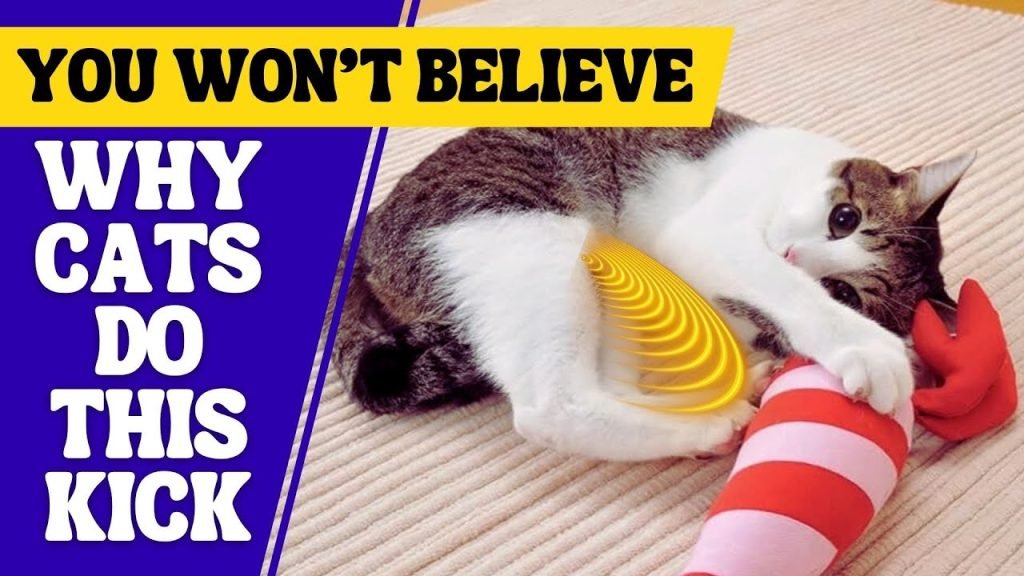
Have you ever watched your cat suddenly start kicking the air with its back legs and wondered, “Why do cats bunny kick?” This quirky behavior might look funny or strange, but it actually reveals a lot about your cat’s instincts and feelings.
Understanding why your furry friend does this can help you connect with them better and even improve your playtime together. Keep reading to discover the surprising reasons behind your cat’s bunny kicks and what it means for your bond.
Credit: www.petscare.com
Bunny Kick Behavior
The bunny kick behavior is one of the most fascinating and instinctive actions you’ll see in cats. It’s a powerful display of their natural hunting and self-defense skills. Watching your cat perform this move can reveal a lot about their mood and how they interact with their environment.
What Is Bunny Kicking
Bunny kicking is when a cat uses its back legs to kick vigorously while holding onto an object with its front paws. This behavior mimics how wild cats deal with prey or threats by immobilizing them. It’s not just a playful act; it’s a survival technique deeply rooted in their instincts.
You might notice your cat bunny kicking toys, blankets, or even your hands during play. This shows how the behavior carries over from hunting to everyday interactions. Have you ever wondered why your cat seems so intense while doing this? It’s because they’re channeling their inner predator.
How Cats Perform It
When your cat bunny kicks, it usually grabs an object with its front paws to hold it steady. Then, it alternates powerful kicks with its hind legs, often extending and retracting them quickly. The motion is fast and forceful, designed to wear down or push away whatever they are holding.
Interestingly, cats often dig their claws into the object during this process, adding extra grip and control. You might see their body tense up, tail flicking, and ears alert—signs they’re fully engaged in the moment. This behavior can also serve as a stress relief or a way to express excitement.
Next time your cat bunny kicks, take a moment to observe. What are they holding onto? How intense is their kicking? Understanding these clues can help you connect better with your furry friend and provide toys or outlets that satisfy their natural instincts.

Credit: www.reddit.com
Instinctive Roots
Cats bunny kick because it is a natural behavior rooted in their instincts. This action helps them survive and thrive in the wild. Even house cats keep this habit as a part of their inherited skills. Understanding these instinctive roots explains why cats do this often.
Hunting And Defense
Bunny kicking is a hunting technique cats use to catch prey. They grab with their front paws and kick with their back legs. This motion helps them hold and injure small animals like mice.
It also works as a defense move. Cats kick to protect themselves from threats. Their strong back legs deliver powerful blows to scare off attackers.
Kitten Play Patterns
Young kittens practice bunny kicking during play. Play helps them build muscle and coordination. It also teaches them how to hunt and defend later in life.
Kittens often wrestle and kick each other. This play mimics real-life hunting and fighting skills. It prepares them for survival in nature.
When Cats Bunny Kick
Understanding when cats bunny kick can help you better read your furry friend’s behavior. This unique action isn’t random; it happens in specific moments that reveal what your cat feels or intends. Recognizing these moments lets you respond appropriately and strengthen your bond.
During Playtime
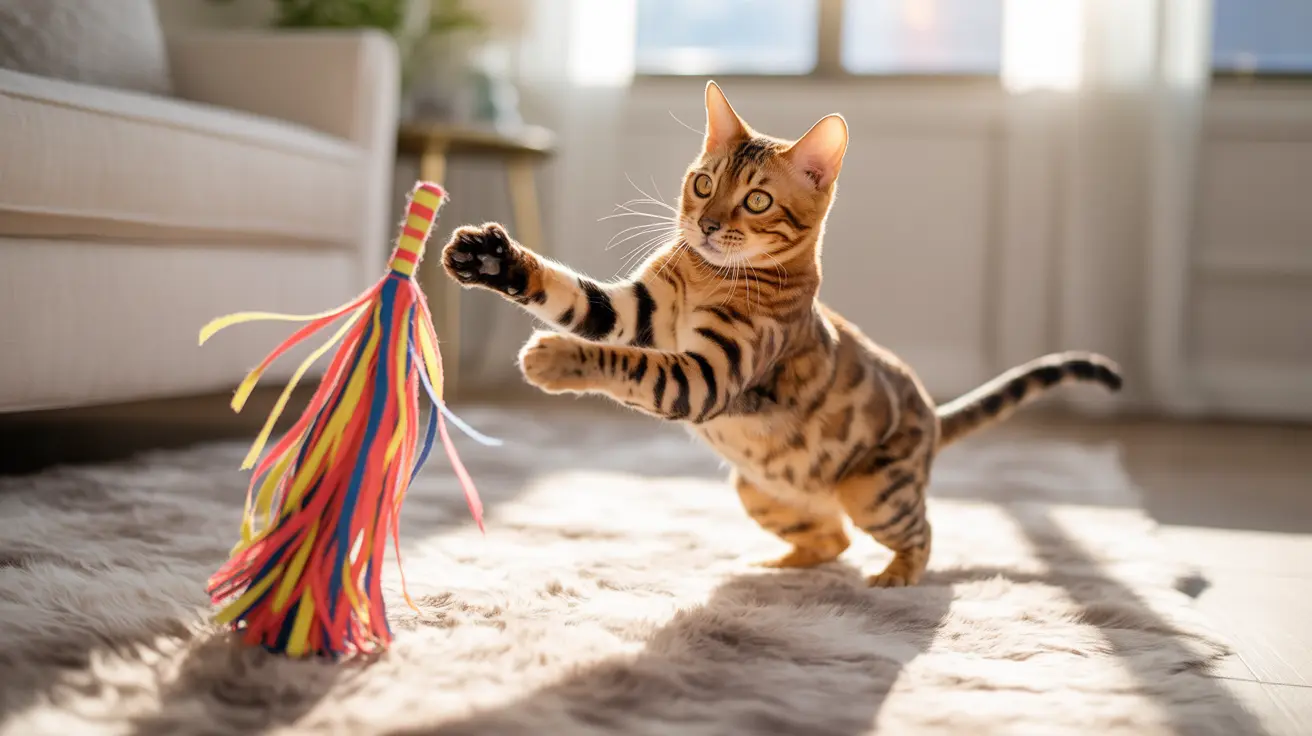
Have you noticed your cat pounce on toys and suddenly start kicking with their back legs? This is a common part of their play routine. Bunny kicking during play helps cats practice hunting skills like grabbing and holding onto prey.
It’s a way for your cat to simulate catching a mouse or bird. Watching my cat kick a plush mouse made me realize how important this behavior is for their mental and physical exercise.
In Aggressive Situations
Sometimes, bunny kicking comes with hissing or growling, signaling your cat feels threatened. This defensive move protects them by keeping an opponent at a distance while they deliver powerful kicks.
If your cat bunny kicks during a confrontation, it’s their way of saying “back off.” Recognizing this can prevent you from accidentally escalating a fight between cats or with your pet.
While Grooming
It might surprise you, but cats also bunny kick during grooming sessions. They often use their back legs to scratch hard-to-reach spots or remove irritants from their fur.
This behavior shows how precise and flexible cats are in taking care of themselves. Next time your cat starts kicking mid-groom, you’ll know they’re simply keeping clean and comfortable.

Credit: www.youtube.com
Benefits Of Bunny Kicking
The bunny kick is more than just a quirky feline move—it’s packed with benefits that help cats stay sharp and healthy. Watching your cat throw those powerful back kicks might seem playful, but there’s a lot going on beneath the surface. Understanding these benefits can help you appreciate this behavior and even encourage safe play that mimics it.
Strengthening Muscles
Bunny kicking helps cats build strong leg and core muscles. When your cat pushes off with those back legs, it’s like a mini workout session that tones their muscles.
Think about how often they use this move during play or hunting practice—it’s a natural way to stay fit. Have you noticed your cat’s powerful kicks after a burst of energy? That’s muscle strength in action.
Sharpening Reflexes
This action isn’t just about power; it’s also about speed and precision. Bunny kicking requires quick coordination between eyes, brain, and muscles.
Each kick hones their reflexes, making your cat faster and more agile. Next time your cat reacts swiftly to a toy, you’ll know those kicks played a role in sharpening their response time.
Stress Relief
Believe it or not, bunny kicking helps cats blow off steam. It’s a way for them to release built-up energy and reduce anxiety.
When your cat kicks a pillow or a soft toy, they’re managing stress just like you might by stretching or exercising. Could encouraging safe bunny kick sessions improve your cat’s mood and behavior?
Tips For Cat Owners
Understanding why cats bunny kick helps owners handle this behavior well. Cats use bunny kicks to play and protect themselves. This action shows their strong hunting instincts. Owners should learn how to support their cats during playtime and stress moments.
Providing the right environment and knowing signs can keep cats happy and safe. Managing their energy and aggression helps prevent problems. These tips guide owners to enjoy their cats’ playful and wild side.
Safe Play Ideas
- Use wand toys to keep distance from claws and teeth.
- Offer soft stuffed toys for your cat to kick and bite.
- Rotate toys to keep your cat interested and active.
- Set short play sessions to avoid overexciting your cat.
- Use puzzle feeders to engage their mind and body.
Recognizing Signs
- Watch for sudden tail flicks or ears flattening.
- Notice if your cat’s pupils get large or narrow.
- Spot tense body posture or raised fur.
- Observe if your cat suddenly stops playing or hides.
- Pay attention to repeated bunny kicks during play.
Managing Aggression
- Stay calm and avoid yelling or sudden moves.
- Give your cat space if it shows stress signs.
- Redirect aggressive behavior with toys instead of hands.
- Provide quiet areas for your cat to relax.
- Consult a vet if aggression increases or worries you.
Frequently Asked Questions
Why Do Cats Bunny Kick During Play?
Cats bunny kick to mimic hunting behavior. They use their hind legs to kick objects or prey to immobilize them. This instinct helps cats practice their natural hunting skills and provides physical exercise and mental stimulation.
Is Bunny Kicking A Sign Of Aggression In Cats?
Bunny kicking is not always aggressive. Cats often use it during play or self-defense. It helps them control opponents or toys while keeping distance. Understanding the context and body language is key to recognizing if it’s playful or aggressive.
How Can I Stop My Cat From Bunny Kicking Furniture?
Redirect your cat’s energy to toys and scratching posts. Provide interactive play sessions to reduce unwanted bunny kicking. Use deterrents on furniture and reward calm behavior to protect your home while keeping your cat happy.
Do Kittens Bunny Kick More Than Adult Cats?
Yes, kittens bunny kick more as they learn hunting skills. This playful behavior is crucial for their development. Adult cats may bunny kick less but still use it during play or self-defense situations to stay sharp.
Conclusion
Cats bunny kick to play, defend, and express energy. This behavior helps them stay sharp and active. Watching your cat bunny kick shows they feel safe and playful. Understanding why cats do this builds a stronger bond with them. Next time your cat kicks, enjoy the moment—it’s part of their unique nature.
Keep observing to learn more about your furry friend’s habits. This simple action holds many meanings in your cat’s world.
