

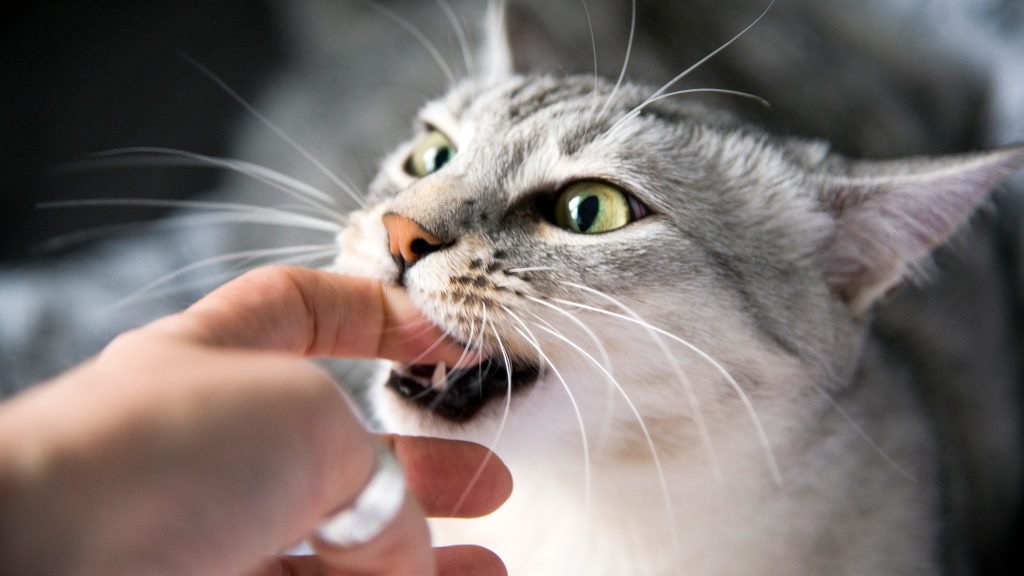
Have you ever felt a sudden nip from your cat while grooming them and wondered, “Why do cats bite when grooming?” It can be confusing and even a little painful, especially when you’re just trying to care for your furry friend. Understanding why your cat behaves this way is key to making grooming a more enjoyable experience for both of you.
You’ll discover the surprising reasons behind this behavior and learn how to handle it better. Keep reading to uncover the secrets your cat isn’t telling you!
Cat Grooming Behavior
Understanding cat grooming behavior helps you see why your feline friend might suddenly bite during a grooming session. Grooming is not just about cleanliness; it’s a complex behavior rooted in instincts and social interactions. Recognizing these layers can improve how you care for your cat and respond to their biting.
Natural Grooming Instincts
Cats groom themselves to stay clean and healthy. Their tongues have tiny, hook-like structures that remove dirt and loose fur effectively. Sometimes, this intense licking can irritate the skin, causing your cat to bite as a way to stop the discomfort.
Your cat’s biting can also be a sign that grooming reached a sensitive spot. Have you noticed your cat biting after you pet a certain area too long? This is their natural limit signaling you to pause.
Social Bonding Through Grooming
Grooming isn’t just self-care; it’s a social activity among cats. Mutual grooming helps build trust and strengthen bonds. When your cat licks or nibbles you, they may be trying to include you in this social ritual.
However, a bite during grooming can mean your cat feels overwhelmed or wants to set boundaries. Have you ever felt uncomfortable during a hug and pulled away? Cats feel the same way. Respecting their signals keeps your relationship positive.

Credit: www.reddit.com
Reasons Behind Biting
Cats biting during grooming can feel confusing or even frustrating. Understanding why your cat chooses to nip can help you respond in a way that respects their feelings and keeps your bond strong. The reasons behind biting range from simple communication to sensory overload, and knowing these can change how you approach grooming sessions.
Communication And Boundaries
Cats often use biting as a way to communicate. It’s their way of saying, “Enough,” or “I don’t like this.” They can’t tell you with words, so a gentle nip might be their signal to set a boundary.
Have you noticed your cat biting just as you reach a sensitive spot? That’s a clear sign they want you to stop. Respecting these signals helps build trust and makes grooming less stressful for both of you.
Overstimulation And Sensory Sensitivity
Sometimes, grooming can overwhelm a cat’s senses. The feeling of brushing or touching certain areas might become too intense, triggering a bite. This is especially true if your cat is sensitive to touch or has had negative experiences before.
Watch for signs like tail flicking, ear twitching, or restlessness—these often precede a bite. Adjust your grooming speed and pressure to suit your cat’s comfort level, and take breaks if needed to avoid overstimulation.
Playful Vs Defensive Biting
Not all bites are the same. Some cats bite playfully during grooming, treating the interaction like a game. These bites are usually gentle and accompanied by relaxed body language.
Defensive bites, on the other hand, are sharper and come with signs of fear or irritation. Understanding the difference can help you decide whether to redirect your cat’s energy with toys or give them space to calm down.
Have you ever noticed your cat’s body language change right before a bite? Paying attention to these cues can prevent unwanted nips and make grooming a positive experience for both of you.
Body Language Signals
Cats use body language to communicate their feelings clearly. When grooming, their signals can show comfort or irritation. Understanding these signs helps prevent bites and keeps the grooming session calm.
Tail And Ear Movements
A cat’s tail and ears give strong clues about their mood during grooming. A slowly swaying tail means they feel relaxed. But a flicking or thumping tail shows annoyance or stress. Ears facing forward indicate curiosity or calmness. Flattened ears pressed back signal fear or anger. Watching these movements helps you know when to pause or stop.
Vocalizations And Facial Expressions
Cats use sounds and facial cues to express their feelings. Soft purring often means contentment. Low growls or hisses warn of discomfort or frustration. Squinting eyes show trust, while wide-open eyes may mean surprise or fear. Tight lips and a tense face can mean the cat wants to end grooming soon. Paying attention to these signs helps avoid bites.
How To Respond To Grooming Bites
Responding properly to grooming bites helps maintain a strong bond with your cat. Understanding their signals and adjusting your actions can reduce biting. Patience and consistency play key roles in calming your cat during grooming sessions.
Recognizing Warning Signs
Watch your cat’s body language closely. Tail flicking, ears flattening, or sudden stillness can mean discomfort. A quick glance at your hand or a soft growl often precedes a bite. Spotting these signs early lets you pause before biting happens.
Redirecting Behavior
Shift your cat’s focus away from biting urges. Gently offer a toy or a soft object to bite instead. Stop grooming for a moment and give your cat space to relax. Small breaks help your cat feel less stressed and more in control.
Positive Reinforcement Techniques
Reward calm behavior during grooming with treats or gentle praise. Use a soft voice to soothe your cat and build trust. Consistently praising good behavior encourages your cat to stay calm next time. Over time, grooming becomes a more pleasant experience for both of you.
Preventing Biting During Grooming
Preventing biting during grooming helps make the experience safe and pleasant. Cats often bite because they feel scared or uncomfortable. Understanding how to reduce stress and use the right tools can stop biting. Creating a calm setting, taking grooming slow, and using proper tools helps build trust and comfort.
Creating A Calm Environment
Choose a quiet room without loud noises or distractions. Soft lighting can help your cat feel relaxed. Sit on the floor or a low surface to seem less threatening. Speak softly and gently to reassure your cat. Avoid sudden movements to keep the cat calm. A calm space reduces stress and lowers the chance of biting.
Gradual Grooming Sessions
Start with short grooming sessions to avoid overwhelming your cat. Focus on one small area at a time, like the head or back. Stop before your cat shows signs of irritation or biting. Gradually increase the time as your cat gets used to grooming. Reward your cat with treats or petting after each session. Slow, gentle grooming builds trust and reduces biting over time.
Using Proper Grooming Tools
Choose brushes and combs that suit your cat’s fur type. Soft-bristle brushes work well for short-haired cats. Wide-toothed combs help remove tangles from long fur gently. Use tools with smooth edges to avoid hurting your cat’s skin. Keep grooming tools clean to prevent irritation. Proper tools make grooming easier and less stressful for your cat.
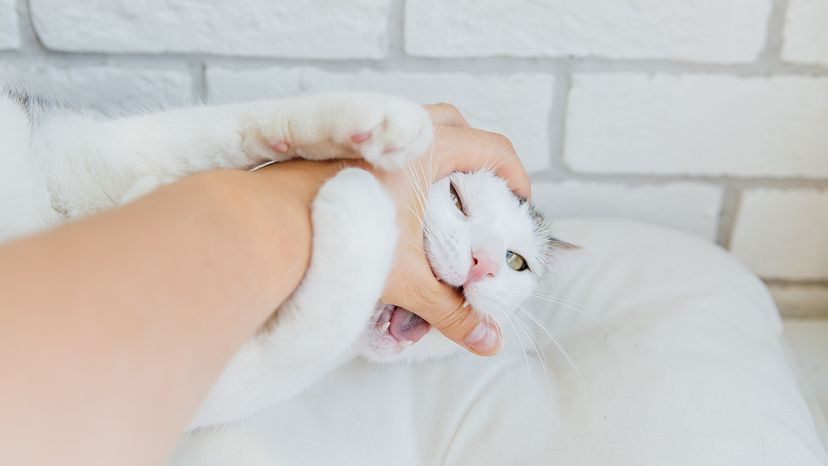
Credit: animals.howstuffworks.com
When To Consult A Veterinarian
Knowing when to consult a veterinarian about your cat’s biting during grooming is crucial. While some nips are harmless, sudden or frequent biting might signal deeper issues. Recognizing the signs early can save your cat from discomfort and prevent more serious health problems.
Behavioral Changes And Health Issues
Has your cat suddenly started biting more during grooming? This change could indicate stress or anxiety. Cats often bite when they feel threatened or uncomfortable, so watch for other behavioral shifts like hiding, aggression, or loss of appetite.
Health problems can also trigger biting. Skin infections, allergies, or parasites might make grooming painful. If your cat avoids being touched or grooms excessively in certain areas, it’s time to get a professional opinion.
Pain And Discomfort Indicators
Biting is a clear way your cat might express pain. If your cat flinches, growls, or pulls away when you touch specific spots, it’s a red flag. Look closely for swelling, redness, or wounds that could cause irritation during grooming.
Remember, cats hide pain well. You might only notice subtle signs like increased biting or reluctance to be groomed. When in doubt, consulting your veterinarian can help identify hidden problems and provide relief for your pet.

Credit: www.reddit.com
Frequently Asked Questions
Why Do Cats Bite During Grooming?
Cats bite during grooming to communicate discomfort or overstimulation. It’s their way of setting boundaries or expressing irritation.
Is Biting A Sign Of Affection In Cats?
Sometimes, gentle biting is a sign of affection or playfulness. However, harder bites often indicate stress or annoyance.
How Can I Stop My Cat From Biting When Grooming?
Use gentle strokes and watch for warning signs. Stop grooming if your cat shows irritation or tries to bite.
Does Biting Mean My Cat Doesn’t Like Being Groomed?
Not always. Biting can signal sensitivity to certain areas or grooming techniques rather than dislike.
Conclusion
Cats bite during grooming to communicate or protect themselves. They may feel ticklish or uncomfortable. Sometimes, biting helps them set boundaries with their owners. Understanding your cat’s behavior builds trust and improves care. Watch for signs before biting happens. Gentle handling reduces stress and biting chances.
Patience and attention make grooming easier for both. Keep grooming sessions short and calm. Your cat will respond with less biting over time. Trust grows with respect and kindness.
