

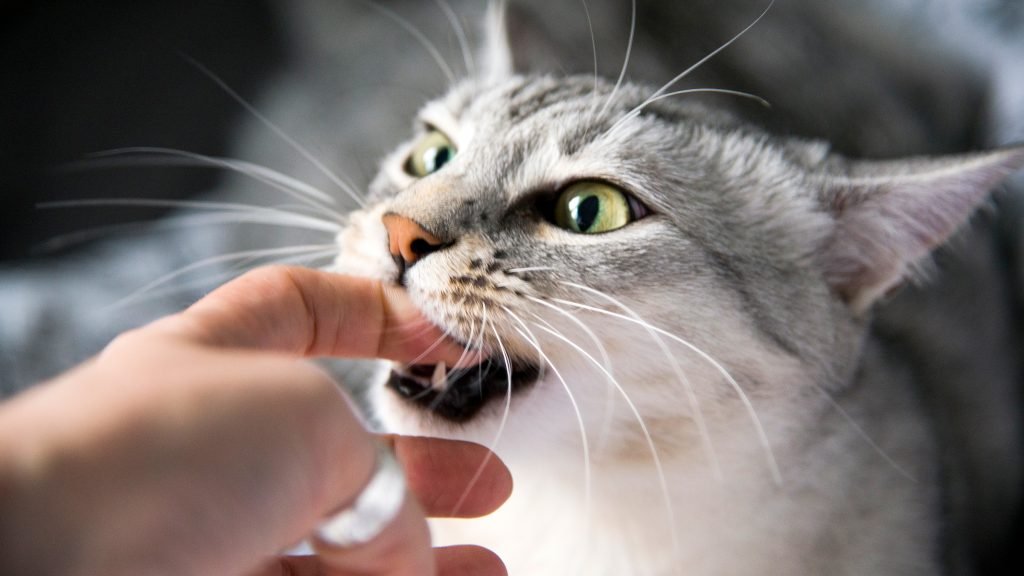
Have you ever wondered why your cat suddenly bites you, even when they seem calm and happy? Understanding why cats bite can help you build a stronger bond with your furry friend and avoid those unexpected scratches.
You’ll discover the surprising reasons behind your cat’s biting behavior and learn simple ways to respond. By knowing what triggers these bites, you can keep both you and your cat happy and safe. Keep reading to unlock the secrets behind your cat’s bite!

Credit: www.feliway.co.uk
Common Triggers For Cat Biting
Cats often bite when they feel scared, annoyed, or overstimulated. Sudden movements, loud noises, or rough play can trigger their biting behavior. Understanding these signals helps prevent bites and keeps interactions safe.
Cats can bite for various reasons. Understanding these triggers helps prevent unwanted biting. Let’s explore some common reasons why cats bite.Play Aggression
Cats often bite during play. It’s a natural instinct. Young cats, in particular, may not know how to control their bites. They mimic hunting behaviors. Biting during play is a way to practice.Overstimulation
Cats can get overstimulated by too much petting. They may bite as a response. Watch for signs like tail flicking or ears flattening. These are warnings of overstimulation. It’s best to give them space.Fear And Anxiety
Fear causes cats to bite. New environments or loud noises can trigger anxiety. A scared cat may lash out to protect itself. Providing a safe space can help.Territorial Behavior
Cats are territorial by nature. They may bite to defend their space. This is common when introducing a new pet. Ensuring each cat has its own area can reduce this behavior.Physical Causes Behind Biting
Cats bite for many reasons. Some of these reasons come from physical causes. Understanding these causes helps you care for your cat better. Physical discomfort or health problems can make cats bite. They use biting to tell you something is wrong.
Pain Or Discomfort
Cats bite when they feel pain. It can be from an injury or sore spot. Biting is their way to protect that area. They want to stop you from touching it. Watch for changes in their behavior or mood. These signs may show that your cat hurts.
Health Issues
Some health problems cause cats to bite more. Dental disease is a common cause. It makes their mouth painful. Other issues like infections or arthritis can also cause pain. Cats may bite to express their discomfort. Regular vet checkups help find these problems early.
Sensitivity To Touch
Some cats have sensitive skin or fur. They may not like being petted in certain spots. Touching these spots can make them bite quickly. Sensitivity can come from past trauma or skin conditions. Learn where your cat likes to be touched. Respecting their boundaries reduces biting incidents.
Communication Through Biting
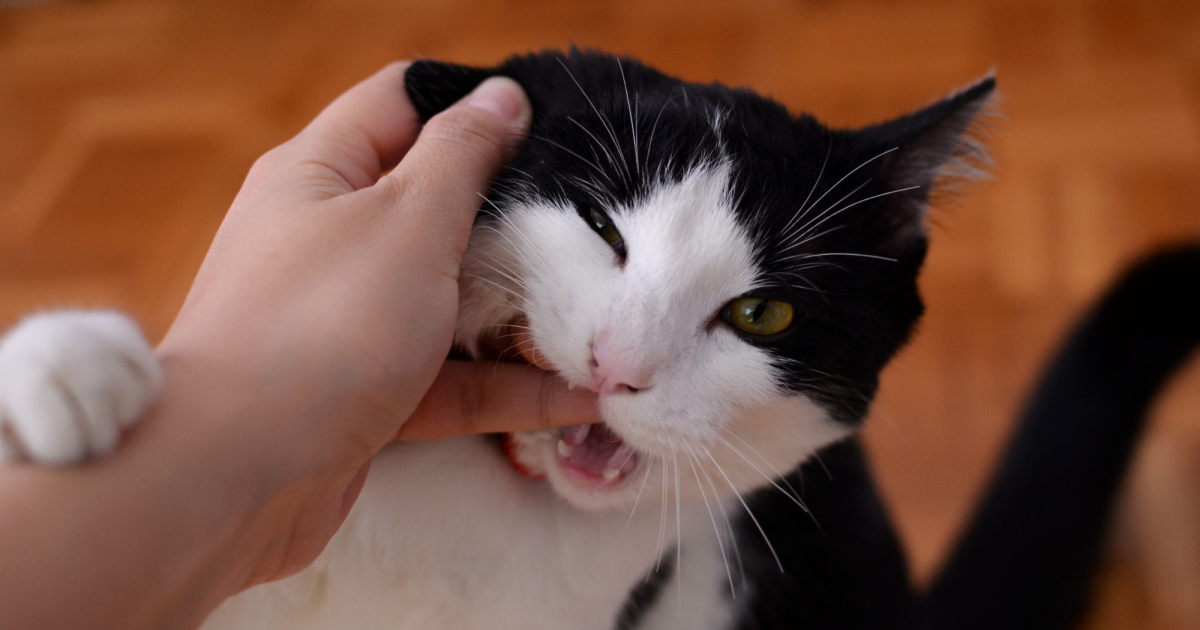
Cats use biting as a way to communicate their feelings and needs. Biting is not always about aggression. It can be a subtle message that your cat wants to share. Understanding why cats bite helps build a better bond with them.
Setting Boundaries
Cats bite to show limits. They may bite softly to say, “Stop that.” This behavior helps them control how others touch or play with them. It is a clear sign that they want space or a break. Respecting this message keeps your cat calm and happy.
Attention Seeking
Sometimes cats bite to get noticed. A gentle nip can mean, “Look at me.” They want your focus or to start playing. This kind of bite is usually light and brief. It is their way to invite interaction without using words.
Expressing Stress
Biting can show that a cat feels stressed or scared. When they feel unsafe, a bite warns others to back off. Stressful situations might include loud noises or new people. Recognizing this helps to calm your cat and avoid more bites.
Credit: pethelpful.com
Environmental Factors Influencing Biting
Cats may bite because of changes in their environment. These changes can make them feel stressed or unsure. Understanding what causes this behavior helps in reducing biting. Several environmental factors influence why cats bite.
Changes In Routine
Cats like a stable daily routine. Sudden changes can confuse them. A new feeding time or different play schedule may upset a cat. This stress can lead to biting as a way to express discomfort.
Introduction Of New Pets
Bringing a new pet home affects a cat’s sense of security. Cats may feel threatened by unfamiliar animals. Biting can be a defensive reaction to protect their space. Gradual introductions help reduce stress and biting.
Lack Of Stimulation
Cats need physical and mental activities daily. Without enough play or attention, they get bored. Biting becomes a way to get attention or release energy. Providing toys and interactive play helps keep cats calm and happy.
Preventing And Managing Biting
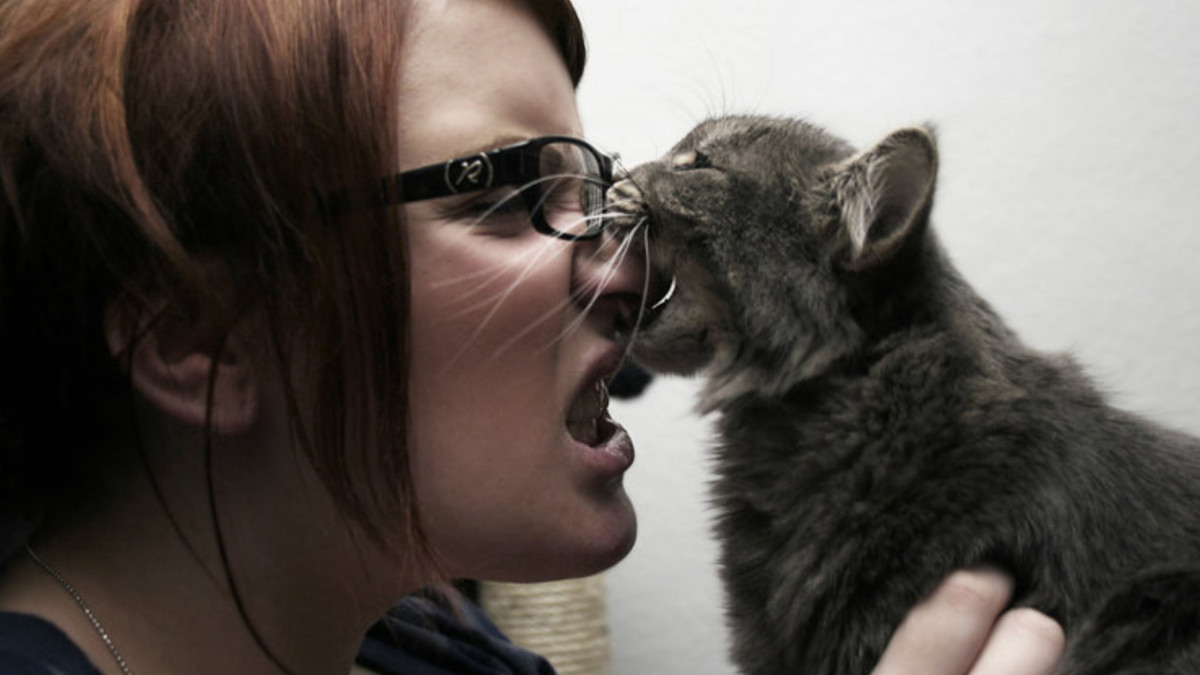
Preventing and managing biting in cats requires patience and understanding. Biting often signals discomfort or stress. Learning to recognize these signals helps reduce incidents. Training your cat and creating a calm environment also play key roles. Consistent effort improves your bond and keeps both safe.
Recognizing Warning Signs
Cats show many signs before they bite. Watch for:
- Flattened ears
- Swishing tail
- Hissing or growling
- Stiff body posture
- Quick glances or staring
Noticing these signs early lets you stop play or interaction. This avoids bites and stress for your cat.
Redirecting Aggression
Use toys to shift your cat’s energy away from hands. Wand toys or balls work well. Offer a scratching post to relieve tension. Avoid using your hands as play objects. This teaches cats to bite toys, not people.
Positive Reinforcement
Reward calm behavior with treats or praise. Ignore or gently stop biting attempts. Avoid shouting or punishment, which may increase stress. Consistency helps cats learn safe ways to interact. Reward good behavior immediately to reinforce it.
Consulting A Veterinarian Or Behaviorist
If biting continues or worsens, seek expert advice. A vet can check for pain or illness. A behaviorist offers training strategies tailored to your cat. Early help prevents serious biting problems. Professional support improves your cat’s well-being and your safety.
Credit: pethelpful.com
Frequently Asked Questions
Why Do Cats Bite During Playtime?
Cats bite during play to mimic hunting instincts. It helps them practice skills and release energy safely.
How Can I Stop My Cat From Biting?
Redirect biting with toys and gentle play. Avoid rough handling and reward calm behavior to discourage biting.
Do Cats Bite To Show Affection?
Yes, gentle biting can be a sign of affection. It’s a soft way cats communicate love and bonding.
Can Stress Cause Cats To Bite More?
Stress can increase biting behavior in cats. Changes in environment or routine often trigger this reaction.
Conclusion
Cats bite for many reasons, like play, fear, or pain. Understanding why helps you respond better. Watch your cat’s body language closely. Respect their space and feelings always. Training and patience can reduce biting over time. Remember, biting is a way cats communicate.
Stay calm and gentle during interactions. This builds trust between you and your pet. Keep learning about your cat’s behavior daily. It makes your bond stronger and happier.
