

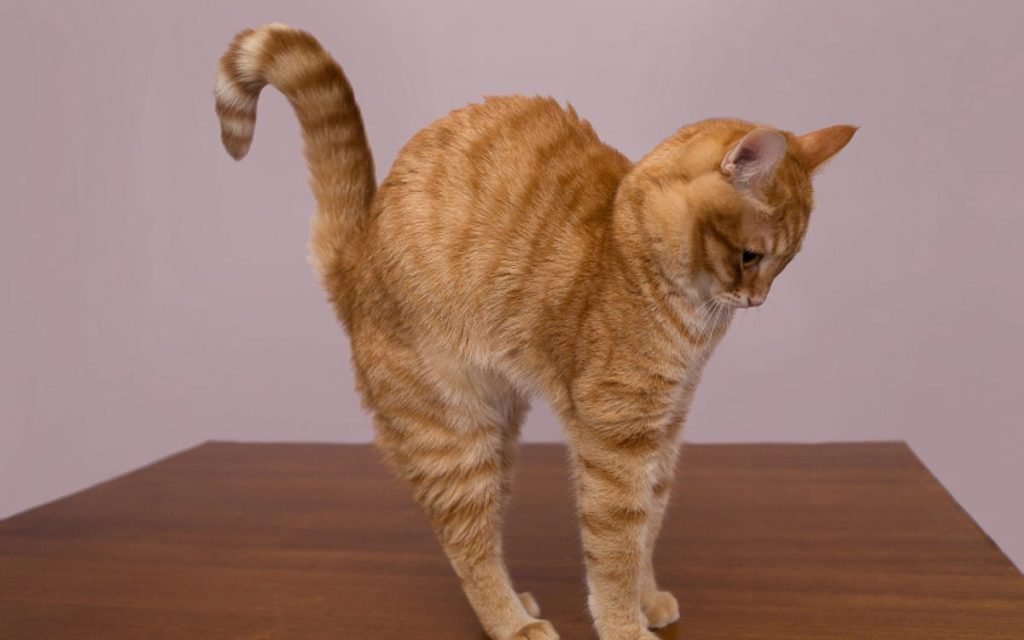
Have you ever noticed your cat suddenly arching its back and wondered why it does that? This simple movement can tell you a lot about how your feline friend is feeling.
Whether your cat is stretching, scared, or trying to look bigger, understanding this behavior helps you connect better with your pet. Keep reading to discover the surprising reasons behind this common yet mysterious action your cat does every day. You’ll soon see your furry companion in a whole new light.
Credit: thediscerningcat.medium.com
Cat Body Language Basics
Cats have a unique way of expressing themselves. Understanding their body language helps in decoding their mood. One common gesture is arching their back. This gesture is part of a broader set of feline body signals. Each movement carries a specific meaning.
Common Cat Postures
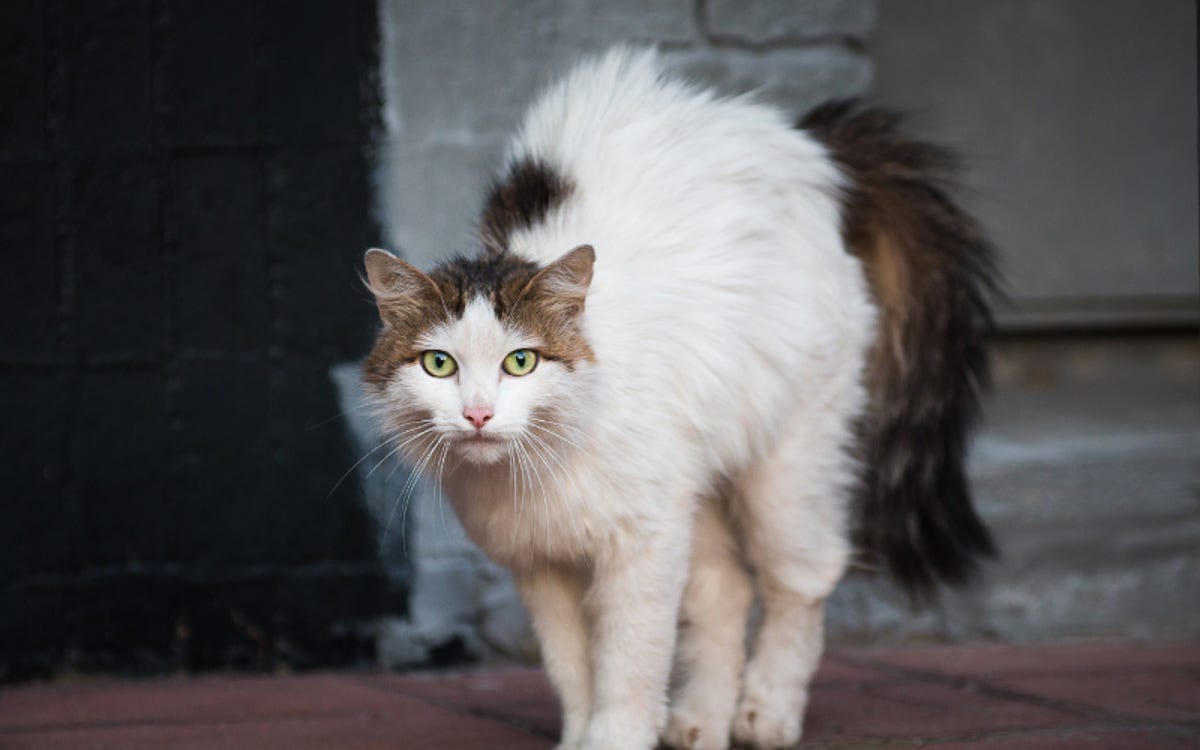
Cats use various postures to communicate. A relaxed cat often lies on its side. Its body looks loose and unworried. If a cat stands tall with an arched back, it might feel threatened. This posture makes it appear larger to potential threats.
Another posture is the crouched position. A crouched cat with a low body is ready to pounce. This position shows focus and readiness. It’s often seen during play or hunting.
Role Of Tail And Ears
The tail plays a crucial role in communication. A high, upright tail signifies happiness. If the tail puffs up, the cat feels scared or threatened. A low, tucked tail might mean fear or submission.
Ears also provide insight into a cat’s feelings. Forward-facing ears indicate curiosity or interest. If the ears flatten against the head, the cat might feel angry or frightened. Observing these signs helps in understanding a cat’s emotions.

Credit: www.pawtracks.com
Reasons For Arching The Back
Cats arch their backs for several reasons, each revealing a different side of their behavior. Understanding why your cat does this helps you connect better with them and respond appropriately. Let’s look at the main reasons behind this curious feline action.
Stretching And Flexibility
One common reason cats arch their backs is to stretch their muscles. After sleeping or resting, arching helps loosen their spine and limbs. You might notice your cat doing this first thing in the morning or after a long nap—it’s their way of waking up their body.
Stretching keeps cats agile and ready to move quickly. Have you ever seen your cat start with a slow arch and then suddenly sprint around the house? That’s the power of a good stretch!
Defense Mechanism
When cats feel threatened, arching their back makes them appear larger and more intimidating. Along with puffing up their fur and hissing, this posture is a clear warning to stay away. It’s a natural defense tactic passed down from their wild ancestors.
If your cat suddenly arches its back and stiffens near another animal or person, it’s a sign they feel unsafe. Understanding this can help you avoid escalating the situation and keep your cat calm.
Playful Behavior
Sometimes, a cat arches its back during playtime. This posture often comes with pouncing and chasing, signaling excitement rather than fear. It’s their way of inviting you or another pet to join in the fun.
Have you noticed your cat doing a playful arch right before a game of chase? It’s their way of saying, “Let’s play!” Recognizing this can help you engage and bond with your furry friend.
Reaction To Fear Or Threat
Arching the back can also be a direct response to sudden fear or surprise. In these moments, cats try to look bigger to discourage potential threats. This reaction happens quickly and is usually paired with wide eyes and a tense body.
If your cat’s arch looks tense and their fur is standing on end, it’s a sign they are scared. Giving them space and speaking softly can help them feel safe again.
Attention Seeking
Sometimes your cat arches its back simply to get your attention. This can happen during petting sessions or when they want to initiate interaction. The arch combined with purring or rubbing against you is a clear request for affection.
Have you felt a gentle arch against your hand while petting your cat? It’s their way of saying, “Keep going, I like this!” Paying attention to these cues strengthens your relationship and makes your cat feel loved.
When Arching Signals Discomfort
Cats often arch their backs as a way to stretch or show playfulness. Yet, this behavior can also signal discomfort or pain. Observing the context and additional signs helps understand if your cat is unwell. Recognizing discomfort early can prevent serious health issues.
Signs Of Pain Or Illness
- Arching the back slowly and stiffly
- Hissing or growling while arching
- Reluctance to move or jump
- Visible sensitivity when touched
- Changes in posture, like curling tightly
These signs often indicate your cat is feeling pain or discomfort. The arching looks tense, not relaxed or playful.
Behavioral Changes To Watch
- Loss of appetite or drinking less water
- Hiding more than usual
- Increased irritability or aggression
- Frequent vocalizations like meowing or yowling
- Decreased grooming or a messy coat
Behavior shifts combined with arching suggest your cat may need a vet check. Early attention improves recovery chances.
How To Respond To An Arched Back
Knowing how to respond to a cat’s arched back helps keep both of you safe. Cats use this posture to show fear, stress, or to stretch. Understanding your cat’s mood helps you act correctly and avoid scares or scratches.
Approaching A Scared Cat
When a cat arches its back out of fear, move slowly and quietly. Avoid direct eye contact. Let the cat see and smell you first. Speak in a soft, calm voice. Offer a hand for sniffing but do not reach quickly. Give the cat space to relax. Never force interaction if the cat stays tense.
Encouraging Healthy Stretching
Cats arch their backs to stretch muscles. Encourage this behavior in safe settings. Provide soft mats or carpeted areas. Play with toys to prompt stretching and movement. Regular stretching keeps cats flexible and healthy. Praise your cat gently after stretching to reinforce calm behavior.
When To Consult A Vet
Notice if your cat arches its back often and seems in pain. Watch for limping, hiding, or changes in eating habits. These signs may mean injury or illness. A vet check helps find problems early. Do not wait if your cat shows discomfort or unusual behavior.
Interesting Facts About Cat Postures
Cats communicate a lot through their body language, and their postures tell stories you might miss if you’re not paying attention. Understanding these postures can improve your bond with your feline friend and help you respond to their needs better. Let’s dive into some interesting facts about how cats use their bodies to express themselves.
Differences Between Domestic And Wild Cats
Domestic cats often arch their backs as a way to appear larger and ward off threats, but wild cats use this posture differently. In the wild, arching the back can signal readiness to pounce or defend territory. It’s a survival tactic shaped by their environment and the challenges they face daily.
Your house cat might arch its back during play or when startled, which is less about survival and more about communication within a safe space. Have you noticed how your cat’s posture changes when interacting with you versus when they spot a stranger outside?
Cultural Interpretations Of Cat Postures
Across cultures, the arched-back cat has taken on many symbolic meanings. In Western cultures, a cat with an arched back often represents fear, caution, or even bad luck, especially around Halloween. Meanwhile, some Asian cultures see the same posture as a sign of alertness and protection.
These interpretations influence how people react to cats and their behaviors. Next time you see a cat arch its back, consider how your cultural background shapes your response—does it make you curious, cautious, or amused?
Credit: www.petassure.com
Frequently Asked Questions
Why Do Cats Arch Their Back Suddenly?
Cats arch their back to appear larger when threatened. It’s a defensive behavior to scare away potential danger. This posture also helps protect their vulnerable belly and shows they are alert and ready to react.
Is Arching Back A Sign Of Cat Happiness?
Sometimes, cats arch their back during stretching or play, which shows contentment. However, it is not always a sign of happiness. Context and other body language cues help determine their true emotion.
How Does Arching Back Help Cats In Defense?
Arching the back makes cats look bigger and more intimidating to predators. It also raises their fur, adding to the illusion of size. This stance helps deter threats and prepares them for quick escape or fight.
Can Arching Back Indicate Cat Pain Or Illness?
Yes, a cat arching its back repeatedly or holding it stiffly can signal pain. It might indicate spinal or abdominal discomfort. If seen alongside other symptoms, consult a vet promptly for diagnosis.
Conclusion
Cats arch their backs for many reasons. It can mean they feel scared or want to look bigger. Sometimes, they stretch their muscles after resting. This behavior also helps cats stay flexible and healthy. Watching your cat’s back arch gives clues about their mood.
Understanding these signs strengthens your bond with your pet. Cats communicate a lot through their body language. Notice these small actions to better care for your furry friend. It’s simple, natural, and part of being a cat owner.
