


Have you ever wondered why cats and dogs seem to dislike each other so much? If you have both pets at home or are thinking about it, this question might be on your mind.
Understanding the real reasons behind their rivalry can help you create a peaceful environment for your furry friends. Keep reading, and you’ll discover surprising facts that will change the way you see your pets’ behavior—and maybe even help them get along better.
Origins Of The Rivalry
The age-old rivalry between cats and dogs has puzzled pet owners for generations. While the animosity between these furry companions may seem inevitable, understanding the origins of their rivalry can shed light on their complex relationship. By exploring their evolutionary background and communication styles, you can gain insight into why these beloved pets often find themselves at odds.
Evolutionary Background
Cats and dogs have evolved from vastly different backgrounds, influencing their instincts and behaviors. Cats are solitary hunters, descended from wildcats that relied on stealth and independence. This has made them more territorial and self-reliant.
In contrast, dogs are pack animals, with ancestors like wolves that thrived on teamwork and social bonds. This pack mentality means dogs are naturally more social and eager to please. These evolutionary differences can lead to misunderstandings when they cohabit, as their instincts drive them in opposite directions.
Different Communication Styles
The way cats and dogs communicate adds another layer to their rivalry. Cats use subtle cues—like flicking their tails or gently purring—to convey their feelings. Their body language is often understated, which can be easily misinterpreted by dogs.
Dogs, on the other hand, are more expressive and straightforward. They bark, wag their tails, and use exaggerated gestures to express themselves. This can overwhelm cats, who may perceive such enthusiasm as a threat.
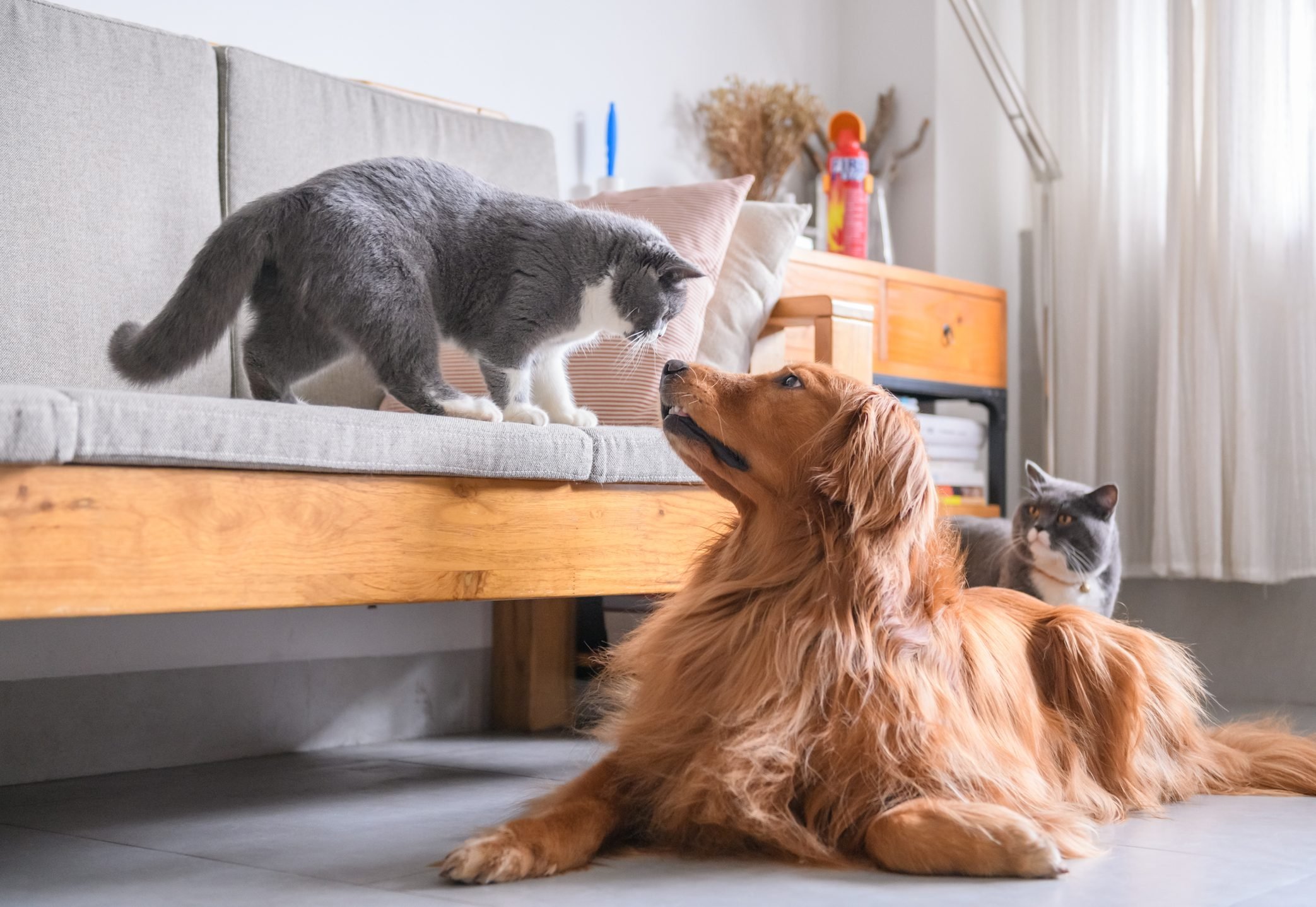
Consider a time when your dog eagerly approached a seemingly calm cat. The cat’s twitching tail might have signaled irritation, but the dog saw a potential playmate. These misunderstandings can easily escalate, highlighting the importance of teaching both pets to read each other’s signals.
Have you ever noticed how your cat and dog react differently to the same situation? Their unique communication styles and evolutionary backgrounds play a significant role in shaping their interactions. By understanding these factors, you can foster a more harmonious environment for both pets in your home.
Credit: www.rd.com
Behavioral Differences
Cats and dogs often clash due to their natural behaviors. Their instincts and communication styles differ widely. These differences cause misunderstandings and tension between them. Understanding these behaviors helps explain why cats and dogs sometimes dislike each other.
Territorial Instincts
Cats are very territorial animals. They mark and protect their space carefully. A new dog entering their territory feels like a threat. Dogs also claim territory but in a different way. They tend to be more social and less strict. This clash of territorial habits can cause fights and fear.
Body Language Conflicts
Cats and dogs use body language to communicate. Their signals often mean different things. A wagging tail in dogs shows friendliness. In cats, a wagging tail can mean anger or irritation. Dogs may jump or stare to show excitement. Cats see this as aggressive or scary. These mixed signals lead to confusion and stress.
Common Misunderstandings
Many people think cats and dogs naturally dislike each other. This is often not true. Their conflicts usually arise from simple misunderstandings. These animals have different ways of communicating and reacting. Misreading their signals or feeling stressed can cause tension. Understanding these common misunderstandings helps improve their relationship.
Misreading Signals
Cats and dogs use body language to communicate. Dogs wag their tails to show happiness. Cats may flick their tails to show irritation. Dogs often jump to greet, but cats see this as a threat. A dog’s bark can scare a cat, while a cat’s hiss can confuse a dog. These mixed signals make both animals uneasy. They respond with fear or aggression instead of friendship.
Stress And Anxiety Triggers
New environments or loud noises increase stress in cats and dogs. Stress makes them less tolerant of each other. Dogs may chase cats out of fear, not anger. Cats may hide or swipe to protect themselves. Changes in routine, visitors, or other pets add to anxiety. This stress can cause misunderstandings and fights.

Credit: www.nytimes.com
Role Of Socialization
Socialization plays a crucial role in shaping how cats and dogs interact with each other. It’s not just about their natural instincts but also the experiences they have early in life. Proper socialization can reduce fear, aggression, and misunderstandings between these two species.
Early Exposure Effects
Introducing cats and dogs to each other at a young age can make a big difference. Animals exposed to different species early tend to be more comfortable and less aggressive. A kitten raised around dogs often learns to read their body language better, which lowers the chance of conflict.
Think about your own pets: did they grow up around other animals? If not, their hesitation or hostility might stem from unfamiliarity. Early positive encounters build trust and teach your pets that the other species isn’t a threat.
Training Techniques
Training plays a vital role in helping cats and dogs coexist peacefully. Reward-based training encourages good behavior, while calmly redirecting negative actions prevents escalation. Teaching your dog commands like “leave it” or “stay” gives you control over tense situations.
For cats, providing safe spaces and encouraging gentle interactions helps build confidence. Introducing them slowly and under supervision lets you monitor their reactions and adjust your approach. Have you tried using treats or toys to create positive associations between your pets?
Environmental Influences
Environmental influences play a huge role in how cats and dogs interact. Their surroundings shape their behavior more than you might think. By understanding these influences, you can create a more peaceful space for both pets.
Shared Spaces Challenges
When cats and dogs share the same area, conflicts often arise. Each species has different needs and ways of claiming territory. Dogs usually roam and mark spaces, while cats prefer high perches and quiet corners.
Imagine your dog chasing a cat just because it feels the cat is invading its play zone. This can happen even if the cat hasn’t done anything wrong. Your pets might get stressed simply because they don’t have enough separate spaces to feel safe.
- Lack of personal space increases tension.
- Overlapping feeding areas can cause competition.
- Noise and sudden movements trigger defensive behavior.
Have you noticed your cat hiding more when your dog is around? That’s a clear sign they need their own safe zone. Providing separate beds, feeding stations, and quiet spots can reduce this tension dramatically.
Owner’s Impact
Your actions and routines can either ease or escalate the cat-dog rivalry. Pets pick up on your body language and energy. If you seem stressed or anxious about their interactions, they’ll mirror that feeling.
Sometimes, owners unintentionally encourage bad behavior by laughing or reacting when pets chase or bark at each other. This can teach your dog that chasing the cat is fun or rewarding. Instead, rewarding calm behavior helps both pets learn to coexist peacefully.
- Set consistent rules for both pets.
- Use positive reinforcement to encourage friendly interactions.
- Spend quality time with each pet separately to reduce jealousy.
Think about how your tone and actions influence your pets. Could changing your responses help them get along better? Your role is vital in shaping a calm and respectful environment for both cats and dogs.
Breaking The Cycle
Breaking the cycle of animosity between cats and dogs takes more than just hope—it requires action and understanding. The tension you see often stems from fear, misunderstanding, or past experiences. But with the right approach, you can help your pets see each other as friends instead of foes.
Building Positive Associations
Start by creating moments where your cat and dog associate each other with good things. This could mean giving treats or praise when they are calm around one another. Even short, peaceful encounters can build trust over time.
Try feeding them in the same room but at a comfortable distance. This simple act links the presence of the other pet with something enjoyable like food. Over time, they’ll begin to expect positive experiences instead of threats.
Patience And Consistency
Changing behavior doesn’t happen overnight. You might feel frustrated if your cat hisses or your dog barks, but consistency is key. Keep sessions short, calm, and regular to avoid overwhelming your pets.
Ask yourself: Are you giving your pets enough time to adjust? Your steady presence and predictable actions help them feel secure. Remember, each small step forward is progress.
:quality(75))
Credit: manypets.com
Frequently Asked Questions
Why Do Cats And Dogs Naturally Dislike Each Other?
Cats and dogs have different communication styles and body language. This often causes misunderstandings and fear, leading to dislike.
Can Cats And Dogs Ever Become Friends?
Yes, with proper introduction and patience, cats and dogs can build trust and coexist peacefully.
What Behaviors Cause Conflicts Between Cats And Dogs?
Chasing, territorial instincts, and loud noises often trigger conflicts between cats and dogs.
How Can I Reduce Tension Between My Cat And Dog?
Provide separate spaces, supervise interactions, and reward calm behavior to reduce tension between pets.
Conclusion
Cats and dogs often seem to dislike each other. Their different ways and instincts cause confusion. Cats feel threatened by dogs’ energy and noise. Dogs see cats as fast and strange. This natural tension can lead to misunderstandings. Still, many cats and dogs learn to live together.
Patience and care help them accept each other. Understanding their nature makes sharing a home easier. Peace between pets is possible with time and love. So, their dislike is not always true hate. Just different ways of seeing the world.
