

Have you ever noticed how a simple cat scratch can turn into an annoying itch that just won’t go away? If you’ve ever found yourself constantly scratching or feeling uncomfortable after a playful swipe from your feline friend, you’re not alone.
Understanding why cat scratches itch can help you take better care of your skin and avoid infections. You’ll discover the surprising reasons behind that itchy sensation and learn how to treat and prevent it effectively. Keep reading—your skin will thank you!
Why Cat Scratches Itch
Cat scratches can be surprisingly itchy. Many people experience this discomfort. Understanding why they itch can help manage it better. The itchiness stems from several factors. Let’s explore these reasons further.
Skin Irritation From Scratches
Cats have sharp claws. Their scratches can break the skin. This damage irritates the skin surface. As the skin heals, it can feel itchy. This is a natural healing response.
Allergic Reactions
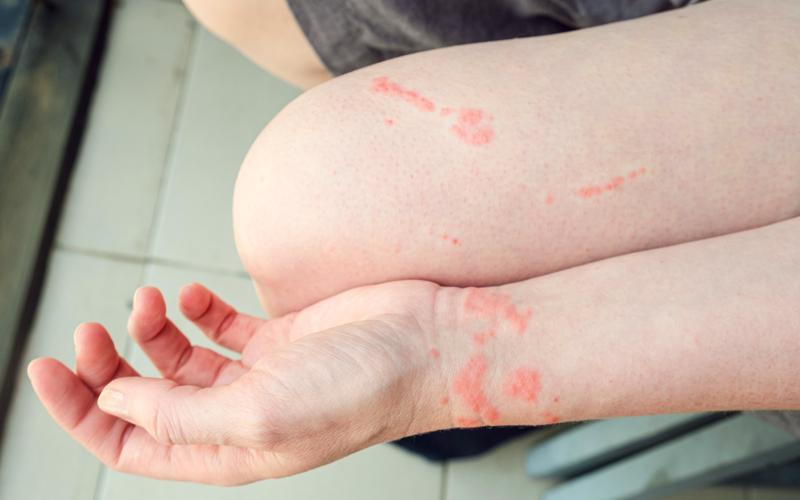
Some people are allergic to cats. Their skin reacts to cat scratches. This reaction causes redness and itching. It may even lead to swelling. Allergies can make scratches itch more.
Bacterial Infections
Scratches can introduce bacteria into the skin. This can lead to infections. Infected scratches often itch intensely. Prompt cleaning reduces this risk. Avoid scratching to prevent further irritation.
Feline Saliva And Allergens
Cats often lick their paws. Their saliva contains proteins. These proteins can cause allergic reactions. When cats scratch, saliva transfers to the skin. This can trigger itching and irritation.
Credit: health.clevelandclinic.org
Common Symptoms To Watch
When a cat scratches you, the immediate reaction is often an annoying itch. But what exactly causes this sensation? Understanding the common symptoms to watch can help you decide when to treat the scratch at home and when to seek medical advice.
Redness And Swelling
Redness around the scratch is a clear sign your skin is irritated. Swelling often accompanies this, showing your body’s natural response to injury. If the area becomes noticeably puffy or the redness spreads, it’s a signal to pay closer attention.
Persistent Itching
Itching that lingers beyond the first few hours can indicate more than just a simple scratch. You might feel a constant urge to scratch, which can make the wound worse. Ask yourself—does the itch fade or does it keep coming back?
Pain And Discomfort
Some pain is normal immediately after a cat scratch, but sharp or increasing discomfort is a warning sign. If touching the area causes pain or it feels tender for days, your body might be fighting off something more serious. Don’t ignore ongoing pain—it’s your body’s way of asking for help.
Signs Of Infection
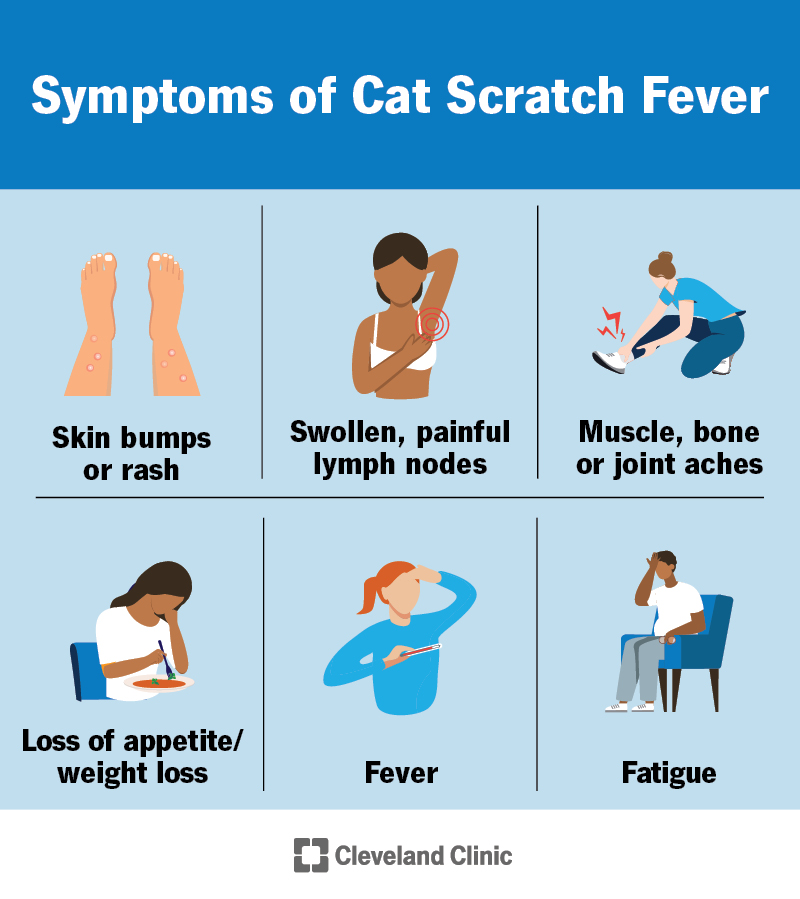
Infections can develop quickly from cat scratches. Watch for symptoms like pus, warmth, or streaks of red moving away from the scratch. Fever or swollen lymph nodes near the scratch are also red flags that need prompt medical attention.
Immediate Relief Tips
Dealing with the itch from a cat scratch can be frustrating. Immediate relief is crucial to prevent further irritation or infection. Here are practical tips you can apply right away to soothe your skin and speed up healing.
Cleaning The Scratch Properly
Start by washing the scratch gently with warm water and mild soap. This helps remove dirt and bacteria that could cause infection. Avoid harsh scrubbing; instead, pat the area dry with a clean towel.
Have you ever skipped cleaning a scratch only to notice redness or swelling later? That’s your skin’s way of telling you it needs proper care.
Applying Cold Compress
Use a cold compress or an ice pack wrapped in a cloth and apply it to the scratch for 10–15 minutes. This reduces swelling and numbs the itch temporarily. Repeat this several times a day if the itching persists.
A cold compress can be more effective than itching—have you tried it next time your skin feels irritated?
Using Over-the-counter Creams
Anti-itch creams containing hydrocortisone or calamine lotion can provide quick relief. Apply a thin layer to the affected area as directed on the packaging. These creams help reduce inflammation and calm the itch.
Make sure to check the ingredients to avoid allergic reactions, especially if you have sensitive skin.
Avoiding Scratching
Resisting the urge to scratch is tough but essential. Scratching can break the skin further and introduce bacteria, leading to infection. Keep your nails trimmed and consider covering the scratch with a bandage if it’s in a spot you tend to scratch unconsciously.
Can you remember a time when scratching made a wound worse? Holding back might be the hardest but smartest thing you do for your skin.
Credit: pethelpful.com
When To See A Doctor
Cat scratches usually cause mild itching and discomfort that goes away with basic care. But sometimes, the itch signals a deeper issue needing medical attention. Knowing when to see a doctor can prevent complications and ensure proper healing.
Signs Of Severe Infection
If your scratch becomes red, swollen, or increasingly painful, these could be signs of a severe infection. Watch for pus or fluid draining from the wound, which often means bacteria have taken hold. Ignoring these symptoms might lead to more serious problems like abscesses or cellulitis.
Allergic Reaction Symptoms
Some people develop allergic reactions to cat scratches, causing intense itching, swelling, or hives around the wound. If you notice your skin breaking out beyond the scratch or you start feeling difficulty breathing, seek medical help immediately. Allergic responses can escalate quickly and require prompt treatment.
Delayed Healing
If your scratch doesn’t start to heal after a few days or the itch persists and worsens, it’s time to get a professional opinion. Delayed healing might indicate underlying infections or immune system issues. Your doctor can recommend treatments to speed recovery and prevent scarring.
Fever And Other Complications
Feeling feverish or noticing swollen lymph nodes near the scratch suggests your body is fighting an infection. These symptoms mean the infection could be spreading, which demands urgent medical care. Don’t hesitate to see a doctor if you experience these signs; early intervention can make a big difference.
Preventing Itchy Scratches
Preventing itchy scratches from your cat is easier than you might think. Small adjustments in how you care for your cat and treat scratches can make a big difference. Let’s look at practical ways to keep those itches away and your skin feeling good.
Trimming Cat’s Nails
Keeping your cat’s nails trimmed reduces the depth and severity of scratches. Shorter nails cause less damage, which means fewer chances of irritation and itching. Try trimming nails every couple of weeks, and use a proper pet nail clipper to avoid hurting your cat.
If you’re nervous about clipping nails, ask your vet or a groomer to show you the safest technique. You might be surprised how calm your cat stays with gentle handling and treats afterward.
Keeping Cats Healthy
A healthy cat is less likely to carry bacteria that cause itchy reactions. Make sure your cat is up to date on vaccinations and regular vet check-ups. Parasites like fleas can worsen scratching injuries, so keep flea control products current.
Ever noticed how a playful kitten’s scratches feel different from an older cat’s? That’s often because younger cats tend to have fewer bacteria on their paws. Keeping your cat’s environment clean also helps reduce infection risks.
Using Protective Clothing
Wearing long sleeves or lightweight gloves can protect your skin during playtime. Special cat-resistant gloves are available if your cat tends to scratch a lot. These barriers reduce skin contact and prevent tiny scratches that could turn itchy later.
Have you tried wrapping your arm in a soft cloth when your cat gets too playful? It can be a simple, effective way to protect yourself without stopping the fun.
Regular Wound Care
Cleaning scratches immediately stops bacteria from settling in and causing itchiness. Use mild soap and water to clean the area, then apply an antiseptic cream. Cover the scratch with a bandage if needed to keep it clean and avoid further irritation.
Pay attention to any signs of infection like redness or swelling. If a scratch doesn’t heal or starts to itch more, it’s best to see a healthcare professional. How often do you check your scratches after playing with your cat?
Credit: my.clevelandclinic.org
Frequently Asked Questions
Why Do Cat Scratches Cause Itching?
Cat scratches introduce bacteria and allergens into the skin. This triggers an immune response causing redness, swelling, and itching. The itchiness is the body’s way of signaling irritation and potential infection at the scratch site.
Can Cat Scratches Lead To Infections?
Yes, cat scratches can cause infections like cat scratch disease. Bacteria from a cat’s claws enter the skin, leading to redness, swelling, and sometimes fever. Prompt cleaning and monitoring help prevent infections.
How To Relieve Itching From Cat Scratches?
Clean the scratch with soap and water immediately. Apply an antibiotic ointment and use an anti-itch cream if needed. Avoid scratching to prevent further irritation and infection.
When Should I See A Doctor For Cat Scratches?
Seek medical help if the scratch becomes very red, swollen, or painful. Also, if you develop fever or swollen lymph nodes, consult a doctor promptly. These signs may indicate infection.
Conclusion
Cat scratches itch because of tiny skin damage and mild irritation. Your body reacts to the scratch by releasing chemicals that cause itching. Sometimes, bacteria from the cat’s claws make the itch worse. Cleaning the scratch gently helps reduce itching and prevent infection.
Avoid scratching the area to stop it from getting worse. Knowing why cat scratches itch helps you care for your skin better. Stay calm and treat scratches quickly to feel comfortable again. Simple care keeps your skin healthy after a cat scratch.
