

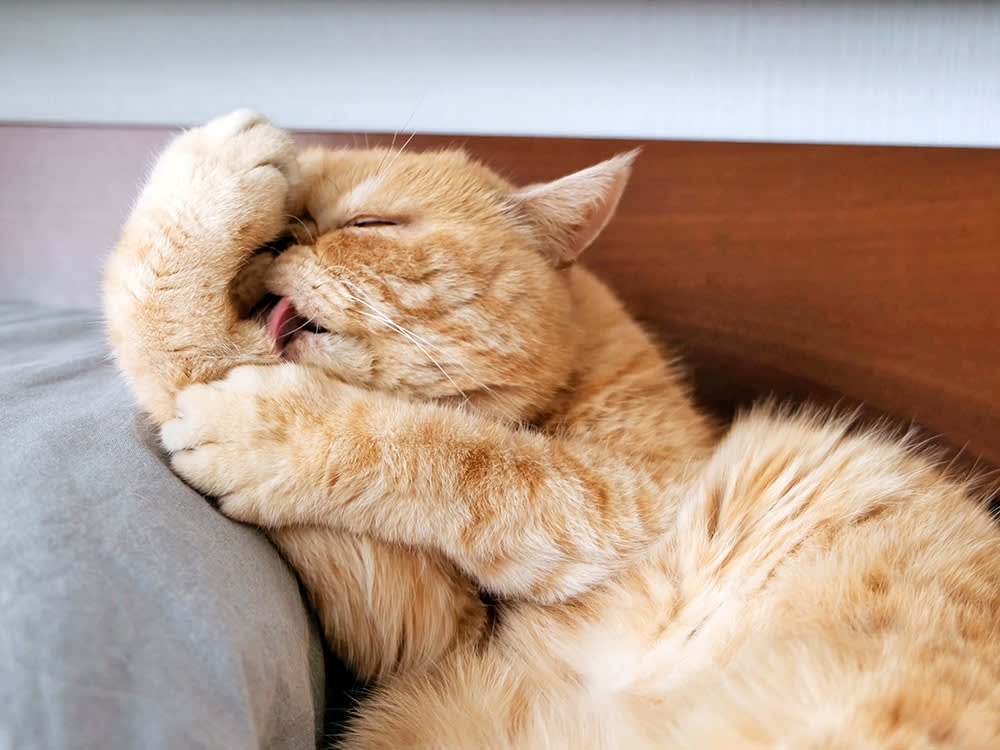
Have you ever watched your cat spend hours licking its fur and wondered why they do it so often? You might think it’s just about staying clean, but there’s much more behind this fascinating behavior.
Understanding why cats groom themselves can help you better care for your furry friend and even spot when something isn’t quite right. Keep reading to discover the surprising reasons your cat spends so much time grooming—and how it affects their health and happiness.
Credit: hellopetsinc.com
Purpose Of Grooming
Grooming is more than just a routine for cats; it serves several important purposes that keep them healthy and comfortable. When you watch your cat meticulously cleaning itself, you’re seeing a combination of instinct and necessity at work. Understanding why cats groom themselves can help you appreciate their behavior and even improve how you care for your furry friend.
Maintaining Cleanliness
Cats use grooming to remove dirt, loose fur, and parasites like fleas from their bodies. This helps prevent infections and keeps their coat shiny and healthy. Have you noticed how your cat’s fur looks smoother after a good grooming session? That’s because cleaning removes debris and spreads natural oils across their coat.
Regular grooming also reduces shedding around your home. It’s like your cat’s way of tidying up after itself, which benefits both of you. Next time you see your cat licking its paws and face, remember it’s busy maintaining its personal hygiene.
Regulating Body Temperature
Grooming plays a key role in helping cats control their body temperature. When cats lick their fur, the saliva evaporates, which cools them down much like sweat does for humans. This natural cooling system is especially useful during hot days or after physical activity.
On colder days, grooming helps fluff up the fur, trapping warm air close to the skin. Have you ever noticed your cat grooming more frequently when the weather changes? This is their way of adjusting to maintain comfort.
Stimulating Blood Flow
Grooming isn’t just about the outside; it benefits the inside too. The act of licking and nibbling stimulates blood circulation under the skin. Better blood flow means healthier skin and promotes faster healing if your cat has minor cuts or irritations.
This increased circulation also aids in distributing essential nutrients to hair follicles. So, regular grooming supports both your cat’s skin and coat health. Next time you see your cat cleaning itself, remember it’s giving its body a gentle health boost.
Behavioral Reasons
Cats groom themselves for many behavioral reasons that go beyond just keeping clean. Understanding these behaviors helps you see your feline’s grooming as more than a routine activity. It reveals how grooming plays a role in their emotional and social world.
Stress Relief And Comfort
Grooming is a powerful tool cats use to calm themselves. When your cat licks its fur, it releases endorphins, which can reduce feelings of stress. You might notice your cat grooming more after a loud noise or a visit to the vet—this is their way of finding comfort.
Have you seen your cat suddenly start licking fur when a new person enters the room? That’s a clear sign they’re managing anxiety. Next time your pet grooms excessively, consider if something in their environment is causing them discomfort.
Social Bonding Among Cats
Cats don’t only groom themselves; they also groom each other. This behavior, called allogrooming, strengthens social bonds within a group. When cats groom one another, they build trust and show affection.
If you’ve ever seen two cats licking each other’s heads or necks, you witnessed a moment of connection. This social grooming reduces tension and keeps their relationships healthy. Watching your cat groom you might be their way of including you in their social circle.
Territory Marking Through Scent
Grooming helps cats spread their unique scent all over their bodies. This scent acts like a personal signature, marking their territory. When your cat grooms, it’s not just about cleanliness—it’s about making their environment feel familiar and safe.
Think about how your cat rubs its face on furniture or your legs after grooming. They’re mixing their scent with yours to claim shared territory. Understanding this can help you respect their space and feel closer to your furry friend.
Health Benefits
Cats groom themselves for many health reasons. Grooming keeps their fur clean and their skin healthy. It helps protect them from parasites and infections. Grooming also supports faster healing of minor wounds. These health benefits show why grooming is vital for every cat.
Removing Parasites
Grooming helps cats remove fleas, ticks, and other parasites. Their tongues catch and pull out tiny pests hiding in fur. This reduces irritation and prevents diseases spread by parasites. Regular grooming lowers the chance of parasite infestations.
Preventing Skin Infections
Cats clean dirt and dead skin from their bodies through grooming. This stops bacteria from growing on the skin. Clean skin means fewer infections and less itchiness. Grooming keeps the skin dry and healthy, reducing infection risks.
Promoting Healing
Grooming stimulates blood flow to the skin. Better circulation helps wounds and scratches heal faster. Cats lick minor cuts to keep them clean and free of germs. Grooming also removes loose fur around injured areas, aiding recovery.
Credit: pethelpful.com
Grooming Techniques
Cats use several grooming techniques to keep clean and healthy. These actions help remove dirt, loose fur, and parasites. Grooming also cools them down and reduces stress. Understanding these techniques reveals why cats spend so much time grooming themselves.
Licking And Saliva Use
Cats lick their fur with a rough tongue. The tongue has tiny, hook-like structures that help remove dirt and loose hair. Saliva moistens the fur and cleans away debris. It also helps cool the cat’s body by evaporation. Licking spreads natural oils that keep the fur soft and shiny.
Paw Cleaning Method
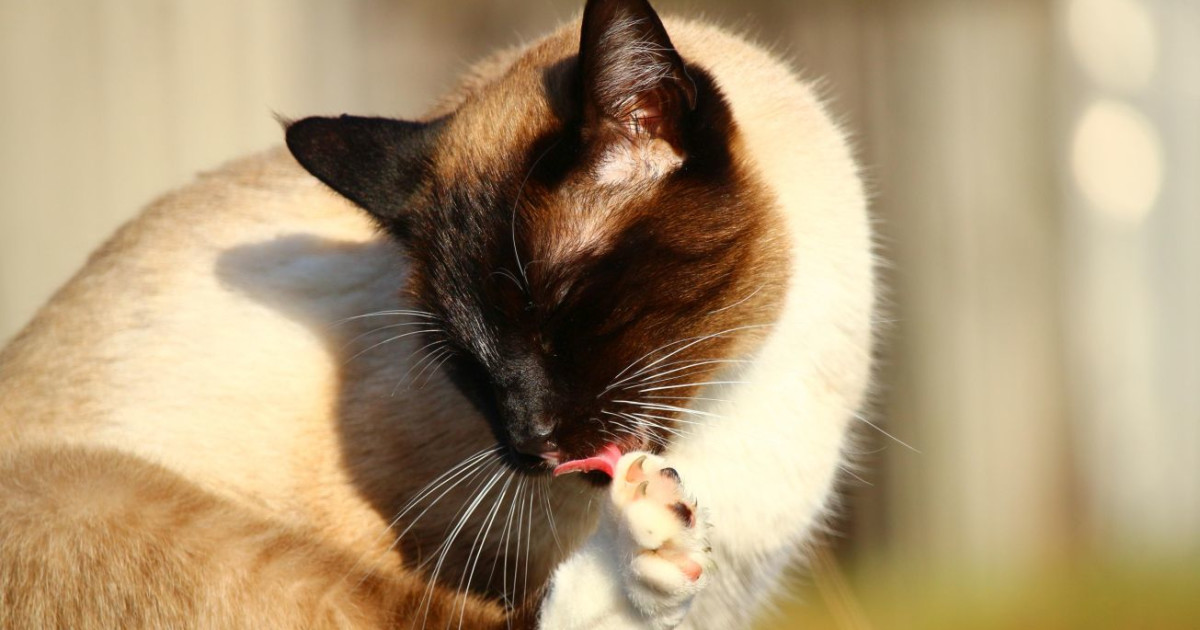
Cats use their paws like tiny washcloths. They lick one paw to wet it and then rub it over their face and head. This method cleans hard-to-reach areas. The paw acts as a tool to wipe away dirt and spread saliva evenly. This step is important for grooming sensitive areas.
Fur Arrangement And Maintenance
Cats carefully arrange their fur to avoid mats and tangles. They smooth the fur in the direction it grows. This keeps their coat neat and comfortable. Grooming also helps regulate body temperature by adjusting fur density. Well-maintained fur protects cats from weather and insects.
Variations In Grooming Habits
Cats are known for their meticulous grooming, but not all cats clean themselves in the same way or with the same frequency. Understanding the variations in grooming habits can give you better insight into your cat’s health and behavior. Let’s look at what influences these differences and how they might affect your furry friend.
Age And Grooming Frequency
Young cats usually groom themselves more often and with greater energy. Their sleek coats need regular attention to stay clean and shiny. However, as cats grow older, their grooming habits can slow down due to arthritis or dental problems.
If you notice your senior cat grooming less, it might be a sign to check their health. Sometimes, they need extra help with cleaning, so regular brushing by you can make a big difference. Have you observed changes in your cat’s grooming as they age?
Breed Differences
Different breeds have unique grooming needs. Long-haired breeds like Persians require more frequent grooming to prevent mats and tangles. Short-haired cats, on the other hand, often spend less time grooming but still maintain a neat coat.
Some breeds, such as the Sphynx, have almost no fur and rely on regular baths to keep their skin healthy. Knowing your cat’s breed-specific grooming habits helps you provide the right care. Have you tailored your grooming routine based on your cat’s breed?
Impact Of Environment
The environment your cat lives in also plays a big role. Indoor cats generally stay cleaner since they are less exposed to dirt and debris. Outdoor cats might groom more frequently after exploring or encountering dust, insects, or plants.
Humidity and temperature can affect how often your cat feels the need to groom. In dry climates, cats may lick more to keep their fur moisturized. Consider your cat’s environment when watching their grooming habits—are they adapting well to where they live?
When Grooming Becomes Excessive
Cats groom themselves to stay clean and healthy. Grooming also helps them relax and feel safe. But grooming can turn into a problem if it happens too much.
Excessive grooming can hurt your cat’s skin and fur. It may cause bald spots or sores. Knowing the signs helps you protect your cat’s health early.
Signs Of Over-grooming
- Hair loss in patches
- Red or irritated skin
- Sores or scabs on the body
- Constant licking or biting
- Restlessness or anxiety
- Changes in behavior or mood
Possible Underlying Causes
- Allergies to food or environment
- Skin infections or parasites
- Stress or anxiety
- Pain or discomfort in certain areas
- Hormonal imbalances
- Neurological problems
When To Seek Veterinary Help
Visit a vet if grooming causes wounds or bald spots. A vet can find the root cause and offer treatment.
Early care prevents infections and long-term skin damage. Persistent licking or behavior changes need professional attention.
)
Credit: www.northroadvet.com.au
Frequently Asked Questions
Why Do Cats Groom Themselves Regularly?
Cats groom themselves to stay clean and remove dirt. Grooming also helps regulate body temperature and reduce stress. It keeps their fur smooth and free from parasites. This natural behavior supports overall health and comfort.
How Does Grooming Benefit A Cat’s Health?
Grooming removes loose fur, dirt, and harmful parasites. It stimulates blood flow and promotes healthy skin. Regular grooming prevents matting and skin infections. This self-care habit helps cats maintain their hygiene and wellbeing.
Can Grooming Reduce Stress In Cats?
Yes, grooming is a calming activity for cats. It releases endorphins that reduce anxiety and stress. Grooming helps cats relax and feel secure. It also strengthens bonds when cats groom each other or their owners.
Do Cats Groom To Communicate With Others?
Cats use grooming to signal trust and affection. Mutual grooming builds social bonds within cat groups. It shows they feel safe and connected. Grooming acts as a non-verbal way to communicate comfort and friendship.
Conclusion
Cats groom themselves to stay clean and healthy. Grooming helps remove dirt and loose fur. It also cools them down on hot days. Grooming reduces stress and keeps their skin soft. This natural habit protects cats from illness. Watching cats groom shows their care for themselves.
Understanding this helps us appreciate their behavior more. Cats’ grooming is simple but very important. It keeps them happy and comfortable every day.
