

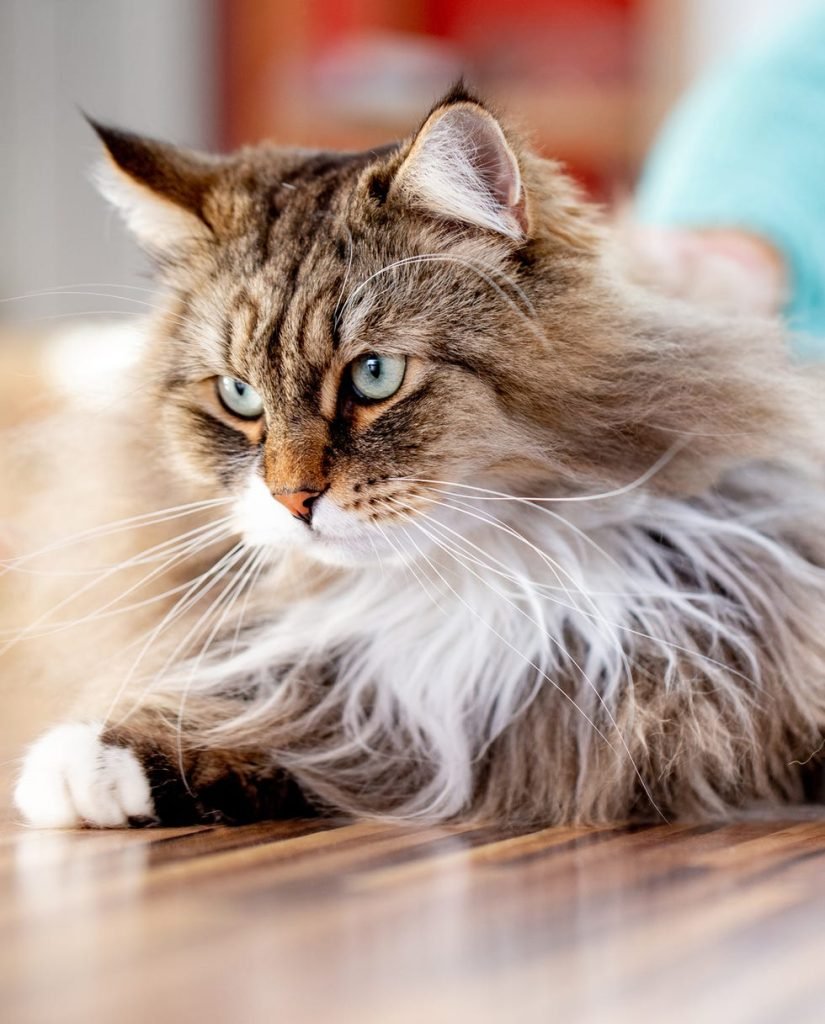
Are you dreaming of having a furry friend but worried about allergies? You’re not alone.
Many people love cats but hesitate because of sneezing, itching, and watery eyes. What if you could find a cat breed that’s easier on your allergies? Choosing the right hypoallergenic cat can make all the difference for your comfort and happiness.
Keep reading to discover which cat breeds might be the perfect match for you and your home. Your ideal, allergy-friendly companion could be just a few paragraphs away.

Credit: www.thepioneerwoman.com
Hypoallergenic Cats Explained
Understanding hypoallergenic cats can help you decide if you can enjoy the company of a feline friend without constant sneezing or itchy eyes. These cats produce fewer allergens, making them a better choice for people with allergies. But what exactly makes a cat hypoallergenic, and how do common allergens affect you?
What Makes A Cat Hypoallergenic
Hypoallergenic cats usually produce fewer allergenic proteins, especially Fel d 1, which is the main culprit behind cat allergies. Some breeds naturally produce less of these proteins, or their fur traps allergens better, reducing the spread around your home.
For example, breeds like the Siberian and Balinese are known for lower Fel d 1 levels. This means fewer allergens in the environment, which can significantly reduce allergic reactions.
Does this mean hypoallergenic cats are completely allergy-proof? Not necessarily. You might still react, but symptoms tend to be milder and more manageable.
Common Allergens In Cats
Most allergic reactions come from proteins found in cat saliva, skin flakes (dander), and urine. When cats groom themselves, saliva dries and flakes off, spreading allergens into the air and onto surfaces.
- Fel d 1:The primary allergen, mostly from saliva and skin glands.
- Fel d 4:Found in cat saliva, also triggers allergies but less common.
- Dander:Tiny skin flakes that carry allergens and float in the air.
Knowing where allergens come from can help you take action. Regular grooming and cleaning reduce allergen buildup, making living with cats easier on your allergies.

Credit: shamelesspets.com
Top Hypoallergenic Cat Breeds
If you have allergies but still want the joy of having a feline friend, choosing a hypoallergenic cat breed can make all the difference. These breeds tend to produce fewer allergens, which means less sneezing, itching, and watery eyes for you. But what makes a cat hypoallergenic, and which breeds are the best fit for sensitive owners?
Below are some of the top hypoallergenic cat breeds, each with unique traits that might match your lifestyle and allergy concerns.
Siberian Cat
The Siberian cat is often praised for its low allergen levels. Despite its thick, fluffy coat, this breed produces less of the Fel d 1 protein that triggers allergies. Many allergy sufferers report fewer symptoms when around Siberians, making them a surprising but excellent choice.
Balinese Cat
Known as the “long-haired Siamese,” the Balinese cat has a fine coat that doesn’t shed much. This breed also produces less allergenic protein, which can reduce allergic reactions. If you want a talkative, social cat with lower allergy risks, the Balinese might be perfect for you.
Bengal Cat
Bengal cats have a unique, short coat that sheds minimally. Their fur feels more like a pelt and traps fewer allergens, which helps people with sensitivities. Bengals are active and playful, so they fit well with energetic owners looking for a hypoallergenic option.
Russian Blue
The Russian Blue is famous for its dense, plush blue-gray coat and calm demeanor. This breed produces less Fel d 1 protein, which often results in fewer allergy symptoms. If you want a quiet, affectionate companion with lower allergen levels, the Russian Blue is worth considering.
Sphynx Cat
The Sphynx cat stands out because it has almost no hair at all. Without fur to trap allergens, these cats often cause fewer allergic reactions. Keep in mind, though, that their skin requires regular care to avoid oil buildup and skin issues.
Devon Rex
With its short, curly coat, the Devon Rex sheds less and spreads fewer allergens around your home. Their affectionate and playful nature makes them great companions. You might find that the Devon Rex combines hypoallergenic benefits with a loving personality.
Cornish Rex
The Cornish Rex has an extremely soft, wavy coat that sheds very little. This breed’s unique fur minimizes allergens and keeps your space cleaner. If you want a lively, curious cat that’s easier on your allergies, the Cornish Rex fits the bill.
Traits Of Hypoallergenic Cats
Understanding the traits of hypoallergenic cats can help you find a feline friend that fits your lifestyle and allergy needs. These traits go beyond just appearance; they influence how much allergens a cat produces and how those allergens spread around your home. Knowing what to look for can make your search easier and more successful.
Coat Types And Shedding
Hypoallergenic cats often have coats that shed less or differently than typical cats. Some breeds have hair that grows continuously and falls out less often, reducing the amount of dander released into your environment.
- Short, fine coats:These trap fewer allergens and shed less, like in the Siamese breed.
- Curly or wavy coats:Found in breeds like the Devon Rex or Cornish Rex, these coats hold onto loose hair and dander better, reducing airborne allergens.
- Hairless cats:Such as the Sphynx, have minimal to no fur, which can reduce shedding but still require regular skin care to manage oils and allergens.
Do you notice how less shedding can mean less cleanup? This can be a real game-changer if allergies have kept you from adopting a cat before.
Allergen Levels
Allergens primarily come from a protein called Fel d 1, found in cat saliva, skin, and urine. Some breeds naturally produce lower levels of this protein, making them easier to live with for allergy sufferers.
- Breeds like the Balinese and Russian Blue are known to produce less Fel d 1.
- Even within the same breed, individual cats can vary in allergen production.
Have you ever wondered why some cats make your eyes itch while others don’t? It might be due to these differences in allergen levels.
Behavior And Grooming Habits
A cat’s behavior affects how allergens spread. Cats that groom themselves less often may spread fewer allergens around your home.
- Cats that shed less often or groom meticulously may reduce the amount of loose dander.
- Regular brushing by owners can also help control allergens by removing loose hair before it falls.
I had a friend who started brushing her hypoallergenic cat daily. It cut down on sneezing and dust bunnies significantly. Could a simple grooming routine be your secret weapon against allergies?
Living With Hypoallergenic Cats
Living with hypoallergenic cats can be a rewarding experience, especially if allergies have held you back from enjoying feline companionship. These breeds produce fewer allergens, making it easier for sensitive individuals to coexist with cats. However, managing your environment and care routine plays a big role in keeping allergies at bay and your cat happy.
Managing Allergies At Home
Even hypoallergenic cats produce some allergens, so it’s important to manage your home environment carefully. Keep your cat out of bedrooms and limit access to soft furnishings where allergens tend to accumulate.
Consider using air purifiers with HEPA filters to reduce airborne allergens. Washing your hands after petting your cat helps too, preventing allergens from spreading to your face or eyes.
Cleaning Tips To Reduce Allergens
Regular cleaning reduces allergen buildup significantly. Vacuum carpets and furniture frequently using a vacuum with a HEPA filter to trap fine particles.
Wash your cat’s bedding and toys weekly in hot water. Wiping down hard surfaces and floors with a damp cloth keeps dust and dander from floating around.
Health And Care Considerations
Hypoallergenic cats still need routine care like any other breed. Brushing your cat regularly reduces loose fur and dander, but using a damp cloth or grooming gloves can minimize allergens spread.
Pay attention to your cat’s health and consult your vet for advice on diet and skin care, which can influence allergen production. Are you ready to adjust your daily habits to create a comfortable home for both you and your cat?
Choosing The Right Hypoallergenic Cat
Choosing the right hypoallergenic cat means balancing needs and preferences. Different breeds have unique traits. Understanding these traits helps find a cat that fits well with your home and lifestyle.
Matching Lifestyle And Personality
Some hypoallergenic cats are active and playful. Others prefer quiet and calm environments. Consider how much time you have for play and care. Think about your home’s noise and activity levels. Choose a breed that matches your daily routine and personality.
Adoption Vs. Breeder Options
Adopting can save a life and often costs less. Many shelters have hypoallergenic cats or mixes. Breeders offer specific breeds with known traits. Check breeder reputation and health guarantees. Adoption and breeders both have benefits to explore.
Cost And Commitment
Hypoallergenic cats vary in price and care needs. Some breeds require special grooming or diet. Plan for vet visits, food, and supplies. Commitment means daily care and long-term love. Know your budget and time before choosing a cat.

Credit: www.thepioneerwoman.com
Frequently Asked Questions
What Makes A Cat Breed Hypoallergenic?
Hypoallergenic cat breeds produce fewer allergens like Fel d 1 protein. They shed less dander, reducing allergic reactions. People with allergies often tolerate these breeds better. However, no cat breed is completely allergen-free. Regular grooming and cleaning also help manage allergens indoors.
Are Siberian Cats Truly Hypoallergenic?
Yes, Siberian cats are considered hypoallergenic. They produce lower levels of Fel d 1 allergen. Many allergy sufferers report fewer symptoms around Siberians. Their thick fur traps allergens, but regular grooming minimizes dander. Siberians are a popular choice for people with mild allergies.
Which Hypoallergenic Cat Breeds Are Best For Families?
Balinese, Russian Blue, and Devon Rex are great hypoallergenic breeds for families. They have friendly temperaments and lower allergen production. These cats adapt well to family life and children. Choosing a hypoallergenic breed reduces allergy risks and improves pet compatibility.
Can Hypoallergenic Cats Trigger Allergies?
Hypoallergenic cats reduce allergen exposure but don’t eliminate it. Some people may still experience mild allergic reactions. Allergy severity varies by individual sensitivity and cat care. Regular cleaning and grooming help lower allergens. Consult an allergist before adopting a hypoallergenic cat.
Conclusion
Hypoallergenic cat breeds offer a great option for allergy sufferers. These cats produce fewer allergens, making them easier to live with. Popular breeds include the Siberian, Balinese, and Sphynx. Each breed has unique traits and care needs. Choosing the right cat means considering your lifestyle and allergies.
Spend time with cats before deciding to ensure comfort. A hypoallergenic cat can bring joy without constant sneezing. Remember, no cat is 100% allergen-free, but some are better tolerated. Enjoy the companionship of a feline friend who fits your home.
