

You’ve watched your kitten grow from a tiny ball of fur to a lively little explorer. Now, you might be wondering: when is the right time to switch from kitten food to cat food?
Making this change at the perfect moment is key to keeping your furry friend healthy and happy. If you switch too early or too late, it could affect their growth, energy, and overall well-being. You’ll discover clear signs to look for and expert tips to help you make the best decision for your cat’s nutrition.
Keep reading to ensure your pet gets the food they truly need at every stage of life.
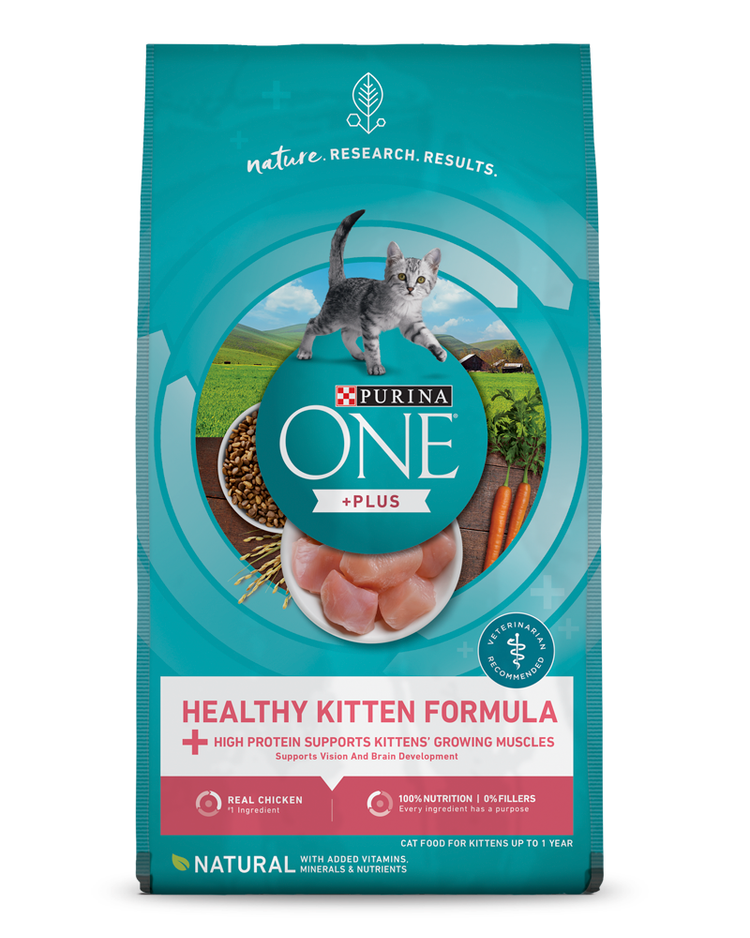
Credit: www.purina.com
Kitten Growth Stages
Understanding the kitten growth stages is key to knowing the right time to switch from kitten food to cat food. Each stage brings different nutritional needs that impact your kitten’s health and development. Paying attention to these changes helps you support your furry friend’s transition smoothly.
Newborn To Weaning
During this stage, kittens rely entirely on their mother’s milk or a milk replacement formula. They are fragile and need nutrients that support rapid growth and immune system development.
You might notice your kitten’s eyes opening and their first attempts to crawl around. This is a critical time to ensure they get enough fat and protein, which kitten food formulas provide.
At around 4 weeks, kittens start showing interest in solid food. Introducing a moistened kitten food gradually helps their digestive system adjust. Have you tried mixing wet food with formula to entice your kitten?
Weaning To Juvenile
Once your kitten is fully weaned, usually by 8 weeks, their nutritional needs shift. They require more calories and balanced nutrients to support their increasing activity and growth.
Switching to a high-quality kitten food during this phase is essential. It provides the right amount of protein, fats, and vitamins, preparing them for adult food later on.
Watch your kitten’s appetite and weight closely. If your kitten starts to slow down in growth or looks less energetic, it might be time to reassess their diet. What signs have you noticed that indicated your kitten was ready for new food?
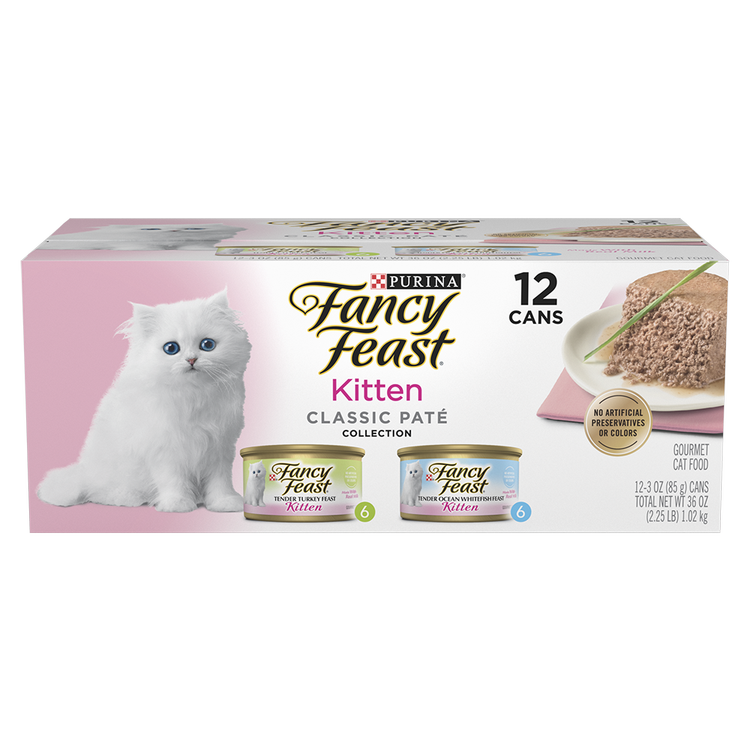
Credit: www.purina.com
Nutritional Needs Of Kittens
Kittens grow fast and need special food to support their development. Their bodies require more energy and nutrients than adult cats. Choosing the right food helps them build strong bones, muscles, and a healthy immune system. Understanding what kittens need nutritionally is key before switching to adult cat food.
Protein And Fat Requirements
Kittens need more protein than adult cats. Protein helps build muscles and repair tissues. Fat provides energy and supports brain growth. Kitten food usually contains about 30-40% protein and 15-20% fat. These higher levels fuel their active lives and rapid growth. Adult cat food has less protein and fat, which may not meet a kitten’s needs.
Vitamins And Minerals
Vitamins and minerals play a big role in kitten health. Calcium and phosphorus build strong bones and teeth. Vitamin A supports vision and skin health. B vitamins help with energy and brain function. Kitten food has extra vitamins and minerals to support growth. Adult cat food may lack some of these essential nutrients for young cats.
Signs Your Kitten Is Ready
Knowing when to switch from kitten food to cat food is important for your pet’s health. Kittens need special nutrients to grow strong. As they age, their needs change. Watch for certain signs that show your kitten is ready for adult food.
Age Benchmarks
Kittens usually start eating solid food at 4 weeks old. They grow quickly and need kitten food until about one year. Around 10 to 12 months, their growth slows down. This is the time to think about switching to cat food. Age is a simple guide but not the only factor.
Behavioral Cues
Your kitten’s eating habits can tell you a lot. If they finish their food easily, they might need more calories from adult food. Notice if your kitten shows less interest in kitten food. Also, observe their energy levels. Less hyperactivity could mean their diet should change.
Physical Development
Check your kitten’s body for growth signs. Their teeth should be fully grown by 6 months. Weight gain will slow as they near adulthood. Muscle tone improves, and they become leaner. These physical changes suggest readiness for cat food. Proper nutrition supports this transition smoothly.
Choosing The Right Cat Food
Choosing the right cat food is crucial as your kitten grows into an adult cat. The nutritional needs change, and feeding the right formula supports their health and energy. Understanding these differences helps you make informed decisions for your feline friend.
Kitten Vs Adult Formulas
Kitten food is packed with extra protein and calories to support rapid growth and high energy levels. Adult cat food, on the other hand, is designed to maintain weight and overall health once growth slows down.
Switching too early can leave your kitten lacking vital nutrients. Switching too late might cause unnecessary weight gain. Have you noticed your cat’s activity level or appetite changing? These signs can guide you on the right time to switch.
Wet Food Vs Dry Food
Wet food contains more moisture, which helps keep your cat hydrated, especially if they don’t drink much water. Dry food is convenient, can help with dental health, and usually costs less.
Some cats prefer one over the other, and mixing both can offer variety and balance. Think about your cat’s preferences and lifestyle—do they enjoy crunching or savor soft textures?
- Wet food:Higher moisture, often richer in protein, but pricier.
- Dry food:Easy to store, helps with teeth, but less moisture.
What combination will keep your cat happy and healthy? Testing small amounts of each can reveal their favorite and what suits their digestion best.
How To Transition Food
Switching your kitten from kitten food to adult cat food needs care. Sudden changes can upset their stomach. A smooth transition helps avoid digestive issues and keeps your cat happy.
Gradual Mix Method
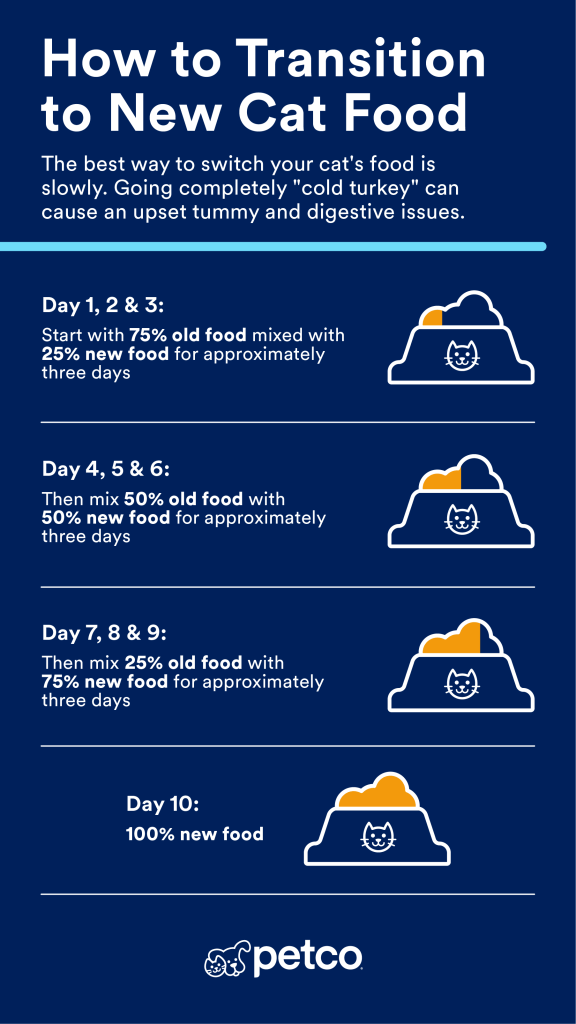
Start by mixing a small amount of adult cat food with kitten food. For example, 75% kitten food and 25% adult food. After a few days, change the ratio to 50/50. Then move to 25% kitten food and 75% adult food. Finally, serve only adult cat food.
This process usually takes 7 to 10 days. Watch how your cat reacts to each change. This slow change helps your cat’s tummy adjust to new nutrients and flavors.
Monitoring Digestive Health
Check your cat’s stool during the transition. Soft or runny stool can mean the food change is too fast. If you see vomiting or loss of appetite, slow down the switch.
Keep an eye on your cat’s energy and mood. Healthy digestion means your cat stays active and playful. Contact a vet if problems last more than a few days.
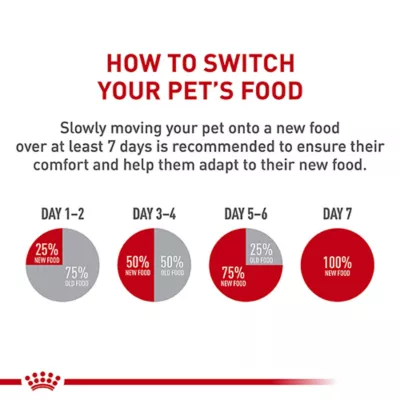
Credit: www.petsmart.com
Common Mistakes To Avoid
Knowing when to switch your kitten to cat food is important, but avoiding common mistakes during this transition is just as crucial. These errors can affect your pet’s growth, health, and happiness. Let’s look at some pitfalls that often catch pet owners off guard and how you can sidestep them.
Switching Too Early
Many pet owners get excited and switch their kitten’s food too soon. Kittens need specific nutrients that support rapid growth and brain development. Moving to adult cat food too early can leave them lacking key vitamins and proteins.
Think about your kitten’s age and behavior. Are they still growing quickly, or have they slowed down? Most vets recommend waiting until your kitten is around 12 months old before making the switch.
Ignoring this timeline can cause digestive upset or poor weight gain. Have you noticed your kitten losing interest in food or seeming less energetic? That might be a sign you switched foods prematurely.
Ignoring Nutritional Needs
Not all cat foods are created equal. Adult cat food doesn’t always meet the unique requirements of a growing kitten. Kittens need higher protein levels, more calories, and nutrients like DHA for brain health.
Review the ingredients and nutritional labels closely. Does the food meet your kitten’s developmental needs? If not, your kitten might miss out on essential nutrition, which could slow their growth or weaken their immune system.
Ask yourself if your chosen adult cat food supports your kitten’s health as well as kitten food did. If you’re unsure, consulting a vet can save you from costly mistakes later.
Special Considerations
Switching from kitten to cat food isn’t just about age. Your cat’s unique needs play a big role in deciding the right time. Special considerations like breed and health can change when and how you make the switch.
Breed-specific Needs
Different breeds grow at different rates. For example, larger breeds like Maine Coons take longer to reach full size. They might need kitten food for a longer period compared to smaller breeds.
Smaller breeds often mature faster and can switch to adult food earlier. Some breeds also have specific nutritional needs. Siamese cats, for instance, may require diets richer in certain nutrients to maintain their sleek coats and energy levels.
Ask yourself: Is your cat’s breed known for a slower or faster growth rate? Adjust the food transition based on this to support healthy development.
Health Conditions
Health issues can affect when to change your cat’s diet. Cats with digestive sensitivities might need a gradual transition to avoid upset stomachs. If your cat has kidney problems or diabetes, specialized diets recommended by your vet are crucial.
Keep an eye on your cat’s weight and energy during the switch. Sudden changes can cause stress or worsen existing conditions. Always consult your vet if your cat has health concerns before changing food types.
Have you noticed any unusual symptoms during feeding changes? Monitoring your cat closely helps catch problems early and ensures their diet supports their well-being.
Frequently Asked Questions
When Should I Switch From Kitten To Cat Food?
Switch to cat food around 12 months old. This marks your kitten’s growth completion. Cat food meets adult cats’ nutritional needs.
What Are The Signs My Kitten Needs Adult Food?
Signs include slower growth, less playfulness, and stable weight. Kittens need adult food when growth slows after one year.
Can I Feed Adult Cat Food To Kittens?
No, adult cat food lacks essential nutrients for kittens. Kittens need higher protein and calorie content for healthy growth.
How To Transition From Kitten To Cat Food?
Mix increasing amounts of cat food with kitten food over 7 days. Gradual change helps avoid digestive upset and ensures acceptance.
Conclusion
Switching from kitten to cat food helps support your cat’s health. Around one year old is the usual time. Watch your cat’s size and energy for signs. Cat food has fewer calories and different nutrients. This change keeps your cat strong and happy.
Always introduce new food slowly to avoid upset stomachs. Consult your vet if you feel unsure or see problems. Feeding the right food helps your cat live well. Simple steps make a big difference in your cat’s life.
