

Have you ever wondered when your playful kitten will stop growing and become a full-sized cat? Understanding when cats reach their full size can help you care for them better and know what to expect as they mature.
Whether you’ve just brought home a tiny furball or are curious about your feline friend’s growth, this guide will answer your questions clearly and simply. Keep reading to discover the key signs and timelines of your cat’s growth journey.

Credit: medicanimal.com
Kitten Growth Stages
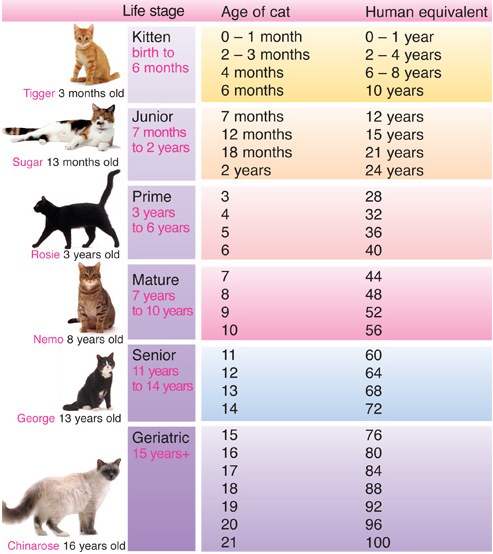
Understanding a kitten’s growth stages helps in providing proper care. Cats grow rapidly in their first year. Each stage brings unique changes and needs. Below are the key growth stages of a kitten’s life.
Birth To 8 Weeks
Newborn kittens are tiny and fragile. They weigh about 3 to 4 ounces. In the first weeks, they rely entirely on their mother. Eyes open around the second week. By four weeks, they start exploring their surroundings. At eight weeks, kittens begin to eat solid food.
2 To 6 Months
This period is full of rapid growth and change. Kittens gain muscle and coordination. They become playful and curious. By six months, they lose baby teeth. They also start developing adult teeth. Regular veterinary check-ups are important during this stage.
6 To 12 Months
Kittens continue to grow but at a slower pace. By 12 months, many reach near adult size. They refine their skills and behaviors. Spaying or neutering is often recommended in this stage. Ensure a balanced diet to support their growing needs.
Factors Influencing Growth
Several factors affect when cats reach their full size. Growth depends on genetics, diet, and overall health. Understanding these elements helps predict a cat’s growth timeline and size.
Breed Differences
Different breeds grow at different rates. Small breeds mature faster and reach full size earlier. Large breeds take longer to grow and may keep growing up to three years. For example, Maine Coons are large cats that grow slowly. Siamese cats grow quickly and stop earlier.
Nutrition Impact
Good nutrition is essential for healthy growth. Balanced food with proteins and vitamins supports strong bones and muscles. Poor diet can slow growth or cause health issues. Kittens need more calories and nutrients than adult cats. Quality food helps cats reach their full size on time.
Health Conditions
Health problems can affect growth rates. Parasites, infections, or hormonal issues may stunt growth. Regular vet check-ups catch problems early. Treating health issues helps cats grow normally. Healthy cats usually reach their full size without delay.
Signs Of Full Size
Recognizing when your cat has reached full size helps you understand their health and needs better. It’s not just about their height or length; multiple signs indicate that your feline friend has stopped growing. Paying attention to these signs can guide you in adjusting their diet, exercise, and overall care.
Weight Stabilization
Your cat’s weight becomes steady once they hit full size. If you notice your cat’s weight fluctuating less over weeks or months, it often means they’ve stopped growing physically. Keep a simple weight chart to track this—if it levels off, your cat is likely full grown.
Think about your own cat or a cat you know. Did their playful kitten chubbiness turn into a consistent, healthy weight as they matured? That’s a clear signal of reaching full size.
Physical Maturity
Physical maturity shows up in muscle tone, bone structure, and fur condition. You might observe your cat’s body becoming more solid and proportionate. Their limbs, head, and torso stop growing, and their coat usually thickens or smooths out.
Try comparing old photos to current ones. Notice how their paws or ears no longer look oversized for their body? That’s a practical sign they’ve reached their adult size.
Behavioral Changes
Behavior often shifts as cats mature. Adult cats tend to be calmer and less hyperactive compared to their kitten days. You might see a reduction in constant play or climbing and an increase in resting and observing.
Have you noticed your cat spending more time lounging or grooming themselves? This behavioral change often coincides with them reaching full size and adulthood.

Credit: www.purina.com
Growth Variations By Breed
Cats grow at different rates depending on their breed. Small, medium, and large breeds all have unique growth patterns. Understanding these differences helps pet owners know what to expect. Growth times affect size, weight, and maturity.
Small Breeds
Small cat breeds reach full size faster than larger ones. They often stop growing by 9 to 12 months. Examples include the Singapura and the Munchkin. These cats stay light and compact. Their bones and muscles develop quickly.
Medium Breeds
Medium breeds usually grow until 12 to 18 months. Popular breeds like the American Shorthair and Burmese fall here. Their bodies fill out steadily over a year or more. Growth slows after the first year but continues mildly. They reach a balanced size and weight.
Large Breeds
Large breeds need more time to reach full size. They may grow up to 3 or 4 years. Maine Coons and Norwegian Forest Cats are good examples. These cats become quite big and heavy. Their bones take longer to harden and muscles to develop fully. Patience is key with these gentle giants.
When Growth Slows Down
As your cat grows, there comes a time when you notice their rapid growth begins to slow down. This phase signals that they are nearing their full adult size. Understanding when and how this slowdown happens can help you better care for your feline friend’s changing needs.
Typical Age Range
Most cats experience a significant growth slowdown between 9 and 12 months old. By this time, their bones and muscles develop more slowly, and they start to fill out rather than grow taller or longer.
Smaller breeds often finish growing closer to 9 months, while larger breeds might continue a bit longer. Have you noticed your cat’s energy levels or appetite shifting around this age? It’s a good indicator that their growth is slowing.
Late Bloomers
Some cats take longer to reach their full size, especially larger or mixed breeds. These “late bloomers” may continue to grow until they are 18 months or even 2 years old.
Don’t worry if your cat seems smaller than others their age—it might just mean they are on a slower growth track. Keep an eye on their overall health and weight gain rather than size alone to make sure they’re developing well.
Growth Plate Closure
Growth plates are soft areas at the ends of your cat’s bones where new bone cells form. These plates close as your cat matures, marking the end of bone growth.
This closure usually happens between 12 and 18 months of age but can vary by breed and individual. You might wonder how to tell if your cat’s growth plates have closed—veterinarians can check this with an X-ray, which is helpful if you’re concerned about your cat’s development.
Monitoring Your Cat’s Growth
Monitoring your cat’s growth helps ensure they stay healthy and happy. Growth happens quickly in kittens, so tracking changes is important. You can spot any issues early by paying attention to their size and weight. This also helps you adjust care routines as they develop.
Regular Vet Visits
Visit the vet often during your cat’s first year. Vets check if your cat is growing at a healthy rate. They can detect health problems before symptoms show. These visits also provide vaccination and parasite prevention. Keep a record of each visit for future reference.
Tracking Weight
Weigh your cat regularly to watch their growth progress. Use the same scale every time for accuracy. Record the weight in a notebook or app. Sudden weight gain or loss can signal health issues. Steady weight increase usually means your cat is growing well.
Diet Adjustments
Feeding the right food supports healthy growth. Kittens need more calories and nutrients than adult cats. Change their diet as they grow to meet new needs. Avoid overfeeding to prevent obesity. Consult your vet for the best food choices and portions.

Credit: www.reddit.com
Frequently Asked Questions
When Do Cats Usually Stop Growing?
Cats typically reach full size between 12 to 18 months. Some larger breeds may take up to 2 years to fully mature.
How Does Cat Breed Affect Growth Rate?
Different breeds grow at different rates. Larger breeds like Maine Coons take longer to reach full size compared to smaller breeds.
When Is A Kitten Considered Fully Grown?
A kitten is considered fully grown when it stops gaining weight and its body proportions stabilize, usually by 1 year.
Do Male Cats Grow Bigger Than Females?
Male cats generally grow larger and heavier than females, but individual size varies by breed and genetics.
Conclusion
Cats grow at different speeds, but most reach full size by one year. Some larger breeds may take up to two years to fully grow. Nutrition and health affect their growth too. Watching your cat’s size change helps you understand its needs.
Enjoy each stage, from playful kitten to adult cat. Patience is key as your cat matures. Knowing when cats reach full size helps you care for them better. Every cat is unique and grows in its own time.
