

Have you ever noticed tiny teeth lying around after your kitten’s playful chewing? If you’re wondering when cats lose their baby teeth, you’re not alone.
Understanding this natural process can help you care better for your furry friend and spot any issues early. You’ll discover exactly when your cat’s baby teeth fall out, what to expect during this stage, and how to keep your kitten’s mouth healthy.
Keep reading—your cat’s smile depends on it!

Credit: www.reddit.com
Cat Teeth Development Stages
Cats, like humans, have distinct stages in their teeth development. Understanding these stages can help ensure your furry friend’s dental health. From tiny, sharp baby teeth to strong, permanent ones, each phase plays a vital role.
Baby Teeth Appearance
Kittens start developing baby teeth at about two weeks old. These tiny teeth are often called milk teeth. They are sharp and small, perfect for the kitten’s early needs. By six weeks, most kittens have a full set of 26 baby teeth. These teeth help them transition from nursing to eating solid food. It’s a crucial step in their growth.
Permanent Teeth Growth
Around three months, kittens begin losing their baby teeth. Permanent teeth start to grow in their place. This process usually completes by six months of age. Adult cats have 30 teeth in total. These include incisors, canines, premolars, and molars. Each type of tooth has a specific function. Incisors are for cutting, while canines grip and tear. Premolars and molars help in grinding food.
Typical Timeline For Losing Baby Teeth
Cats start losing their baby teeth as they grow. This process helps them develop strong adult teeth. Knowing the typical timeline helps you care for your kitten better. It also helps spot any problems early. The timeline varies slightly but follows a common pattern.
Age Range For Tooth Loss
Kittens usually begin to lose baby teeth at about 3 months old. The process continues until they are around 6 months old. By this age, most kittens have a full set of adult teeth. Some kittens may start a little earlier or later. Watch for small teeth falling out during this time.
Sequence Of Teeth Shedding
The front teeth, called incisors, fall out first. This happens around 3 to 4 months of age. Next, the canine teeth (the sharp, pointy ones) come loose. This usually occurs between 4 and 5 months. The premolars, found behind the canines, shed last. They fall out around 5 to 6 months old. Molars do not have baby versions, so they appear later as adult teeth.
Signs Your Cat Is Losing Baby Teeth
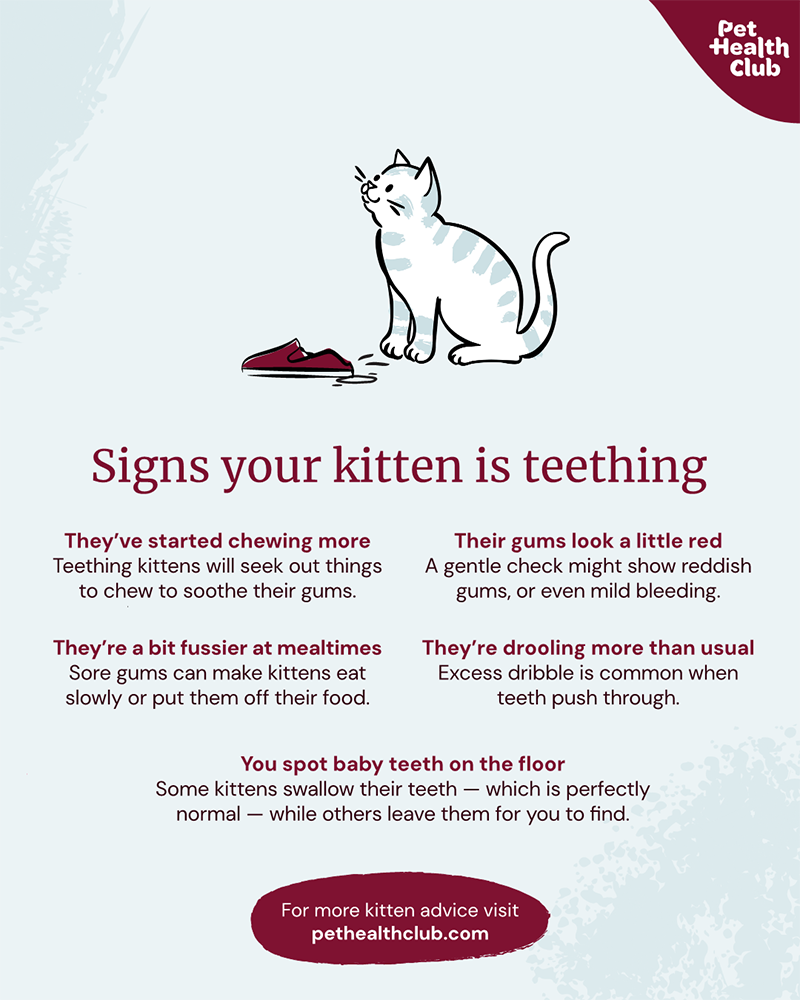
Knowing the signs that your cat is losing baby teeth helps you care better. This phase usually happens between 3 to 6 months of age. Watch your cat closely for changes. These signs fall into two main groups: behavioral changes and physical symptoms.
Behavioral Changes
- Your cat may chew more on toys or objects.
- Increased drooling can occur during teething.
- Your cat might paw at its mouth often.
- Some cats become less playful or more irritable.
- Eating habits may change; your cat might eat slower.
Physical Symptoms
- Look for small gaps or missing baby teeth in the mouth.
- Red or swollen gums are common signs.
- Loose teeth may be visible when your cat opens its mouth.
- Sometimes, you might find tiny teeth on the floor.
- Bad breath can also indicate teething discomfort.

Credit: www.barkandwhiskers.com
Common Problems During Teething
Teething is a natural process for kittens but it can cause some problems. During this time, kittens may feel pain and show signs of discomfort. Their gums become tender as baby teeth fall out and adult teeth grow in. This process might also lead to dental issues that need attention. Understanding these common problems helps you care better for your young cat.
Pain And Discomfort
Kittens often experience pain while losing their baby teeth. Their gums may swell and become sore. Some may drool more than usual or chew on objects to ease the pain. You might notice your kitten being less playful or eating less. Offering soft food can help reduce discomfort. Gentle teeth cleaning can also soothe tender gums.
Dental Issues To Watch For
Teething can sometimes cause dental problems. Baby teeth may not fall out properly, causing crowding. This can trap food and lead to infections. Watch for signs like bad breath, swollen gums, or bleeding. If adult teeth grow in crooked, it may affect your cat’s bite. Regular vet check-ups help catch these issues early. Prompt care ensures healthy teeth and gums for your cat’s future.
Tips To Help Your Cat Through Teething
Helping your cat through teething can make a big difference in their comfort and behavior. Teething can be a confusing time for cats, and they might chew on things they shouldn’t. You can guide your cat by offering safe options and keeping their mouth healthy.
Safe Chewing Alternatives
Provide your cat with toys designed for teething. Soft rubber or silicone chew toys can soothe sore gums without hurting your cat’s teeth.
Try freezing a damp washcloth for your cat to chew on. The cold helps reduce gum inflammation and gives them a safe outlet for their chewing urges.
Watch your cat’s chewing habits closely. If they start targeting furniture or cables, redirect their attention to these safe alternatives immediately.
Maintaining Oral Hygiene
Keeping your cat’s mouth clean is crucial during teething. Gently brushing their teeth with a pet-safe toothpaste can prevent plaque buildup and discomfort.
If brushing isn’t an option, dental treats or water additives designed for cats can also support oral health.
Pay attention to bad breath or excessive drooling, as these may signal oral issues needing a vet’s attention. Have you noticed any signs that your cat needs extra care during teething?
When To Visit The Vet
Knowing when to visit the vet during your cat’s teething phase can save you from future dental problems. Cats usually lose their baby teeth between 3 to 6 months of age, but sometimes complications arise. Paying attention to your cat’s oral health and recognizing warning signs will help you decide when a vet visit is necessary.
Signs Of Dental Complications
Keep a close eye on your kitten’s mouth during the teething process. If you notice persistent bleeding, swelling, or bad breath, these could be signs of dental issues.
Other red flags include difficulty eating, pawing at the mouth, or visible broken or retained baby teeth. Ignoring these symptoms might lead to pain or infections that affect your cat’s overall health.
Have you ever seen your kitten struggle with chewing? That’s a clear sign to consult your vet promptly.
Routine Dental Checkups
Even if your cat shows no obvious problems, scheduling regular dental checkups is crucial. Vets can detect hidden issues like tooth resorption or gum disease before they worsen.
Most vets recommend starting dental exams around six months of age when baby teeth should have fallen out. This visit allows the vet to ensure adult teeth are growing correctly and your kitten’s mouth stays healthy.
Routine checkups also give you a chance to ask questions and learn how to care for your cat’s teeth at home. Wouldn’t it be great to prevent dental pain rather than treat it later?

Credit: www.reddit.com
Frequently Asked Questions
When Do Kittens Start Losing Baby Teeth?
Kittens usually begin losing baby teeth around 3 to 4 months old. This process continues until about 6 months of age. Their permanent adult teeth gradually replace the milk teeth during this period.
How Long Does Teething Last In Cats?
Teething in cats typically lasts 3 to 4 months. It starts when kittens are about 3 months old and finishes by 6 to 7 months. During this time, their new adult teeth fully develop.
What Are Signs Of A Kitten Losing Baby Teeth?
Common signs include slight bleeding, swollen gums, and chewing more often. Kittens may also drool and show mild discomfort while eating. These signs usually indicate their baby teeth are falling out.
Are Baby Teeth Important For Kittens?
Yes, baby teeth help kittens learn to eat solid food. They also guide the growth of adult teeth. Healthy baby teeth are essential for proper oral development in cats.
Conclusion
Cats lose their baby teeth between three and six months old. This is a normal part of growing up for kittens. During this time, they may chew more to help the new teeth come in. Watch for loose teeth or small bleeding spots in their mouth.
Providing safe chew toys can ease their discomfort. Remember, healthy teeth lead to a happy cat. Keep an eye on their dental health as they grow. This helps prevent problems later in life. Understanding this stage helps you care for your kitten better.
