

Have you ever looked into your cat’s eyes and wondered why their color seems to shift over time? If you’re curious about when cats’ eyes change color and what it means for your furry friend, you’re not alone.
Understanding this fascinating transformation can help you better connect with your pet and even spot signs of their health. Keep reading, and you’ll discover exactly when and why your cat’s eyes change, unlocking a little-known secret about your companion’s unique beauty.

Credit: www.reddit.com
Cat Eye Color Basics
Cats have a fascinating range of eye colors. Their eye color can tell a lot about their age and breed. Understanding cat eye color basics helps owners appreciate their pet’s unique look. Eye color changes as kittens grow, making it an interesting process to watch.
How Cat Eyes Develop
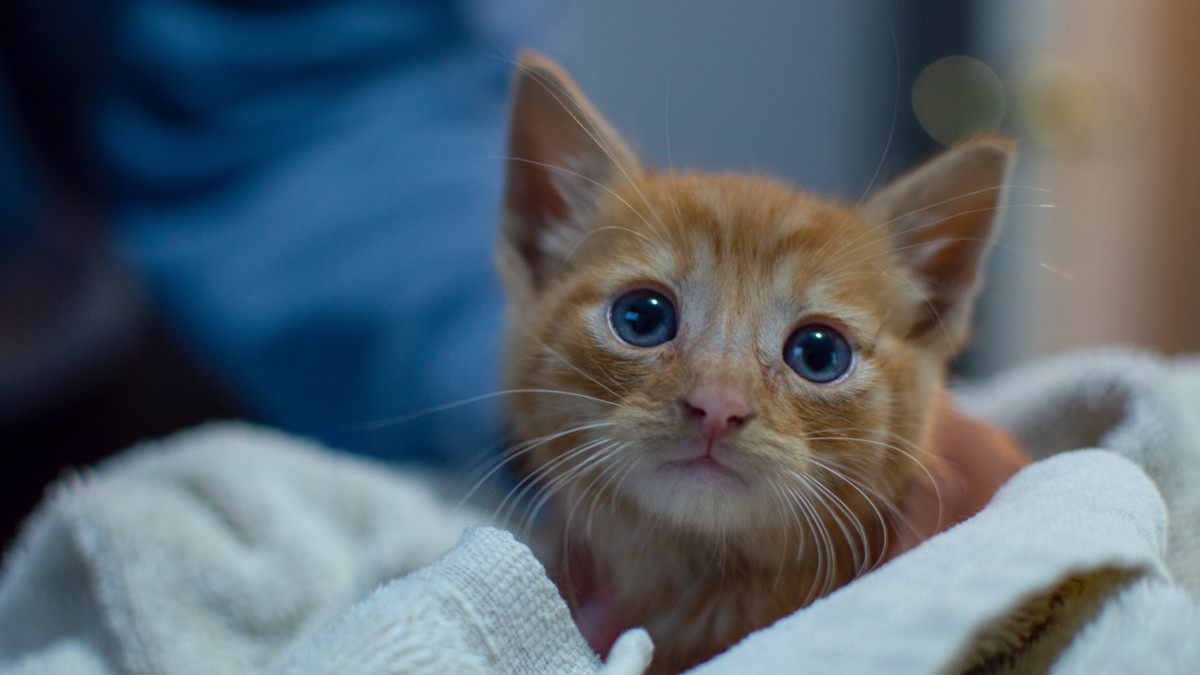
Kittens are born with blue eyes. The blue color comes from a lack of pigment in the iris. As kittens grow, cells called melanocytes add pigment to their eyes. This pigment changes the eye color over time. Usually, eye color starts to change around 6 to 7 weeks old. By 12 to 16 weeks, most kittens have their permanent eye color. The final color depends on genetics and breed.
Common Eye Colors In Cats
Cat eyes come in many shades. Some of the most common colors include:
- Green – a bright and vivid shade
- Amber – a warm, golden hue
- Blue – usually in Siamese and other pointed breeds
- Yellow – often seen in domestic cats
- Hazel – a mix of green and brown tones
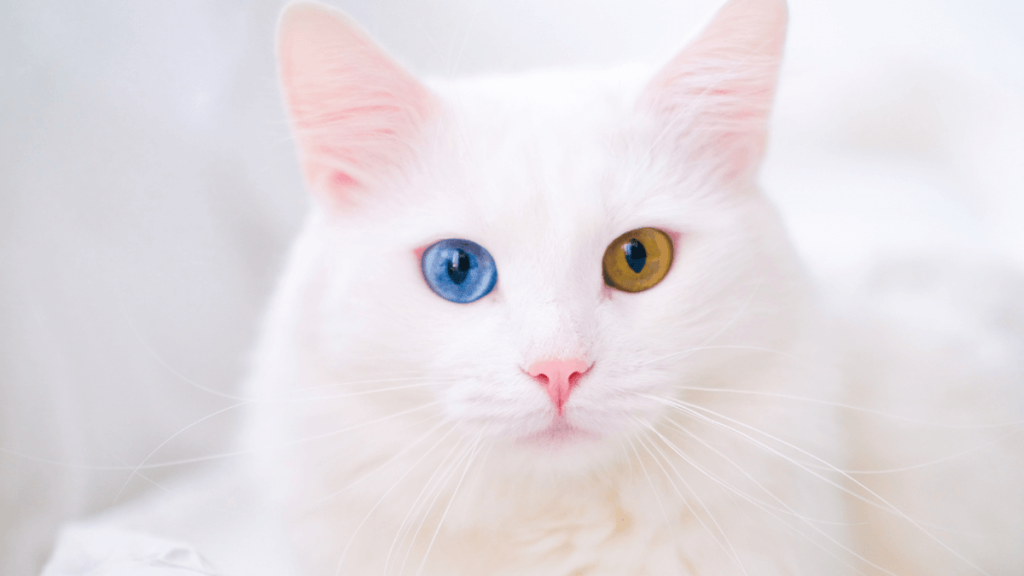
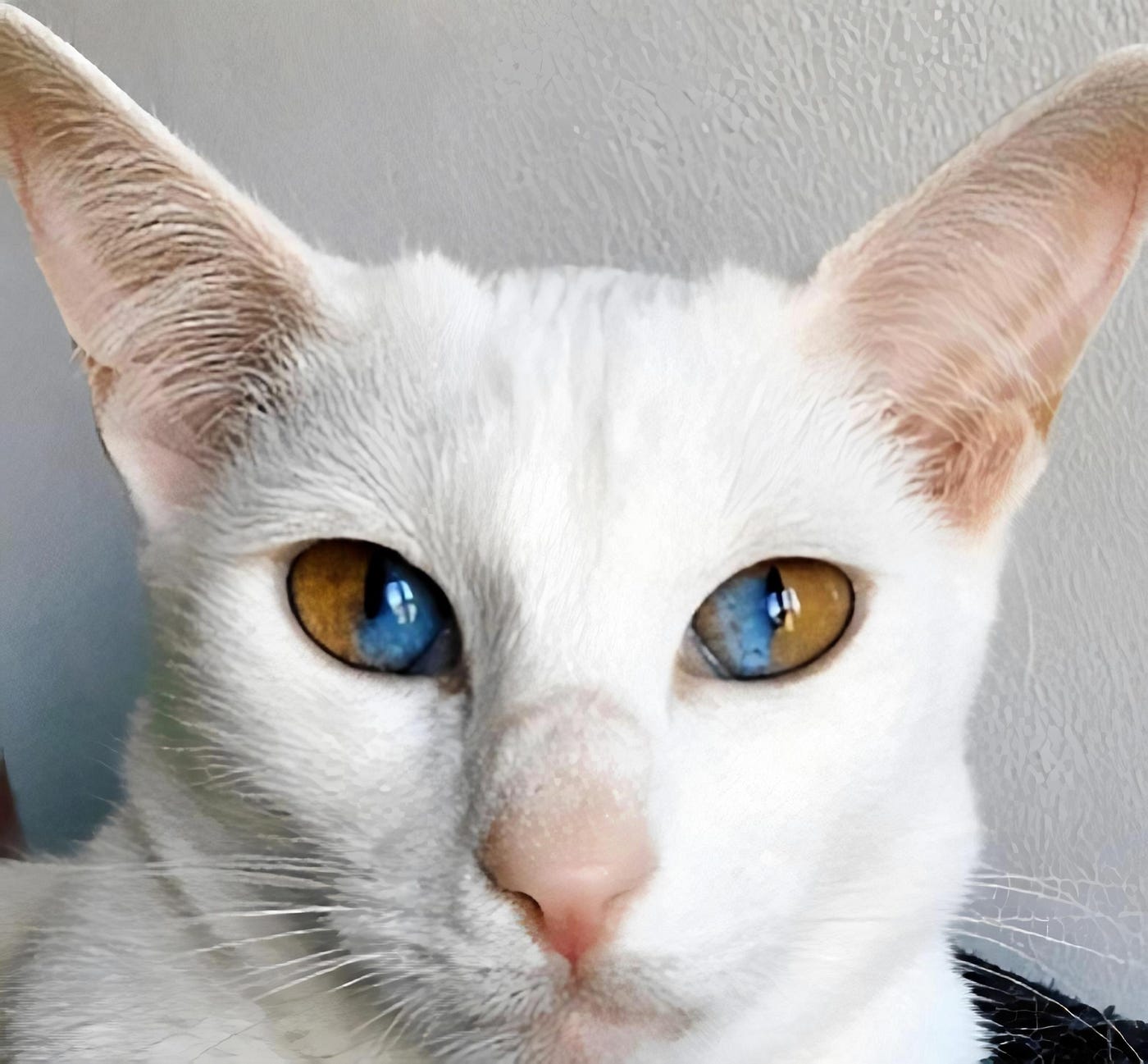
Eye color can also vary within a breed. Some cats may have odd eyes, where each eye is a different color. This trait is called heterochromia and is most common in white cats.
Credit: pethelpful.com
Timing Of Eye Color Changes
Understanding the timing of your cat’s eye color changes can be fascinating. Eye color doesn’t stay the same from birth to adulthood. Instead, it evolves, often surprising owners with its gradual or sometimes rapid transformation.
From Kitten To Adult
Most kittens are born with blue eyes. This initial color is due to the low amount of melanin present in their irises. As your kitten grows, melanin production increases, which changes the eye color to its permanent shade.
Typically, you’ll notice the first signs of color change around 6 to 7 weeks old. By the time your cat reaches 3 to 4 months, the eye color usually settles. However, in some breeds, this process can continue up to 6 months or even a year.
Have you observed your kitten’s eyes shift colors over a few weeks? This change is a natural part of their development and signals healthy melanin growth.
Factors Influencing Color Shift
Several factors affect when and how your cat’s eye color changes. Genetics play the biggest role—some breeds have a predictable timeline, while others vary widely.
- Breed:Siamese cats, for example, often keep their blue eyes, while others develop green, gold, or amber hues.
- Age:Younger cats are more likely to show shifts as their melanin levels adjust.
- Health:Illness or nutritional deficiencies can sometimes alter or delay eye color changes.
- Lighting:The way light hits your cat’s eyes can also affect how you perceive their color at different times.
Next time you look into your cat’s eyes, consider what their color might say about their breed, age, or health. Could subtle changes be telling you more than you realize?
Genetics And Eye Color
Cat eye color is mostly decided by genetics. Genes control the pigments in the iris, which give the eyes their color. This color can change as kittens grow, but the genes set the limits on possible shades.
Eye color varies between cats because of inherited traits and breed characteristics. These factors work together to create a wide range of eye colors found in cats.
Inherited Traits
Eye color passes from parent cats to their kittens through genes. Some genes produce more pigment, leading to darker eyes. Others result in lighter or unique colors.
Common eye colors like green, blue, or amber depend on these inherited traits. The mix of genes from both parents shapes the kitten’s final eye color.
Breed-specific Colors
Some cat breeds have distinct eye colors tied to their breed standards. For example:
- Siamese cats often have striking blue eyes.
- Russian Blues usually have vivid green eyes.
- Persians may have copper or gold eyes.
These colors appear because certain breeds carry genes that influence eye pigment in specific ways.
Health And Eye Color
Cat eye color can be more than just a charming feature—it sometimes signals health changes. While most cats develop their permanent eye color by 3 months old, shifts in color later in life might indicate health problems. Knowing what to watch for helps you keep your feline friend safe and healthy.
When Eye Color Indicates Health Issues
Sudden changes in your cat’s eye color are not normal and should raise concerns. A yellow tint might suggest jaundice, pointing to liver problems. Redness or cloudiness could signal infections or inflammation inside the eye.
Some eye color changes relate to serious conditions like glaucoma or uveitis, which can threaten your cat’s vision. If your cat’s eyes look dull or have an unusual hue, it’s a signal to act quickly. Early diagnosis often leads to better treatment outcomes.
Signs To Watch For
- Sudden change in iris color:Any quick shift away from the usual color.
- Cloudiness or foggy appearance:Eyes should be clear and bright.
- Redness or swelling:Indicates possible irritation or infection.
- Unequal pupil sizes:Can be a sign of neurological or ocular issues.
- Excessive tearing or discharge:Could mean eye disease or allergy.
Have you noticed your cat’s eyes looking different lately? Don’t wait for other symptoms to appear. A quick visit to the vet can save your pet from serious health problems and preserve their eyesight.
Surprising Eye Color Variations
Cats’ eye colors can be more surprising than you might expect. Beyond the typical green, blue, or amber, some cats showcase unique and striking variations that catch your attention instantly. These differences aren’t just beautiful—they reveal fascinating details about your cat’s genetics and health.
Heterochromia In Cats
Heterochromia is when a cat has two different colored eyes. One eye might be blue while the other is green or amber. This rare trait is more common in certain breeds like Turkish Vans and odd-eyed white cats.
You might wonder if this affects your cat’s vision. Usually, it doesn’t—cats with heterochromia see perfectly well. But it does make your feline friend stand out in a crowd.
Rare And Exotic Colors
Some cats display eye colors that are quite uncommon. Shades like copper, deep gold, or even a striking violet can appear in certain breeds or mixed cats. These colors can develop as the cat grows or due to specific genetic factors.
Have you noticed how some cats’ eyes seem to glow or change slightly under different lighting? This is due to the tapetum lucidum, a layer behind their retina that reflects light and enhances night vision, sometimes making their eye color appear even more vibrant.
Keep an eye on your cat’s eyes over time—you might witness a subtle change or discover a rare color that makes your pet truly one of a kind.
Caring For Your Cat’s Eyes
Caring for your cat’s eyes is important for their overall health. Eyes are delicate and need gentle attention. Healthy eyes help cats see clearly and stay safe. Regular care can prevent many eye problems. Watch your cat’s eyes daily to spot changes early. Clean eyes show a happy and healthy cat.
Maintaining Eye Health
Keep your cat’s eyes clean by wiping them gently. Use a soft, damp cloth for dirt or discharge. Avoid using harsh chemicals or soaps near the eyes. Provide a dust-free and safe environment for your cat. Good nutrition supports eye health, so feed balanced meals. Make sure your cat has fresh water every day. Avoid exposing your cat to smoke or strong fumes. Regular grooming helps reduce eye irritation from fur.
When To See A Vet
Visit a vet if your cat’s eyes show unusual signs. Look for redness, swelling, or constant tearing. Watch for cloudiness or changes in eye color. Squinting or pawing at the eyes signals discomfort. Sudden eye color change may need professional advice. If your cat has discharge that is yellow or green, see the vet. Early treatment prevents serious eye problems. Don’t wait if your cat avoids light or bumps into things.
Credit: jennywilsons.medium.com
Frequently Asked Questions
Why Do Kittens’ Eyes Change Color?
Kittens are born with blue eyes due to low melanin. As they grow, melanin production increases, causing the eyes to change color. This process typically starts around 6-7 weeks of age. The final eye color can range from green to amber, depending on the breed and genetics.
When Do Cats’ Eyes Typically Change Color?
Cats’ eyes usually begin changing color between 6 and 12 weeks old. This change continues gradually until they reach their permanent color, usually by six months. The process is natural and influenced by the melanin in their iris, which can vary by breed and genetics.
Is It Normal For Adult Cats’ Eyes To Change Color?
No, it’s not normal for adult cats’ eyes to change color. Sudden changes in eye color can indicate health issues like infections or diseases. If you notice a change in your adult cat’s eye color, consult a veterinarian. Early diagnosis is crucial for addressing potential health concerns.
Can A Cat’s Eye Color Indicate Its Breed?
Yes, a cat’s eye color can sometimes indicate its breed. For example, Siamese cats have striking blue eyes, while some breeds like the British Shorthair often have copper or gold eyes. However, eye color alone isn’t a definitive breed indicator.
It should be considered alongside other physical characteristics.
Conclusion
Cat eye color changes mostly happen in the first few months. Their eyes start blue and shift to adult colors later. Each cat’s eye color is unique and special. Understanding this helps you care for your cat better. Watch your cat’s eyes for any sudden changes.
These could mean health issues and need a vet’s help. Enjoy the beauty of your cat’s changing eyes. It’s a simple but amazing part of their growth.
