

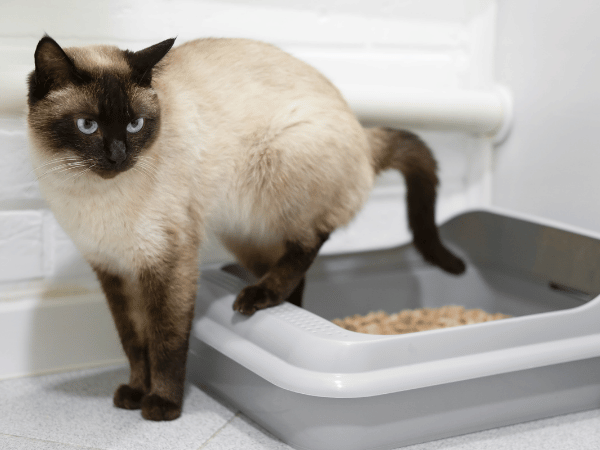
If your cat is struggling to go to the bathroom, you might feel worried and unsure about what to do next. Constipation in cats can cause discomfort and even lead to serious health problems if not handled quickly.
You want to help your furry friend feel better fast, but where do you start? This guide will walk you through the simple steps you can take right now to ease your cat’s constipation and keep them healthy. Keep reading to learn how to spot the signs, what causes it, and the best ways to support your cat’s digestive health.
Your cat’s comfort and well-being depend on it.

Credit: www.reddit.com
Signs Of Cat Constipation
Cats straining to poop or having hard, dry stools may be constipated. Watch for less frequent litter box visits and signs of discomfort. Acting quickly can help your cat feel better fast.
Identifying signs of cat constipation is vital for your feline’s health. Cats, like humans, can experience digestive issues. Recognizing the symptoms early can prevent discomfort. Let’s explore the common signs of cat constipation.Changes In Litter Box Habits
Notice fewer deposits in the litter box? This might indicate constipation. Cats may also spend more time in their litter box. They might strain without producing anything. Keep an eye on these changes.Physical Symptoms To Watch
A constipated cat may show physical signs. A swollen or hard abdomen is common. Your cat might vomit due to discomfort. Weight loss might also occur if constipation persists. Observing these symptoms can help in early detection.Behavioral Indicators
Behavioral changes often accompany constipation. Your cat may seem lethargic or less playful. It might avoid being touched, especially around the abdomen. Increased vocalization can signal distress. Recognizing these behavioral shifts is essential.Common Causes Of Constipation
Constipation in cats can be uncomfortable and concerning. Understanding common causes helps in managing this issue effectively. Many factors can lead to constipation, often linked to diet, health, or environment. Identifying the cause is key to providing relief for your feline friend.
Diet And Hydration Issues
Poor diet is a major cause of constipation in cats. Low fiber intake slows down digestion and stool movement. Cats eating mostly dry food may not get enough moisture. Dehydration can harden stools, making them difficult to pass. Always offer fresh water and consider wet food to improve hydration.
Medical Conditions
Several health issues can cause constipation. Kidney disease, diabetes, or thyroid problems affect digestion. Intestinal blockages or infections also disrupt normal bowel movements. Older cats often face more medical risks leading to constipation. Regular vet check-ups help catch these problems early.
Environmental Factors
Stress and changes in environment can affect a cat’s bathroom habits. Moving to a new home or adding new pets may cause anxiety. Dirty or hard-to-access litter boxes discourage regular use. Lack of exercise slows digestion and bowel function. Keep a calm space and clean litter area to support healthy habits.
Home Remedies To Relieve Constipation
Constipation in cats can cause discomfort and stress. Home remedies often help ease their bowel movements. These natural steps support your cat’s digestion and overall health. Try these simple remedies to bring relief without harsh treatments.
Increasing Water Intake
Water softens the stool and helps it pass easily. Provide fresh water in multiple bowls around the house. Some cats prefer running water, so a cat fountain can be useful. Wet cat food also increases hydration. Avoid forcing water but encourage your cat to drink more naturally.
Dietary Adjustments
Fiber promotes healthy digestion and regular stools. Add a small amount of canned pumpkin or fiber supplements to meals. Choose high-quality cat food with balanced fiber content. Avoid dairy or human foods that upset digestion. Monitor your cat’s reaction to dietary changes closely.
Encouraging Exercise
Physical activity stimulates bowel movements and improves gut health. Play with your cat using toys like feather wands or laser pointers. Create climbing spaces or tunnels to keep them active. Short, frequent play sessions work best. Movement helps prevent constipation and keeps your cat happy.
Credit: www.allivet.com
When To See A Veterinarian
Knowing when to see a veterinarian for your constipated cat can make all the difference in their recovery. Some signs indicate a simple issue you can manage at home, while others require immediate professional care. Understanding these signals helps you act quickly and avoid complications.
Warning Signs Of Serious Problems
Watch closely for these warning signs that need urgent vet attention:
- No bowel movement for over 48 hours.This often signals a blockage or severe constipation.
- Straining without producing stool.It may indicate an obstruction or painful condition.
- Vomiting or loss of appetite.These symptoms often accompany serious digestive issues.
- Abdominal swelling or pain.Your cat might be uncomfortable or in distress.
- Extreme lethargy or weakness.This could mean your cat’s condition is worsening rapidly.
Ignoring these signs can lead to dangerous complications. If you notice any of them, don’t hesitate—schedule a vet visit immediately.
What To Expect During A Vet Visit
Your vet will start by asking detailed questions about your cat’s bathroom habits, diet, and any changes in behavior. Be ready to provide this information as accurately as possible.
Next, the vet will perform a physical exam, focusing on the abdomen to check for blockages or pain. They may also palpate the colon to feel for hard stool.
Diagnostic tests like X-rays or ultrasounds might be necessary to understand the severity of the constipation. These help identify obstructions or other internal problems.
Treatment may include enemas, medication to soften stool, or fluid therapy. In rare cases, surgery might be needed if there is a severe blockage.
Remember, your vet’s goal is to relieve your cat’s discomfort and find the root cause. How detailed is your cat’s bathroom log? It can be a valuable tool to share during the visit.
Preventing Future Constipation
Preventing future constipation in cats helps keep them healthy and comfortable. Consistent care supports good digestion and regular bowel movements. Small changes in daily habits can make a big difference.
Regular Feeding Schedules
Feed your cat at the same times each day. This routine encourages regular digestion. Avoid skipping meals or feeding too late at night. Balanced meals with enough fiber help keep stool soft. Consult your vet about the best diet for your cat’s needs.
Maintaining Hydration
Water is key to preventing constipation. Always provide fresh, clean water for your cat. Some cats prefer running water, so consider a cat water fountain. Wet food increases moisture intake and supports digestion. Monitor your cat’s water drinking habits and encourage drinking if needed.
Monitoring Litter Box Use
Check the litter box daily for changes in your cat’s habits. Note any straining, infrequent use, or hard stools. Keep the litter box clean and in a quiet place. A clean box encourages your cat to use it regularly. Early detection of problems helps prevent severe constipation.

Credit: lolahemp.com
Frequently Asked Questions
What Are Common Signs Of Constipation In Cats?
Constipated cats often strain during bowel movements and produce small, hard stools. They may also lick their rear excessively and show discomfort or lethargy. Changes in appetite and hiding behavior can also indicate constipation.
How Can I Relieve My Cat’s Constipation At Home?
Ensure your cat drinks plenty of water and eats a high-fiber diet. Gentle abdominal massage and encouraging exercise can help. Avoid giving human laxatives; always consult a vet before administering treatments.
When Should I Take My Constipated Cat To The Vet?
If constipation lasts over two days, or your cat vomits, loses appetite, or shows severe pain, see a vet immediately. Persistent constipation can indicate serious health issues needing professional care.
Can Diet Prevent Constipation In Cats?
Yes, feeding your cat high-fiber foods and ensuring adequate hydration can prevent constipation. Specialized cat food formulas designed for digestive health support regular bowel movements and overall gut health.
Conclusion
Constipation in cats needs quick attention to avoid pain. Watch your cat’s bathroom habits closely every day. Offer plenty of fresh water and a balanced diet. Gentle exercise helps keep your cat’s digestion moving. Never give human medicine without asking a vet first.
If constipation lasts more than two days, call your vet. Small steps can bring big relief to your cat. Caring early makes your cat feel better faster. Keep your pet happy and healthy with good care.
