

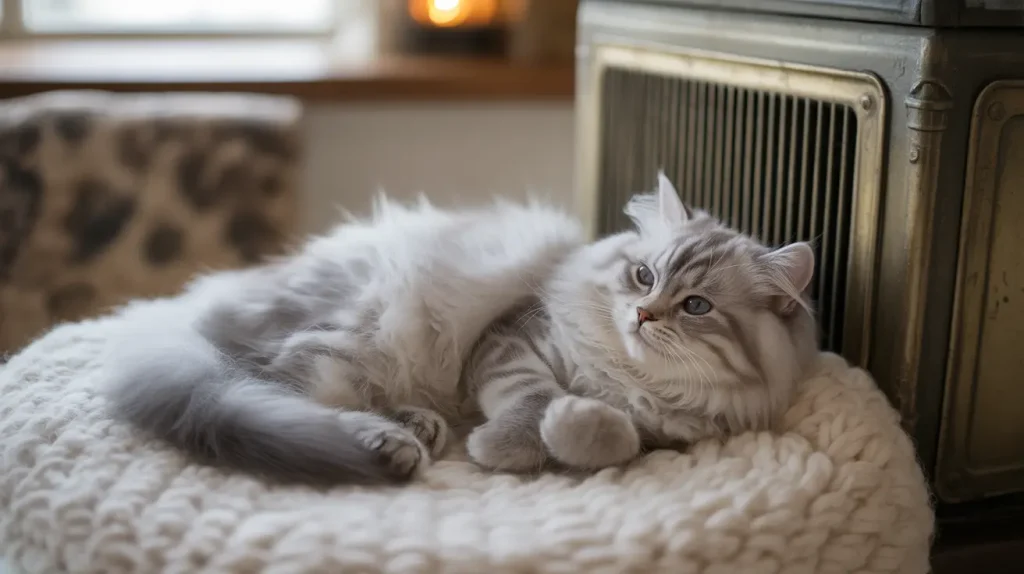
Have you ever wondered what temperature makes your cat feel most comfortable? Just like you, your furry friend has a favorite cozy spot where they love to relax.
But finding the perfect temperature for your cat isn’t always obvious. Getting it right can boost their happiness and health, making your home a haven for them. Keep reading to discover the ideal temperature range your cat prefers and simple tips to create a purrfect environment they’ll thank you for.
Ideal Temperature Range
Cats enjoy temperatures between 70°F and 80°F, which feel warm but not too hot. Cooler spots help them stay comfortable when they want to cool down.
Finding the perfect temperature for your feline friend is key to ensuring their comfort and happiness. Cats are sensitive creatures, and their preferred temperature range can vary based on several factors, including their breed and whether they are indoor or outdoor cats. Understanding the ideal temperature range can help you create a cozy environment for your cat, whether they’re lounging in your living room or exploring the great outdoors.Comfort Zone For Indoor Cats
Indoor cats typically enjoy a consistent temperature range, which mirrors the comfortable settings we enjoy in our homes. Most cats prefer temperatures between 70°F and 75°F (21°C to 24°C). This range mimics the warmth of a sunny day, which is why you might find your cat basking in sunbeams. Keeping your thermostat within this range ensures your cat stays cozy. If your home tends to be cooler, consider providing a heated bed or a cozy blanket. Cats often gravitate towards warmth, so creating these options can make your home more inviting for them.Outdoor Temperature Preferences
Outdoor cats are more adaptable to temperature changes, but they still have limits. While they can handle cooler temperatures, it’s important to ensure they have access to warmth. Temperatures below 45°F (7°C) can be challenging for them, especially without shelter. During colder months, providing an insulated outdoor shelter with straw bedding can help. If you notice your outdoor cat seeking shelter more often, it might be time to bring them inside. Remember, a cat’s comfort and safety should always come first. Have you ever observed your cat gravitating towards warmer spots in your home? This instinctive behavior underscores their desire for warmth. Understanding these preferences can make a significant difference in their quality of life. How do you ensure your cat stays comfortable throughout the year?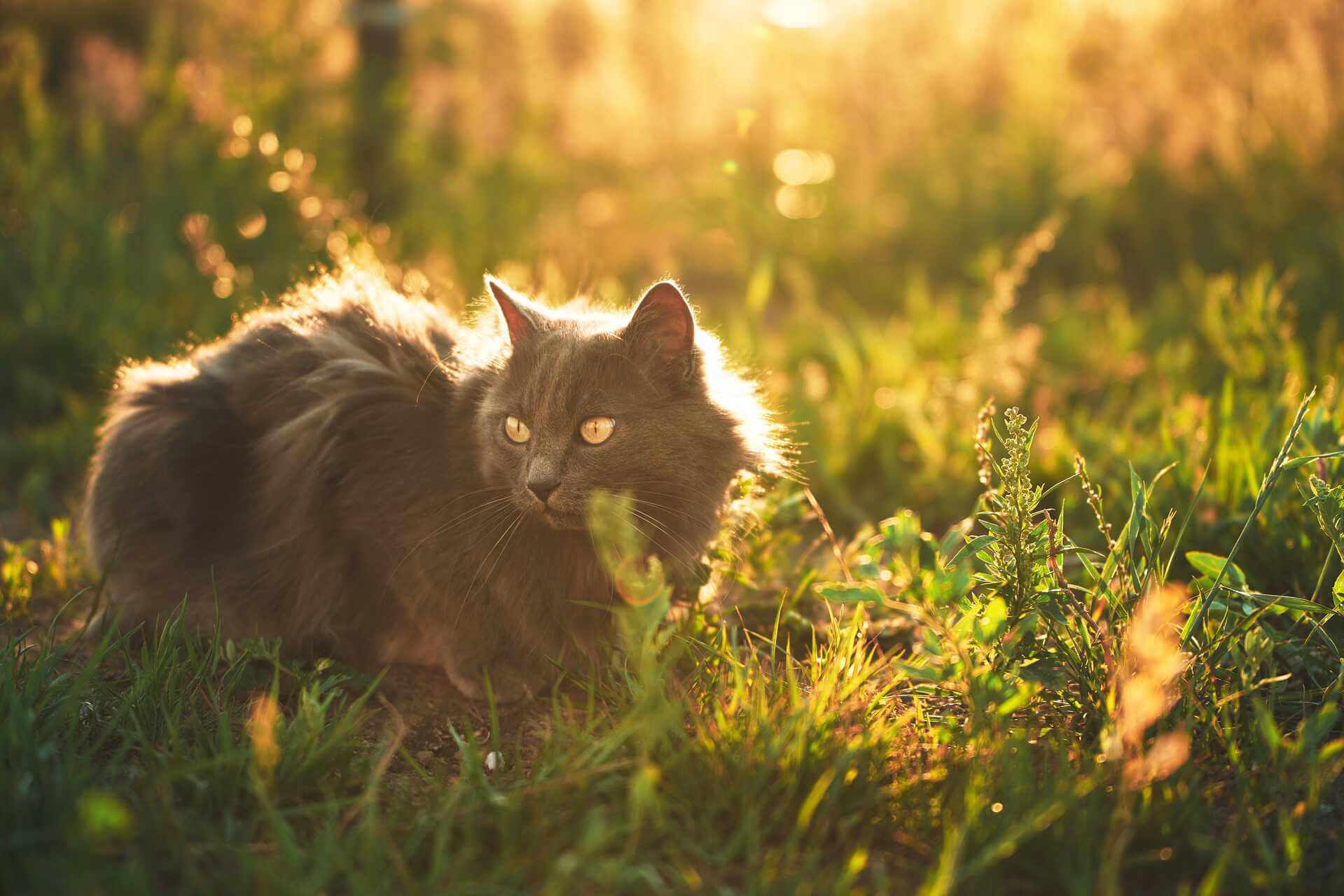
Credit: tractive.com
Factors Influencing Cat Temperature Needs
Cats do not all prefer the same temperature. Many things affect what temperature a cat likes best. Understanding these factors helps keep cats happy and healthy. Some cats need warmer spots, while others enjoy cooler places. Knowing what influences their temperature needs helps owners provide the right environment.
Breed And Fur Length
Different cat breeds have different fur types. Cats with thick fur like Maine Coons stay warm easily. Short-haired cats may feel cold faster. Hairless breeds, like the Sphynx, need warmer rooms. Fur length acts like a natural blanket. It plays a big role in how much warmth a cat needs.
Age And Health Conditions
Kittens and older cats often need more warmth. Young cats cannot regulate their body temperature well. Senior cats may have health issues that affect warmth. Illness or poor circulation makes cats feel cold. They may seek warm places more often. Proper temperature helps these cats stay comfortable.
Activity Level
Active cats generate more body heat. They can be fine in cooler rooms. Less active or lazy cats feel cold faster. Cats that rest a lot need warmer spots. Activity level changes how much heat a cat needs. Owners should watch their cat’s behavior and adjust temperature accordingly.
Signs Your Cat Is Too Hot Or Cold
Knowing the signs that your cat is too hot or too cold is crucial for their health and comfort. Cats can’t always tell you when they’re uncomfortable, so you need to watch their behavior and physical condition closely. Recognizing these signs early can help you adjust their environment before serious problems arise.
Behavioral Changes
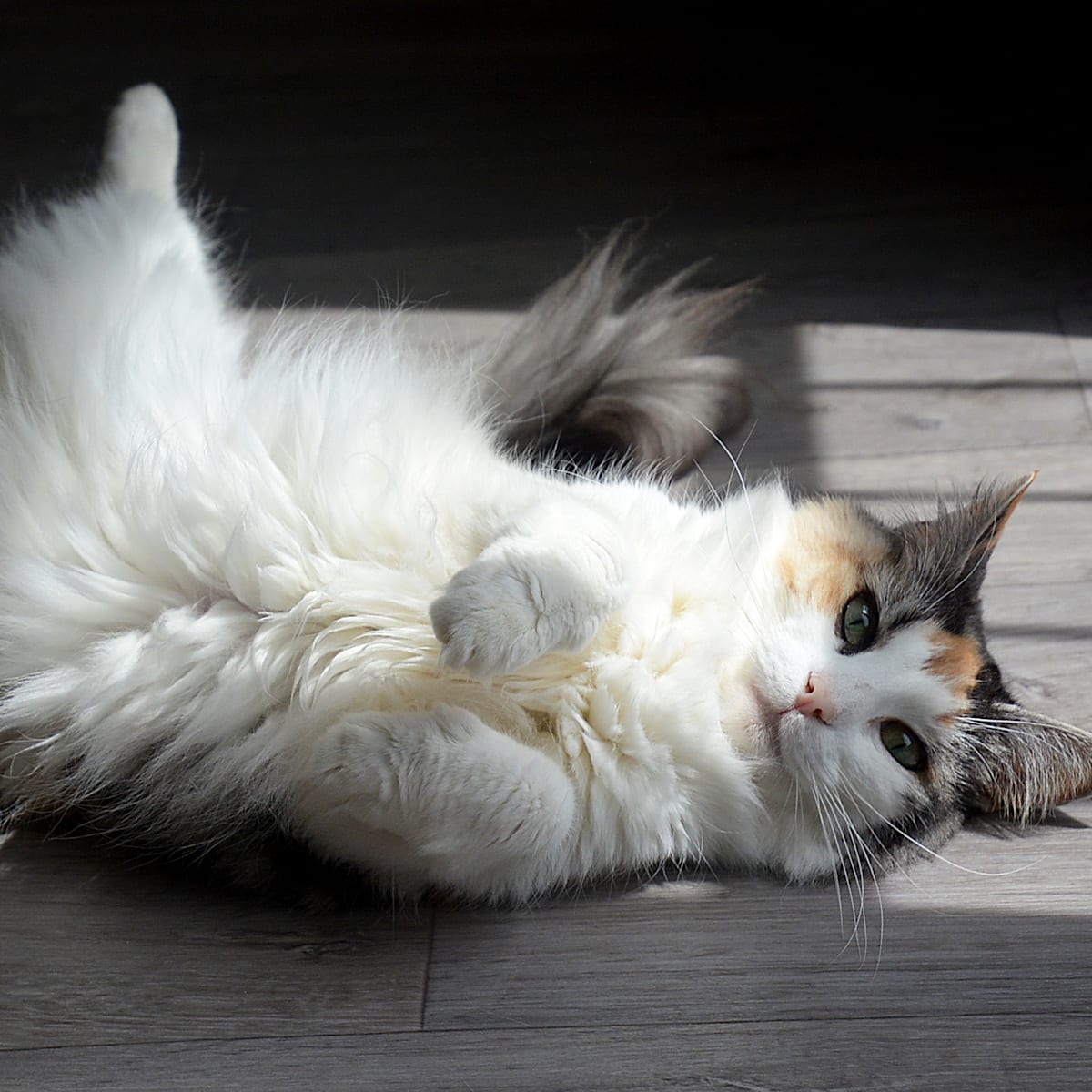
When your cat feels too hot, they may seek out cool surfaces like tile floors or shaded areas. You might notice them stretching out more to expose their belly, which helps release heat. On the flip side, a cat that’s too cold often curls up tightly, tucking in their paws and tail to conserve warmth.
Look for changes in activity levels too. A hot cat might become restless or pant, which is unusual for felines. If your cat suddenly hides more or becomes lethargic, cold could be the cause. Have you noticed your cat behaving differently around temperature changes?
Physical Symptoms
Physical signs offer clear clues about your cat’s comfort. Overheating can cause rapid breathing, drooling, or even vomiting. Their ears and paws might feel warmer than usual, and their gums may appear redder.
Cold cats may shiver or have stiff muscles. Their extremities—ears, tail, paws—can feel cold to the touch. Watch for pale or bluish gums, which indicate poor circulation from the cold. If you spot these symptoms, it’s time to adjust your cat’s environment immediately.
Credit: www.mentalfloss.com
Creating A Comfortable Environment
Creating a comfortable environment for cats is key to their happiness and health. Cats enjoy cozy places that suit their natural body temperature. Adjusting your home to their comfort needs helps them relax and feel safe. Small changes can make a big difference in their daily life.
Heating Options For Cats
Cats love warmth, especially in cooler months. Provide heated beds or pads made for pets. Place these in quiet corners away from drafts. Avoid using direct heat sources like space heaters close to your cat. Warm blankets and soft cushions also create a cozy spot. These options keep cats snug without overheating.
Cooling Solutions For Warm Weather
Warm weather can make cats uncomfortable. Offer shaded areas indoors and outdoors. Use cooling mats designed for pets to lower body temperature. Keep fresh water accessible at all times. Use fans or air conditioning to circulate air gently. Avoid placing cats in direct sunlight during hot hours.
Ideal Sleeping Spots
- Soft, elevated beds near windows provide warmth and views.
- Boxes lined with blankets offer a sense of security.
- Sunny spots on the floor where cats can bask.
- Quiet corners with minimal noise and traffic.
Choose spots where your cat can retreat and relax. Change locations based on the season and your cat’s preferences. Comfortable sleeping areas support better rest and overall well-being.
Seasonal Temperature Tips
Cats feel most comfortable within certain temperature ranges that change with the seasons. Adapting your home environment to these changes helps keep your cat happy and healthy. Seasonal temperature tips help you prepare for winter and summer conditions that affect your feline friend.
Winter Care
During winter, cats need warmth to stay cozy. Keep their sleeping spots away from cold drafts. Provide soft blankets or heated pads designed for pets. Avoid placing beds near windows or doors that let in cold air.
Indoor cats may enjoy sunny spots by windows. Let them bask in natural sunlight during the day. If your home is chilly, consider room heaters but ensure they are safe and out of reach. Monitor your cat’s behavior for signs of cold, like shivering or curling tightly.
Summer Adjustments
Summer heat can stress cats. Make sure your cat has plenty of water at all times. Place water bowls in multiple locations around the house. Keep indoor areas cool by using fans or air conditioning when possible.
Provide shaded resting places to avoid direct sunlight. Avoid outdoor walks during peak heat hours. Watch for signs of heat stress, such as excessive panting or lethargy. Cooling mats or damp towels can help lower your cat’s body temperature safely.
Temperature And Cat Safety
Keeping cats safe in different temperatures is crucial for their health. Cats are sensitive to extreme heat and cold. Understanding how temperature affects cats helps prevent health problems. Proper care ensures cats stay comfortable and safe all year.
Avoiding Heatstroke
Heatstroke happens when cats get too hot. It can cause serious illness or death. Watch for signs like heavy panting, drooling, or weakness. Keep cats indoors during hot days. Provide fresh water and cool places to rest. Never leave cats in parked cars or direct sunlight.
Preventing Hypothermia
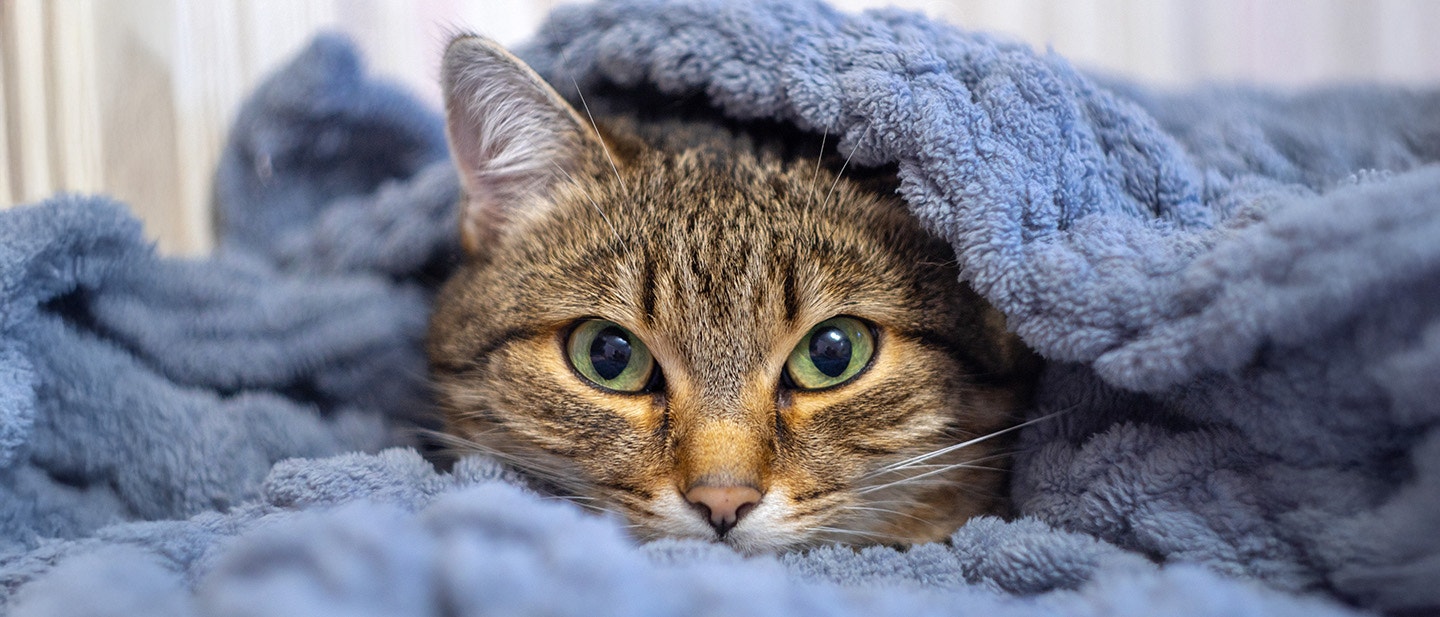
Hypothermia occurs when cats get too cold. It slows their heart rate and breathing. Signs include shivering, lethargy, and pale gums. Provide warm bedding and shelter in cold weather. Limit outdoor time during winter. Use heated pads or blankets for older or sick cats.
Credit: www.perfect-fit.co.uk
Frequently Asked Questions
What Is The Ideal Room Temperature For Cats?
Cats prefer a room temperature between 70°F and 80°F (21°C to 27°C). This range keeps them comfortable and reduces stress. Avoid sudden temperature changes to maintain their health and happiness.
How Do Cats Regulate Their Body Temperature?
Cats regulate body temperature through grooming, seeking warm or cool spots, and adjusting activity levels. They often curl up to conserve heat or stretch out to cool down.
Do Cats Like Warm Or Cool Environments?
Cats generally prefer warm environments. They seek sunny spots or cozy blankets to stay comfortable. However, extreme heat can be dangerous, so moderate warmth is best.
Can Temperature Affect A Cat’s Behavior?
Yes, temperature impacts cats’ behavior. In cold, cats may become less active and seek warmth. In heat, they may rest more and drink extra water to stay cool.
Conclusion
Cats prefer warm and cozy places to rest and feel safe. They enjoy temperatures around 75 to 85 degrees Fahrenheit. Too cold or too hot can make them uncomfortable. Watch your cat’s behavior to find their perfect spot. Giving them warm bedding helps them stay happy and healthy.
Remember, each cat is different and may like different temperatures. Keep their environment steady and comfortable for best results. A happy cat means a happy home.
