

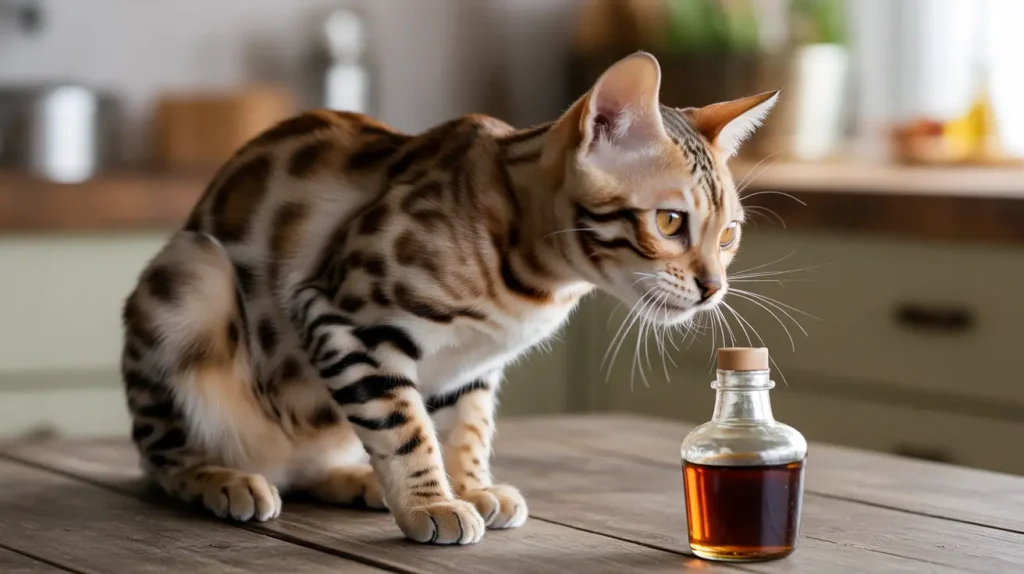
Have you ever wondered why your cat suddenly sniffs around a certain spot or rubs its face against specific things? Understanding what smells cats like can help you create a happier, more comfortable environment for your furry friend.
Whether you want to attract your cat’s attention, calm their nerves, or just make playtime more fun, knowing their favorite scents is a game-changer. Keep reading, and you’ll discover the surprising smells that cats love—and how you can use them to strengthen your bond.

Credit: www.petscare.com
Cat Scent Preferences
Cats enjoy scents like catnip, silver vine, and valerian root. These smells can make them feel happy and relaxed. Citrus and strong spices, on the other hand, often repel them.
Cats have an exceptional sense of smell, much more developed than that of humans. This heightened olfactory ability significantly influences their behavior and preferences. Understanding what scents your feline friend is drawn to can enhance their environment and strengthen your bond.Why Cats Respond To Scents
Cats rely heavily on their sense of smell to interact with their surroundings. The scents they encounter can evoke a range of responses, from contentment to curiosity. For instance, the smell of catnip can turn a lazy afternoon into a playful frenzy. Certain scents, like those found in their food, can trigger positive associations and memories. Have you ever noticed your cat’s excitement when you open a can of their favorite tuna? It’s the aroma that first captures their attention.Role Of Smell In Cat Behavior
Smell plays a crucial role in how cats communicate and behave. They use scent to mark their territory, often through rubbing or scratching, leaving behind pheromones. This territorial marking helps cats feel secure and at home. Cats also use smell to identify friends and foes. A familiar scent can signify safety and familiarity, while an unfamiliar one might prompt caution or investigation. Does your cat ever sniff your clothes after you’ve been out? They’re gathering information about where you’ve been and who you’ve met. Understanding your cat’s scent preferences can help you create a comforting and stimulating environment for them. Adding familiar and pleasant smells can make your home a haven for your feline companion. What scents does your cat love?
Credit: us.feliway.com
Herbal Scents Cats Love
Herbal scents have a unique way of capturing your cat’s attention. These natural aromas stimulate their senses, often leading to playful, relaxed, or curious behavior. Understanding which herbs your cat loves can help you create a happier and more engaging environment for them.
Catnip And Its Effects
Catnip is probably the most famous herb that cats adore. Its active compound, nepetalactone, triggers a temporary euphoric reaction in many cats, causing them to roll, rub, and play energetically.
Not every cat reacts to catnip, though; sensitivity is genetic. If your cat responds, try sprinkling dried catnip on their toys or scratching posts to encourage activity and reduce boredom.
Valerian Root Attraction
Valerian root has a strong, musky smell that some cats find irresistible. Unlike catnip, valerian can produce a calming effect or stimulate playful behavior, depending on your cat’s personality.
You can offer valerian root as dried bits or in a stuffed toy. Observe your cat’s reaction carefully to decide if this scent is a positive addition to their environment.
Silver Vine Appeal
Silver vine is a lesser-known but powerful alternative to catnip. It contains two compounds—actinidine and dihydroactinidiolide—that attract a wider range of cats, including those that don’t respond to catnip.
Many cat owners notice their pets showing more intense and longer-lasting reactions to silver vine. Try offering silver vine in powder form or as part of a toy to see if your cat prefers this scent over others.
Fruity And Floral Aromas
Cats have a keen sense of smell that guides their preferences. Fruity and floral aromas often capture their attention. These scents can evoke curiosity and calmness in cats. Understanding which fruity and floral smells cats like helps create a pleasant environment for them.
Citrus Scents That Attract
Citrus scents might surprise you. Some cats enjoy mild citrus smells such as orange and mandarin. These scents are fresh and sweet, making cats curious rather than scared.
- Orange peel can stimulate playful behavior.
- Mandarin scent often calms anxious cats.
- Use citrus sprays sparingly to avoid overwhelming them.
Lavender And Chamomile
Lavender and chamomile have soothing effects on cats. These floral aromas can help reduce stress and promote relaxation. Many cat owners use these scents near resting areas.
- Lavender scent may ease nervousness in cats.
- Chamomile creates a cozy and peaceful space.
- Use essential oils carefully; always dilute and monitor your cat’s reaction.
Unusual Natural Scents
Cats are often drawn to scents that seem unusual or unexpected to us. These natural aromas can trigger curiosity and playful behavior in your feline friend. Understanding these scents can help you create a more stimulating environment for your cat.
Olive Oil And Cat Attraction
Olive oil has a surprisingly strong appeal to many cats. Its rich, fruity aroma can entice cats to rub against surfaces or even lick a small amount off your fingers. Some cat owners have noticed their pets following them around the kitchen when olive oil is nearby.
Have you ever tried gently massaging a tiny drop of olive oil into your cat’s fur? Many cats enjoy this sensory experience, which can also help keep their coat shiny and healthy. Just be sure to use extra virgin olive oil and avoid overdoing it to prevent any digestive upset.
Anise And Fennel
Anise and fennel are herbs that share a sweet, licorice-like scent attractive to cats. These plants contain compounds similar to those found in catnip, which can cause a playful or relaxed reaction. Sprinkling dried anise or fennel near your cat’s favorite spots might encourage interactive play or restful naps.
Curious about how your cat reacts? Try placing a small sachet of dried fennel in their bed or scratching area. You might see your cat rolling around or pawing at the scent, showing genuine enjoyment. These herbs offer a natural, safe way to add variety to your cat’s sensory world.
Household Scents Cats Enjoy
Cats have a unique sense of smell that guides much of their behavior and comfort in your home. Certain household scents can actually attract and soothe them, creating a calm and happy environment. Understanding which smells your cat enjoys can help you make your space more inviting for your feline friend.
Certain Essential Oils
Some essential oils are surprisingly appealing to cats, but you must be cautious as many can be harmful. Oils like valerian root, silver vine, and a tiny amount of catnip oil often catch their interest and encourage playful or relaxed behavior.
Have you noticed your cat suddenly becoming curious around a particular scent? That could be valerian, which acts as a natural stimulant. However, always use essential oils sparingly and never apply them directly to your cat’s fur or skin.
If you want to introduce essential oils, try placing a few drops on a cloth or diffuser in a well-ventilated room. Watch how your cat reacts—if they seem relaxed or playful, you’ve found a winner. If they avoid the area or show signs of discomfort, stop immediately.
Freshly Cut Grass
Freshly cut grass is another scent many cats find irresistible. It mimics the outdoor environment they instinctively enjoy and can stimulate their curiosity and playful mood.
One time, I noticed my indoor cat perk up and sniff eagerly whenever I came in with a fresh bouquet of grass or herbs from the garden. Offering small pots of cat-safe grasses indoors can give your cat a similar sensory boost.
Try placing a small patch of fresh grass near your cat’s favorite lounging spot. This natural scent can help reduce stress and even encourage gentle chewing, which aids their digestion. Would your cat appreciate a little garden indoors?
Scents Cats Avoid
Cats have a strong sense of smell that guides their behavior. Certain scents can make them uncomfortable or stressed. Understanding these smells helps keep cats happy and safe. Avoiding these odors can create a calm space for your feline friend.
Common Repellent Smells
Cats tend to avoid several strong and sharp smells. These scents can irritate their sensitive noses and cause them to stay away.
- Vinegar: Its sour smell is unpleasant to cats.
- Strong spices: Pepper, cinnamon, and cloves often repel cats.
- Cleaning products: Many have harsh chemical smells cats dislike.
- Essential oils: Some oils like eucalyptus and tea tree can be harmful and repellent.
- Ammonia: Its sharp odor mimics urine and scares cats.
Why Cats Dislike Citrus Sometimes
Citrus fruits like lemons, oranges, and limes have a strong, sour smell. This scent can overwhelm a cat’s sensitive nose. The oils in citrus peel are bitter and irritating to them. Some cats avoid citrus areas completely. Others may tolerate it but prefer to keep distance.
Using Scents To Enrich Cat Life
Using scents to enrich your cat’s life can transform everyday moments into exciting experiences. Cats rely heavily on their sense of smell to explore the world around them. By introducing safe and appealing aromas, you can boost their mental stimulation and overall happiness.
Safe Scent Toys And Products
Choosing the right scented toys is key to keeping your cat engaged without causing stress. Look for products infused with cat-friendly scents like silver vine, valerian root, or catnip. These natural aromas often trigger playful behavior and curiosity.
Avoid artificial fragrances and essential oils that can irritate your cat’s sensitive nose or cause health issues. Many pet stores offer toys specifically designed with safe scents, which you can rotate to keep your cat interested. Have you noticed how your cat reacts differently to each scent? Use this to guide your selection.
Creating A Stimulating Environment
Adding scent elements around your home encourages your cat to explore and stay active. Try placing small sachets of dried herbs or using scent diffusers made for pets in different rooms. This variety can turn ordinary spaces into intriguing scent zones.
Remember to change scents regularly to prevent boredom and keep your cat’s environment fresh. You might also combine scent with interactive playtime—sprinkle a little silver vine on a scratching post or hide scented toys in puzzle feeders. How often do you refresh your cat’s surroundings to keep them curious?
Credit: www.petscare.com
Frequently Asked Questions
What Scents Do Cats Naturally Prefer?
Cats are attracted to scents like catnip, valerian root, and silvervine. These smells stimulate their playfulness and curiosity. They enjoy mild, herbal fragrances that mimic their natural environment.
Do Cats Like Citrus Or Strong Smells?
Most cats dislike strong citrus scents like orange and lemon. These smells can deter them from certain areas. Cats prefer subtle, natural aromas over harsh chemicals or perfumes.
Can Certain Smells Calm Anxious Cats?
Yes, lavender and chamomile scents can help calm anxious cats. These mild aromas create a soothing environment. Always use pet-safe essential oils in low concentrations.
Why Do Cats Like Catnip Smell?
Catnip contains nepetalactone, which triggers a euphoric response in cats. The smell activates their playful and relaxed behavior. Not all cats respond, but many find it highly attractive.
Conclusion
Cats enjoy certain smells that calm and excite them. Scents like catnip, silvervine, and valerian root attract many cats. These smells can help keep your pet happy and relaxed. Avoid strong or harsh odors, as cats dislike them. Knowing what smells cats like helps you create a better home for them.
Try using these scents to see how your cat reacts. Your feline friend will thank you with purrs and playful moments. Simple scents can make a big difference in your cat’s life.
