

If you have an outdoor cat, you know how much freedom they enjoy exploring the world beyond your home. But with this adventure comes risks from diseases that can be harmful or even deadly.
You might be wondering, “What shots do outdoor cats need to stay safe? ” Knowing the right vaccinations can protect your furry friend and give you peace of mind. Keep reading to discover exactly which vaccines are essential for your outdoor cat’s health and why they matter so much.
Your cat’s well-being depends on it.
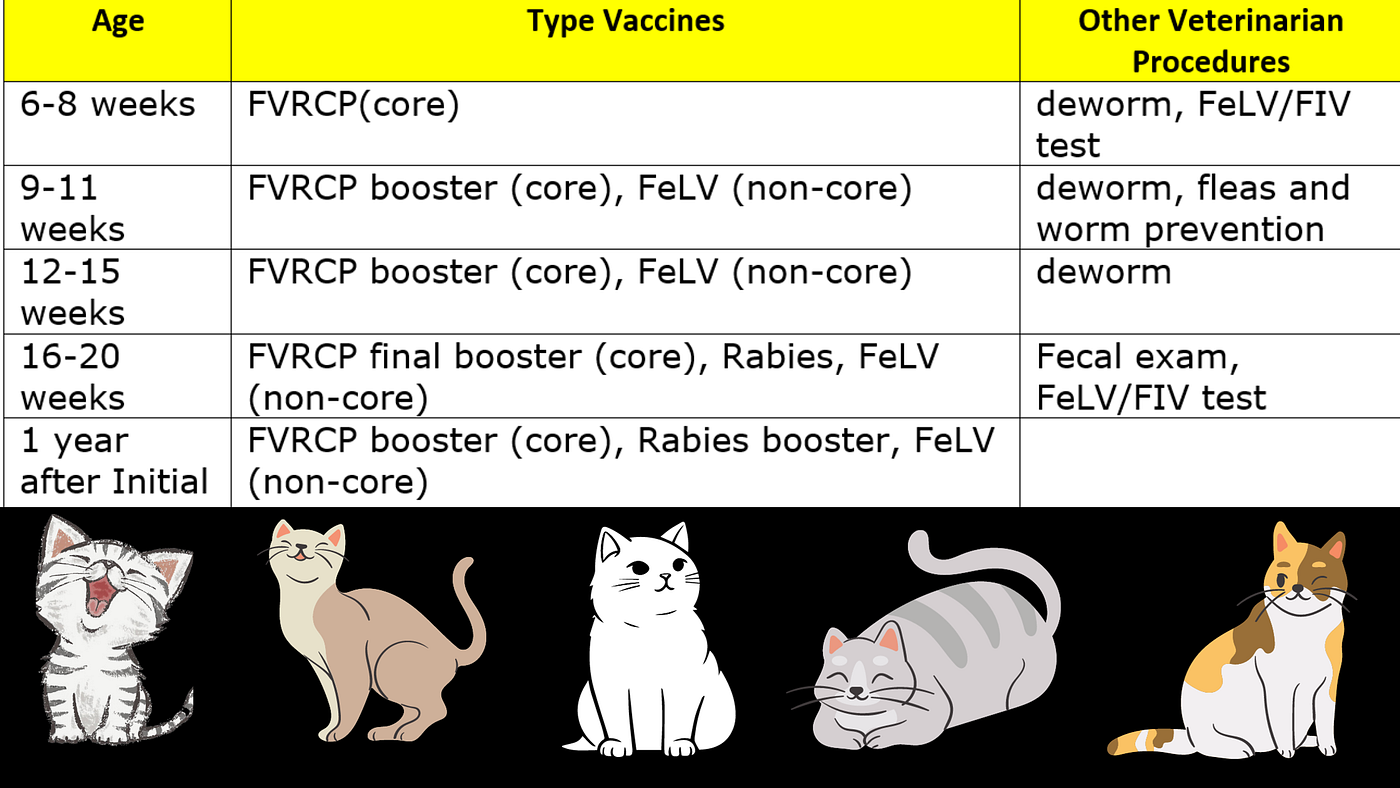
Credit: medium.com
Core Vaccines For Outdoor Cats
Outdoor cats need core vaccines to protect them from common and serious diseases. Essential shots include rabies, feline distemper, and feline herpesvirus. These vaccines help keep outdoor cats healthy and safe.
Core vaccines play a crucial role in safeguarding outdoor cats. These vaccines protect against diseases that can be life-threatening. Outdoor cats face higher risks due to exposure to other animals and environments. Ensuring they receive core vaccines is essential for their health and well-being.Rabies Vaccine
The rabies vaccine is vital for outdoor cats. Rabies is a deadly virus affecting the nervous system. Outdoor cats can encounter rabid animals easily. Vaccination helps prevent this fatal disease. It also protects humans and other pets. A rabies vaccine is legally required in many regions.Feline Viral Rhinotracheitis, Calicivirus, And Panleukopenia (fvrcp)
The FVRCP vaccine covers three major feline diseases. Feline Viral Rhinotracheitis affects the respiratory system. Calicivirus causes respiratory issues and oral ulcers. Panleukopenia, or feline distemper, is highly contagious. This vaccine is essential for outdoor cats. It shields them from these common and severe diseases.Feline Leukemia Virus (felv)
The FeLV vaccine is crucial for cats that roam outdoors. Feline Leukemia Virus weakens the immune system. It’s spread through contact with infected cats. Outdoor cats are at higher risk of exposure. Vaccination reduces the risk of infection significantly. Protect your cat from this life-threatening virus.
Credit: www.kentremovalsstorage.com.au
Non-core Vaccines To Consider
Outdoor cats face more health risks than indoor cats. Core vaccines protect against common diseases. Non-core vaccines help guard against other specific risks. These vaccines depend on your cat’s lifestyle and environment.
Consult your vet about these extra vaccines. They provide extra protection for outdoor cats exposed to other cats or wildlife. Below are important non-core vaccines to consider for your outdoor feline friend.
Bordetella
Bordetella is a bacteria causing respiratory illness in cats. It spreads easily in places with many cats. Boarding facilities and shelters are common spots for infection. Symptoms include coughing, sneezing, and nasal discharge. This vaccine helps reduce the risk of severe illness. It is especially useful for cats in group settings or frequent outdoor contact.
Chlamydia
Chlamydia felis causes eye infections in cats. It spreads through direct contact or shared items. Symptoms include red, swollen eyes and discharge. This vaccine helps prevent eye infections and discomfort. Cats with outdoor access or exposure to other cats benefit most from this vaccine.
Feline Immunodeficiency Virus (fiv)
FIV weakens a cat’s immune system. It spreads mostly through bite wounds during fights. Outdoor cats have higher risk due to territorial behavior. Vaccination can help lower the chance of infection. It does not provide complete protection but reduces severity. Discuss with your vet if FIV vaccine suits your cat’s lifestyle.
Timing And Frequency Of Vaccinations
Getting the timing and frequency of vaccinations right is essential for keeping your outdoor cat healthy. Vaccines help build protection before your cat faces real exposure to diseases. But how often you should vaccinate depends on several factors like age, lifestyle, and local risks.
Initial Vaccination Schedule
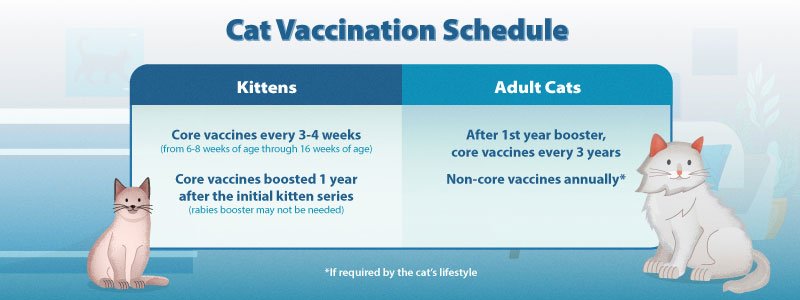
Kittens usually start their vaccines at 6 to 8 weeks old. They get a series of shots every 3 to 4 weeks until they are about 16 weeks old. This schedule helps build strong immunity as their mother’s antibodies fade away.
Your vet will recommend vaccines for core diseases such as:
- Feline Viral Rhinotracheitis
- Calicivirus
- Panleukopenia (Feline Distemper)
- Rabies
Outdoor cats may also need vaccines for diseases like feline leukemia virus (FeLV) depending on their environment. Starting early ensures your cat is protected before going outside.
Booster Shots
After the initial series, booster shots are crucial to keep immunity strong. Most cats receive a booster 1 year after their last kitten shot. This is the time to check if any additional vaccines are needed based on your cat’s lifestyle.
Failing to keep up with boosters can leave your cat vulnerable. I once missed my cat’s booster and noticed she got sick more easily. Don’t wait for signs of illness—staying ahead is safer and cheaper.
Annual Vs. Triennial Vaccines
Some vaccines require yearly boosters, while others protect your cat for up to three years. Rabies vaccines often follow local laws, which may require annual or triennial shots.
| Vaccine Type | Booster Frequency | Typical Recommendation |
|---|---|---|
| Rabies | Annual or Every 3 Years | Depends on local laws |
| FVRCP (Core vaccine) | Every 3 Years | Recommended for most outdoor cats |
| FeLV | Annual | For cats with outdoor access or exposure risks |
Ask your vet what fits your cat’s situation best. Would you rather vaccinate more often for peace of mind, or follow a longer schedule with regular health checks? Your cat’s lifestyle should guide your choice.
Risks Without Vaccination
Choosing not to vaccinate your outdoor cat puts them at serious risk. Outdoor cats encounter many threats daily, from other animals to environmental hazards. Without vaccinations, these risks can quickly turn into severe illnesses that impact your cat’s quality of life and longevity.
Common Outdoor Cat Diseases
Outdoor cats face a range of diseases that vaccination can prevent. These include:
- Feline Leukemia Virus (FeLV):A contagious virus that weakens the immune system.
- Rabies:A fatal disease spread through bites from infected animals.
- Feline Panleukopenia:Often called cat distemper, it causes severe gastrointestinal symptoms.
- Feline Viral Rhinotracheitis and Calicivirus:Respiratory infections that can be deadly, especially in kittens.
Not vaccinating leaves your cat vulnerable to these common but preventable illnesses.
Transmission Risks
Outdoor cats interact with other cats, wildlife, and the environment, increasing their exposure to infectious agents. They can pick up diseases through:
- Fighting or close contact with infected cats
- Contact with contaminated soil or surfaces
- Bites or scratches from wildlife like raccoons or bats
- Sharing food or water bowls with infected animals
Have you ever wondered how a simple scratch from a neighborhood cat could lead to serious illness? The risk is real and often underestimated.
Health Complications
When your cat catches a disease that could have been prevented, complications can be severe and costly. These include:
- Chronic respiratory problems that affect breathing
- Immune system failure leading to secondary infections
- Neurological issues caused by rabies or related diseases
- Weight loss, lethargy, and overall decline in health
Beyond the physical suffering, treating these complications often means expensive vet bills and emotional stress for you. Protecting your cat with vaccinations is a simple step that can save you from these difficult scenarios.
Additional Safety Measures For Outdoor Cats
Giving your outdoor cat the right shots is essential, but it’s only part of keeping them safe and healthy. You also need to think about other safety measures that protect your furry friend from common risks they face outside. These steps can help reduce the chances of illness and injury, ensuring your cat enjoys their outdoor adventures with fewer worries.
Parasite Control
Parasites like fleas, ticks, and worms are a constant threat to outdoor cats. They can cause discomfort and serious health problems if left untreated. Regular use of flea and tick preventatives, along with routine deworming, keeps your cat protected.
Ask your vet about the best parasite control products for your cat’s lifestyle. Some treatments last for a month, while others offer longer protection. Don’t forget to check your cat’s fur regularly for any signs of parasites—you might catch an infestation early and avoid bigger problems.
Regular Vet Checkups
Even healthy outdoor cats need regular vet visits. These checkups allow your vet to spot early signs of illness or injury that you might miss. Vaccines, blood tests, and physical exams keep your cat in top shape.
Think about scheduling a vet visit at least twice a year. If your cat spends a lot of time outside, more frequent checkups can help catch issues linked to outdoor risks. Keeping a health record makes it easier to track your cat’s well-being over time.
Safe Outdoor Environment
Creating a safe space outside can greatly reduce the dangers your cat faces. Consider fencing your yard to keep out stray animals or traffic. Providing shaded areas and fresh water helps your cat stay comfortable during hot days.
Do you know what plants grow in your garden? Some common garden plants can be toxic to cats. Removing harmful plants and keeping chemicals like pesticides out of reach protects your cat from accidental poisoning.

Credit: m.youtube.com
Frequently Asked Questions
What Vaccinations Do Outdoor Cats Need Most?
Outdoor cats need vaccines against rabies, feline leukemia, and distemper. These protect them from common diseases found outside. Regular vet visits ensure their shots stay up to date.
How Often Should Outdoor Cats Get Booster Shots?
Outdoor cats should get booster shots annually or as advised by a vet. This maintains immunity against infections they risk outdoors. Timely boosters keep cats healthy and disease-free.
Are Rabies Shots Mandatory For Outdoor Cats?
Yes, rabies shots are usually required by law for outdoor cats. Rabies is fatal and spreads through bites. Vaccinating prevents disease spread and protects your cat’s health.
Can Outdoor Cats Get Vaccinated At Home?
Some vets offer mobile vaccination services for outdoor cats. Home vaccinations are convenient and reduce stress for shy cats. Always consult your vet for safe and effective options.
Conclusion
Outdoor cats need specific shots to stay healthy and safe. Vaccines protect them from serious diseases like rabies and feline leukemia. Regular visits to the vet help keep their shots up to date. Protecting outdoor cats means protecting your home and family too.
Keep your cat’s health a top priority with proper vaccinations. Shots are simple, quick, and keep your cat happy. Don’t wait—make sure your outdoor cat gets the right vaccines today.
