

Keeping your cat healthy is one of the most important things you can do as a pet owner. But do you know which shots your cat needs every year?
Vaccinations protect your furry friend from serious diseases that can be costly and heartbreaking. If you want to make sure your cat stays happy and safe, understanding the essential yearly shots is a must. Keep reading to discover exactly what vaccines your cat needs and why they matter to your pet’s health.

Credit: southernstates.com
Core Vaccines For Cats
Cats need yearly core vaccines to protect against serious diseases like rabies, feline distemper, and respiratory infections. These shots keep cats healthy and prevent the spread of illness to other animals. Regular vaccinations are essential for every cat’s well-being.
Core vaccines are essential for a cat’s health. They protect against serious diseases. These vaccines ensure a longer, healthier life for your feline friend. Let’s explore these core vaccines in detail.Feline Viral Rhinotracheitis
Feline Viral Rhinotracheitis is a common cat disease. It affects the respiratory system. Symptoms include sneezing and nasal discharge. Vaccination reduces the risk significantly. It’s crucial for indoor and outdoor cats alike.Calicivirus
Calicivirus is another respiratory disease. It causes mouth ulcers and joint pain. Cats can catch it easily. The vaccine helps in preventing outbreaks. Regular shots keep your cat safe and healthy.Panleukopenia
Panleukopenia is a dangerous virus. It attacks rapidly dividing cells. Symptoms include vomiting and diarrhea. The disease spreads quickly among cats. Vaccination is the best defense against it. It protects your cat from severe illness.Rabies
Rabies is a fatal virus. It affects the brain and spinal cord. Cats can get it from bites. Rabies vaccines are mandatory in many areas. They protect not just cats, but humans too. Always keep your cat’s rabies shot up to date.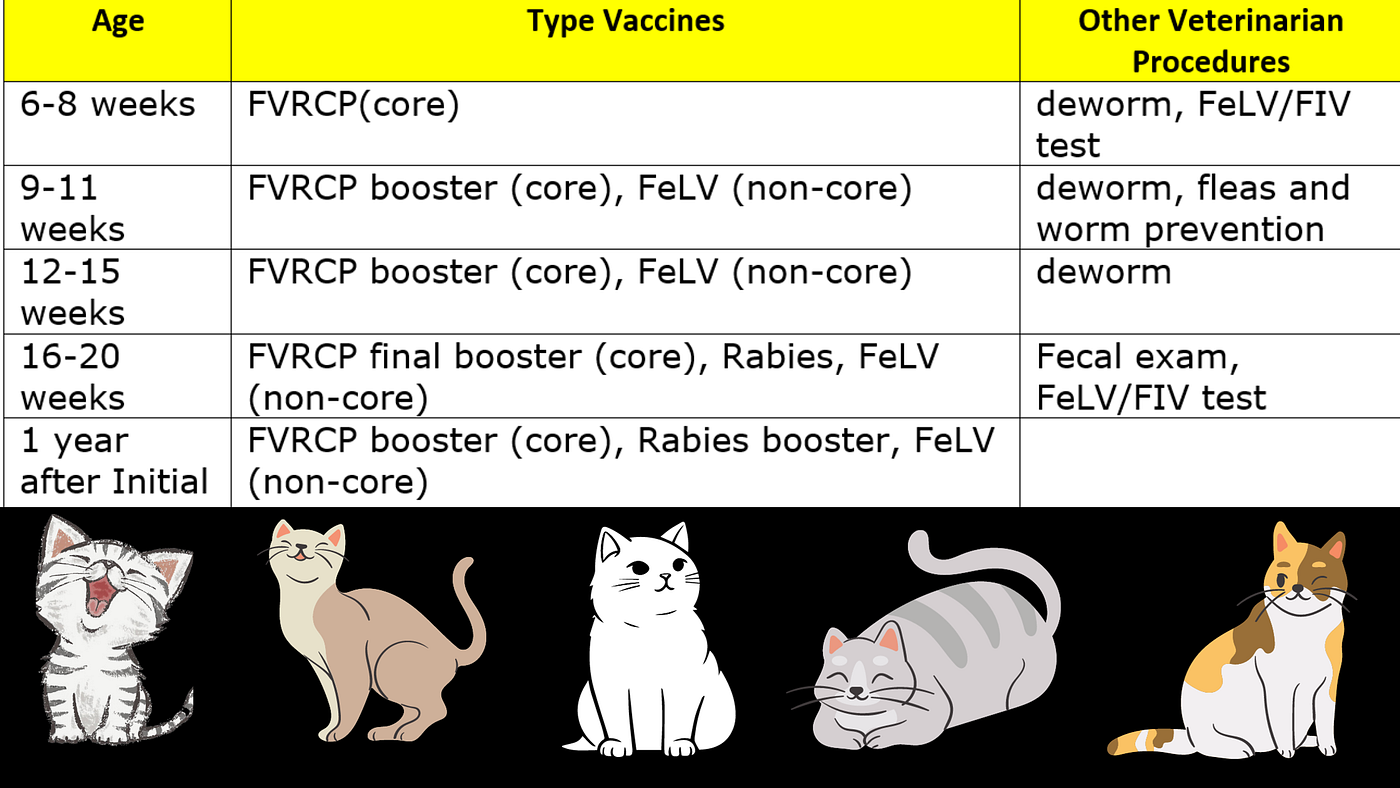
Credit: medium.com
Non-core Vaccines
Non-core vaccines are not necessary for every cat but might be important depending on your cat’s lifestyle and environment. These vaccines protect against diseases your cat may only face in certain situations, such as going outdoors or living with other cats. Deciding which non-core vaccines your cat needs often involves a conversation with your vet about risks and benefits.
Feline Leukemia Virus
Feline Leukemia Virus (FeLV) is a serious disease that weakens your cat’s immune system and can lead to cancer. Cats that go outside or live with other cats should get this vaccine yearly. Even indoor cats can be at risk if other cats visit your home, so consider your cat’s exposure carefully.
Chlamydophila Felis
This vaccine protects against a bacterial infection that causes eye problems and respiratory issues in cats. It’s especially important if your cat lives in a shelter, boarding facility, or multi-cat household. Have you noticed your cat rubbing its eyes more than usual? This vaccine might help prevent those uncomfortable symptoms.
Bordetella Bronchiseptica
Bordetella is a contagious bacteria that causes respiratory illness similar to kennel cough in dogs. Cats at risk include those in shelters, catteries, or who frequently travel to places with other animals. If your cat catches a cough or runny nose from other cats, this vaccine can reduce the severity and spread of infection.
Vaccination Schedule
Keeping your cat’s vaccinations on schedule is one of the best ways to protect them from serious diseases. The vaccination schedule varies depending on your cat’s age and health, but knowing the key milestones can help you stay on top of their needs. Are you sure your cat’s shots are up to date? Let’s break down what to expect through their life stages.
Initial Kitten Shots
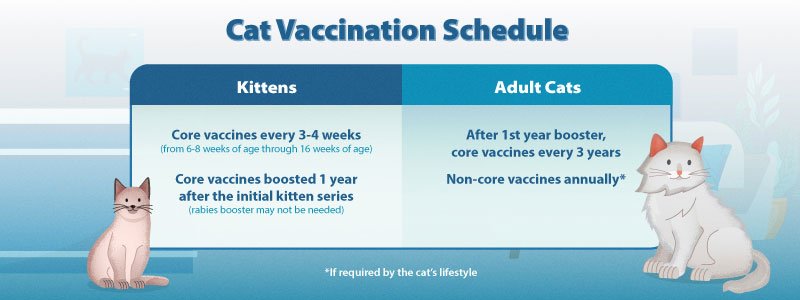
Kittens usually start their vaccinations at around 6 to 8 weeks old. During this period, they receive a series of shots spaced 3 to 4 weeks apart. These early vaccines protect against common threats like feline distemper, calicivirus, and rhinotracheitis.
It’s important to complete this series before your kitten’s immune system fully matures. Missing any doses can leave them vulnerable. Did you know that some vets recommend a rabies shot as early as 12 weeks? This depends on local laws and the risk level in your area.
Annual Booster Shots
After the initial series, your cat needs booster shots every year to maintain immunity. These boosters refresh protection against the diseases covered in the kitten shots. Your vet may also recommend additional vaccines depending on your cat’s lifestyle, such as the feline leukemia vaccine for outdoor cats.
Not all vaccines require yearly boosters; some may be given every three years. Discussing your cat’s specific risk factors with your vet helps tailor the right schedule. Have you noticed that some cats tolerate vaccines better than others? Monitoring your cat’s reaction after each shot can guide future care.
Adjusting For Adult Cats
If you adopt an adult cat with an unknown vaccine history, your vet will usually recommend a catch-up schedule. This might involve a few initial shots followed by annual boosters. Adult cats generally need fewer vaccines than kittens, but they still require protection against core diseases.
Older cats or those with health issues may need a customized vaccination plan. Your vet can balance the benefits and risks based on your cat’s condition. How often do you review your cat’s health routine with your vet? Regular check-ins ensure your cat’s vaccine schedule stays relevant.
Factors Influencing Vaccine Needs
Vaccines protect cats from many serious diseases. The type of vaccine your cat needs depends on several factors. These factors help your vet decide the best protection plan. Understanding these helps keep your cat healthy all year.
Indoor Vs Outdoor Cats
Indoor cats face fewer risks from infectious diseases. They rarely meet other animals or wildlife. Outdoor cats have more exposure to viruses and bacteria. They need vaccines for diseases common outside. Your cat’s lifestyle affects vaccine choices.
Age And Health Status
Kittens need a series of vaccines to build immunity. Adult cats require yearly boosters to maintain protection. Older cats may have weaker immune systems. Chronic illness may change vaccine timing or type. Health affects how well vaccines work.
Regional Disease Risks
Some diseases are common in certain areas. Your location influences which vaccines are necessary. Areas with many stray cats may have higher risk of infections. Talk to your vet about local disease threats. Vaccines target risks found where you live.
Vaccine Safety And Side Effects
Vaccine safety is a top concern for cat owners. Vaccines protect cats from serious diseases. Most cats handle vaccines well without problems. Understanding side effects helps you care for your cat after vaccination.
Common Reactions
- Mild swelling or redness at the injection site
- Temporary tiredness or reduced activity
- Slight fever lasting one or two days
- Loss of appetite for a short time
These reactions usually go away quickly. They show the immune system is working.
Serious Side Effects
- Severe allergic reactions like swelling of face or difficulty breathing
- Persistent vomiting or diarrhea
- High fever lasting more than two days
- Lumps that grow or do not disappear after a week
Serious side effects are rare but need prompt attention.
When To Consult A Vet
Contact your vet if your cat shows any serious side effects. Also, see a vet if common reactions last longer than two days. Immediate vet care is crucial for breathing problems or severe swelling. Keep your vet’s contact information handy after vaccination.
Benefits Of Regular Vaccination
Regular vaccination protects cats from serious diseases. It boosts their immune system to fight infections. Keeping up with shots ensures cats stay healthy throughout the year. Vaccines reduce the risk of illness and help maintain overall well-being.
Disease Prevention
Vaccines guard cats against deadly diseases like rabies and feline distemper. They stop infections before they start. Preventing disease means fewer vet visits and less suffering for your cat. Vaccination lowers the chance of outbreaks in shelters and homes.
Community Health
Vaccinating cats helps protect other animals too. It reduces the spread of contagious diseases in neighborhoods. Healthy cats mean fewer health risks for wildlife and pets nearby. Community vaccination keeps the environment safer for everyone.
Longevity And Quality Of Life
Vaccinated cats tend to live longer, healthier lives. Avoiding diseases means more happy years with your pet. Vaccines help cats stay active and playful. Regular shots support a strong immune system and better overall health.
Credit: image.petmd.com
Frequently Asked Questions
What Yearly Shots Do Cats Need For Protection?
Cats need yearly vaccines like rabies, FVRCP, and FeLV to stay protected. These shots prevent common and deadly diseases, keeping your cat healthy and safe.
Why Is The Rabies Vaccine Important For Cats?
Rabies vaccine is crucial as rabies is fatal and contagious. Yearly vaccination protects your cat and prevents spreading this deadly virus to humans and other animals.
How Often Should Indoor Cats Get Vaccinations?
Indoor cats should get yearly vaccinations too. Even indoor cats can catch diseases through contact with other pets or pests, so regular shots are essential.
Are Felv Vaccines Necessary Every Year For Cats?
FeLV vaccine is recommended yearly for cats at risk, especially outdoor or multi-cat households. It protects against feline leukemia, a serious and often fatal disease.
Conclusion
Keeping your cat’s shots up to date protects them from serious diseases. Yearly vaccines help maintain their health and happiness. Talk to your vet about which shots your cat needs every year. Staying on schedule with vaccinations is an easy way to keep your pet safe.
Healthy cats mean happy homes. Don’t skip these important yearly visits. Prevention is better than treatment. Your cat will thank you with many more playful years.
