

You want to keep your cat healthy and safe all year long. But do you know which shots your cat needs every year?
Vaccinations protect your furry friend from serious diseases that can be costly and heartbreaking. Missing even one important vaccine can put your cat at risk. You’ll discover the essential yearly shots your cat needs to stay strong and happy. Keep reading to learn how to give your cat the best care possible.
Credit: www.goodrx.com
Core Vaccines For Cats
Your cat’s health depends heavily on certain vaccinations that protect against serious diseases. Core vaccines are essential shots every cat should receive yearly to maintain strong immunity. These vaccines target the most common and dangerous infections cats face.
Feline Viral Rhinotracheitis
This vaccine protects your cat from a highly contagious respiratory infection caused by the feline herpesvirus. Symptoms include sneezing, eye discharge, and nasal congestion, which can lead to severe complications if untreated.
Vaccinating helps prevent outbreaks in multi-cat homes and shelters. Have you noticed how quickly a cat with cold-like symptoms spreads it to others? This vaccine is your best defense.
Calicivirus Protection
Calicivirus causes oral ulcers, sneezing, and sometimes pneumonia in cats. It spreads easily through direct contact or contaminated surfaces, making vaccination crucial for all cats.
Even indoor cats are at risk since the virus can hitch a ride on your clothes or shoes. Keeping your cat vaccinated means fewer vet visits and less suffering from painful infections.
Panleukopenia Prevention
Also known as feline distemper, panleukopenia is a fatal disease that attacks a cat’s immune system and intestines. The vaccine is highly effective and has saved countless lives.
Imagine losing a healthy kitten to this disease because they missed their yearly shot. Staying on schedule with this vaccine protects your cat from a deadly threat.
Rabies Immunization
Rabies is a fatal disease that affects the nervous system and can transmit to humans. Most places legally require cats to be vaccinated against rabies every year or three years.
This vaccine not only protects your cat but also keeps your family safe. Have you checked your local laws about rabies vaccinations for pets?
Credit: image.petmd.com
Non-core Vaccines
Non-core vaccines protect cats from diseases they might meet based on lifestyle and environment. These vaccines are not needed for every cat but are vital for some. Your vet decides which non-core shots your cat needs.
Feline Leukemia Virus
Feline Leukemia Virus (FeLV) spreads through close contact with other cats. It can cause serious illness and weaken the immune system. Cats that go outside or live with other cats should get this vaccine yearly.
Bordetella
Bordetella causes respiratory infections in cats. It spreads quickly in places where many cats stay together. Boarding cats, shelter cats, or those in multi-cat homes may need this vaccine every year.
Chlamydia
Chlamydia is a bacterial infection that affects a cat’s eyes and respiratory system. It spreads easily among cats in close contact. Cats in shelters or catteries might require this yearly vaccine.
Feline Immunodeficiency Virus
Feline Immunodeficiency Virus (FIV) weakens a cat’s immune system. It spreads mainly through bite wounds from other cats. Cats that fight or roam outdoors may benefit from this vaccine annually.
Vaccine Schedules And Boosters
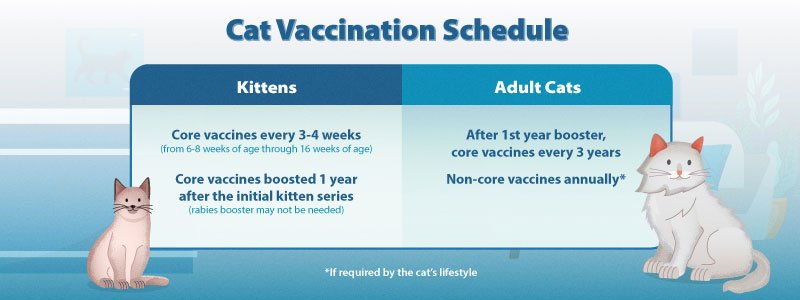
Vaccines protect cats from serious diseases. Following a proper vaccine schedule keeps cats healthy. Both kittens and adult cats need specific vaccines at set times. Boosters help maintain immunity over time. Understanding these schedules helps you care for your pet better.
Kitten Vaccination Timeline
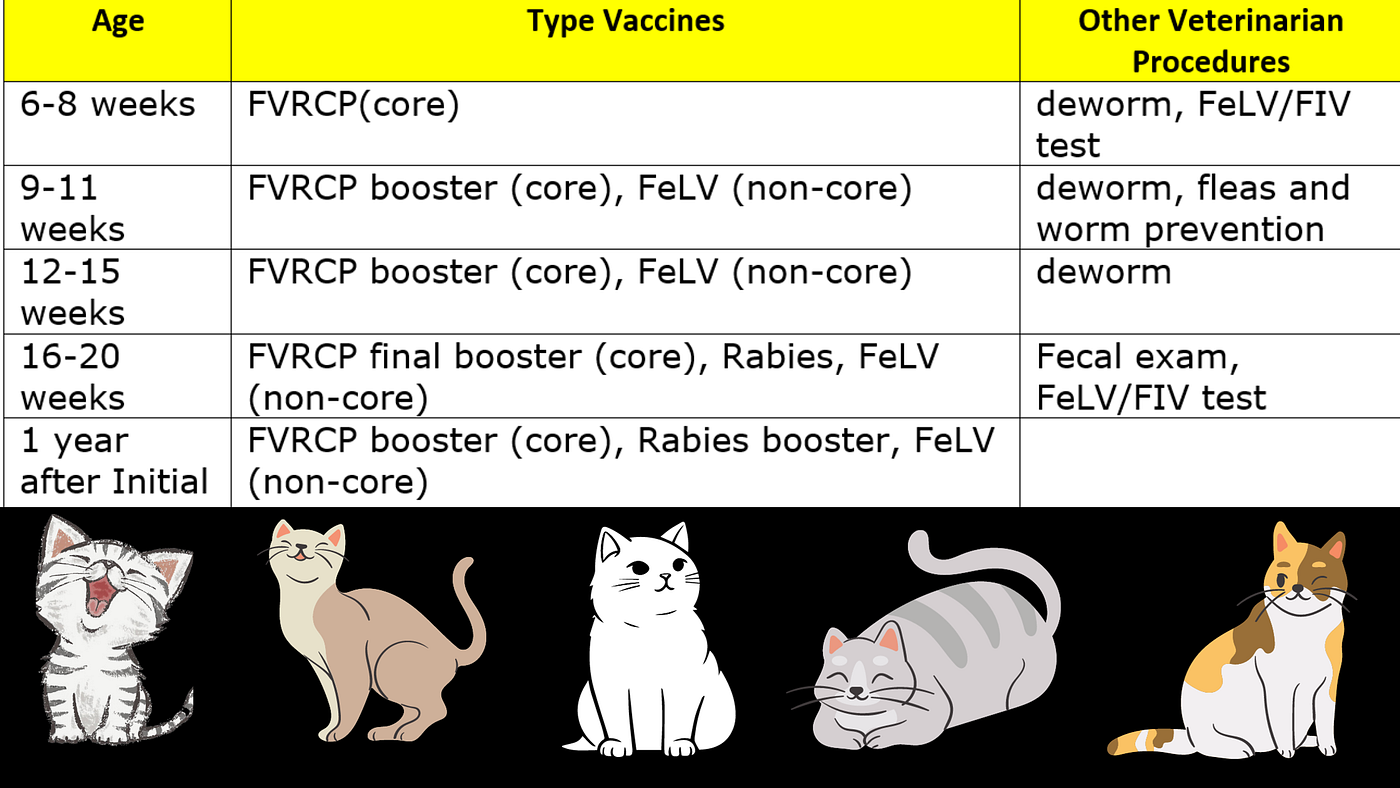
Kittens need a series of vaccines starting at six to eight weeks old. They receive shots every three to four weeks until about 16 weeks old. Core vaccines include:
- Feline distemper (panleukopenia)
- Feline calicivirus
- Feline herpesvirus (rhinotracheitis)
- Rabies (usually given at 12 weeks or older)
This schedule helps build strong immunity early in life. Your vet may add other vaccines based on risk and lifestyle.
Adult Cat Boosters
Adult cats need booster shots to keep protection strong. Most core vaccines require boosters every one to three years. Rabies boosters follow local laws and may be yearly or triennial. Some cats need vaccines for feline leukemia virus (FeLV) or other diseases. Your vet will recommend a booster plan based on your cat’s health and risks.
Factors Influencing Vaccine Choices
Choosing the right vaccines for your cat depends on several important factors. Each cat’s lifestyle, location, and health status affect which shots are necessary. Tailoring vaccines helps protect cats from common and serious illnesses. Understanding these factors ensures your cat gets proper care every year.
Indoor Vs. Outdoor Cats
Indoor cats face fewer risks from infectious diseases. They rarely encounter other animals or the outdoors. Vaccines for indoor cats often focus on core diseases like feline distemper and rabies.
Outdoor cats have higher exposure to viruses and parasites. They may need extra vaccines against diseases caught from other animals. Outdoor cats benefit from broader vaccine protection to stay healthy.
Regional Disease Prevalence
Some diseases are more common in certain areas. Your vet considers local risks before recommending vaccines. For example, feline leukemia vaccine is essential in regions with many infected cats.
Ticks and mosquitoes spread other illnesses in specific climates. Vaccines can help prevent these diseases. Awareness of regional threats guides vaccine choices for your cat.
Age And Health Considerations
Kittens need a series of vaccines to build strong immunity. Adult cats require boosters to maintain protection. Older cats or those with health issues may need adjusted vaccine plans.
Vaccination timing and selection depend on your cat’s age and health. Your vet customizes shots to avoid side effects and ensure safety. Healthy cats respond better to vaccines and stay protected longer.
Potential Vaccine Side Effects
Vaccines are important to protect your cat from many diseases. Like any medicine, vaccines can cause side effects. These reactions are usually mild and go away quickly. Knowing what to expect helps you care for your cat better after vaccination.
Common Mild Reactions
- Swelling or soreness at the injection site
- Mild fever lasting a day or two
- Reduced appetite or slight tiredness
- Sneezing or mild nasal discharge after nasal vaccines
- Small lump under the skin that fades in a few weeks
These reactions are normal signs that your cat’s immune system is working. Usually, no treatment is needed. Keep your cat comfortable and watch for changes.
Serious Adverse Effects
- Severe allergic reaction causing swelling of the face or difficulty breathing
- High fever that lasts more than two days
- Persistent vomiting or diarrhea
- Sudden weakness or collapse
- Large, painful lumps that grow instead of shrinking
Serious effects are rare but need immediate veterinary care. Contact your vet right away if you see these signs. Early treatment can prevent complications and keep your cat safe.
Credit: medium.com
Consulting Your Veterinarian
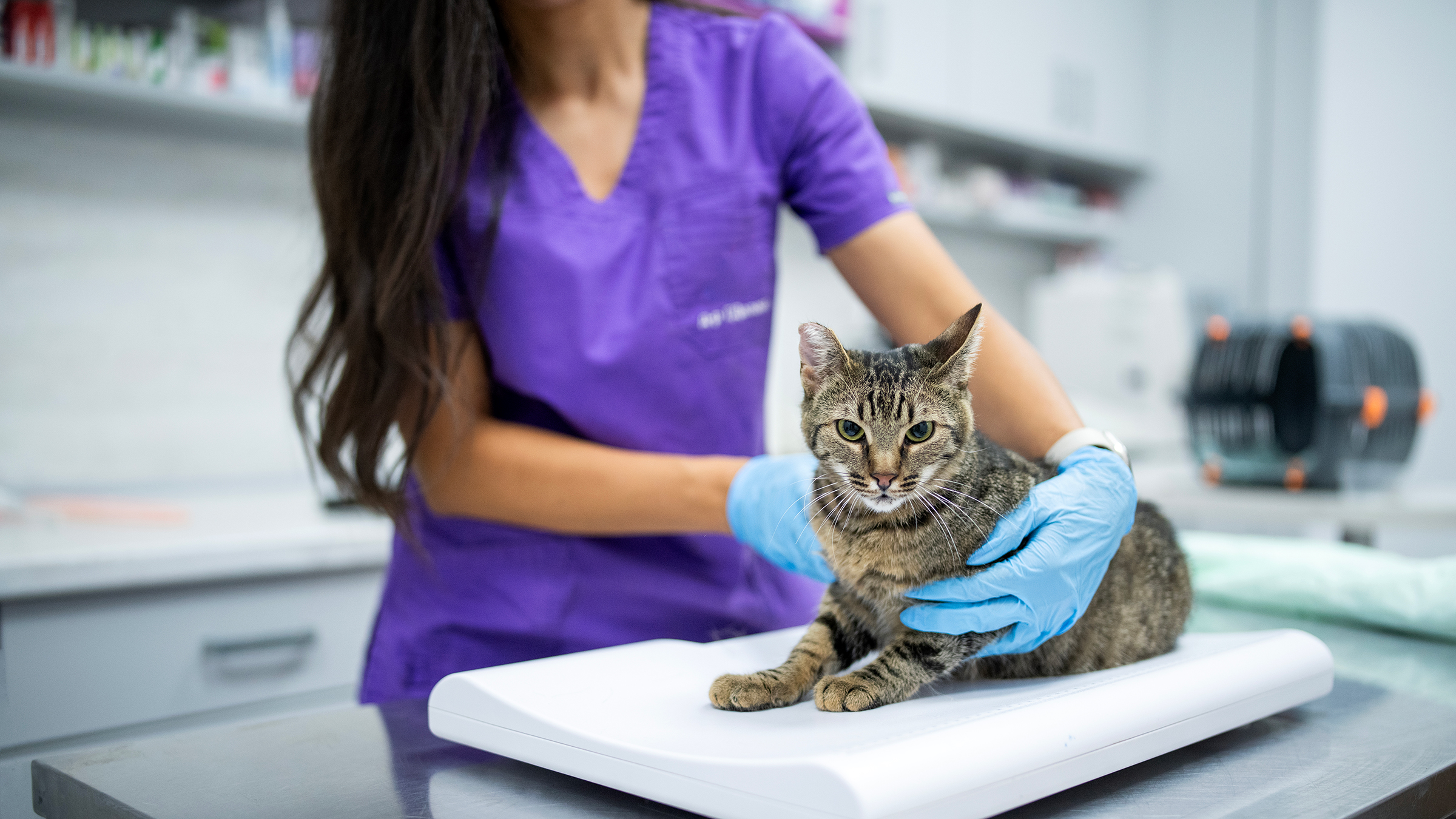
Consulting your veterinarian is essential for your cat’s yearly vaccinations. Each cat has unique health needs and risks. A vet can help create the best vaccination plan. Regular checkups keep your cat safe from serious diseases.
Your vet knows about local health risks and vaccine updates. They will recommend vaccines based on your cat’s age, lifestyle, and health. This personalized care ensures your cat gets the right protection.
Tailored Vaccination Plans
Your veterinarian builds a vaccination schedule just for your cat. Indoor cats might need different vaccines than outdoor cats. Cats with health problems may need special care. The plan balances protection and safety for your pet.
This plan may include core vaccines like:
- Rabies
- Feline Herpesvirus
- Feline Calicivirus
- Panleukopenia
Non-core vaccines depend on your cat’s lifestyle and risks. Your vet can explain which shots are necessary each year.
Addressing Concerns And Questions
Veterinarians answer all your questions about vaccines. You can discuss fears about side effects or vaccine frequency. Your vet will explain vaccine benefits and possible risks clearly.
They also provide advice on how to prepare your cat for shots. This helps reduce stress for both you and your pet. Trust your veterinarian’s guidance to keep your cat healthy and happy.
Frequently Asked Questions
What Shots Do Cats Need Every Year?
Cats need annual vaccines like rabies, FVRCP, and sometimes FeLV. These protect against serious diseases and keep your cat healthy.
Why Is The Rabies Vaccine Important For Cats?
Rabies vaccine prevents a fatal virus that affects the brain. It’s often required by law and protects both cats and humans.
When Should Indoor Cats Get Vaccinated?
Indoor cats should get yearly vaccines to prevent diseases from accidental exposure. Vaccination ensures their ongoing immunity and health.
Are Felv Shots Necessary For All Cats?
FeLV vaccine is crucial for outdoor or high-risk cats. Indoor cats may not need it unless recommended by a vet.
Conclusion
Keeping your cat’s vaccinations up to date protects their health. Annual shots help prevent serious diseases. Talk with your vet about which vaccines your cat needs. Regular check-ups ensure your cat stays safe and strong. Healthy cats live longer, happier lives.
Don’t skip the yearly visits—vaccines are a simple step. Protect your furry friend with the right shots every year. It’s a small effort for big peace of mind.
