

If you let your cat explore the outdoors, you want to keep them safe and healthy. But do you know which shots your cat really needs before stepping outside?
Missing the right vaccines can put your furry friend at risk of serious diseases. You’ll discover exactly what shots your cat needs to stay protected when they roam outside. Knowing this can give you peace of mind and keep your cat happy and healthy for many adventures to come.
Keep reading to learn what every outdoor cat owner must know!

Credit: millsanimalhospital.com
Core Vaccinations For Outdoor Cats
Outdoor cats face a variety of health risks that indoor cats rarely encounter. Core vaccinations protect your feline friend from serious diseases that can spread quickly in outdoor environments. Making sure your cat is up to date on these vaccines is crucial for their safety and well-being.
Rabies Vaccine
The rabies vaccine is essential for any cat that ventures outside. Rabies is a fatal disease that affects the nervous system and can be transmitted to humans and other animals. Most states and countries legally require this vaccine, so it’s not only about protection but also compliance.
Remember, even a friendly neighborhood cat can encounter wild animals carrying rabies. Keeping your cat vaccinated reduces the risk of this deadly disease.
Feline Distemper Vaccine
Feline distemper, also known as panleukopenia, is a highly contagious viral disease that affects cats outdoors. It attacks the immune system and can be fatal, especially in kittens. The vaccine helps build immunity and prevents outbreaks in your community.
If you’ve seen a stray cat suffering from sudden weight loss and lethargy, it might have been distemper. Vaccinating your cat stops this cycle and protects others too.
Feline Herpesvirus Vaccine
Feline herpesvirus causes respiratory infections and eye problems in cats. Outdoor cats are exposed to this virus through contact with other cats or contaminated environments. The vaccine doesn’t completely prevent infection but reduces the severity and spread.
Think about how often cats meet and greet outdoors—each interaction can be a chance for infection. Protecting your cat with this vaccine helps keep those encounters safer.
Feline Calicivirus Vaccine
Feline calicivirus is another common cause of respiratory illness in cats. It spreads quickly in places where cats gather, like parks or alleys. The vaccine lowers the risk of severe symptoms like mouth ulcers and pneumonia.
Does your cat enjoy roaming in areas with other strays? This vaccine adds an important layer of defense against infections they might pick up.

Credit: m.youtube.com
Non-core Vaccinations
Non-core vaccinations are not required for every cat but become important if your feline friend spends time outdoors or interacts with other cats. These vaccines protect against diseases that are more common in certain environments or lifestyles. Deciding which non-core shots your cat needs depends on their risk of exposure and your vet’s advice.
Feline Leukemia Virus (felv) Vaccine
FeLV is a serious virus that spreads through close contact like grooming or fighting. Outdoor cats face a higher risk since they meet other cats more often. The FeLV vaccine can protect your cat from this virus, which can cause cancer and immune system problems.
If your cat roams outside or spends time with unknown cats, ask your vet about this vaccine. It’s especially important for younger cats or those new to the outdoors.
Feline Immunodeficiency Virus (fiv) Vaccine
FIV weakens a cat’s immune system, making them vulnerable to other infections. This virus spreads mainly through bite wounds, which outdoor cats are more likely to get. The FIV vaccine can reduce the risk, but it’s not 100% effective, so caution is still needed.
Consider the FIV vaccine if your cat is a frequent wanderer or lives in an area with many stray cats. Keeping your cat indoors or supervised outside can also lower the risk.
Chlamydia Vaccine
Chlamydia is a bacterial infection that causes eye discharge and respiratory issues. It spreads quickly in places where cats live close together, like shelters or multi-cat households. If your outdoor cat visits such environments, this vaccine can help prevent outbreaks.
Talk to your vet if your cat shows signs of eye problems or if they interact with other cats regularly. The vaccine can reduce symptoms but may not completely stop infection.
Bordetella Vaccine
Bordetella bronchiseptica causes respiratory infections similar to a cold. It’s common in crowded places where cats breathe the same air. Outdoor cats that visit groomers or boarding facilities might benefit from this vaccine.
Does your cat encounter many other animals outside? The Bordetella vaccine could help keep their breathing clear and avoid nasty coughs and sneezes.
Vaccination Schedule For Cats
Keeping your cat safe outdoors means sticking to a strict vaccination schedule. Knowing when your cat needs shots protects them from serious diseases. It also gives you peace of mind as they explore outside.
Initial Vaccination Timeline
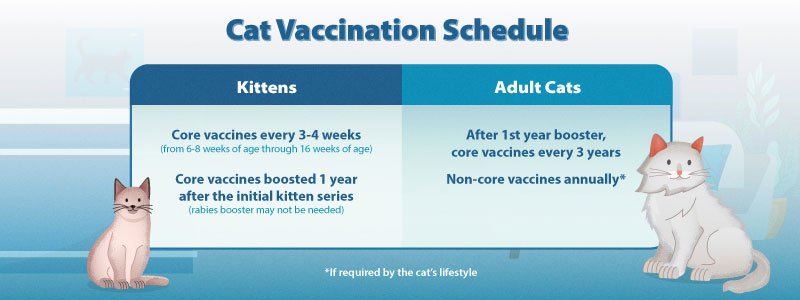
Kittens usually start their vaccinations at 6 to 8 weeks old. The first round typically includes shots for:
- Feline distemper (panleukopenia)
- Feline herpesvirus
- Calicivirus
- Rabies (depending on local laws)
After the first shots, your vet will schedule follow-ups every 3 to 4 weeks until the kitten is about 16 weeks old. This ensures their immune system builds strong protection before going outside. Missing these early shots can leave your kitten vulnerable to dangerous illnesses.
Booster Shot Schedule
Once your cat finishes the initial series, boosters come next. These are usually given one year after the last kitten vaccine. After that, boosters are typically needed every 1 to 3 years, depending on your vet’s advice and the vaccine type.
Rabies boosters often follow a strict timeline set by local laws. Core vaccines like distemper and herpesvirus might last longer but still need regular updates. Have you marked these dates on your calendar? Staying on top of boosters is key to keeping your cat healthy outdoors.

Credit: www.petmd.com
Preparing Cats For Outdoor Exploration
Getting your cat ready to roam outside safely takes more than just opening the door. You need to ensure their health is in top shape and protect them from parasites they might encounter outdoors. Preparing your cat properly helps you enjoy peace of mind and keeps your feline friend happy and healthy during their outdoor adventures.
Health Check-ups
Before letting your cat explore outside, schedule a thorough health check-up. This visit allows the vet to spot any underlying health issues that could worsen with outdoor exposure. Regular check-ups also ensure your cat’s vaccinations are up to date, which is crucial to prevent common diseases.
Think about your own health routines—would you go hiking without a quick doctor’s check? Your cat needs the same care. Keep track of vaccination schedules, and never skip yearly wellness exams to catch potential problems early.
Parasite Prevention
Outdoor cats face a higher risk of fleas, ticks, and worms. These parasites don’t just cause discomfort; they can lead to serious illnesses. Using vet-recommended flea and tick preventatives is essential before your cat steps outside.
Worm treatments should also be part of your cat’s routine. Parasites can hide in soil or other animals, making outdoor exposure a risk. Ask your vet about the best parasite control products and how often to use them.
Have you noticed your cat scratching more or showing unusual behavior? It could signal a parasite problem. Acting fast protects your cat and prevents parasites from spreading in your home.
Potential Side Effects Of Vaccines
Vaccines help protect cats from serious diseases, especially when they go outside. While vaccines are generally safe, they can cause side effects. Knowing these effects helps cat owners care better for their pets after vaccination.
Common Reactions
Most cats experience mild reactions after vaccines. These reactions usually go away within a day or two. Common signs include:
- Soreness or swelling at the injection site
- Mild fever
- Sleepiness or tiredness
- Loss of appetite
- Sneezing or coughing if given nasal vaccines
These symptoms show the cat’s immune system is responding to the vaccine. Usually, they do not require treatment.
When To Consult A Veterinarian
Some reactions need immediate veterinary attention. These include:
- Severe swelling or lumps that grow quickly
- Difficulty breathing or wheezing
- Vomiting or diarrhea lasting more than a day
- Seizures or collapse
- High fever over 104°F (40°C)
Contact a vet right away if any of these symptoms appear. Early care helps prevent serious problems.
Importance Of Regular Vet Visits
Regular vet visits are essential for any cat that spends time outdoors. These visits help catch health issues early and ensure your cat’s vaccinations stay current. By staying proactive, you protect your furry friend from diseases and unexpected health problems.
Monitoring Health Changes
During vet visits, subtle changes in your cat’s health can be spotted quickly. Cats often hide signs of illness, so a vet’s trained eye is crucial. You might not notice a slight limp or weight loss, but your vet will.
Early detection means treatments can start before problems worsen. Have you ever thought about how often your cat’s behavior changes without you realizing it? Regular check-ups help you stay ahead of those hidden issues.
Updating Vaccinations
Outdoor cats face higher risks of catching contagious diseases. Vaccinations protect them against threats like rabies, feline leukemia, and respiratory infections. Your vet will recommend the right shots based on your cat’s lifestyle and local risks.
Keeping vaccinations up to date is not just about protection—it’s about peace of mind. Imagine your cat exploring outside, and you know they’re shielded from serious illnesses. That confidence comes from consistent vet care and timely vaccinations.
Frequently Asked Questions
What Core Vaccines Do Outdoor Cats Need?
Outdoor cats need core vaccines like rabies, feline distemper, and calicivirus. These protect against common, deadly diseases.
How Often Should Outdoor Cats Get Booster Shots?
Outdoor cats should get booster shots yearly or as your vet recommends. This keeps their immunity strong.
Are Flea And Tick Vaccines Necessary For Outdoor Cats?
Yes, flea and tick vaccines help prevent parasites common outside. They reduce risks of infections and discomfort.
Can Unvaccinated Cats Go Outside Safely?
Unvaccinated cats face high risks of infections and diseases outdoors. Vaccination is essential for safe outdoor activity.
Conclusion
Vaccinating your cat before going outside keeps them safe and healthy. Core shots protect against serious diseases. Talk to your vet about your cat’s lifestyle and risks. Staying on schedule with vaccinations helps prevent illness. Healthy cats enjoy outdoor time more.
Protect your furry friend with the right shots. It’s a small step that makes a big difference. Keep your cat happy and safe every day.
