

Are you a cat owner wondering which shots your furry friend truly needs? Keeping your cat healthy starts with the right vaccinations.
But with so many options out there, it can feel overwhelming to know what’s essential and what’s not. You’ll discover the must-have shots that protect your cat from serious diseases. Understanding these vaccines will help you make confident decisions for your pet’s health and keep those vet visits stress-free.
Keep reading—you’ll learn exactly what your cat needs to stay safe and happy.
Core Vaccines
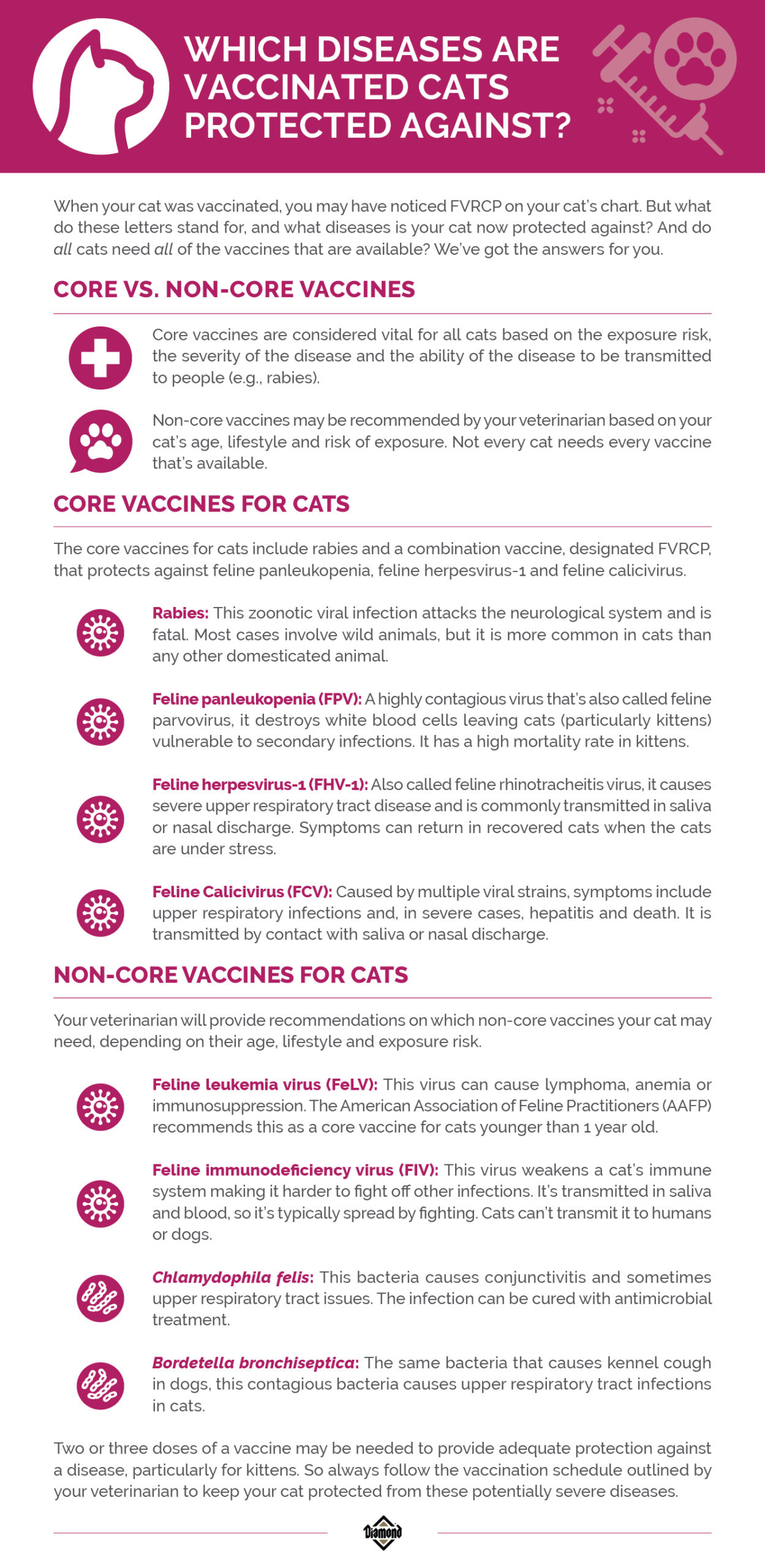
Core vaccines protect cats from serious diseases that can be life-threatening. These vaccines help build strong immunity early in life. They are essential for every cat, whether indoor or outdoor. Regular vaccination keeps your cat safe and healthy. Understanding each core vaccine helps you care better for your feline friend.
Feline Viral Rhinotracheitis
Feline viral rhinotracheitis is a common cat disease. It affects the nose, throat, and eyes. Symptoms include sneezing, runny nose, and eye discharge. This vaccine helps prevent severe respiratory infections. Vaccinated cats have fewer and milder symptoms. It reduces the chance of spreading the virus to others.
Calicivirus Protection
Calicivirus causes mouth ulcers, sneezing, and breathing problems. It spreads easily among cats through close contact. The vaccine protects cats from severe calicivirus infection. Vaccinated cats recover faster and suffer less pain. This vaccine is vital for cats in group settings or shelters.
Panleukopenia Immunization
Panleukopenia is a dangerous virus causing severe illness. It attacks the cat’s immune system and intestines. Symptoms include vomiting, diarrhea, and lethargy. This vaccine prevents infection and can save your cat’s life. Panleukopenia spreads through contact with infected feces or surfaces.
Rabies Vaccination
Rabies is a fatal disease affecting the brain and nervous system. It can spread to humans through bites or scratches. Most places legally require rabies vaccination for cats. This vaccine protects your cat and your family. It is a critical part of responsible pet ownership.
Credit: triangleanimalclinic.com
Non-core Vaccines
Non-core vaccines are not required for every cat but may be necessary depending on your cat’s lifestyle, environment, and risk factors. These vaccines protect against diseases that cats are exposed to less frequently but can still pose serious health threats.
Deciding which non-core vaccines your cat needs depends on various factors like whether they go outdoors, interact with other cats, or live in multi-cat households. Understanding these vaccines helps you make informed choices about your pet’s health.
Feline Leukemia Virus (felv)
The FeLV vaccine is important if your cat spends time outside or lives with other cats. FeLV can suppress your cat’s immune system and lead to severe illnesses, including cancer. If your cat is indoor-only and has no contact with other cats, this vaccine might not be necessary, but it’s best to discuss it with your vet.
Bordetella Vaccine
Bordetella is a contagious respiratory infection, more common in places like shelters or boarding facilities. If your cat is frequently in contact with other cats in such environments, this vaccine can help prevent coughing and sneezing outbreaks. Ask yourself: Does your cat socialize or travel often? If yes, Bordetella vaccination is worth considering.
Chlamydia Vaccination
This vaccine protects against Chlamydia felis, which causes eye infections and respiratory issues in cats. It’s usually recommended for cats in multi-cat homes or shelters where the infection can spread quickly. If your cat has had eye problems or if you notice frequent sneezing and discharge, talk to your vet about this option.
Feline Immunodeficiency Virus (fiv)
The FIV vaccine is for cats at high risk of fighting with other cats, such as outdoor males. FIV weakens the immune system over time, similar to HIV in humans. Because the vaccine can interfere with FIV testing, it’s important to weigh the risks and benefits with your vet before proceeding.
Vaccination Schedule
Understanding your cat’s vaccination schedule is crucial for keeping them healthy and protected against common diseases. Vaccines are given at specific times to build and maintain immunity. Knowing when and which shots your cat needs can save you time, money, and stress.
Kitten Vaccine Timeline
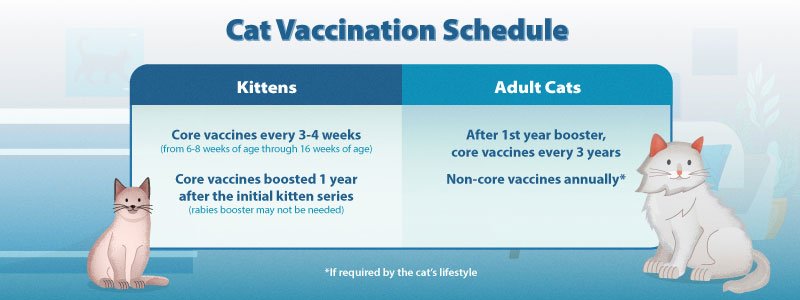
Kittens need a series of vaccines starting at about 6 to 8 weeks old. These initial shots help them build immunity while they are still vulnerable.
- 6-8 weeks:First core vaccines, including FVRCP (Feline Viral Rhinotracheitis, Calicivirus, and Panleukopenia).
- 10-12 weeks:Second round of FVRCP and possible FeLV (Feline Leukemia Virus) vaccine if your kitten is at risk.
- 14-16 weeks:Final FVRCP booster and rabies vaccine, often required by law.
Missing any of these can leave your kitten exposed. I once skipped the 10-week booster and noticed my cat became more prone to infections. Don’t let that happen to your furry friend.
Adult Cat Booster Shots
Once your cat reaches adulthood, booster shots help maintain immunity. These are usually given annually or every three years, depending on the vaccine and your vet’s advice.
- FVRCP booster:Typically every 1-3 years.
- Rabies booster:Required annually or every three years based on local laws and vaccine type.
- FeLV booster:Recommended yearly for cats at risk of exposure.
Have you noticed how some cats stay healthy with just yearly boosters, while others need more frequent shots? Your vet can help tailor the schedule based on your cat’s lifestyle and health.
Credit: www.diamondpet.com
Factors Influencing Vaccine Needs
Several factors influence which vaccines a cat needs. These factors help protect cats from diseases common to their lifestyle and environment. Understanding these can guide better vaccination choices. It also ensures cats stay healthy and safe.
Indoor Vs. Outdoor Cats
Indoor cats face fewer health risks than outdoor cats. They have less contact with other animals and fewer chances to catch diseases. Outdoor cats encounter more germs, parasites, and viruses. They often need more vaccines to protect against infections caught outside.
Regional Health Risks
Different areas have different health threats for cats. Some regions have specific viruses or parasites common in local wildlife. Vaccination plans should match these local risks. Knowing regional dangers helps choose the right vaccines to prevent illness.
Individual Health Considerations
Each cat’s health condition affects vaccine needs. Age, breed, and medical history play important roles. Cats with weak immune systems may need special care. Discussing your cat’s health with a vet ensures safe and effective vaccination.
Monitoring Vaccine Reactions
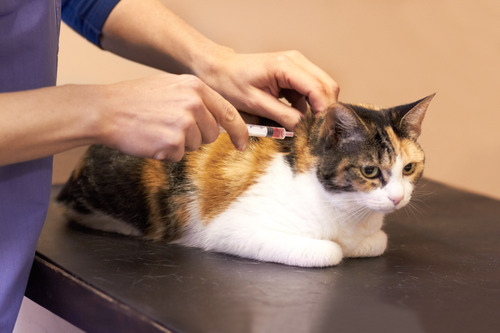
Monitoring your cat’s reaction after vaccination is vital for their safety. Most cats tolerate vaccines well, but some may show mild symptoms. Knowing what to expect helps you act promptly if problems arise. Always observe your cat closely for several hours post-vaccination. This care ensures your pet stays healthy and comfortable.
Common Side Effects
- Mild swelling or redness at the injection site
- Temporary tiredness or sleepiness
- Loss of appetite for a day or two
- Sneezing or mild coughing after nasal vaccines
- Small lumps under the skin that disappear in days
These reactions usually fade quickly without treatment. They show your cat’s immune system is working.
When To Contact A Vet
- Swelling that spreads or gets very large
- Difficulty breathing or wheezing
- Vomiting or diarrhea lasting more than 24 hours
- Severe lethargy or weakness
- High fever or persistent shaking
Seek veterinary help immediately if you notice these signs. Early action can prevent serious problems. Keep your vet’s contact info handy before vaccination day.

Credit: millsanimalhospital.com
Frequently Asked Questions
What Core Vaccinations Do Cats Need?
Cats need core vaccines like FVRCP, rabies, and sometimes FeLV. These protect against common, deadly diseases. Core vaccines are essential for all cats, indoor or outdoor.
When Should Kittens Start Their Vaccinations?
Kittens should start vaccinations at 6 to 8 weeks old. They receive booster shots every 3-4 weeks until 16 weeks. Early vaccination builds strong immunity.
How Often Do Adult Cats Need Booster Shots?
Adult cats typically get booster shots every 1 to 3 years. Frequency depends on the vaccine type and vet recommendations. Regular boosters keep immunity effective.
Are Felv Vaccines Necessary For All Cats?
FeLV vaccines are recommended mainly for outdoor or high-risk cats. Indoor cats with no exposure usually don’t need it. Consult your vet based on your cat’s lifestyle.
Conclusion
Keeping your cat healthy means giving the right shots on time. Vaccinations protect cats from many serious diseases. Regular visits to the vet help track which shots your cat needs. Shots like rabies, FVRCP, and FeLV are important for most cats.
Remember, healthy cats live longer and feel better. Stay informed and keep your furry friend safe. Simple steps make a big difference in your cat’s life. Care and prevention go hand in hand. Your cat will thank you with purrs and love.
