

If you’re a cat owner, you want to keep your furry friend safe and healthy. One of the best ways to do that is by making sure your cat gets the right shots.
But what shots do cats need exactly? Knowing this can protect your pet from serious diseases and save you from costly vet visits later. Keep reading, and you’ll discover the essential vaccinations your cat needs to stay happy and healthy for years to come.
Credit: www.diamondpet.com
Core Vaccines For Cats
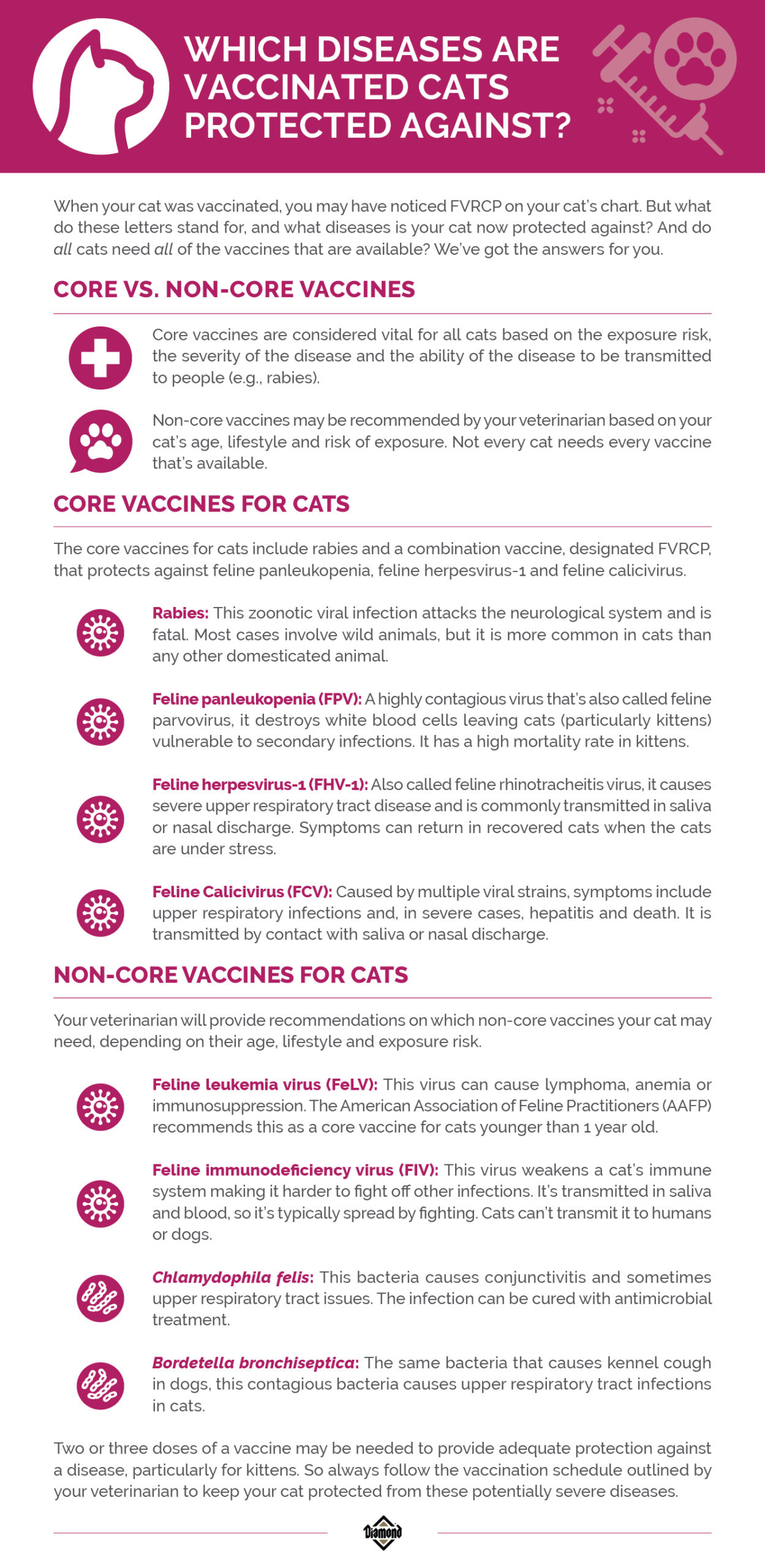
Core vaccines protect your cat from the most dangerous and common diseases. These vaccines are essential for all cats, regardless of their lifestyle. Knowing which ones your cat needs helps you keep them healthy and safe.
Feline Herpesvirus
Feline Herpesvirus causes severe respiratory infections in cats. It spreads easily through sneezing and close contact. Vaccinating your cat reduces symptoms and the risk of long-term issues like chronic eye problems.
Have you noticed your cat’s eyes watering or sneezing frequently? These could be signs of the virus. The vaccine helps prevent these painful symptoms and keeps your cat comfortable.
Feline Calicivirus
This virus also targets the respiratory system and can cause mouth ulcers. It spreads quickly, especially in multi-cat households or shelters. Vaccination lowers the chance of your cat catching this virus and developing serious complications.
If your cat ever had trouble eating because of mouth sores, you understand how painful this virus can be. The vaccine makes those painful episodes much less likely.
Feline Panleukopenia
Also called feline distemper, this disease can be deadly, especially in kittens. It attacks the cat’s immune system and digestive tract. Vaccinating is the best way to prevent this serious illness.
Think about how vulnerable young kittens are and how quickly this virus can spread. The panleukopenia vaccine gives your cat a strong defense against it.
Non-core Vaccines
Non-core vaccines for cats aren’t required for every feline but can be crucial depending on your cat’s lifestyle and environment. These vaccines protect against diseases that aren’t widespread but could pose a serious risk if your cat is exposed. Deciding on these vaccines involves weighing your cat’s specific risks, such as outdoor access, contact with other cats, or travel habits.
Feline Leukemia Virus
The Feline Leukemia Virus (FeLV) vaccine is recommended mainly for cats that go outside or live with other cats who do. FeLV is a contagious virus that suppresses the immune system and can lead to severe illnesses like cancer. If your cat spends time outdoors or in multi-cat households, this vaccine can be a lifesaver.
I once had a friend whose indoor-outdoor cat caught FeLV, despite seeming healthy. It was heartbreaking to watch the decline, which could have been prevented with this vaccine. Have you thought about how your cat’s lifestyle might expose them to FeLV?
Bordetella
Bordetella is a bacterial infection that causes respiratory problems, often referred to as “kennel cough” in dogs but also affecting cats. This vaccine is useful if your cat visits boarding facilities, groomers, or shelters where close contact with other animals occurs. Even if your cat is mostly indoors, a trip to the vet or groomer could put them at risk.
Remember, respiratory infections can spread quickly in crowded places. If your cat ever needs to stay in a boarding facility, the Bordetella vaccine offers an extra layer of protection. Would you feel more confident sending your cat to a boarding kennel knowing they have this protection?
Chlamydophila Felis
Chlamydophila felis causes conjunctivitis and respiratory issues in cats, especially in multi-cat environments. This vaccine is not necessary for all cats but can be important for those in shelters or catteries. It helps reduce the severity and spread of symptoms like eye discharge and sneezing.
When cats live closely together, infections can spread rapidly. I’ve seen shelters control outbreaks better after introducing this vaccine. Could your cat benefit from this vaccine if they frequently interact with other cats?
Vaccine Schedules
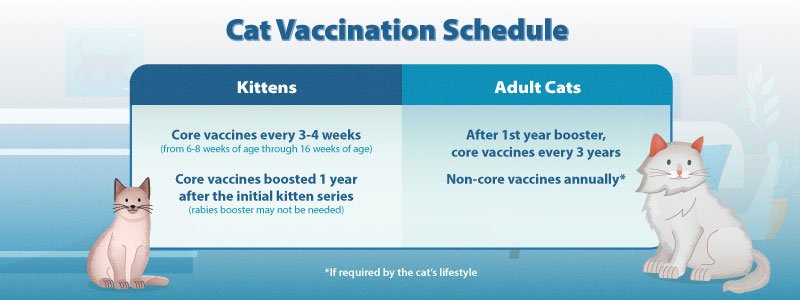
Understanding your cat’s vaccine schedule is key to keeping them healthy and protected. Vaccinations aren’t a one-time event; they follow a timeline that adapts as your cat grows. Sticking to this schedule helps build strong immunity and prevents serious illnesses.
Kitten Vaccination Timeline
Kittens need a series of vaccines starting at around 6 to 8 weeks old. These vaccines protect against diseases like feline distemper, calicivirus, and rhinotracheitis.
- 6-8 weeks:First round of core vaccines
- 10-12 weeks:Second round to boost immunity
- 14-16 weeks:Final core vaccines before adulthood
- 16+ weeks:Rabies vaccine, depending on local laws
Each shot builds on the last, so missing one can leave your kitten vulnerable. Have you ever noticed how quickly kittens bounce back after vaccines? That resilience is thanks to these carefully timed shots.
Adult Cat Booster Shots
Adult cats need booster shots to maintain protection. These are usually given annually or every three years, based on the vaccine type and your vet’s advice.
- Core vaccines:Typically boosted every 1-3 years
- Non-core vaccines:Given based on lifestyle risks, like outdoor access
Skipping boosters can reduce your cat’s immunity over time. Think about your own vaccinations—do you keep up with boosters? Your cat’s immune system works similarly and needs those reminders.

Credit: millsanimalhospital.com
Vaccine Side Effects
Vaccines are essential for protecting your cat from serious diseases, but it’s natural to worry about possible side effects. Understanding what reactions to expect can help you feel more confident and prepared. Most side effects are mild and short-lived, but knowing when to act is key to keeping your cat safe.
Common Reactions
After vaccination, your cat might experience mild symptoms like:
- Swelling or soreness at the injection site
- Lethargy or reduced energy for a day or two
- Mild fever or decreased appetite
- Sneezing or a slight cough, especially with nasal vaccines
These reactions usually go away within 24 to 48 hours. My own cat once had a small lump where the shot was given, but it disappeared after a few days without any treatment. Keep an eye on your cat’s behavior and comfort during this time.
When To Consult A Vet
Some side effects need immediate veterinary attention. Contact your vet if your cat shows:
- Difficulty breathing or persistent coughing
- Severe swelling that spreads beyond the injection site
- Vomiting or diarrhea lasting more than a day
- Collapse, seizures, or extreme lethargy
Have you noticed any unusual signs after your cat’s vaccination? It’s better to be cautious. Vets can provide treatments that prevent complications and ease your cat’s discomfort.
Choosing The Right Vaccines
Choosing the right vaccines for your cat is essential for their health and safety. Vaccines protect cats from dangerous diseases and keep them healthy. Different cats need different vaccines based on their living situation and lifestyle. Understanding these needs helps you make the best choice for your pet.
Indoor Vs Outdoor Cats
Indoor cats have less risk of catching diseases. They stay inside and avoid contact with other animals. Vaccines for indoor cats focus on common illnesses. Outdoor cats face higher risks from other animals and the environment. They need more vaccines to protect against diseases spread outside.
- Indoor cats: Core vaccines like rabies and feline viral rhinotracheitis.
- Outdoor cats: Core vaccines plus additional ones like feline leukemia virus (FeLV).
Health And Lifestyle Considerations
Each cat’s health and lifestyle affect vaccine choices. Age, medical history, and existing conditions matter. Kittens need a series of vaccines for full protection. Older cats may require boosters. Cats that travel or visit boarding facilities need extra protection.
- Young kittens: Start vaccinations early for best defense.
- Sick or weak cats: Vaccinate only when healthy enough.
- Traveling cats: Vaccines against diseases common in other areas.
Importance Of Regular Vet Visits
Regular vet visits are essential for keeping your cat healthy and happy. These appointments allow you to catch potential health issues early and ensure your cat’s vaccinations are up to date. Skipping vet visits might seem convenient, but it puts your furry friend at risk.
Monitoring Health
During each visit, the vet checks your cat’s overall health by examining their weight, coat, teeth, and eyes. This helps identify problems like dental disease or parasites before they become serious. Have you noticed any changes in your cat’s behavior or appetite? Sharing these details with your vet can make a big difference.
Regular health monitoring also helps detect chronic issues such as kidney disease or diabetes early on. Early detection means treatment can start sooner, improving your cat’s quality of life.
Updating Vaccines
Vaccines protect your cat from dangerous diseases like feline distemper and rabies. Your vet will recommend a vaccination schedule based on your cat’s age, lifestyle, and health status. Missing or delaying shots can leave your cat vulnerable to infections.
Think about your cat’s environment—do they go outside or interact with other animals? These factors influence which vaccines your cat needs. Staying on top of vaccine updates keeps your cat safe and helps prevent disease outbreaks in your community.
Credit: triangleanimalclinic.com
Frequently Asked Questions
What Core Vaccinations Do Cats Need?
Cats require core vaccines like FVRCP and rabies. FVRCP protects against feline viral rhinotracheitis, calicivirus, and panleukopenia. Rabies vaccination is essential for legal and health reasons. These vaccines keep cats safe from common deadly diseases and are recommended by veterinarians.
When Should Kittens Receive Their First Shots?
Kittens should get their first vaccines at 6 to 8 weeks old. They need a series of shots every 3 to 4 weeks until 16 weeks. Early vaccination helps build strong immunity and protects against serious infections during growth.
Are Booster Shots Necessary For Adult Cats?
Yes, booster shots are important to maintain immunity. Adult cats need boosters yearly or every three years, depending on the vaccine. Regular boosters ensure continued protection against diseases like rabies and FVRCP.
Can Indoor Cats Skip Vaccinations?
No, indoor cats still need vaccinations. They can catch diseases from other pets or through contact with humans and pests. Vaccinating indoor cats helps prevent illness and protects their overall health.
Conclusion
Keeping your cat healthy means giving the right shots on time. Vaccines protect cats from serious diseases like rabies and feline leukemia. Talk to your vet about the best vaccine plan for your cat’s age and lifestyle. Regular shots help your cat live a longer, happier life.
Stay aware and keep your pet safe with proper vaccinations. It’s a small step that makes a big difference. Your cat will thank you with purrs and playfulness.
