

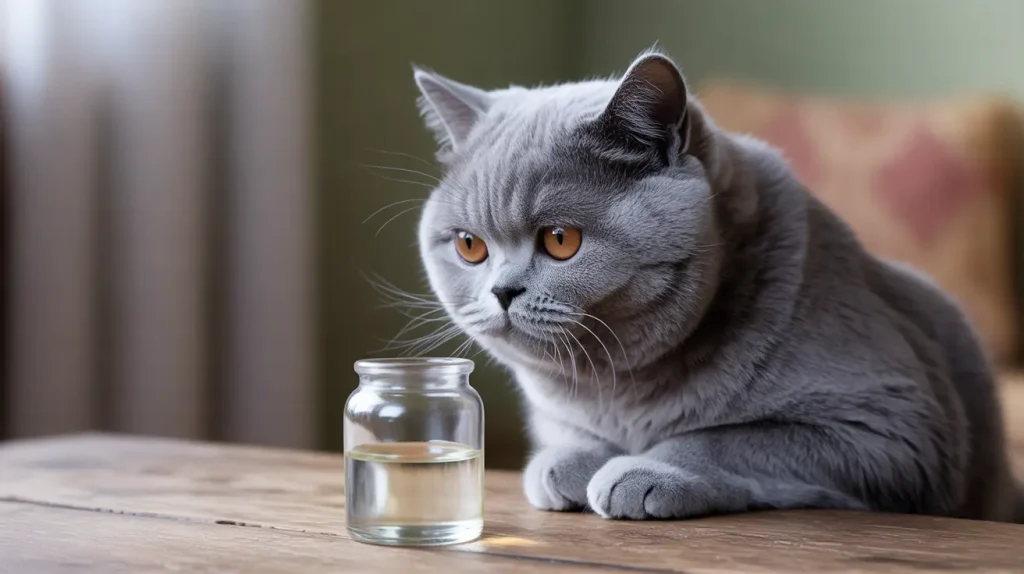
Have you ever wondered what scents your cat truly enjoys? Understanding your feline friend’s favorite smells can make a big difference in their happiness and comfort.
Whether you want to create a cozy space for your cat or find the perfect toy that captures their attention, knowing which scents they like is key. Keep reading to discover the surprising smells that can calm, excite, or simply delight your cat—and learn how to use them to strengthen your bond.
Your cat’s new favorite scent might be just a few paragraphs away!

Credit: www.hbnobulk.com
Familiar Cat-approved Scents
Cats often enjoy scents like catnip, valerian, and silvervine, which can make them curious and playful. These familiar smells attract cats and help create a calm and happy environment.
Cats are fascinating creatures with unique preferences, and their sense of smell plays a significant role in their daily lives. Certain scents can captivate their attention and even alter their behavior. Understanding which scents are cat-approved can help you create a more stimulating environment for your feline friend. Let’s dive into some familiar scents that cats generally enjoy.Catnip And Its Effects
Catnip is perhaps the most well-known scent that cats adore. The active compound, nepetalactone, triggers a playful and euphoric response in many cats. This can lead to amusing antics like rolling around, purring, or even zooming across the room. Not all cats react to catnip, as sensitivity is hereditary. If your cat is one of the lucky ones, introducing catnip-filled toys or even sprinkling a bit on their scratching post can provide hours of entertainment.Silver Vine And Its Appeal
Silver vine is another plant that can captivate cats, often more effectively than catnip. It contains actinidine and dihydroactinidiolide, compounds that can attract cats even if they are immune to catnip. Many cat owners find that silver vine offers a stronger and longer-lasting reaction. Try offering your cat a silver vine toy or powder to see if it piques their interest. You might discover a new favorite for your furry friend.Valerian Root Attraction
Valerian root is less common but equally intriguing to cats. Known for its calming effects on humans, valerian can have quite the opposite effect on cats, often making them more playful. This root has a distinct earthy scent that may not be pleasant to humans, but many cats find it irresistible. Consider using valerian-infused toys or simply placing a small piece of the root in your cat’s play area. Have you noticed a change in your cat’s behavior with any of these scents?
Credit: cbddoghealth.com
Fruits And Plants Cats Enjoy
Cats have a keen sense of smell that plays a big role in how they interact with their environment. Certain fruits and plants can capture their interest and even bring them comfort or joy. Understanding which scents cats like can help you create a more stimulating and happy space for your feline friend.
Tasty Citrus Notes
Contrary to popular belief, many cats are actually curious about some citrus scents. While strong citrus oils can be overwhelming, gentle notes of fruits like orange and mandarin often attract cats in small amounts.
Try placing a dried orange peel near your cat’s favorite resting spot. You might notice them rubbing against it or sniffing with curiosity. Have you ever seen your cat respond to a subtle citrus scent? It can be a fun way to engage their senses.
Herbs That Attract Cats
Herbs like catnip, valerian, and silvervine are well-known favorites among cats. These plants release compounds that trigger playful and relaxed behavior.
- Catnip:This is the classic choice that excites many cats. It can encourage them to play or become calm.
- Valerian:Has a musky smell that some cats find irresistible, often leading to more active playtime.
- Silvervine:A less common but highly effective alternative, especially for cats that don’t react to catnip.
Adding a small amount of these herbs to your cat’s toys or scratching posts can boost their enjoyment. Do you know which herb your cat prefers? Watching their reaction can help you discover new ways to keep them entertained.
Unusual Aromas That Draw Cats
Cats have a unique sense of smell that guides their curiosity and comfort. While many are familiar with catnip, there are several unusual scents that can captivate your feline friend. Understanding these aromas can help you create a more stimulating environment for your cat.
Mint And Other Refreshing Scents
Mint is more than just a human favorite—it can intrigue cats too. Many felines respond positively to scents like peppermint, spearmint, and even catmint, which is related but distinct from catnip.
These refreshing aromas often trigger playful behavior or relaxation. Have you noticed your cat suddenly perk up around a mint plant or mint-scented toy? That’s their natural attraction at work.
Besides mint, scents such as eucalyptus and rosemary can also catch a cat’s attention. However, be cautious—some plants like eucalyptus can be toxic if ingested. Always monitor your cat’s reaction and keep harmful plants out of reach.
Certain Floral Fragrances
Not all flowers are off-limits to your kitty’s nose. Some floral scents, like lavender and chamomile, can calm and soothe cats. You might have seen your cat lounging near these plants or even rubbing against them.
Other flowers, such as honeysuckle and valerian root, are known to stimulate playful behavior similar to catnip. These floral fragrances can be a great alternative if your cat doesn’t respond to the usual favorites.
Would you consider adding safe floral-scented items to your cat’s space? It can be a simple way to enrich their daily experiences without overwhelming their sensitive noses.
Scents Cats Avoid
While cats often delight in certain scents, there are many aromas they actively avoid. Understanding these can help you create a more comfortable environment for your feline friend. Plus, knowing which smells repel cats can be useful for keeping them away from areas you want to protect.
Common Repellents
Cats tend to dislike strong, pungent smells. Some common scents that repel them include:
- Citrus:Oranges, lemons, and limes are often overwhelming and unpleasant to cats.
- Vinegar:Its sharp, acidic odor usually keeps cats at a distance.
- Menthol and Eucalyptus:These are too intense and can irritate their sensitive noses.
- Coffee Grounds:Surprisingly, cats avoid the bitter smell of coffee.
- Spices:Strong spices like cayenne pepper or cinnamon often cause cats to steer clear.
If you want to protect certain furniture or plants, placing any of these scents nearby might help. Have you noticed your cat avoiding a room with a lemon-scented cleaner? That’s a real-life example of how powerful these repellents can be.
Why Some Aromas Annoy Cats
Cats have an extremely sensitive sense of smell, far stronger than ours. Some scents feel overwhelming or even painful to their delicate nasal passages.
Strong odors like citrus or menthol can be perceived as irritants rather than just unpleasant smells. This sensitivity helps them avoid potential dangers in the wild, like spoiled food or toxic plants.
Think about how you feel in a room filled with overpowering perfume or smoke. It’s no different for cats—only more intense. Does this change how you think about using household cleaners or air fresheners around your cat?
Safe Ways To Use Scents Around Cats
Using scents around cats requires care and attention. Some smells can soothe cats, while others may harm them. Safe use of scents keeps cats calm and happy without causing stress or health issues.
Always pick products made for pets or labeled as cat-safe. Keep scents mild and avoid strong perfumes. Ventilate rooms well so scents don’t build up too much. Observe your cat’s behavior for any signs of discomfort.
Choosing Cat-friendly Products
Choose sprays, diffusers, or candles designed for cats. These products use ingredients safe for feline noses and health. Look for labels that mention “pet-safe” or “cat-friendly.”
- Use natural, non-toxic ingredients like chamomile or valerian.
- Test new products in small amounts first.
- Place scents in areas where cats can leave easily.
Avoiding Harmful Essential Oils
Certain essential oils can be toxic to cats even in small amounts. Oils like tea tree, eucalyptus, cinnamon, and citrus can cause serious problems. Avoid diffusing or applying these oils near your cat.
- Never use pure essential oils on your cat’s fur or skin.
- Keep essential oil diffusers out of your cat’s reach.
- Know signs of oil poisoning: drooling, vomiting, or difficulty breathing.

Credit: us.feliway.com
How Scents Affect Cat Behavior
Scents play a powerful role in shaping cat behavior. Cats use their strong sense of smell to explore and understand their environment. Certain smells can trigger excitement or calmness. Recognizing how scents affect cats helps improve their well-being and happiness.
Stimulating Playfulness
Some scents awaken a cat’s natural curiosity and energy. Catnip is a famous example that sparks playful behavior. It causes cats to roll, chase, and pounce. Other herbs like silver vine and valerian root also stimulate activity. These smells encourage exercise and mental alertness. Using them can prevent boredom and keep cats lively.
Promoting Relaxation
Cats also respond to scents that reduce stress and promote calm. Lavender and chamomile have soothing effects on many cats. These aromas can help nervous cats feel more secure. They create a peaceful environment for rest and sleep. Gentle scents support emotional balance and reduce anxiety.
Frequently Asked Questions
What Scents Do Cats Naturally Enjoy?
Cats are attracted to scents like catnip, silvervine, and valerian root. These stimulate playfulness and relaxation. They also like honeysuckle and certain herbs, which can boost mood and activity.
Are There Scents Cats Strongly Dislike?
Yes, cats dislike citrus, eucalyptus, and strong menthol smells. These scents can repel cats and deter unwanted behaviors. Avoid using these around cats to keep them comfortable.
Can Essential Oils Affect Cats Positively?
Some essential oils like lavender can calm cats in small doses. However, many essential oils are toxic and should be used cautiously or avoided. Always consult a vet before using oils near cats.
Why Do Cats React To Catnip Scent?
Catnip contains nepetalactone, which triggers a euphoric response in many cats. It stimulates playful and excited behaviors. Not all cats respond, as sensitivity is inherited.
Conclusion
Cats enjoy certain scents like catnip, valerian, and silver vine. These smells can make them feel happy and calm. Avoid strong or citrus scents, as many cats dislike them. Knowing what scents cats prefer helps create a better home for them.
Use safe and gentle smells to keep your cat comfortable. Their unique preferences show how special they are. Remember, each cat is different, so watch their reactions closely. A happy cat means a happy owner. Simple scents can bring joy to your furry friend.
