


Have you ever wondered why your cat suddenly avoids certain spots or backs away from a room? The answer often lies in the smells around them.
Cats have a strong sense of smell, and there are specific odors they truly dislike. Understanding these scents can help you create a more comfortable space for your furry friend or even keep them away from areas you want to protect.
Keep reading to discover what odors cats hate and how you can use this knowledge to improve your home and your cat’s happiness.
Common Scents Cats Dislike
Knowing which scents cats dislike can help you create a more comfortable environment for your furry friend or gently discourage unwanted behavior. Cats have a much stronger sense of smell than humans, so certain odors that seem mild to us can be quite overpowering to them.
Here are some common scents that many cats tend to avoid, which you might find useful around your home.
Citrus Fruits
The sharp, tangy smell of citrus fruits like oranges, lemons, and limes is often too intense for cats. If you’ve ever peeled an orange near your cat, you might have noticed them backing away quickly or hiding.
Many pet owners use citrus peels as a natural deterrent to keep cats away from certain areas. Just be careful not to let your cat ingest the peels, as they can be toxic in large amounts.
Vinegar
Vinegar has a strong, pungent odor that cats usually find unpleasant. You can try using diluted vinegar to clean surfaces or spray it in places where you want to discourage your cat from scratching or lingering.
Some cats might tolerate vinegar better than others, so test a small area first to see how your pet reacts before applying it widely.
Coffee Grounds
The smell of coffee grounds is another scent that most cats dislike. Sprinkling used coffee grounds in your garden or near plants can help keep cats away from digging or marking territory.
Besides repelling cats, coffee grounds can also act as a natural fertilizer, making it a practical choice for your outdoor spaces.
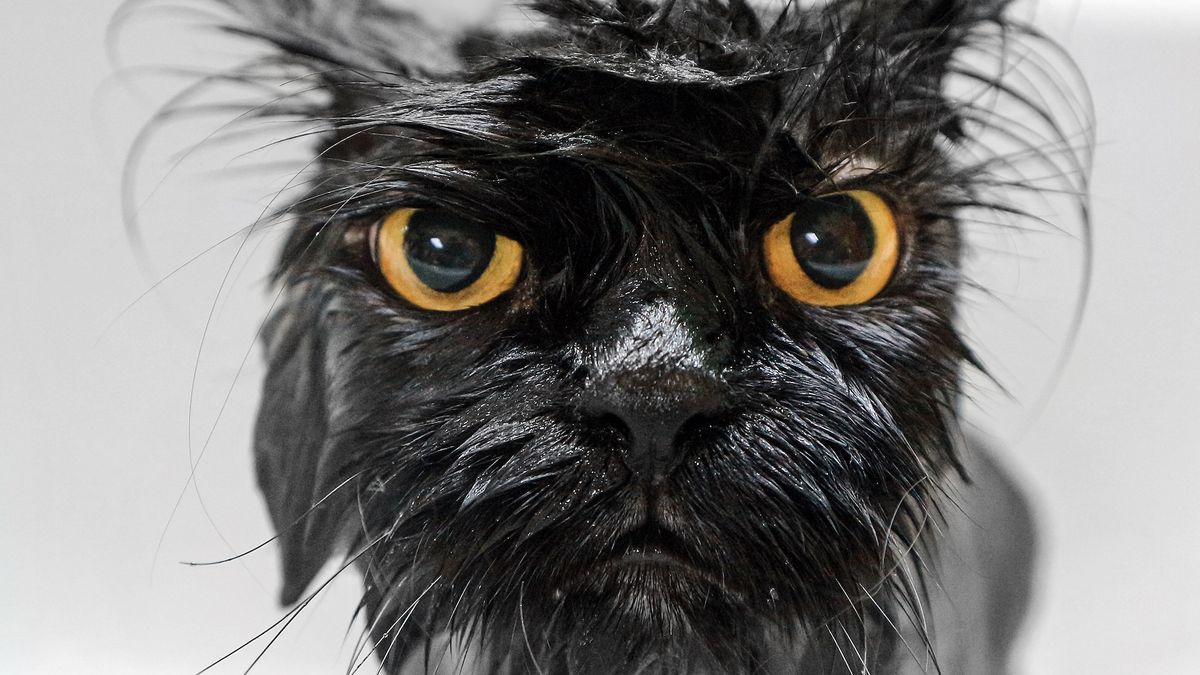
Credit: www.livescience.com
Herbs And Spices Cats Avoid
Cats have a sensitive sense of smell that often leads them to avoid certain herbs and spices. These natural scents can be quite strong or unpleasant to them, making them effective tools if you want to keep your feline friends away from specific areas. Understanding which herbs and spices cats dislike can help you manage your home environment better without causing harm.
Lavender
Lavender’s sweet scent is calming to many people, but not to cats. The strong aroma can be overwhelming and even irritating for them. I once placed dried lavender sachets near my windows, and my cat immediately avoided that spot, proving how powerful this scent is for deterring cats.
Use lavender cautiously around cats, as it can also be toxic if ingested. Instead, try placing lavender bundles in places you want your cat to steer clear of, like garden beds or certain furniture.
Rosemary
Rosemary has a sharp, pine-like smell that cats generally dislike. This herb is often used in cooking, but its strong odor can repel cats from your kitchen counters or dining area. I noticed my cat stopped jumping on the kitchen table after I placed fresh rosemary sprigs there.
Rosemary is safe for cats in small amounts but avoid letting them chew on it. Placing rosemary around entry points or in flower beds can naturally discourage your cat from wandering where you don’t want them.
Cinnamon
Cinnamon’s spicy scent is another one that cats tend to avoid. The smell can irritate their sensitive noses and discourage them from lingering nearby. I once sprinkled a small amount of cinnamon near a plant my cat kept scratching, and the behavior stopped almost immediately.
Be cautious using cinnamon powder, as it can cause irritation if it gets into your cat’s eyes or respiratory system. Instead, try cinnamon sticks or lightly dusting problem areas to keep your cat away safely.
Household Products With Unpleasant Odors
Many household products have strong smells that cats dislike. These odors can keep cats away from certain areas. Understanding which products cause these smells helps in managing your cat’s behavior. Some smells are natural, while others come from cleaning or scented items around the home.
Cleaning Agents
Cats avoid areas cleaned with harsh chemicals. Common cleaning agents have strong, sharp odors. Ammonia, bleach, and disinfectants are especially unpleasant for cats. These smells can irritate their sensitive noses. Using these products can help keep cats off furniture or counters. Be careful to use them safely, as some chemicals can harm pets.
Essential Oils
Many essential oils smell strong and can repel cats. Oils like eucalyptus, citronella, and tea tree have sharp scents. Cats find these odors overwhelming and avoid them. Some oils can be toxic if ingested or applied to cats. Use essential oils with caution around pets. Placing diluted oil near areas you want cats to avoid can work well.

Credit: thediscerningcat.medium.com
Natural Plant-based Deterrents
Natural plant-based deterrents offer a safe way to keep cats away from certain areas. These plants emit smells that cats dislike. Using them in your garden or home can reduce unwanted cat visits. They provide an eco-friendly alternative to chemical repellents.
Rue Plant
Rue is a strong-smelling herb that cats avoid. Its bitter scent keeps cats from entering gardens or flower beds. Planting rue near entry points can help protect your plants. Rue is easy to grow and requires little care. Keep in mind, rue can be toxic if ingested, so use with caution around pets.
Coleus Canina
Coleus Canina is known as the “Scaredy Cat Plant.” It emits an odor that repels cats and other small animals. This plant works well in pots or garden beds. It produces small flowers and has a soft, hairy texture. Coleus Canina is a gentle, natural way to discourage cats from certain spots.
Understanding Cat’s Sense Of Smell
Cats strongly dislike citrus smells like orange and lemon. They also avoid strong scents such as vinegar and eucalyptus. These odors can help keep cats away from certain areas without harm.
Olfactory Sensitivity
Cats have a very strong sense of smell. Their noses hold about 200 million scent receptors. Humans have only about 5 million. This means cats can detect smells far better than people.
They use their sense of smell to find food, identify other animals, and explore their environment. Cats rely on smells to feel safe and calm. A bad or strong odor can make them anxious or uncomfortable.
How Cats Process Scents
Cats process smells using two main parts: their nose and a special organ called the Jacobson’s organ. The Jacobson’s organ is inside the roof of their mouth. It helps cats analyze scents deeply.
When a cat smells something, it breathes in through the nose and also through the mouth to reach this organ. This double process helps cats understand complex smells. It explains why cats often open their mouths slightly when sniffing.

Credit: www.youtube.com
Creating A Cat-friendly Environment
Creating a cat-friendly environment means paying attention to what makes your cat comfortable and what drives them away. Cats have sensitive noses, and certain smells can stress or annoy them. Understanding these preferences helps you build a home where your feline feels safe and happy.
Alternatives To Unwanted Scents
Instead of using strong-smelling cleaners or air fresheners, try milder, pet-safe options. Scents like lavender, citrus, and eucalyptus often repel cats, so avoid these around their favorite spots.
Use unscented or naturally scented products such as:
- Baking soda for odor control
- Vinegar diluted with water for cleaning
- Herbal sachets with catnip or chamomile
Have you noticed your cat avoiding certain areas after you spray a cleaner? That’s a clear sign to switch to gentler alternatives. Your goal is to keep your home fresh without pushing your cat away.
Safe Spaces For Cats
Every cat needs a quiet, cozy spot to retreat when they feel overwhelmed. Create these safe spaces by setting up a bed or a box in a low-traffic area.
Adding soft blankets and some of their favorite toys can make these spots inviting. Avoid placing these areas near strong-smelling items like garbage bins or heavily scented candles.
Think about where your cat naturally likes to hide or relax. Can you make that space more comfortable and free from offensive odors? Providing a refuge like this helps reduce stress and keeps your cat happier overall.
Frequently Asked Questions
What Smells Do Cats Dislike The Most?
Cats strongly dislike citrus, vinegar, and eucalyptus scents. These odors are sharp and overpowering, which cats find unpleasant. Using these can help deter cats from certain areas safely and naturally.
Why Do Cats Avoid Citrus Odors?
Cats have a sensitive nose, and citrus smells are too intense for them. The acidic compounds in citrus create a strong scent that cats find repellent, making it an effective deterrent for unwanted behaviors.
Can Vinegar Repel Cats Effectively?
Yes, vinegar’s strong acidic smell irritates a cat’s sensitive nose. Spraying diluted vinegar can discourage cats from scratching or entering specific spaces without harming them.
Are Synthetic Cat Repellents Safe To Use Indoors?
Most synthetic repellents use odors cats hate and are generally safe indoors. Always check product labels to ensure they are non-toxic and follow usage instructions to protect pets and humans.
Conclusion
Cats dislike certain smells like citrus, vinegar, and strong spices. These odors help keep cats away from places you don’t want them. Using these scents safely can protect your home and garden. Remember, every cat reacts differently to smells. Test small amounts first to see what works best.
Knowing what odors cats hate makes living with them easier. It helps you create a space both you and your cat enjoy. Simple tips can make a big difference in your pet’s behavior.
