


If you want your cat to stay happy and healthy, understanding probiotics is key. But with so many options out there, how do you know what kind of probiotics your cat really needs?
The right probiotics can improve your cat’s digestion, boost their immune system, and even brighten their mood. Keep reading to discover exactly which probiotics work best for your furry friend—and how to choose the perfect one to keep your cat feeling their best every day.
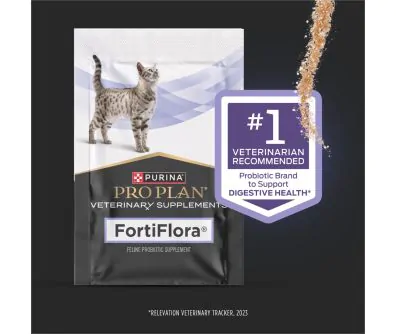
Credit: www.proplanvetdirect.com
Benefits Of Probiotics For Cats
Probiotics offer significant health benefits for cats that go beyond just digestion. Adding the right probiotics to your cat’s diet can improve their overall wellbeing and help prevent common health issues. Understanding these benefits can guide you to make better choices for your feline friend’s health.
Improved Digestive Health
Probiotics help balance the good bacteria in your cat’s gut. This balance supports better digestion and nutrient absorption. If your cat has experienced diarrhea or constipation, probiotics may help regulate their bowel movements and reduce discomfort.
Strengthened Immune System
Your cat’s gut is a major part of their immune defense. Probiotics stimulate immune cells and help fight off harmful bacteria. Have you noticed your cat catching fewer colds or infections after adding probiotics? This is often a sign their immune system is stronger.
Reduced Allergies And Skin Issues
Some cats suffer from allergies that cause itchy skin or fur loss. Probiotics can calm inflammation by supporting gut health, which is linked to skin health. Many cat owners find that probiotics reduce their pet’s scratching and improve coat shine.
Better Stress Management
Stress affects cats just like it does people. Probiotics influence the gut-brain connection, helping your cat handle stress more effectively. If your cat is prone to anxiety during travel or vet visits, probiotics might ease their nervousness.
Support During Antibiotic Use
Antibiotics kill both bad and good bacteria. Probiotics help restore the healthy bacteria that antibiotics wipe out. Giving probiotics during and after antibiotic treatment can prevent digestive upset and speed up recovery.
Types Of Probiotics For Feline Health
Probiotics play an important role in keeping cats healthy. Different strains of probiotics help in various ways. They support digestion, boost immunity, and maintain gut balance. Understanding the types of probiotics helps you choose the right one for your cat’s needs.
Lactobacillus Strains
Lactobacillus is one of the most common probiotics for cats. These bacteria help break down food and absorb nutrients. They produce lactic acid, which lowers the gut’s pH. This creates an environment where harmful bacteria cannot grow. Lactobacillus also supports a cat’s immune system.
Bifidobacterium Strains
Bifidobacterium lives mainly in the intestines. It helps digest fiber and other complex carbohydrates. This strain also produces vitamins and short-chain fatty acids. These acids nourish the cells lining the gut. Bifidobacterium reduces inflammation and keeps the digestive tract healthy.
Enterococcus Strains
Enterococcus is a probiotic that helps balance the gut flora. It fights harmful microbes by producing natural antibiotics. This strain also supports digestion and nutrient absorption. Enterococcus can improve a cat’s overall gut health and resistance to infections.
Choosing The Right Probiotic Supplement
Choosing the right probiotic supplement for your cat can feel overwhelming. There are many products on the market, but not all are suitable for every feline. Understanding your cat’s unique needs will help you pick a probiotic that truly supports their health and wellbeing.
Considerations For Cat Age
Kittens, adult cats, and senior cats have different digestive systems and immune responses. Young cats may need probiotics that support developing gut flora, while older cats might benefit from strains that improve digestion and reduce inflammation.
Have you noticed changes in your cat’s appetite or stool consistency as they age? This could signal the need for a probiotic tailored to their life stage. Always check the label to ensure the probiotic is safe and effective for your cat’s age group.
Specific Health Needs
Some cats face digestive issues like diarrhea or constipation, while others have allergies or skin sensitivities. Probiotics can target these problems by restoring balance in the gut microbiome.
For example, if your cat suffers from frequent upset stomachs, look for probiotic strains like Enterococcus faeciumor Lactobacillus acidophilus, known to aid digestion. Tailoring the probiotic to your cat’s specific health concern can make a noticeable difference in their comfort and vitality.
Form And Dosage Options
Probiotics come in various forms—powders, capsules, liquids, and treats. Choose one that fits your cat’s preferences and your ease of administration.
- Powderscan be mixed into wet food but may be tricky with picky eaters.
- Capsulesoffer precise dosages but might require pill-popping skills.
- Liquid dropsare easy to add to food or water but check for palatability.
- Treatscombine benefits with a tasty reward, making daily dosing simpler.
Think about your cat’s routine and personality. What form will you both find easiest to manage? Proper dosage is just as important to ensure your cat gets enough beneficial bacteria without wasting product or risking side effects.

Credit: www.amazon.ca
Signs Your Cat May Need Probiotics
Noticing subtle changes in your cat’s health can signal when probiotics might be necessary. These helpful bacteria play a crucial role in your cat’s gut health and overall well-being. Recognizing the signs early helps you support your feline friend before minor issues turn into serious problems.
Digestive Issues
One of the clearest signs your cat may benefit from probiotics is digestive upset. Watch for frequent diarrhea, constipation, or bloating that lasts more than a day or two. If your cat’s stool suddenly changes in consistency or smell, it might indicate an imbalance in gut bacteria.
Have you noticed your cat refusing food or losing weight unexpectedly? These can also point to digestive problems that probiotics might help ease. A healthy gut supports nutrient absorption, so improving gut flora can boost your cat’s appetite and energy levels.
Immune System Support
Probiotics don’t just improve digestion—they also strengthen your cat’s immune defenses. If your cat is catching more colds, has recurring infections, or takes longer to recover from illness, their immune system could be compromised.
Adding probiotics can help balance the gut microbiome, which plays a key role in immune function. This can lead to fewer sick days and a more resilient cat. Think about how often your cat falls ill—could boosting their gut health reduce these episodes?
Behavioral Changes
Unexpected behavioral shifts might also hint at the need for probiotics. Cats with gut imbalances sometimes become irritable, lethargic, or unusually withdrawn. Digestive discomfort can affect mood and activity levels.
If your cat seems less playful or more anxious without any obvious cause, consider their gut health. Probiotics may improve their overall comfort and help restore their usual personality. Have you noticed any changes that don’t seem related to their environment or routine?
Integrating Probiotics Into Your Cat’s Diet
Integrating probiotics into your cat’s diet supports their digestive health and boosts immunity. Probiotics help balance the gut bacteria, improving nutrient absorption. Choosing the right way to give probiotics can make a big difference. Cats may prefer different forms, so finding a method that suits your pet is important. Here are common ways to add probiotics to your cat’s meals.
Mixing With Regular Food
Mixing probiotics directly into your cat’s food is simple and stress-free. Use powders or liquids that easily blend with wet or dry food. Start with a small amount to ensure your cat accepts the taste. Stir well to distribute the probiotics evenly. Serve fresh and observe your cat’s reaction. This method fits well into daily feeding routines and avoids extra handling.
Administering Capsules Or Powders
Capsules and powders offer precise probiotic doses. Capsules can be opened and sprinkled over food if your cat dislikes swallowing pills. Powders are versatile and easy to measure. Some cats tolerate powders better when mixed with a little water or broth. Use a pill pocket or special treat to hide capsules. Patience helps while your cat gets used to this new addition.
Consulting A Veterinarian
Veterinarians guide safe probiotic use for your cat’s specific needs. They recommend products with strains proven to benefit cats. A vet can suggest correct dosages and duration of use. Some cats with health issues require tailored probiotic plans. Professional advice ensures probiotics complement your cat’s diet without causing harm. Schedule a check-up before starting any probiotic supplement.

Credit: www.amazon.ca
Potential Risks And Precautions
Choosing the right probiotics for cats requires attention to potential risks. Probiotics can help, but they may cause problems if not used carefully. Understanding these risks ensures your cat stays safe and healthy.
Overdose And Side Effects
Giving too many probiotics can upset your cat’s stomach. Signs include diarrhea, vomiting, and gas. Overdose may harm the balance of good bacteria. Always follow the dosage on the product label.
Allergic Reactions
Some cats may be allergic to certain probiotic strains. Watch for itching, swelling, or breathing trouble. Stop using the probiotic immediately if these appear. Consult your vet for safe alternatives.
Monitoring And Adjusting Dosage
Start with a small dose and watch your cat closely. Note any changes in behavior or digestion. Adjust the amount based on your cat’s reaction. Regular vet check-ups help ensure the right dosage.
Frequently Asked Questions
What Probiotics Are Best For Cats’ Digestive Health?
The best probiotics for cats include strains like Lactobacillus and Bifidobacterium. These support digestion and balance gut flora effectively.
Can Probiotics Help With A Cat’s Diarrhea?
Yes, probiotics can reduce diarrhea by restoring healthy gut bacteria. They improve digestion and boost the immune system.
How Do I Give Probiotics To My Cat Safely?
Probiotics come as powders, capsules, or treats. Always follow dosage instructions and consult your vet before starting.
Are Probiotic Supplements Necessary For All Cats?
Not all cats need supplements. Probiotics benefit cats with digestive issues or after antibiotics but consult your vet first.
Conclusion
Cats need specific probiotics to support their digestion and health. Choose strains made for feline systems. These help balance good bacteria in their gut. A healthy gut means better nutrient absorption and stronger immunity. Always pick high-quality probiotics from trusted sources.
Consult your vet before starting any new supplement. Small steps make a big difference in your cat’s wellness. Keep their tummy happy and watch them thrive. Simple care can lead to lasting benefits for your pet.
