

Are you a cat owner who wants to keep your furry friend healthy and happy? Knowing what injections your cat needs is one of the most important steps you can take.
Vaccinations protect your cat from serious diseases and can save you from costly vet visits later. But with so many options and advice out there, it’s easy to feel confused. You’ll discover exactly which injections are essential for your cat and why they matter.
Keep reading to make sure your cat gets the best care possible.

Credit: millsanimalhospital.com
Core Vaccines For Cats
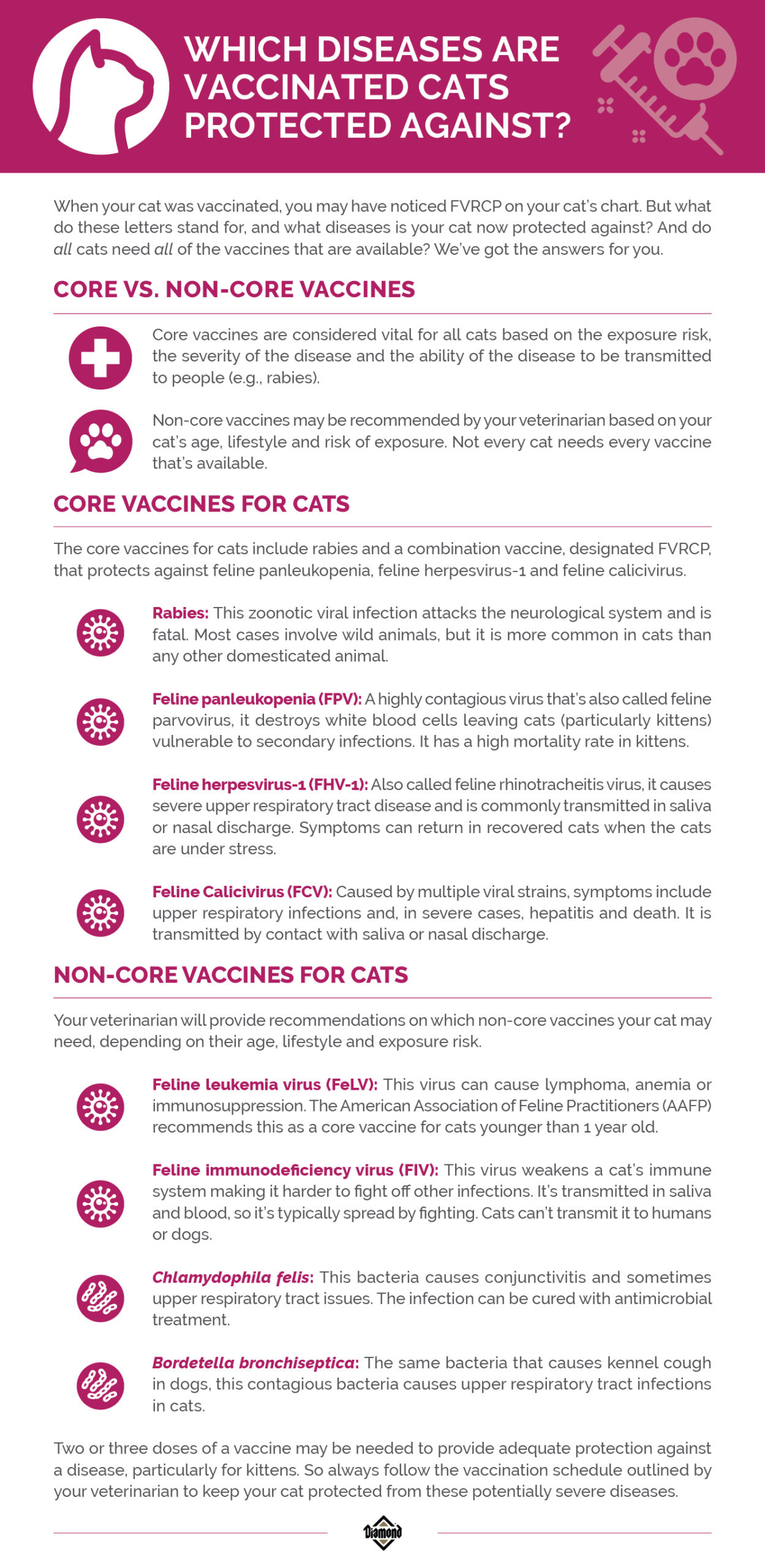
Core vaccines form the foundation of your cat’s health protection. These vaccines defend against diseases that are widespread and can cause serious harm or even death. Understanding these essential vaccines helps you make informed choices for your cat’s well-being.
Rabies Vaccine
The rabies vaccine is crucial because rabies is fatal and can spread to humans. Most areas legally require this vaccine, so your cat must be protected. It’s typically given once and then boosted every one to three years depending on local laws and vet advice.
Consider how devastating rabies can be—not just for your cat but for your family. Vaccinating against rabies is a simple step that saves lives. Have you checked your local regulations about rabies vaccination yet?
Feline Distemper Vaccine
Also known as the panleukopenia vaccine, this protects your cat from a highly contagious and deadly virus. The disease attacks the immune system and digestive tract, causing severe symptoms. Vaccinating kittens early is critical since they are most vulnerable.
I once saw a cat recover from panleukopenia thanks to early vaccination. It reminded me how easily this disease can be prevented. How often do you update your cat’s vaccination schedule to keep them safe?
Feline Herpesvirus Vaccine
This vaccine helps prevent feline viral rhinotracheitis, a common cause of respiratory illness. Symptoms include sneezing, eye discharge, and nasal congestion. While it doesn’t always stop infection, it reduces severity and complications.
Many cat owners underestimate respiratory infections. Yet, these illnesses can drain your cat’s energy and require costly vet visits. Wouldn’t you want to minimize your cat’s discomfort with a simple vaccine?
Feline Calicivirus Vaccine
Feline calicivirus causes mouth ulcers and respiratory problems. It spreads easily among cats, especially in multi-cat households or shelters. The vaccine lowers the risk and helps control outbreaks.
In shelters, I’ve seen how quickly calicivirus spreads without vaccination. Protecting your cat with this vaccine is a straightforward way to avoid such outbreaks. Are you prepared to guard your cat against this common threat?
Credit: triangleanimalclinic.com
Non-core Vaccines
Non-core vaccines protect cats from diseases they might face depending on their lifestyle and environment. These vaccines are not needed for every cat but are important for those at risk. Discussing these with a vet helps choose the right ones for your cat.
Feline Leukemia Vaccine
This vaccine protects cats from feline leukemia virus (FeLV). The virus weakens the immune system and can cause cancer. Cats that go outdoors or live with other cats may need this vaccine. It helps reduce the risk of infection and serious illness.
Feline Immunodeficiency Virus Vaccine
The vaccine defends against feline immunodeficiency virus (FIV). FIV harms a cat’s immune system over time. Cats that fight or roam outside have a higher risk. Vaccination lowers the chance of catching this virus and falling sick.
Bordetella Vaccine
Bordetella bronchiseptica causes respiratory infections in cats. This vaccine is important for cats in shelters or catteries. It prevents coughing, sneezing, and breathing problems. Cats with close contact to many others benefit the most.
Chlamydophila Felis Vaccine
This vaccine protects against Chlamydophila felis bacteria. The bacteria cause eye infections and mild respiratory issues. Cats in group housing or shelters often need this vaccine. It helps keep cats healthy and reduce spread.
Vaccination Schedule
Keeping your cat healthy means staying on top of their vaccination schedule. Vaccines protect cats from serious diseases and help them live longer, happier lives. Knowing when your cat needs each injection can save you time, money, and stress down the road.
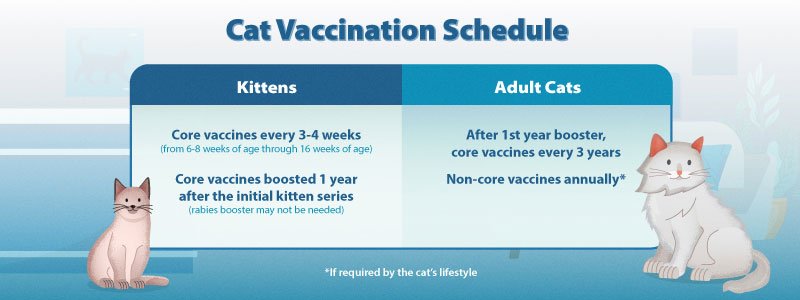
Kitten Vaccination Timeline
Starting vaccinations early is key. Kittens usually begin their vaccine series at 6 to 8 weeks old. This early protection helps their immune system fight off common infections.
- 6-8 weeks:First core vaccines—Feline Viral Rhinotracheitis, Calicivirus, and Panleukopenia (FVRCP)
- 10-12 weeks:Second FVRCP booster and FeLV (Feline Leukemia Virus) vaccine if recommended
- 14-16 weeks:Final FVRCP booster and rabies vaccine
Missing even one of these can leave your kitten vulnerable. I once skipped the second booster for my kitten, and it ended up with a mild infection that could have been avoided. Would you want to risk your new furry friend’s health like that?
Adult Cat Booster Schedule
Adult cats need booster shots to keep their immunity strong. Most vaccines require a yearly or triennial booster depending on your vet’s advice and local regulations.
- Annual boosters:Rabies and FVRCP are often recommended every year or every three years.
- FeLV boosters:Usually given yearly for cats that go outdoors or have exposure risks.
Keeping a vaccination record handy makes scheduling easy. Don’t wait until your cat shows signs of illness—stay proactive. Have you checked when your cat’s last booster was due?
Credit: www.diamondpet.com
Factors Influencing Vaccine Needs
Deciding which injections your cat needs isn’t a one-size-fits-all situation. Several factors come into play that shape the right vaccine plan for your furry friend. Understanding these factors helps you protect your cat effectively and avoid unnecessary treatments.
Indoor Vs Outdoor Cats
Your cat’s lifestyle greatly affects its vaccine needs. Indoor cats generally face fewer risks from contagious diseases because they have limited exposure to other animals. However, if your indoor cat occasionally ventures outside or interacts with other pets, some vaccines remain important.
Outdoor cats encounter a wider range of threats like viruses, parasites, and bacteria. They often need more comprehensive vaccination to cover diseases common in the environment or carried by wildlife. Think about your cat’s daily routine—are they roaming freely or staying safe inside?
Health Status And Medical History
Every cat’s health condition influences how vaccines work and which ones are safe. Cats with weakened immune systems or chronic illnesses may require tailored vaccine schedules or additional precautions. Sharing your cat’s medical history with your vet ensures the right balance between protection and safety.
Previous reactions to vaccines also play a role. Has your cat ever had a fever, swelling, or allergic reaction after an injection? This information helps your vet decide the best vaccine types and timing for your cat’s comfort.
Regional Disease Prevalence
Where you live affects the diseases your cat is most likely to encounter. Some illnesses are common in certain areas but rare in others. For example, feline leukemia virus (FeLV) is more prevalent in some regions, so cats in those areas may need this vaccine more urgently.
Checking with your vet about local outbreaks or common infections can guide your vaccine choices. You might be surprised how different your cat’s vaccine needs are compared to those in another city or country. Are you aware of the health risks specific to your area?
Possible Side Effects
Vaccinations are essential for your cat’s health, but it’s important to be aware of possible side effects. Most cats tolerate injections well, yet some may show reactions that range from mild to serious. Knowing what to expect helps you care better for your feline friend and decide when to seek veterinary help.
Common Mild Reactions
Many cats experience mild side effects after injections, which usually disappear within a day or two. These can include:
- Swelling or tenderness at the injection site
- Temporary lethargy or decreased appetite
- Mild fever or sneezing if a nasal vaccine was given
These reactions are generally not a cause for alarm but keep an eye on your cat’s behavior. Have you noticed your cat acting a bit off after a vaccine? That’s often just their body adjusting.
Serious Adverse Effects
Though rare, some cats may suffer from severe side effects. These include:
- Persistent vomiting or diarrhea
- Difficulty breathing or swelling of the face
- Collapse or seizures
If your cat shows any of these signs, it’s critical to act fast. Serious reactions require immediate veterinary attention to prevent lasting harm.
When To Contact A Vet
You should call your vet if mild symptoms last more than 48 hours or worsen. Watch for signs like:
- Swelling that grows or becomes painful
- Refusal to eat or drink for over 24 hours
- Any signs of allergic reaction such as hives or difficulty breathing
Don’t hesitate to reach out with questions or concerns. Early intervention can make a big difference in your cat’s recovery.
Importance Of Regular Vet Visits
Regular visits to the vet are key to keeping cats healthy. These visits help catch health problems early. They also keep vaccinations up to date. Skipping vet appointments can put your cat at risk of illness. Routine check-ups ensure your cat lives a long, happy life.
Health Monitoring
During vet visits, the doctor checks your cat’s overall health. They look for signs of illness or infection. Weight, teeth, eyes, and coat condition are all examined. Early detection of issues can prevent serious problems later. Regular health monitoring keeps your cat feeling its best.
Tailored Vaccination Plans
Vets create vaccination plans based on your cat’s needs. Age, lifestyle, and health status guide these plans. Some cats need more vaccines than others. A tailored plan protects your cat from common diseases. It also avoids unnecessary shots and side effects.
Frequently Asked Questions
What Injections Are Essential For Cats?
Core injections for cats include rabies, feline distemper, and feline viral rhinotracheitis. These vaccines protect against deadly diseases and are vital for cat health.
How Often Do Cats Need Booster Shots?
Cats usually require booster shots every 1 to 3 years. The exact timing depends on the vaccine type and your vet’s recommendation.
Are There Injections For Flea And Tick Prevention?
Yes, vets offer injectable treatments that protect cats from fleas and ticks. These injections provide long-lasting prevention and reduce parasite risks.
Can Kittens Get Vaccinated Early?
Kittens can start vaccinations as early as 6 to 8 weeks old. Early shots help build immunity and protect them from common infections.
Conclusion
Cats need certain injections to stay healthy and avoid sickness. Vaccines protect them from common diseases like rabies and feline distemper. Regular shots help keep your cat safe throughout its life. Talk to your vet about the right vaccines and schedule.
Staying up to date with injections is a simple way to care for your cat. Keep your furry friend happy and healthy with proper vaccinations. Easy steps, big benefits.
