

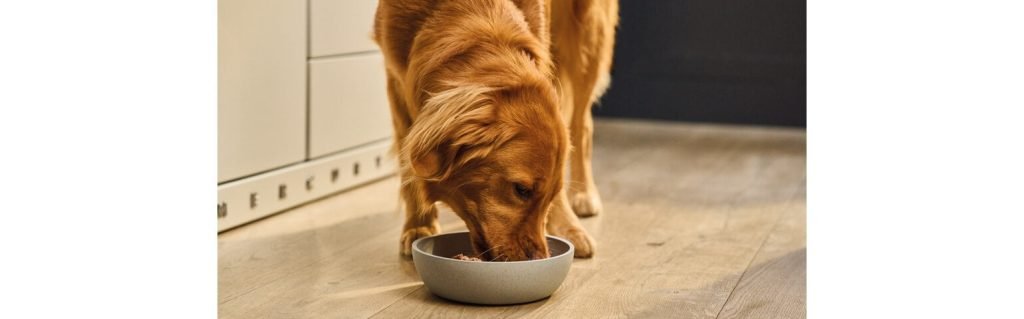
Have you ever caught your dog sneaking a bite of your cat’s food and wondered, “Is this okay?” You’re not alone. Many dog owners worry about what happens if their furry friend eats cat food.
It’s a common mistake, but could it harm your pet? Understanding the risks and what signs to watch for can protect your dog’s health. Keep reading to find out exactly what happens inside your dog’s body when they eat cat food—and what you should do next.
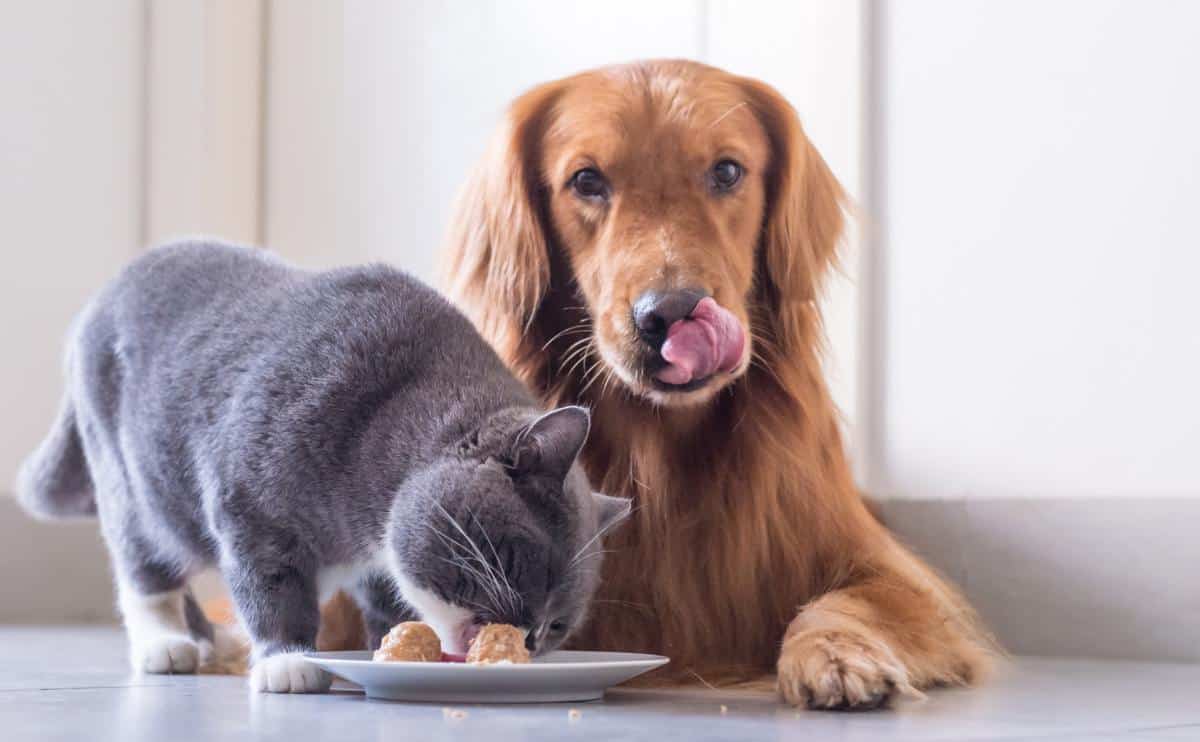
Credit: www.caninejournal.com
Differences Between Dog And Cat Food
Understanding the differences between dog and cat food is key to knowing what happens if your dog sneaks a bite of cat food. Each pet has unique nutritional needs that their food is designed to meet. Feeding your dog cat food occasionally might seem harmless, but the ingredients and nutrient balance can affect your dog’s health over time.
Nutritional Needs Of Dogs
Dogs need a balanced diet with protein, fats, and carbohydrates. Their bodies can digest a mix of plant and animal-based ingredients. Dogs require less protein and fat compared to cats, and their diet typically contains more fiber and carbohydrates.
Your dog’s food focuses on providing steady energy and supporting their digestive system. Essential nutrients like vitamin A and certain amino acids are included, but in amounts suited to dogs, not cats.
Nutritional Needs Of Cats
Cats are obligate carnivores, which means they must eat meat to survive. Their diet requires much higher protein and fat levels than dogs. Cats also need specific nutrients like taurine, arachidonic acid, and vitamin A, which they can’t produce on their own.
Because of these needs, cat food is richer and denser in calories. Feeding your dog cat food means they might get too much protein and fat, potentially leading to digestive upset or weight gain.
Ingredients In Cat Food
Cat food often contains more animal-based ingredients like liver and fish oils, which provide the essential nutrients cats need. It also includes higher levels of fat and protein to support their active metabolism.
Some cat foods have added supplements to meet feline-specific needs, such as taurine and vitamin A. These ingredients are safe for cats but can be too rich or cause imbalance for dogs if eaten regularly.
Have you ever noticed your dog’s reaction after sneaking cat food? Their stomach might feel upset because their system isn’t built to handle the richness and nutrient levels in cat food. Paying attention to these differences helps keep your pet healthy and happy.
Immediate Effects On Dogs
Dogs eating cat food may face some quick effects. Cat food is richer in certain nutrients meant for cats. This can cause changes in a dog’s body soon after eating it. Watch your dog closely for any signs of discomfort or odd behavior.
Digestive Reactions
Dog stomachs are not built for cat food. Cat food has more fat and protein than dog food. This difference can upset your dog’s stomach.
- Vomiting is common after eating cat food.
- Diarrhea can occur due to the rich ingredients.
- Some dogs may show signs of gas or bloating.
- In rare cases, more serious stomach issues can develop.
These reactions usually happen quickly, often within hours. Keep an eye on how your dog feels after eating cat food.
Behavioral Changes
Eating cat food can also affect a dog’s mood and behavior. The high fat and protein content can make them feel different.
- Your dog may seem more energetic or restless.
- Some dogs might act confused or irritable.
- Others may become lethargic and want to rest more.
- Loss of appetite can happen after the initial effects wear off.
Behavior changes can signal discomfort or a reaction to the food. Monitoring your dog’s actions helps catch problems early.
Health Risks Of Cat Food For Dogs
Cat food is made for cats, not dogs. Dogs eating cat food can face several health risks. These risks come from differences in ingredients and nutrients. Understanding these dangers helps keep dogs safe and healthy.
Risk Of Pancreatitis
Cat food has more fat than dog food. High fat can upset a dog’s digestive system. Eating too much fat may cause pancreatitis. This is a painful inflammation of the pancreas. Symptoms include vomiting, stomach pain, and lethargy. Pancreatitis can be serious and needs veterinary care.
Nutrient Imbalance
Cat food contains more protein and certain nutrients. Dogs need a balanced diet for good health. Too much protein or certain vitamins can harm dogs. Long-term eating of cat food may cause nutrient imbalances. This affects organs like kidneys and liver. Dogs may lose weight or become weak over time.
Allergic Reactions
Some dogs may be allergic to ingredients in cat food. Common allergens include fish, chicken, or dairy. Allergic reactions cause itching, redness, and swelling. Dogs might also experience digestive upset. Allergies can worsen if cat food is eaten often. Watch for any changes in your dog’s skin or behavior.

Credit: www.lilyskitchen.co.uk
When To Worry And Seek Help
Knowing when to worry about your dog eating cat food is important. Not every case causes harm, but some do. Watch your dog closely after the incident. Early action can prevent serious problems. Understanding signs of distress and emergency situations helps keep your pet safe.
Signs Of Distress
Look for these signs after your dog eats cat food:
- Vomiting or frequent gagging
- Diarrhea or loose stools
- Excessive drooling or licking lips
- Loss of appetite or refusal to eat
- Lethargy or unusual tiredness
- Abdominal pain or bloating
- Restlessness or pacing
These signs suggest your dog’s stomach or digestion is upset. Monitor your dog closely for several hours.
Emergency Situations
Seek veterinary help immediately if your dog shows:
- Severe vomiting that does not stop
- Bloody diarrhea or black stools
- Difficulty breathing or choking
- Swollen abdomen or hard belly
- Collapse or loss of consciousness
- Seizures or unusual shaking
Cat food may contain ingredients harmful in large amounts. Immediate care can save your dog’s life in emergencies.
Preventing Dogs From Eating Cat Food
Preventing your dog from eating cat food is essential to avoid digestive issues and nutritional imbalances. Dogs are naturally curious and might find the richer, fattier cat food more appealing. However, keeping your dog away from it requires more than just hope—it needs smart strategies and consistent effort.
Safe Feeding Practices
Feed your dog and cat at different times to reduce food competition. You might want to give your cat their meal in a quiet, separate room where your dog cannot follow. This prevents your dog from sneaking bites out of curiosity or hunger.
Consider using feeding stations designed to block dogs but allow cats access. Elevated bowls or cat-only feeding boxes with small entrances work well. Have you noticed your dog’s persistence around feeding times? Setting clear boundaries helps them understand where their food is.
Storage Tips
Store cat food in sealed containers placed out of your dog’s reach. High shelves or locked cabinets are great options. This simple step stops accidental overeating or the temptation to snack between meals.
Dry cat food can be stored in airtight bins to maintain freshness and prevent spills. Wet food should be immediately refrigerated after opening to avoid odors that attract your dog. Have you ever caught your dog rummaging through leftovers? Keeping food secure minimizes these incidents.
Training Techniques
Teach your dog the “leave it” command to discourage grabbing cat food. Practice this command regularly with treats and praise, so your dog learns to listen even when tempted. It’s a skill that protects their health and your peace of mind.
Use positive reinforcement to reward your dog when they ignore the cat’s food bowl. Consistency is key—never allow your dog to get away with sneaking cat food once. How often do you reinforce good behavior during feeding times? This awareness can make all the difference.

Credit: www.lilyskitchen.co.uk
Alternatives For Picky Eaters
Dealing with a picky eater can be frustrating, especially when your dog shows interest in cat food instead of their own meals. It’s important to find alternatives that satisfy your dog’s taste buds while keeping them healthy and safe. Offering options that appeal to their senses can prevent them from turning to cat food out of boredom or hunger.
Dog-friendly Treats
Dogs love variety just like people do. Adding dog-friendly treats to their diet can keep mealtime exciting and reduce their temptation to try cat food. Think about snacks like small pieces of cooked chicken, baby carrots, or commercial dog treats made with natural ingredients.
These treats not only taste good but also provide nutritional benefits. Have you noticed how your dog perks up when you give them something special? Using these treats strategically can make their regular food more appealing without risking their health.
Balanced Diet Options
Sometimes picky eating signals a need for a more balanced diet. You can try mixing wet and dry dog food to improve texture and flavor. Adding a spoonful of plain pumpkin or a bit of boiled sweet potato can also enhance taste and digestion.
Keep an eye on ingredients to avoid anything harmful, like onions or grapes. How often do you review your dog’s food labels? Choosing a diet that meets all their nutritional needs will keep them satisfied and less curious about cat food alternatives.
Frequently Asked Questions
Can Dogs Eat Cat Food Safely?
Dogs can eat cat food occasionally, but it’s not ideal. Cat food is rich in protein and fat, which may upset a dog’s stomach or cause weight gain if eaten regularly.
What Are The Risks If A Dog Eats Cat Food?
Eating cat food often can lead to obesity, digestive issues, or nutrient imbalances in dogs. Cat food lacks essential nutrients tailored for dogs and may cause long-term health problems.
How To Prevent Dogs From Eating Cat Food?
Keep cat food in a separate area, out of your dog’s reach. Use feeding schedules and supervise pets during mealtime to avoid accidental eating.
Can Eating Cat Food Cause Allergies In Dogs?
Yes, some dogs may develop allergies or digestive upset from cat food ingredients. Monitor your dog for symptoms like itching, vomiting, or diarrhea after eating cat food.
Conclusion
Dogs eating cat food can cause stomach upset and nutrient imbalance. Cat food has more protein and fat than dogs need. Eating it often may lead to weight gain or health problems. Small amounts might not harm your dog, but avoid regular feeding.
Always provide food made for your dog’s needs. Watch your pet’s behavior after they eat cat food. Contact your vet if you see vomiting, diarrhea, or unusual signs. Keeping pets’ diets separate helps them stay healthy and happy. Simple care keeps your furry friends safe.
