

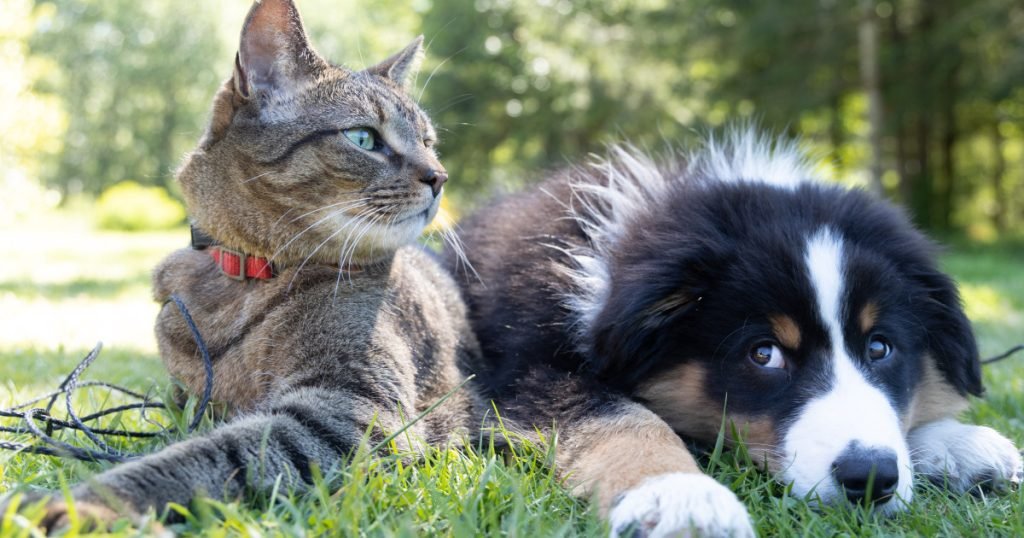
Are you a pet lover with both cats and dogs on your mind? Bringing a furry friend into your home is a big decision, especially if you’re already the proud parent of a feline.
The good news is, some dog breeds are known for their friendly and harmonious relationships with cats. But how do you choose the right one? You’re not alone in this quest for the perfect pet duo. This article will guide you through the top dog breeds that are good with cats, ensuring a peaceful and joyful home for both you and your four-legged companions.
Ready to find the ideal match? Let’s dive in and discover which breeds will have your cat purring with approval.
Traits Of Cat-friendly Dogs
Choosing a dog that lives well with cats depends on certain key traits. Dogs with the right nature make peaceful and happy companions for feline friends. Understanding these traits helps ensure a smooth relationship between pets.
Temperament To Look For
Calm and gentle dogs tend to get along best with cats. Patience is a must. Dogs that show low aggression and high tolerance avoid conflicts. Friendly and non-dominant dogs make cats feel safe and secure.
Energy Levels And Compatibility
Matching energy levels helps dogs and cats coexist peacefully. Dogs with moderate or low energy usually suit cats better. High-energy dogs can overwhelm shy or quiet cats. Balanced playtime encourages harmony in the household.
Socialization Importance
Early socialization shapes how dogs react to cats. Positive experiences with cats reduce fear and aggression. Introducing dogs to cats as puppies increases chances of friendship. Training and supervision support good behavior around cats.
Top Dog Breeds That Get Along With Cats
Choosing a dog breed that gets along well with cats can make your home a peaceful place for both pets. Some breeds naturally have a gentle and friendly nature toward feline friends. Here are several dog breeds known for their ability to coexist happily with cats, helping you create a harmonious multi-pet household.
Golden Retriever
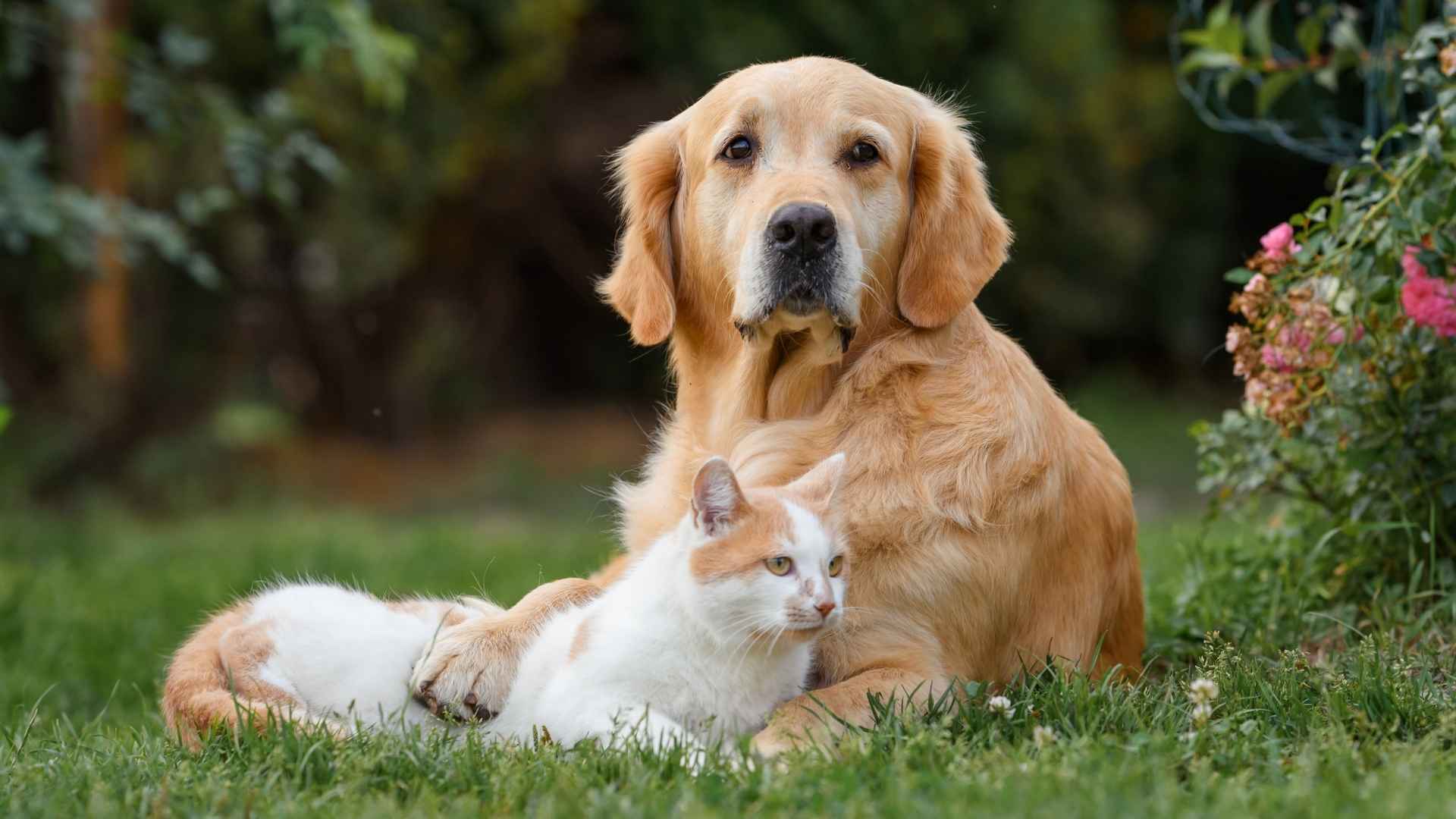
Golden Retrievers are famously friendly and patient dogs. Their calm demeanor often makes them excellent companions for cats. If you want a dog that easily adapts to the presence of a feline, a Golden Retriever is a strong choice.
Beagle
Beagles are curious and social dogs that usually enjoy the company of other animals. Their playful spirit can match well with a cat’s energy, provided introductions are managed carefully. Have you noticed how a Beagle’s gentle approach can ease initial tensions between pets?
Cavalier King Charles Spaniel
This breed is affectionate and low-key, which often appeals to cats seeking a peaceful friend. They tend to be less aggressive and more welcoming, making them a great fit in a cat-friendly home. Their size and temperament make them easy to manage around smaller animals.
Basset Hound
Basset Hounds move at a slow pace and have a laid-back attitude. This relaxed nature usually means they won’t chase or stress out cats. Their love for lounging can sync well with a cat’s preference for calm environments.
Maltese
The Maltese is a small, gentle dog that rarely exhibits aggressive behavior. They often form strong bonds with cats, enjoying close companionship without conflict. Could a smaller dog like the Maltese be the perfect quiet buddy for your cat?
Papillon
Papillons are intelligent and alert but tend to be friendly rather than confrontational. They can coexist happily with cats, especially if introduced properly from a young age. Their lively personality can even encourage playful interaction without overwhelming your feline.
Collie
Collies are known for their intelligence and protective instincts. When socialized early, they often treat cats as part of their family group. Their gentle and loyal nature can create a secure environment where your cat feels safe and respected.
How To Introduce Dogs To Cats
Introducing a dog to a cat can be a delicate process that requires patience and attention. How you manage their first meetings can shape their future relationship. Setting the right tone early on helps reduce stress and builds trust between your pets.
Preparing The Environment
Start by creating a calm and safe space for both your dog and cat. Choose a quiet room where your cat can retreat to a high spot or a hiding place. Make sure your dog is calm before the introduction—take them for a walk or play to burn off excess energy.
Remove any toys or food bowls that might cause possessiveness. Use baby gates or crates to separate the animals initially, allowing them to see and smell each other without direct contact. This step helps both pets get used to each other’s presence safely.
Step-by-step Introduction Tips
- Begin with short, supervised sessions where your dog is on a leash and your cat can move freely.
- Watch your dog’s body language closely—are they curious or overly excited?
- Reward calm behavior with treats and praise to reinforce positive interactions.
- Gradually increase the length of these meetings as both animals show comfort.
- Never force interaction; let your cat decide when to approach.
Have you noticed your dog’s tail wagging in a relaxed way or your cat slowly blinking? These small signals indicate growing comfort and trust. Encouraging these moments helps build a peaceful coexistence.
Signs Of Stress And How To Handle Them
Watch for signs like hissing, growling, raised fur, or avoidance. These behaviors mean your cat or dog feels threatened or overwhelmed. If you see these, calmly separate them and give both some quiet time.
Redirect your dog’s attention with a toy or command to lower their excitement. For cats, provide a safe space where they can observe without pressure. Patience is key—forcing interactions can damage their relationship.
Remember, your calm and confident behavior can ease tension. How you respond teaches your pets that they are safe and supported during these new experiences.

Credit: worldanimalfoundation.org
Training Tips For Harmony
Creating a peaceful home where dogs and cats coexist happily requires more than just choosing the right breed. Training plays a huge role in shaping their relationship. Your efforts to guide both pets can prevent conflicts and build a foundation of trust and respect.
Basic Commands To Teach
Start with simple commands like “sit,” “stay,” and “leave it.”These help control your dog’s behavior around your cat. Teaching your dog to respond immediately to these commands can stop unwanted chasing or rough play before it starts.
Try practicing commands in low-distraction areas first. Once your dog masters them, introduce the cat’s presence gradually. This step-by-step approach helps your dog focus and understand what’s expected.
Encouraging Positive Interactions
Reward calm behavior around your cat with treats and praise. This reinforces the idea that being gentle leads to positive outcomes. You might notice your dog looking to you for guidance—use this moment to encourage peaceful behavior.
Introduce new interactions slowly and always supervise. Let your dog and cat sniff or observe each other from a safe distance initially. Patience here can prevent fear or aggression from developing.
Managing Playtime Safely
Keep play sessions controlled and brief to avoid overstimulation. Use toys that both pets can enjoy, like wand toys for cats and balls for dogs, but never force interaction. Separate their play areas if things get too intense.
Ask yourself: is your dog respecting the cat’s space, or is play turning one-sided? If you see signs of stress or chasing, it’s time to step in and calm the situation. Your role is to ensure play remains fun and safe for everyone involved.
Common Challenges And Solutions
Introducing a dog to a cat can bring joy and companionship. Yet, some challenges often arise during their first meetings and ongoing interactions. Understanding these issues helps create a peaceful home where both pets feel safe and happy.
Common challenges include natural instincts like chasing, territorial disputes, and stress signals. Each problem needs patient handling and clear strategies to improve relationships between dogs and cats.
Dealing With Chase Instincts
Many dogs have a strong urge to chase moving animals. Cats moving quickly can trigger this instinct. This behavior stresses cats and can lead to injury or fear.
- Teach the dog basic commands like “sit” and “stay” to control impulses.
- Use a leash during introductions to limit sudden chasing.
- Reward calm behavior with treats and praise to encourage patience.
- Provide escape routes and high places for cats to retreat safely.
Addressing Territorial Behavior
Dogs and cats often feel protective of their space. This can cause growling, barking, or swatting. Both pets need time to adjust to shared living areas.
- Separate feeding and resting spots to reduce competition.
- Introduce new scents gradually by swapping bedding or toys.
- Supervise early interactions to prevent aggressive encounters.
- Use baby gates or screens to create safe zones for each pet.
When To Seek Professional Help
Sometimes, challenges go beyond simple training and patience. Persistent aggression, anxiety, or fear require expert advice. A trainer or behaviorist can offer tailored solutions.
- Look for signs like constant growling, hiding, or aggressive lunging.
- Professional help speeds up the adjustment process safely.
- Experts provide techniques suited to your pets’ unique personalities.
- Early intervention prevents long-term stress and injury.
Credit: worldanimalfoundation.org
Benefits Of Having Dogs And Cats Together
Having dogs and cats together can bring many joys to your home. These pets often form strong bonds that benefit both animals and owners. They provide comfort, fun, and teach valuable lessons.
Companionship And Emotional Support
Dogs and cats can become close friends. Their company helps reduce feelings of loneliness. Pets offer comfort during stressful times. They provide a sense of security and love. This emotional support improves mental health for everyone.
Increased Activity And Play
Pets encourage each other to be active. Dogs and cats often chase, play, and explore together. This keeps them physically fit and mentally sharp. Watching their play can bring joy to the household. Active pets also tend to sleep better and stay calm.
Learning Social Skills
Living with different animals teaches pets social skills. Dogs learn to be gentle and patient with cats. Cats become more confident and friendly with dogs. This interaction helps both pets adapt to new situations. It also builds better behavior with other animals and people.

Credit: www.agriapet.co.uk
Frequently Asked Questions
Which Dog Breeds Are Best With Cats?
Breeds like Golden Retrievers, Beagles, and Basset Hounds are known to get along well with cats. These dogs are gentle, friendly, and less aggressive, making them ideal companions for feline friends.
How To Introduce A Dog To A Cat Safely?
Introduce them slowly in a controlled environment. Keep the dog on a leash and let the cat approach at its own pace. Reward calm behavior with treats to foster positive associations.
Can Small Dog Breeds Live Peacefully With Cats?
Yes, many small dog breeds like Cavalier King Charles Spaniels and Pugs adapt well to cats. Their calm nature and low prey drive help maintain a peaceful household.
Do All Dogs Naturally Get Along With Cats?
No, not all dogs naturally get along with cats. Personality, training, and socialization play key roles in their relationship. Proper introductions are essential for harmony.
Conclusion
Choosing a dog breed that gets along with cats makes home life peaceful. Some dogs have gentle and calm nature, perfect for living with cats. Training and patience help both pets build trust and friendship. Watch their behavior closely at first to ensure safety.
Happy pets mean happy owners. A thoughtful choice leads to a loving and balanced family. Keep their needs in mind and enjoy their company every day.
