

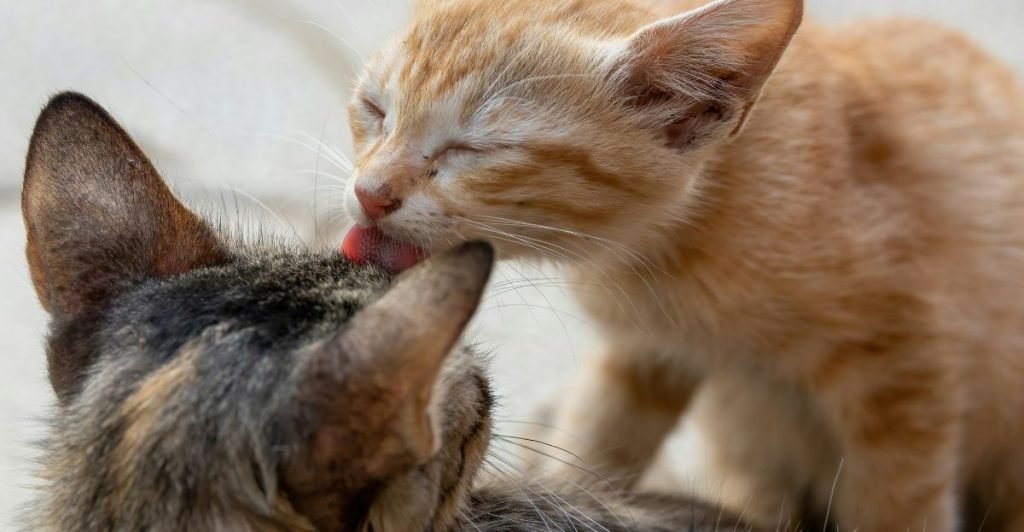
Have you ever watched one cat gently licking another and wondered what it really means? When one cat grooms another, it’s more than just keeping clean.
This simple act tells a story about their feelings, trust, and social bonds. If you want to understand your feline friends better and decode their secret language, keep reading. You’ll discover surprising reasons behind this sweet behavior and how it shapes your cats’ relationships.
Reasons Cats Groom Each Other
Cats grooming each other is a common and meaningful behavior. It shows more than just cleaning. Cats use grooming to communicate and connect. Understanding why cats groom each other helps reveal their social nature. Each act of grooming has a specific purpose. These reasons include bonding, hygiene, calming down, and setting social order.
Social Bonding
Grooming strengthens the bond between cats. It is a way to show trust and friendship. Cats groom each other to share affection. This behavior helps build a peaceful group life. Cats that groom each other often live closely and get along well.
Mutual Hygiene
Cats clean hard-to-reach spots by grooming each other. This helps remove dirt and loose fur. Grooming also reduces parasites like fleas. By helping each other stay clean, cats stay healthier. It is teamwork for good hygiene.
Stress Relief
Grooming calms cats and lowers stress. It can soothe anxiety and fear. When cats feel nervous, they often groom each other. This act releases relaxing hormones. It creates a sense of safety and comfort.
Establishing Hierarchy
Grooming can show social rank among cats. Higher-ranking cats may groom lower-ranking ones more often. This behavior helps maintain order in the group. It signals respect and acceptance. Grooming shows who leads and who follows.
Credit: www.companionanimalpsychology.com
Types Of Grooming Behavior
Cats use different grooming behaviors to communicate and bond. Grooming is more than cleaning. It shows trust, care, and friendship between cats. Understanding these behaviors helps you know what your cat feels and thinks.
Allogrooming Explained
Allogrooming means one cat grooms another cat. It is a social act. Cats lick or nibble on each other’s fur. This behavior builds strong bonds. It also reduces stress and keeps peace among cats. Allogrooming helps cats feel safe and loved.
Self-grooming Vs. Social Grooming
Self-grooming is when a cat cleans itself. It keeps fur clean and controls body temperature. Social grooming happens between cats. It strengthens their relationship and shows acceptance. Both types are important for a cat’s health and happiness.
Gentle Licking And Nibbling
Gentle licking is a soft, caring gesture. Cats use it to comfort friends. Nibbling is light biting without harm. It shows playfulness or affection. These actions help cats express feelings without words. They create trust and closeness in the group.
Benefits Of Mutual Grooming
Mutual grooming is a common behavior among cats that shows much more than just cleaning. It plays a key role in their social life and well-being. When cats groom each other, they share many benefits that help them live happily together.
Strengthening Relationships
Grooming builds trust and friendship between cats. It helps them feel safe and connected. This action shows care and support, creating a strong bond. Cats that groom each other usually have a close and peaceful relationship.
Health And Cleanliness
Mutual grooming helps cats stay clean. They reach spots that are hard to clean alone, like behind the ears and neck. This lowers the chance of skin problems and parasites. Grooming also spreads natural oils, keeping fur soft and healthy.
Reducing Aggression
Grooming calms cats down and lowers stress. It stops fights and tension between them. By grooming each other, cats send peaceful signals. This behavior makes the home environment more relaxed and safe for all cats.

Credit: www.companionanimalpsychology.com
Signs Of A Strong Feline Bond
Understanding the signs of a strong feline bond helps cat owners know how well their pets get along. Cats that groom each other share trust and affection. This behavior shows comfort and friendship between cats.
Grooming Frequency
Cats that groom each other often have a close connection. Regular grooming means they feel safe and relaxed together. It helps keep their fur clean and strengthens their social ties. The more frequent the grooming, the stronger their bond.
Body Language Cues
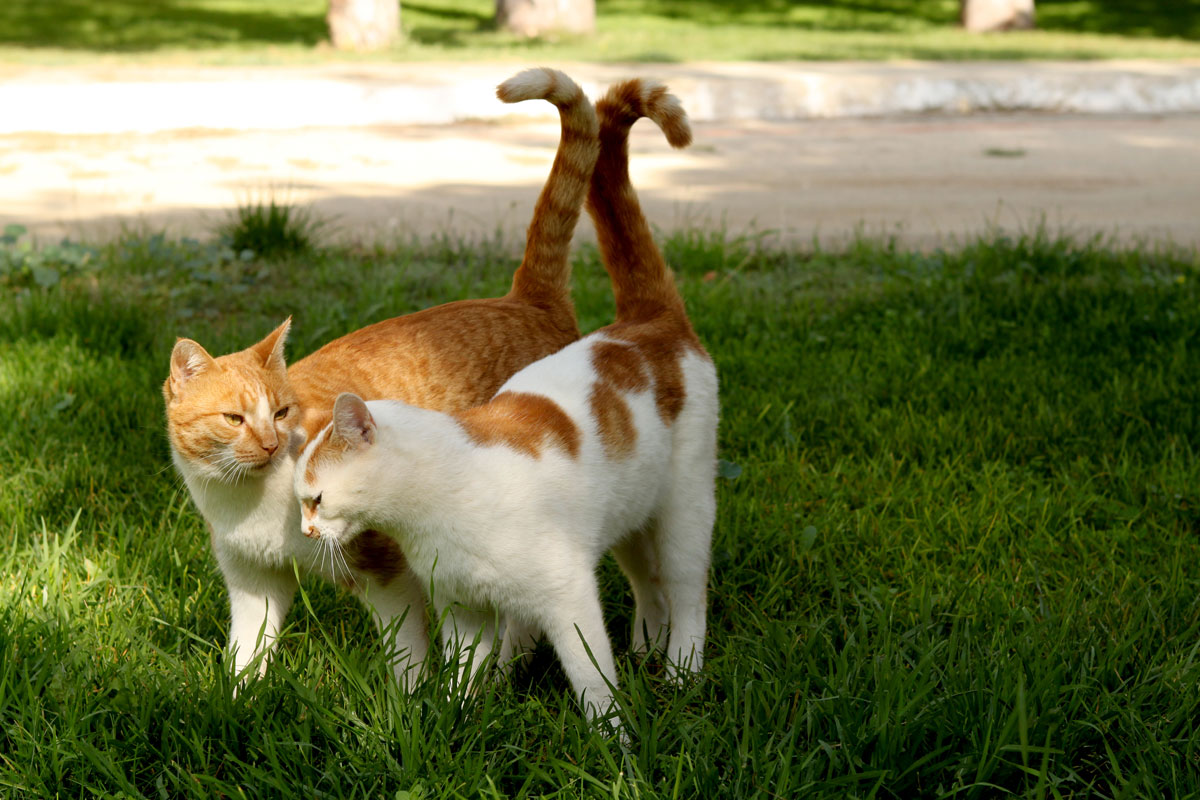
Body language shows how cats feel about each other. Relaxed postures, slow blinking, and gentle touches are signs of friendship. Cats that allow grooming usually show soft eyes and calm movements. These cues indicate trust and comfort between them.
Sleeping Close Together
Cats that sleep near each other have a deep bond. Sharing a sleeping spot shows they feel secure and protected. It is a sign of closeness and mutual care. Sleeping side by side often means a lasting and strong friendship.
When Grooming Signals Problems
Grooming between cats usually shows bonding and care. But sometimes, it signals problems that need your attention. Watching how and when one cat grooms another can reveal hidden stress, avoidance, or health issues. Understanding these signs helps you support your cats better and avoid bigger problems.
Over-grooming And Stress
Have you noticed one cat grooming the other excessively? Over-grooming can be a sign of stress or anxiety in your cats. Instead of a gentle lick here and there, one cat might obsessively groom the other, causing discomfort or even skin irritation.
Stress triggers this behavior often. Maybe a new pet arrived, or changes in the home environment are unsettling your cats. If you see bald spots or red skin, it’s time to check what’s stressing your cats and find ways to reduce it.
Avoidance And Aggression
Sometimes grooming hides deeper social issues. One cat might groom another as a way to control or assert dominance, especially if the grooming seems forced or one-sided. The cat being groomed might try to avoid these sessions or even show aggression afterward.
Have you seen one cat run away or hiss after a grooming session? That’s a clear sign something’s wrong. Pay attention to body language and interactions following grooming. If avoidance or aggression appears, consider separating them temporarily and observing their behavior closely.
Health Issues Indicated By Grooming
Grooming can also highlight health problems. If a cat suddenly stops grooming another or grooms a specific area repeatedly, it might indicate pain or discomfort in that spot. Cats are masters at hiding illness, so changes in grooming habits can be your early warning system.
Look for symptoms like swelling, wounds, or changes in fur texture. Your vet can help determine if an injury or skin condition is causing grooming changes. Have you ever noticed your cat focusing on one spot during grooming? That could be their way of telling you they need help.

Credit: www.companionanimalpsychology.com
Encouraging Positive Grooming
Encouraging positive grooming between cats strengthens their bond and creates a peaceful home environment. When one cat grooms another, it’s more than just cleaning—it’s a sign of trust and friendship. Helping your cats engage in this behavior naturally takes patience and the right approach.
Creating A Calm Environment
Your cats need a stress-free space to feel comfortable grooming each other. Loud noises, sudden movements, or overcrowded areas can make them anxious and less likely to groom. Try to provide quiet spots with cozy beds or blankets where your cats can relax together without interruptions.
Have you noticed your cats grooming each other more after a peaceful nap time? That’s no accident—calm surroundings encourage this positive interaction.
Introducing Cats Properly
Proper introductions are crucial if you want your cats to groom each other. Let them meet slowly and in neutral spaces to avoid territorial disputes. Use scent swapping—like exchanging bedding—to help them get used to each other’s smell before face-to-face meetings.
Watching my two cats cautiously sniff each other before grooming taught me how important a slow introduction is. If you rush this step, you might see hissing instead of licking.
Using Grooming To Reduce Anxiety
Grooming is a powerful way for cats to calm themselves and each other. If your cat seems stressed, encourage gentle grooming by offering treats or petting sessions nearby. This can help your cat associate grooming with relaxation and safety.
Think about your own stress relief—sometimes a gentle touch from a friend makes all the difference. Cats feel the same way, and grooming can be their way of saying, “I’ve got you.”
Frequently Asked Questions
Why Do Cats Groom Each Other?
Cats groom each other to strengthen social bonds and show affection. It helps reduce stress and keeps their fur clean. Grooming also establishes trust and hierarchy within a group, promoting harmony among cats.
Does Grooming Mean Cats Are Friends?
Yes, mutual grooming usually indicates friendship and trust between cats. It shows they feel safe and comfortable with each other. Cats often groom close companions or family members to reinforce their bond.
Can Grooming Signal Dominance In Cats?
Sometimes, grooming can show dominance when one cat grooms another more often. The dominant cat controls the interaction, reinforcing its status. However, it mainly serves as a social and bonding behavior rather than aggression.
Is Grooming A Way Cats Communicate?
Yes, grooming is a form of non-verbal communication. Cats express care, acceptance, and reassurance through grooming. It helps convey emotions and maintain peaceful relationships within their social group.
Conclusion
Cat grooming shows trust and friendship between them. It helps cats feel calm and safe together. Grooming also keeps their fur clean and healthy. Watching cats groom each other can teach us about their bonds. It’s a simple way cats say, “I care about you.
” Understanding this behavior helps owners better care for their pets. Enjoy these small moments of connection with your cats. They speak a language full of love and comfort.
